
Restaurant Recipes
Commercial Garlic Bread Recipe
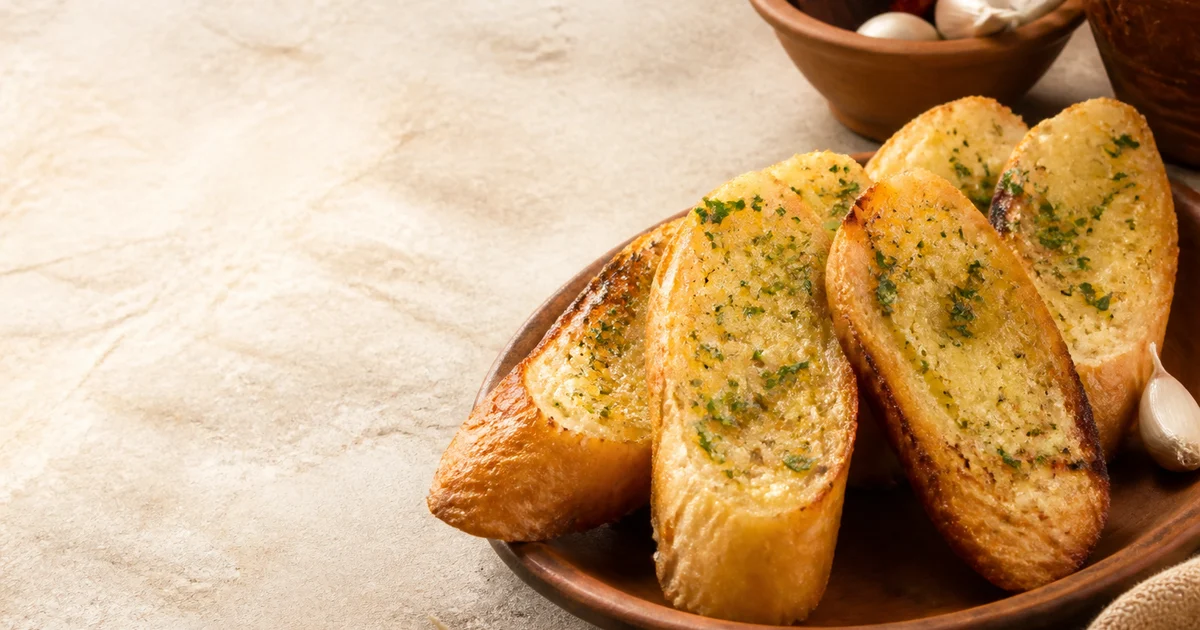
A 40-plate commercial garlic bread recipe with a weighed bulk spread, make-ahead tray system, fast convection baking and practical service controls.
- Prep
- 30 min
- Cook
- 45 min
- Total
- 1 hr 15 min
- Yield
- about 40 plates (5 pieces each)
- Difficulty
- Easy
- Cuisine
- Continental
Method
- 1
Soften Butter Correctly
Bring the butter to 18°C to 20°C for 20 to 30 minutes, depending on kitchen temperature. It should indent easily but must not look oily or melted. Cut large blocks into smaller pieces to soften evenly.
- 2
Prepare Fresh Garlic
Peel and weigh 300 g usable garlic, then mince it finely without turning it into a watery paste. Remove green sprouts because they can taste bitter. Keep the prepared garlic chilled if mixing is delayed for more than 15 minutes.
- 3
Mix Garlic Butter
Place the softened butter in a planetary mixer and run the paddle on low speed for 30 seconds. Add garlic and soybean oil gradually, then mix for 1 minute. Scrape the bowl and paddle so no plain butter remains underneath.
- 4
Add Final Seasoning
Add parsley, salt, black pepper and oregano, then mix on low for 1 to 2 minutes. Stop when the herbs and garlic are distributed evenly without whipping visible air into the butter. Keep the finished spread at 5°C or colder if it will not be used immediately.
- 5
Cut Equal Bread Pieces
Cut each baguette into 10 equal slices, approximately 2 cm thick. Keep the knife angle consistent so pieces have similar surface area and bake at the same speed. Separate crushed or undersized pieces and record them as production loss.
- 6
Weigh Each Spread Portion
Apply 10 g garlic butter to the cut face of every piece, spreading it to the edges without compressing the bread. Check the first 10 pieces on a digital scale, then conduct spot checks during production. The surface should be fully coated but not carry thick lumps.
- 7
Load And Chill Trays
Arrange 40 pieces in one layer on each full-size tray, leaving small gaps for airflow. Cover and refrigerate at 5°C or colder if baking later. Use prepared trays within 24 hours and never hold them beside a hot oven.
- 8
Bake Until Lightly Crisp
Preheat a convection oven to 200°C and bake each tested load for 6 to 8 minutes. Rotate trays only if the oven has known hot spots. The butter should sizzle, the edges should be golden and the centres should remain slightly tender.
- 9
Portion For Immediate Service
Rest the bread on a rack for 1 minute so excess steam escapes. Plate five pieces per serving and sell within 15 to 20 minutes for best quality. Reheat once at 180°C for 2 to 3 minutes if required, then discard any further leftovers according to the kitchen wastage procedure.
Notes for your kitchen
This garlic bread recipe produces 200 pieces, enough for about 40 plates at five pieces per serving. The batch uses 20 baguettes and approximately 2 kg of finished garlic butter. Production time assumes a commercial convection oven, five full-size trays and staged loading during service.
Why garlic bread works commercially
Garlic bread works as a restaurant or food cart side because it is quick to finish, easy to portion and compatible with pasta, soup, grilled food and café menus. Most labour is completed before service. During an order rush, the kitchen only needs to load a prepared tray, bake it and plate the fixed portion. The margin can be favourable when bread specifications, spread weight and complimentary servings are controlled. It becomes less profitable when cooks apply butter by eye, serve inconsistent portions or bake more than demand requires.
Ingredient selection and quality
Bread structure, butter flavour and fresh garlic quality matter more than decorative herbs. Buy these ingredients to a written specification so that changes between suppliers do not alter the yield or baking time.
Select bread for consistency
A suitable baguette has a firm crust, an even crumb and enough width to hold a 10 g spread portion. Very airy bread tears during spreading and absorbs excessive fat. Very dense bread stays heavy after baking. Specify loaves close to 250 g and reject crushed, damp or unevenly baked stock. Day-old bread can be used if it remains clean, unsliced and free from dry, cracking edges.
Choose the garlic butter base
Butter provides the main flavour, while a small amount of neutral soybean oil keeps the chilled spread workable. Use unsalted butter so the kitchen controls seasoning. Butter should smell clean and dairy-like, with no refrigerator odour. Fresh garlic should be firm and free from sprouts, mould or soft brown areas. Mince it immediately before mixing because old minced garlic develops harsh flavours. Parsley gives the most Continental appearance, but clean, thoroughly dried dhonia pata can be used when parsley supply is unreliable.
Bulk garlic butter technique
Bulk garlic butter should be mixed while soft but never melted. Hold butter at 18°C to 20°C until it yields under finger pressure but still keeps its shape. Melted butter separates, runs through the bread and produces greasy trays instead of an even coating.
Use the paddle attachment on low speed. High-speed whipping introduces excess air, making a full spoon look correctly portioned while delivering too little butter by weight. Add finely minced garlic before herbs so it disperses throughout the fat. Stop once the colour and garlic particles look uniform, usually after 2 to 3 minutes. Scrape the bowl and paddle once during mixing. Record the finished spread weight and allow only a small process loss on the bowl and utensils.
Scaling the batch safely
Scale this recipe from the spread weight per slice, not from an estimated number of loaves. The operating standard is 10 g spread on one evenly cut piece. For 100 pieces, prepare enough mixture to issue 1 kg after normal bowl loss. For 400 pieces, double every ingredient by weight and use two mixer loads if the larger batch rises above the mixer’s safe capacity.
Oven capacity does not scale at the same rate as ingredients. Extra trays restrict airflow and can add several minutes to baking, causing the first trays to dry while later trays wait. Conduct a test load whenever loaf size, tray type or oven changes. For a smaller batch, use a scale accurate to at least 1 g for seasoning because spoon measurements become unreliable.
Prepping trays before service
Prepared garlic bread can be trayed ahead when it is covered, dated and kept at 5°C or colder. Arrange pieces in one layer with a small gap between them. Do not overlap slices because exposed corners burn before covered areas colour. Cover each tray tightly or place portions in shallow food-safe boxes to prevent the bread absorbing refrigerator odours.
Prepare the expected opening quantity first, then keep a second controlled backup batch. Cold slices may require about one additional minute in the oven. Do not leave loaded trays beside the oven to soften because butter will soak into the crumb and fresh garlic will remain in an uncontrolled temperature zone. Use prepared trays within 24 hours for the best texture.
Holding and reheating for service
Freshly baked garlic bread should be sold within 15 to 20 minutes for the best crust and aroma. Hold it briefly on a perforated rack under moderate heat rather than sealing it in a container. Trapped steam softens the crust, while aggressive heat-lamp exposure dries the centre. Where hot-holding controls apply, keep the product above 60°C and follow the kitchen’s documented food-safety procedure.
Reheat one time only at 180°C for 2 to 3 minutes, until the surface sizzles and the edges become crisp again. Do not use a microwave because it makes the crumb rubbery and the crust soft. A better service system is to bake smaller tray quantities every few minutes, based on recent order flow, rather than reheating a large surplus.
Portioning and yield control
A standard plate is five equal pieces, giving 40 saleable portions from this batch. Cut every loaf into ten pieces of similar thickness and keep end pieces within the same weight range. If a loaf cannot produce ten acceptable pieces, record the short yield rather than reducing every plate. Use a 10 g portion scoop as a speed tool, but verify its output with a digital scale at the start of each shift.
Train staff with a photographed plating standard and state whether dips, cheese or extra pieces are paid add-ons. A practical portion control system prevents generous hand-spreading from quietly consuming the batch. Rosuii productions can also record raw materials converted into a finished garlic butter batch, while wastage records can capture burnt or unsold pieces.
Mistakes that cost money
The most expensive garlic bread mistakes are uncontrolled spread weight, poor demand planning and overbaking. These problems consume butter, bread and oven capacity without creating saleable portions.
- Melting the butter: Liquid fat drains onto the tray and leaves dry garlic on the surface.
- Using wet herbs: Washing water weakens the mixture and creates visible separation. Dry leaves completely before chopping.
- Applying spread by eye: A difference of only a few grams on each of 200 pieces creates a significant batch variance.
- Overloading the oven: Restricted airflow produces pale centres and burnt outer trays. Use the oven’s tested loading pattern.
- Baking the full forecast early: Unsold cooked bread loses texture quickly. Prepare chilled trays, then bake against actual orders.
- Ignoring damaged loaves: Crushed or undersized bread lowers the saleable yield even when the purchase weight appears correct.
Record burnt pieces, dropped portions, returned plates and closing leftovers separately. This makes reducing wastage a measurable kitchen task rather than a general instruction.
Keeping cost and margin stable
Stable garlic bread cost depends on fixed loaf weight, fixed spread weight and accurate saleable yield. Butter and baguettes normally dominate ingredient cost, while garlic supply and butter brand changes create further movement. Compare suppliers by usable loaf yield and butter performance, not purchase unit alone.
Build costing from 40 plates only when the batch consistently produces 200 acceptable pieces. Include routine production loss, but do not hide avoidable burning or over-portioning inside the standard. Review the recipe costing whenever the supplier, loaf size, butter pack or serving quantity changes. A simple side maintains its margin only when every cook follows the same specification.
What drives the cost
Butter and baguettes dominate the cost of this dish, so changes in butter grade, loaf weight and supplier consistency have the greatest effect. Fresh garlic cost can move seasonally, while poor trimming and damaged bread reduce usable yield. Fixed 10 g spread portions and ten acceptable pieces per loaf keep the cost stable.
Ingredient rates move with the market, so this describes what drives the cost rather than quoting a figure.
Questions from kitchens
How do I scale this garlic bread recipe for a different number of plates?
How long can prepared garlic bread trays stay refrigerated?
What can replace butter or parsley?
How long does bulk garlic butter last?
Why does the batch produce fewer than 40 plates?
Related recipes
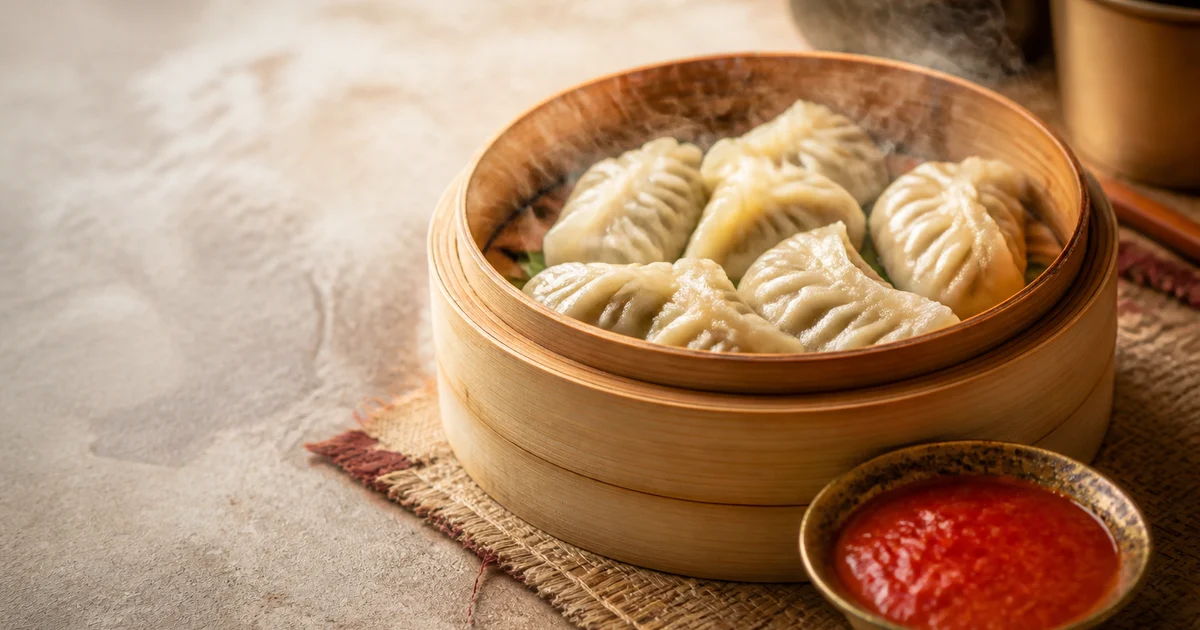
Commercial Chicken Momo Recipe
A commercial chicken momo recipe yielding about 200 pieces, with measured wrappers, juicy filling, fast folding, batch steaming, freezing and chutney control.
- Yield:
- about 40 plates
- Total:
- 3 hr 30 min
- Difficulty:
- Medium
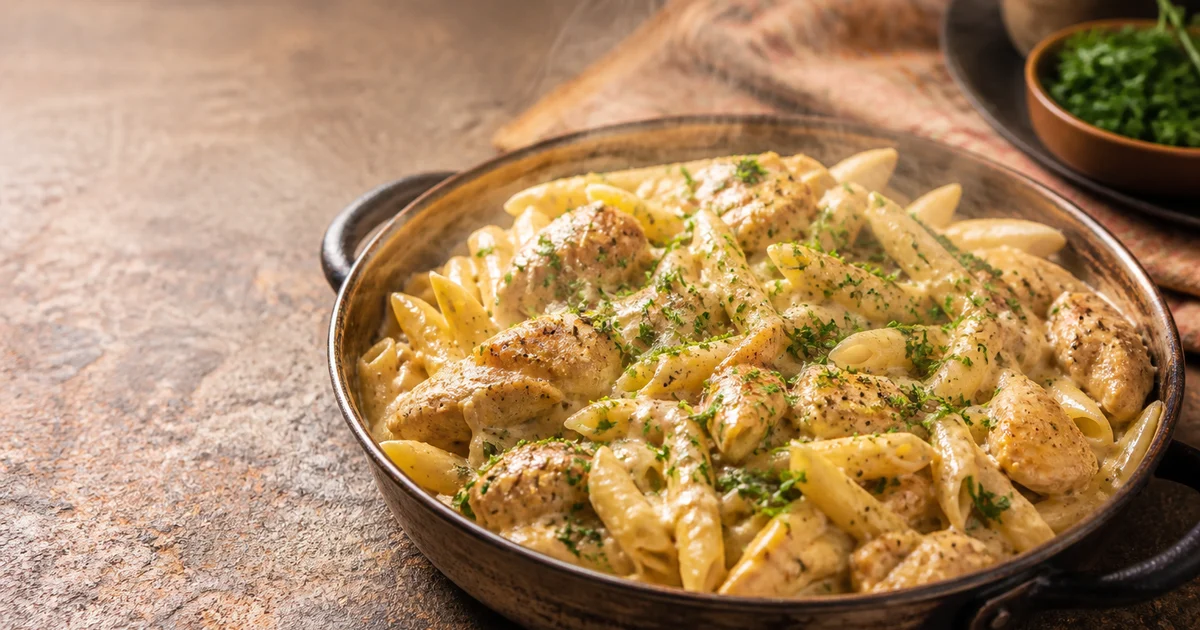
Creamy Chicken Pasta
A commercial chicken pasta recipe for 40 plates, built around par-cooked pasta, bulk creamy sauce and fast per-order finishing during service.
- Yield:
- about 40 plates
- Total:
- 1 hr 35 min
- Difficulty:
- Medium
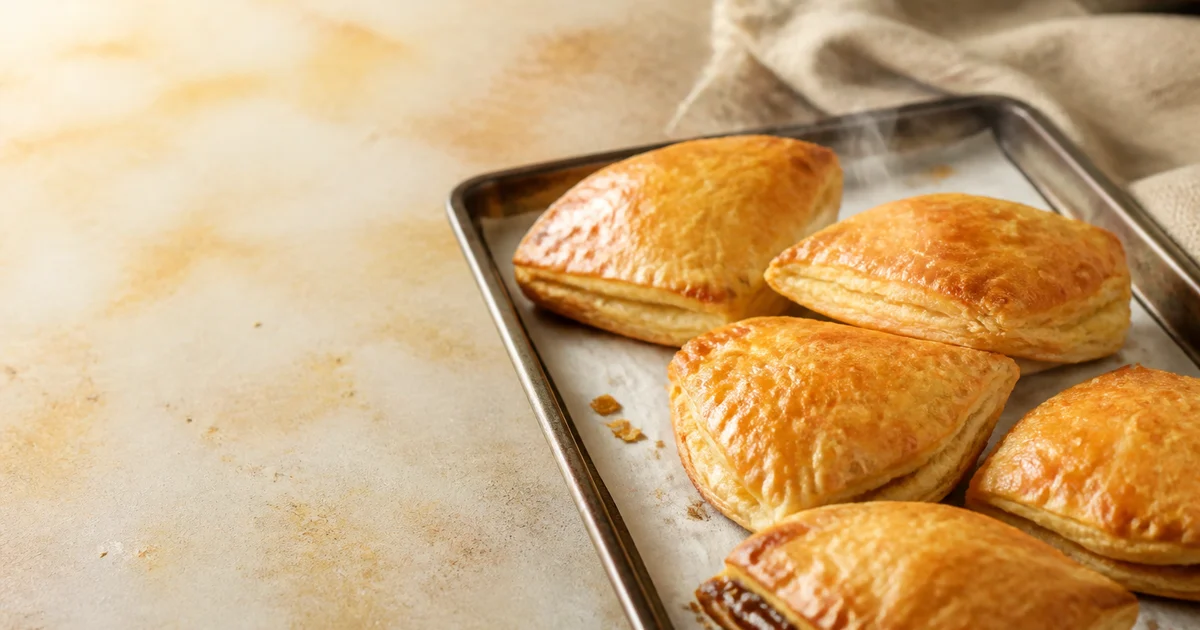
Commercial Chicken Patties Recipe
A commercial chicken patties recipe yielding 40 crisp bakery snacks, with controlled lamination, dry filling, fast shaping and freezer-ready production.
- Yield:
- 40 medium chicken patties
- Total:
- 3 hr 25 min
- Difficulty:
- Hard
Run your restaurant on Rosuii
POS, menu, inventory, payroll and more — built for Bangladeshi restaurants.
Start free