
Restaurant Recipes
Commercial Chicken Patties Recipe
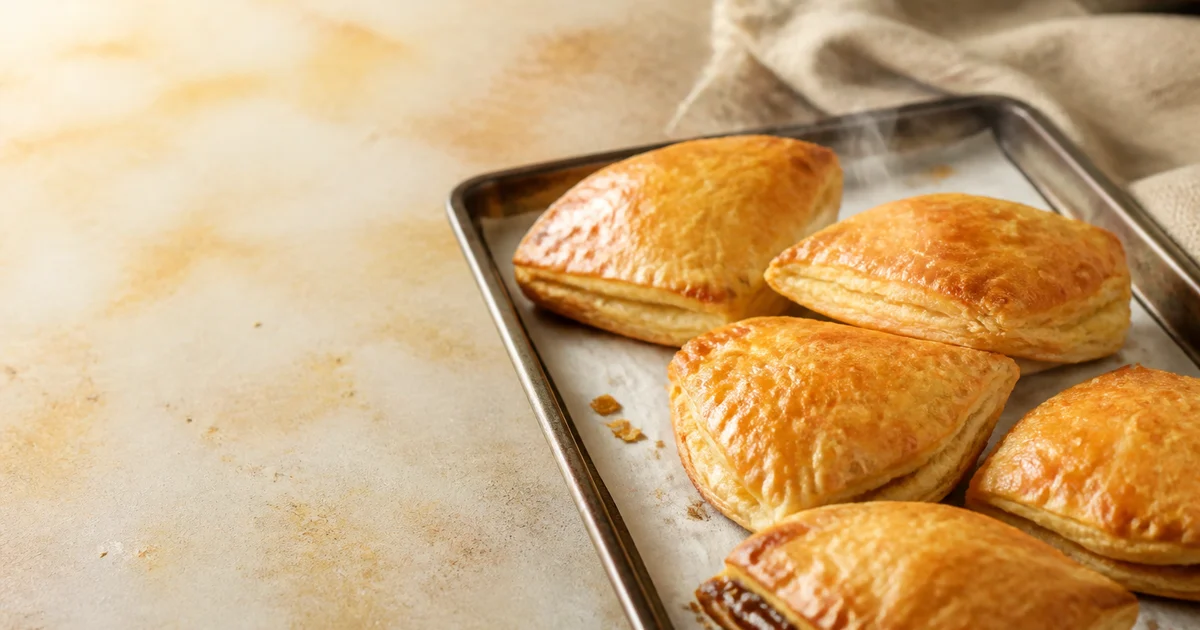
A commercial chicken patties recipe yielding 40 crisp bakery snacks, with controlled lamination, dry filling, fast shaping and freezer-ready production.
- Prep
- 2 hr 45 min
- Cook
- 40 min
- Total
- 3 hr 25 min
- Yield
- 40 medium chicken patties
- Difficulty
- Hard
- Cuisine
- Bakery
Method
- 1
Mix the base dough
Combine the flour, 18 g salt and sugar, then add 620 ml chilled water and the lime juice. Mix on low speed for 3 minutes and medium speed for 2 minutes, adding only enough remaining water to form a firm, smooth dough. Cover and refrigerate at 5°C for 30 minutes.
- 2
Prepare the fat block
Press the pastry margarine between baking sheets into a rectangle about 15 mm thick. Chill or temper it until it bends without cracking and does not feel oily, normally 16 to 18°C. Shape the rested dough large enough to enclose the block completely.
- 3
Laminate with three turns
Seal the margarine inside the dough and roll it into a long rectangle about 10 mm thick. Fold the rectangle into thirds, rotate it 90 degrees and chill for 20 minutes. Repeat the rolling, folding and chilling twice more for three single turns in total. Keep the edges square and stop if fat begins to break through.
- 4
Cook the filling base
Heat the soybean oil over medium heat, add the onion and cook for 4 to 5 minutes until soft but not deeply browned. Add the ginger and garlic pastes and cook for 90 seconds until the raw aroma disappears. Keep the mixture moving so the paste does not catch on the pan.
- 5
Dry the chicken filling
Add the chicken mince and 6 g salt, breaking up all large pieces. Cook for 8 to 10 minutes until the chicken reaches 74°C and released liquid has evaporated. Stir in the green chilli, black pepper and garam masala for 1 minute, then add the breadcrumbs. The finished mixture should hold together without leaving liquid when pressed with a spoon.
- 6
Cool the filling rapidly
Spread the filling no deeper than 30 mm in a clean shallow tray. Cool from 60°C to 21°C within 2 hours, then refrigerate at 5°C or below until completely cold. Keep it covered after steam has escaped to prevent contamination and drying.
- 7
Roll and cut pastry
Roll the chilled laminated dough to an even 3 mm thickness, working with half at a time in a warm kitchen. Cut matching rectangles sized to produce 40 patties and keep the pieces on chilled trays. Aim for 58 to 62 g of usable pastry per unit. Stack trimmings flat and refrigerate rather than kneading them.
- 8
Fill and seal patties
Weigh 25 g cold filling onto each bottom piece, leaving a clean 12 mm border. Cover or fold with the matching pastry, press out trapped air and seal the border without crushing the outer cut edge. Make one small steam cut on top. Transfer each piece immediately to a lined, chilled baking tray.
- 9
Chill or freeze unbaked
Chill shaped patties at 5°C for at least 20 minutes before baking. For stock production, freeze them uncovered at -18°C for 2 to 3 hours until hard, then pack airtight with separators. Label and use frozen patties within 4 weeks for best quality. Do not apply egg wash before freezing.
- 10
Bake until crisp
Preheat the oven to 210°C for at least 20 minutes. Brush only the top surfaces with beaten egg, avoiding the cut edges, then bake at 200°C for 22 to 26 minutes until deeply golden, well lifted and at least 74°C in the centre. Bake frozen patties without thawing for approximately 29 to 36 minutes. Rest on the tray for 3 minutes before moving to a rack.
- 11
Hold for safe service
Serve promptly or transfer to a heated display maintained at 60°C or above. For the best crispness, plan batches that sell within 2 hours. Reheat refrigerated patties at 180°C for 6 to 8 minutes until the centre returns to 74°C.
Notes for your kitchen
Why chicken patties suit commercial service
Chicken patties work commercially because they can be produced ahead, frozen unbaked and finished in controlled batches. The product is familiar to Bangladeshi bakery customers, portable enough for a food cart and suitable for snack counters, office orders and tea service. A consistent rectangular shape also makes counting, packing and display straightforward.
This chicken patties recipe produces 40 medium patties from one batch. The pastry and filling can be prepared during a quiet production period, while baking can follow expected sales. Freezing the shaped patties reduces morning labour and limits the risk of keeping too many baked pieces in the display.
Ingredient quality matters most in the pastry
Flour strength and roll-in fat determine the lift, while the chicken determines filling flavour and selling quality. Use fresh maida with approximately 10.5 to 12 percent protein. Very soft flour tears during folding, while high-gluten bread flour can shrink and produce a tough shell.
Commercial pastry margarine is easier to control than table margarine because it remains plastic during rolling. It should bend without cracking and should not feel oily. Butter gives a stronger flavour but costs more and softens quickly in a warm Bangladeshi kitchen. If butter is used, lamination must take place in an air-conditioned area or in shorter chilled batches.
Use cold chicken mince made from thigh meat or a thigh and breast mixture. Thigh meat stays more succulent, but visible skin and excess fat can leak into the pastry. Avoid frozen mince that releases large quantities of water during cooking. Onion should be firm and finely chopped so that it cooks quickly without leaving wet pieces.
Lamination requires temperature control
Successful laminated pastry depends on keeping separate, even layers of dough and fat until the patties enter the oven. The base dough should be firm, cool and only moderately developed. Excessive kneading makes it elastic, causing the cut pieces to shrink during shaping.
Shape the pastry margarine into an even block before enclosing it. The dough and fat need similar firmness: hard fat breaks into patches, while soft fat squeezes through the dough. Three single letter folds produce sufficient layering for bakery patties when the dough is rolled evenly and chilled between turns.
Keep the working dough near 10 to 16°C where possible. In a hot kitchen, divide it into two slabs and keep one refrigerated while rolling the other. Dust lightly with flour, brush off excess before every fold and roll away from the centre without crushing the edges. If the dough resists or the fat starts shining through, stop and chill it for 15 to 20 minutes.
The filling must be cool and dry
The correct filling is moist enough to eat but dry enough to leave no liquid in the pan. Chicken and onion release water as they cook, so the mixture must remain over medium heat until steam reduces and a spatula drawn across the pan leaves a clean path. Breadcrumbs absorb the final small amount of moisture, but they cannot rescue a watery mixture.
Cook the chicken to at least 74°C, then spread the filling no deeper than 30 mm in a clean shallow tray. Cool it from 60°C to 21°C within two hours and to 5°C within a further four hours. Never place warm filling on laminated dough because it melts the fat, weakens the seal and creates a greasy baked base.
Fast shaping protects the layers
Shaping should be completed quickly with weighed filling, straight cuts and minimal handling. Roll the chilled pastry to an even 3 mm thickness and use a ruler or fixed cutter to produce matching pieces. Uneven pastry creates inconsistent baking, with thick pieces remaining doughy while thin corners burn.
Target approximately 25 g of filling and 58 to 62 g of usable pastry per patty. Keep the filling in the centre, leaving a clean border of at least 12 mm. Press out trapped air, seal with light pressure and avoid stretching the top sheet. Egg on the cut edge can prevent the layers from opening, so apply wash only to the top surface.
Assigning one worker to portion filling and another to seal improves speed for larger runs. Return filled trays to refrigeration whenever shaping takes longer than 15 to 20 minutes. Stack clean pastry trimmings flat rather than kneading them into a ball; they can be chilled, rerolled once and used for lower-priority pieces.
Scale by weight, not by guesswork
The safe way to scale this batch is to multiply every ingredient by the same factor while keeping pastry percentages unchanged. For 80 patties, double the formula and divide the dough into two independent batches before lamination. For 20 patties, halve all weights, including seasoning and roll-in fat.
Relative to flour weight, keep the water near 52 to 57 percent, pastry margarine at 50 percent, dough salt at 1.5 percent and sugar at 2.5 percent. Add the final portion of water only if the flour needs it because absorption changes between suppliers and storage conditions. Large batches should not be rolled as one oversized slab because uneven pressure and warming damage the layers.
Scaling production does not mean extending baking time. Load the oven with the same number of trays and maintain space for airflow. Use a written portion control standard for pastry weight, filling weight and finished count.
Freezing, holding and reheating need limits
Unbaked freezing gives better shelf life and pastry quality than holding baked patties for several days. Freeze shaped, unwashed patties in a single layer at -18°C until hard, normally two to three hours. Pack them airtight with food-grade separators, label the production date and use within four weeks for best lift and flavour. Apply egg wash immediately before baking.
Frozen patties can go directly into a fully heated oven, normally requiring 7 to 10 minutes longer than chilled patties. Do not thaw them at room temperature because condensation softens the surface and encourages fat leakage.
For immediate service, hold baked patties at 60°C or above. They remain at their best for about two hours, although safe hot holding can continue longer under controlled temperature. In an unheated bakery display, limit cumulative room-temperature exposure to two hours, or one hour when the surrounding temperature exceeds 32°C. Discard pieces that exceed the limit rather than chilling them again.
Reheat refrigerated patties at 180°C for 6 to 8 minutes until the centre reaches 74°C. A microwave softens the laminated shell and should not be used for customer service. Chilled baked patties should be sold within 24 hours for acceptable bakery quality.
Common mistakes directly increase wastage
The most expensive failures come from warm pastry, wet filling and uncontrolled portions. These faults reduce lift, cause leaking trays and create patties that cannot be sold at full quality.
- Fat leaking during baking: the pastry was too warm, the margarine was uneven or the oven was not fully preheated.
- Dense pastry: the edges were crushed, egg wash entered the cut layers or too much flour was used during rolling.
- Soggy base: the filling was warm or wet, or the tray was loaded before the oven reached temperature.
- Patties opening: the border was oily, overfilled or stretched during sealing.
- Low final yield: pastry was rolled too thick, trimmings were mishandled or filling portions were not weighed.
Record rejects by cause rather than combining everything as general loss. This makes reducing wastage practical because the kitchen can identify whether the problem began during cooking, lamination, shaping or service.
Stable cost comes from controlled yield
Cost stays stable when every batch delivers the planned 40 saleable patties with the same filling weight. Chicken and pastry margarine are the main cost drivers, followed by flour and egg wash. Supplier changes, chicken trimming loss and excessive pastry offcuts can move the batch cost even when the purchase quantities appear unchanged.
Track raw chicken weight, cooked filling yield, pastry trim and rejected finished pieces as part of recipe costing. Rosuii can record a production that converts these raw materials into a counted batch of finished patties, helping the operator compare expected and actual output. A simple daily sheet should also show opening frozen stock, baked quantity, sold quantity and discarded display stock.
What drives the cost
Chicken and pastry margarine dominate the batch cost, while flour, eggs and aromatics contribute less. Cost moves mainly with chicken purchase rate, meat trimming loss, roll-in fat quality and the percentage of pastry lost as unusable trim.
Ingredient rates move with the market, so this describes what drives the cost rather than quoting a figure.
Questions from kitchens
Can this chicken patties recipe be doubled for 80 pieces?
How long can baked chicken patties stay in a bakery display?
Can butter replace pastry margarine?
How should unbaked patties be frozen and baked?
Why did the batch produce fewer than 40 patties?
Related recipes
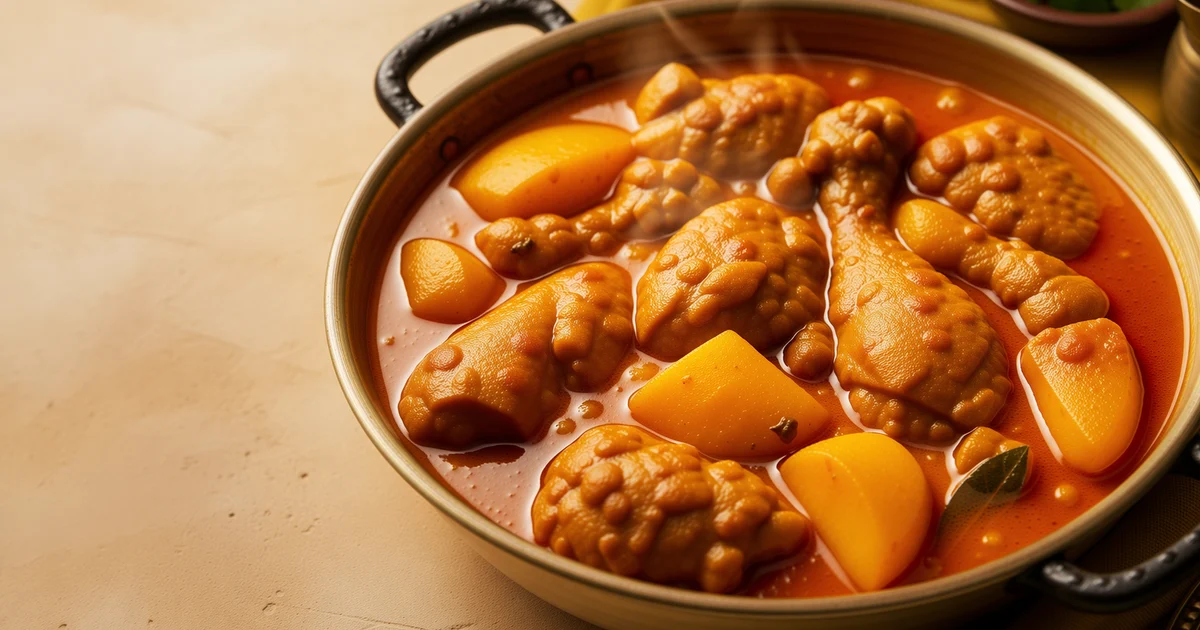
Everyday Chicken Curry
A 40-plate Bangladeshi chicken curry recipe built around reusable base masala, controlled portions and tender chicken for restaurant or food cart service.
- Yield:
- about 40 plates
- Total:
- 2 hr 35 min
- Difficulty:
- Medium
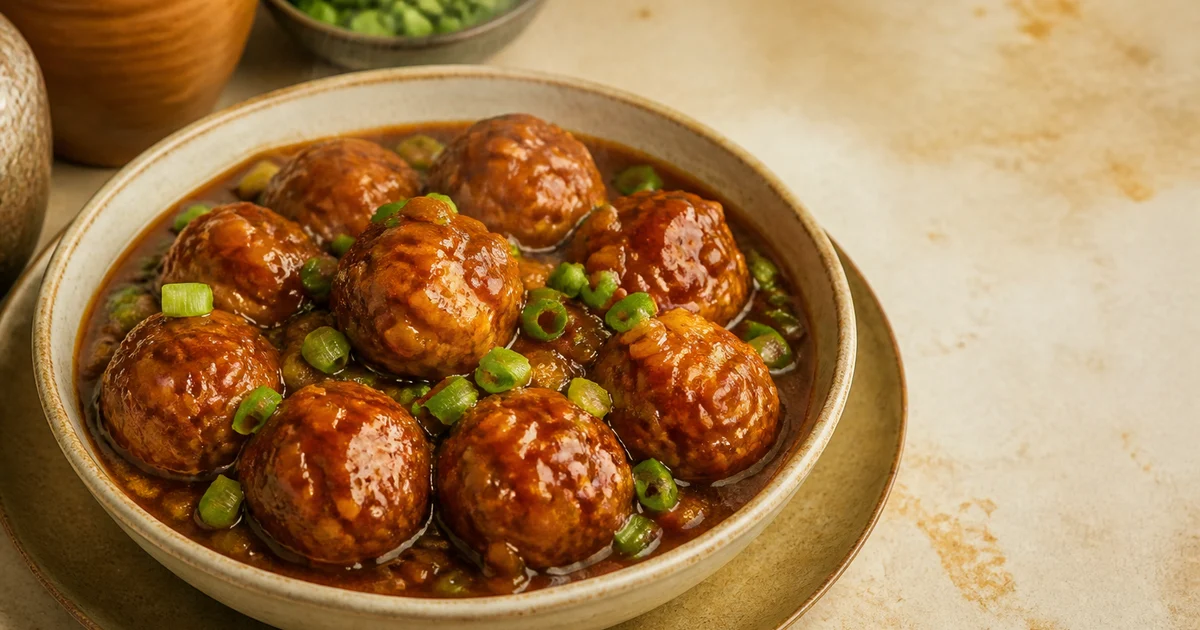
Commercial Chicken Manchurian Recipe
A 40-plate chicken Manchurian recipe with measured balls, a service-ready gravy base, controlled frying and practical holding guidance.
- Yield:
- about 40 plates
- Total:
- 2 hr
- Difficulty:
- Medium
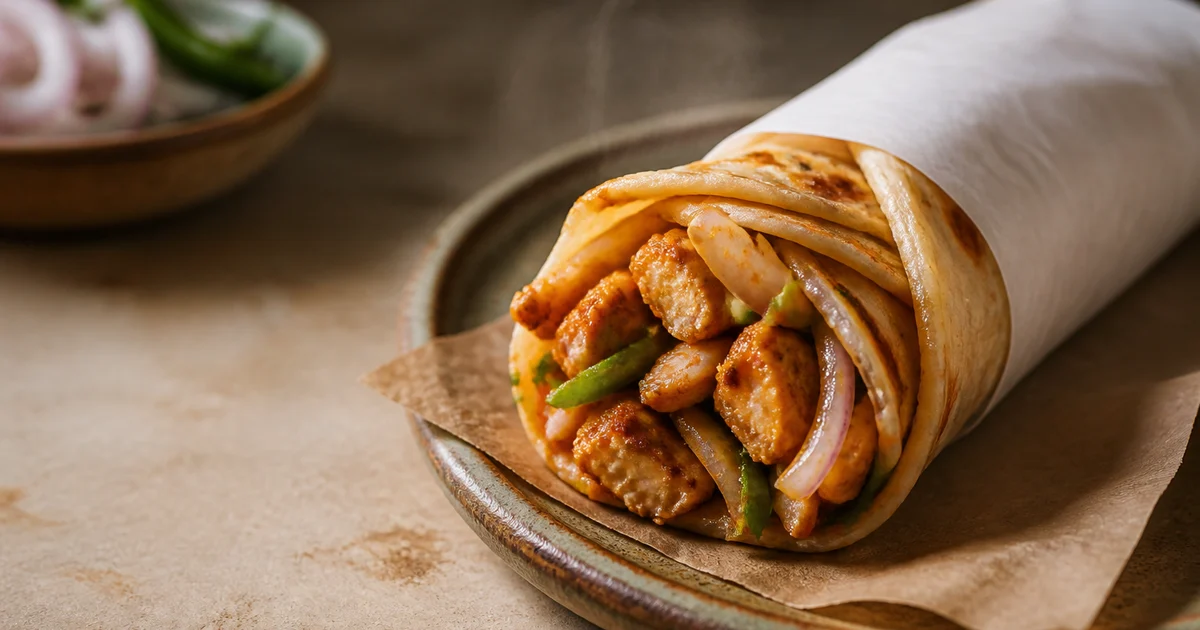
Commercial Bangladeshi Chicken Roll Recipe
A commercial chicken roll recipe producing 40 large rolls with flaky paratha, spiced chicken, egg, fresh vegetables and controlled portions.
- Yield:
- 40 large chicken rolls
- Total:
- 2 hr 30 min
- Difficulty:
- Medium
Run your restaurant on Rosuii
POS, menu, inventory, payroll and more — built for Bangladeshi restaurants.
Start free