
Restaurant Recipes
Commercial Chicken Manchurian Recipe
A 40-plate chicken Manchurian recipe with measured balls, a service-ready gravy base, controlled frying and practical holding guidance.
- Prep
- 45 min
- Cook
- 1 hr 15 min
- Total
- 2 hr
- Yield
- about 40 plates
- Difficulty
- Medium
- Cuisine
- Chinese
Method
- 1
Chill and inspect chicken
Keep the chicken mince between 0°C and 5°C and remove any bone fragments, cartilage or excessive free liquid. Cold mince should look coarse and hold a loose mound rather than flowing across the tray.
- 2
Mix the ball paste
Combine the mince, eggs, ginger paste, garlic paste, black pepper, 75 g salt and 500 g cornflour. Mix for 2 to 3 minutes only, stopping when the mixture becomes lightly tacky and holds together; keep it below 10°C.
- 3
Portion and shape balls
Portion the mixture into 30 g pieces and roll with wet or lightly oiled gloves. Arrange in single layers on lined trays, then refrigerate at 5°C or below for 20 minutes until firm enough to lift cleanly.
- 4
Fry and cool safely
Heat the fryer to 170°C to 175°C and cook loads of no more than 1 kg for 5 to 6 minutes. The balls should be evenly golden and reach at least 74°C internally; drain for 2 minutes, then cool uncovered in shallow trays if not serving immediately.
- 5
Build the aromatic base
Heat 250 ml oil in a wok over high heat, then fry the chopped garlic, ginger and green chilli for 45 to 60 seconds without browning. Add onion and capsicum and stir-fry for 2 minutes until glossy but still crisp at the edges.
- 6
Cook the gravy base
Add soy sauce, ketchup, chilli sauce, vinegar, sugar and chicken stock. Bring to a full boil, then simmer at 90°C to 95°C for 5 minutes until the sauces are completely blended; taste before adding any reserved salt.
- 7
Thicken the gravy lightly
Mix the remaining 500 g cornflour with 750 ml cold water until smooth, stirring again immediately before use. Stream it gradually into the simmering gravy and cook for 2 minutes until glossy and lightly coating a spoon, stopping before the sauce becomes stiff.
- 8
Finish each service order
Place about 180 to 200 ml gravy in a small wok and bring it above 85°C. Add five balls and toss for 60 to 90 seconds, reheating chilled balls until their centres reach at least 74°C and the sauce forms a thin coating.
- 9
Garnish and check yield
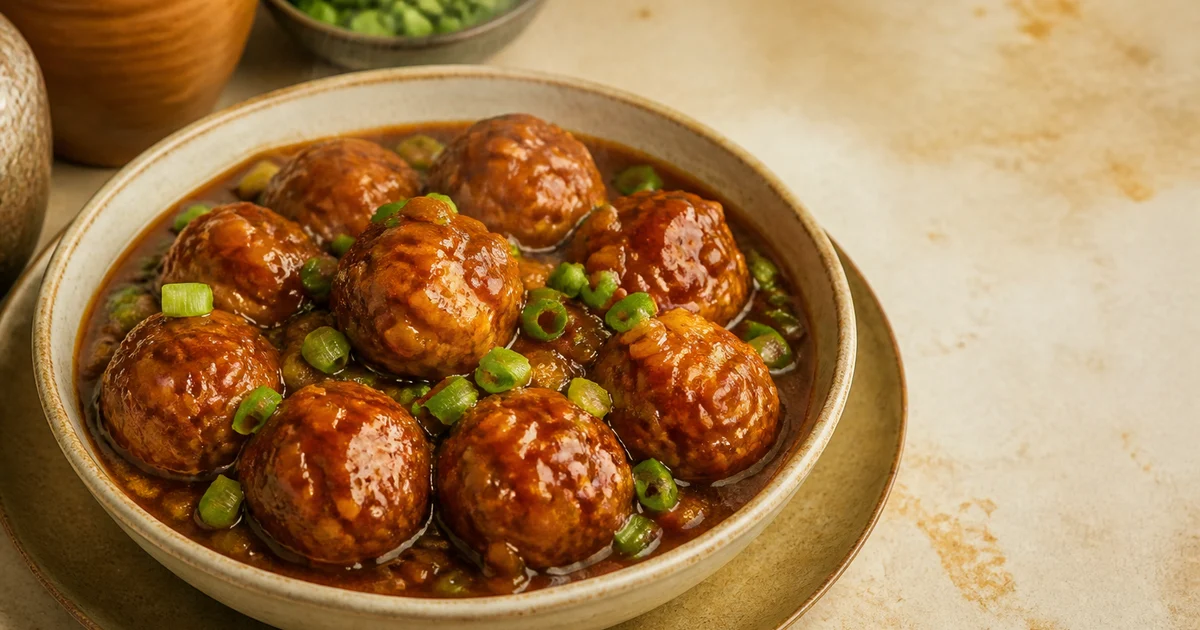
Transfer immediately to the service bowl and finish with a measured portion of sliced spring onion. Record the final ball count and number of plates; the expected visual standard is five intact balls in flowing, glossy gravy.
Notes for your kitchen
This chicken Manchurian recipe produces about 200 chicken balls and 40 controlled restaurant portions. It is designed for Bangladeshi food carts, cafes and restaurant kitchens that need to prepare the balls and gravy base ahead, then finish orders quickly. The finished dish has firm, juicy chicken balls, crisp vegetables and a glossy, savoury gravy that coats without becoming gluey.
Why it works for commercial service
Chicken Manchurian works commercially because its two main components can be prepared separately before service. The balls can be portioned, fried and cooled during preparation hours, while the gravy base can be cooked in a separate batch. During service, a cook only needs to heat one measured portion of gravy, add the correct number of balls and finish with spring onion.
This separation improves ticket speed and prevents a common food-cart problem: balls sitting inside hot gravy until their coating absorbs liquid and turns mushy. It also allows the same base to support different menu formats, such as a standalone main course, a smaller rice combo or a larger sharing portion. Each format should have its own ladle size and ball count rather than relying on the cook's judgement.
Ingredient selection and quality
The quality of the chicken mince matters more than expensive sauces. Use boneless chicken with enough thigh meat to remain juicy after frying. Very lean breast mince can become dry and rubbery, while mince containing excessive skin releases fat and weakens the structure of the balls. Ask the supplier for a consistent specification and inspect every delivery for colour, smell, temperature and visible water release.
Keep the mince at 0°C to 5°C while mixing and shaping. Warm mince becomes sticky, difficult to portion and more likely to produce irregular balls. Coarsely minced chicken gives a firmer bite than chicken processed into a smooth paste. If mincing in-house, use a clean medium plate and avoid repeatedly passing the chicken through the machine.
Where sauce quality matters
Consistent sauce brands matter because salt, sweetness, acidity and thickness vary widely. Dark or heavily salted soy sauce can make the gravy muddy and overpowering. Tomato ketchup supplies body and sweetness, while chilli sauce supplies colour and heat; neither should replace proper aromatics. Use fresh garlic, ginger, green chilli, onion and capsicum for the gravy because stale or pre-cut vegetables quickly lose aroma.
Chicken stock should be clean and moderately seasoned. If using a concentrated commercial stock, standardise its dilution before production and reduce the final salt adjustment. Cornflour must be stored dry and mixed with cold water immediately before use, otherwise the slurry settles and produces uneven thickening.
Technique beyond the basic steps
The best texture comes from cold mixing, exact shaping and controlled frying. Mix only until the mince becomes lightly tacky and can hold its shape. Overmixing develops too much protein, producing a dense, sausage-like centre. The cornflour should bind surface moisture without turning the mixture into a stiff dough.
Use a scale for the first several trays and train staff to recognise the correct 30 g size. A small portion scoop speeds production, but the scoop should still be checked against the scale throughout the batch. Wet or lightly oiled gloves prevent sticking without adding uncontrolled flour.
Fryer temperature must recover between loads. An overloaded fryer can fall below 165°C, causing pale balls that absorb oil and later break in the gravy. Excessively hot oil colours the outside before the centre reaches a safe temperature. Fully cook the balls during production rather than relying on a brief service reheat to cook raw chicken.
Managing the gravy texture
The gravy should be slightly thinner in the holding pan than it appears on the plate. Evaporation during service and starch released from repeated reheating will continue to thicken it. Add cornflour slurry gradually while the liquid is simmering, then boil briefly to remove the raw starch taste. A sauce that stands in stiff peaks is already too thick.
Keep the capsicum and onion lightly crisp. Long boiling makes the vegetables soft, releases water and gives the gravy a reheated appearance. The sauce should coat a spoon in a thin, glossy layer while still flowing easily from a measured ladle.
Scaling the batch correctly
Scale the ingredient weights directly, but scale fryer and wok loads according to equipment capacity. A half batch can be prepared at 50 percent of every listed quantity. For a double batch, do not place twice as much chicken in one mixer, fryer basket or wok unless that equipment is rated for the increased load.
Keep each fryer load below about 1 kg so the oil temperature does not collapse. Prepare a large sauce batch in several wok loads if the burner cannot bring the full volume back to a boil quickly. Combine the completed sauce in a sanitised stockpot and check seasoning only after all loads are mixed.
For repeatable production, record chicken mixture weight, number of balls, fried yield and gravy yield. This creates a practical baseline for recipe costing and reveals whether changing suppliers, scoop sizes or frying practices has altered the usable output.
Holding and reheating for service
Hold the fried balls and gravy separately until an order is fired. For a short service period, the balls may be hot-held above 60°C for up to two hours, but prolonged hot holding dries the chicken. For longer operations, cool them rapidly in shallow trays, refrigerate at 5°C or below and reheat only the quantity expected to sell soon.
Cool cooked products from 60°C to 21°C within two hours and from 21°C to 5°C within a further four hours. Use shallow perforated trays for the balls so steam can escape, and use shallow containers or a blast chiller for the gravy. Do not cover hot balls tightly because trapped condensation softens their exterior.
During service, keep the gravy above 60°C and maintain only a small working quantity in the pan. Bring chilled balls to at least 74°C at the centre during reheating. Toss them in simmering gravy for only 60 to 90 seconds, then serve immediately. Never keep a full shift's balls submerged in gravy, and do not return sauce from the finishing wok to the clean holding pot.
Portioning and yield control
A standard plate is five 30 g raw-weight balls with about 180 to 200 ml of finished gravy. The batch should produce approximately 200 uniform balls, allowing about 40 plates, although supplier moisture and trimming can move the final yield slightly. Count the balls after shaping and again after frying so unexplained shortages are visible before service.
Assign one ladle to the dish and verify its filled volume with water. Staff should level the ladle consistently rather than adding an extra spoonful to make a plate look generous. For rice combos, define the smaller Manchurian allocation as a separate menu variation and document it using the same portion control principles.
Use a standard bowl or plate with enough depth to contain the gravy. Garnish should also be measured, since uncontrolled handfuls of spring onion create avoidable variance and may leave later orders without garnish.
Mistakes that cost money
The most expensive mistakes are oversized balls, weak frying control and holding the balls in gravy. Oversized balls reduce plate yield and may remain undercooked in the centre. Undersized balls overcook quickly and create extra shaping labour. Both problems are prevented by a calibrated scoop and regular scale checks.
- Adding extra cornflour to wet mince: This hides a poor chicken specification but produces heavy balls. Drain excessive free liquid and correct the supplier issue.
- Overloading the fryer: Low oil temperature increases oil uptake, extends cooking time and creates a greasy surface.
- Using old frying oil: Degraded oil darkens the balls before they are properly cooked and gives the gravy a stale flavour.
- Boiling finished vegetables too long: Soft onion and capsicum reduce visual quality and release unwanted water.
- Guessing the slurry: Unmeasured cornflour causes inconsistent yields, scorched pans and gravy that thickens further during delivery.
- Combining everything before the rush: This saves a few minutes initially but creates mushy balls and unsellable leftovers.
Keeping food cost stable
Stable cost comes from controlling chicken yield, frying-oil uptake and portions rather than buying the cheapest sauce. Track the received and usable weight of chicken, especially when buying whole boneless pieces for in-house mincing. Filter fryer oil after service, remove loose crumbs before they burn and replace oil according to condition rather than topping up damaged oil indefinitely.
Issue sauce ingredients and chicken against a planned production quantity. Rosuii can record a production batch that converts stocked raw materials into finished goods, while wastage and sales reports help operators compare expected output with actual sales. Review the dish's food cost percentage whenever the chicken specification, supplier pack size, portion format or oil usage changes.
What drives the cost
Boneless chicken is the main cost driver, with its price and usable yield affected by the thigh-to-breast ratio, trimming and supplier moisture. Frying oil is the next sensitive cost because low temperatures, crumbs and poor filtration increase absorption and shorten oil life.
Ingredient rates move with the market, so this describes what drives the cost rather than quoting a figure.
Questions from kitchens
Can this chicken Manchurian recipe be doubled?
How long can the fried balls be held for service?
Can chicken breast replace thigh meat?
What is the refrigerated shelf life?
Why did the batch produce fewer than 40 plates?
Related recipes
Beef Chilli Onion
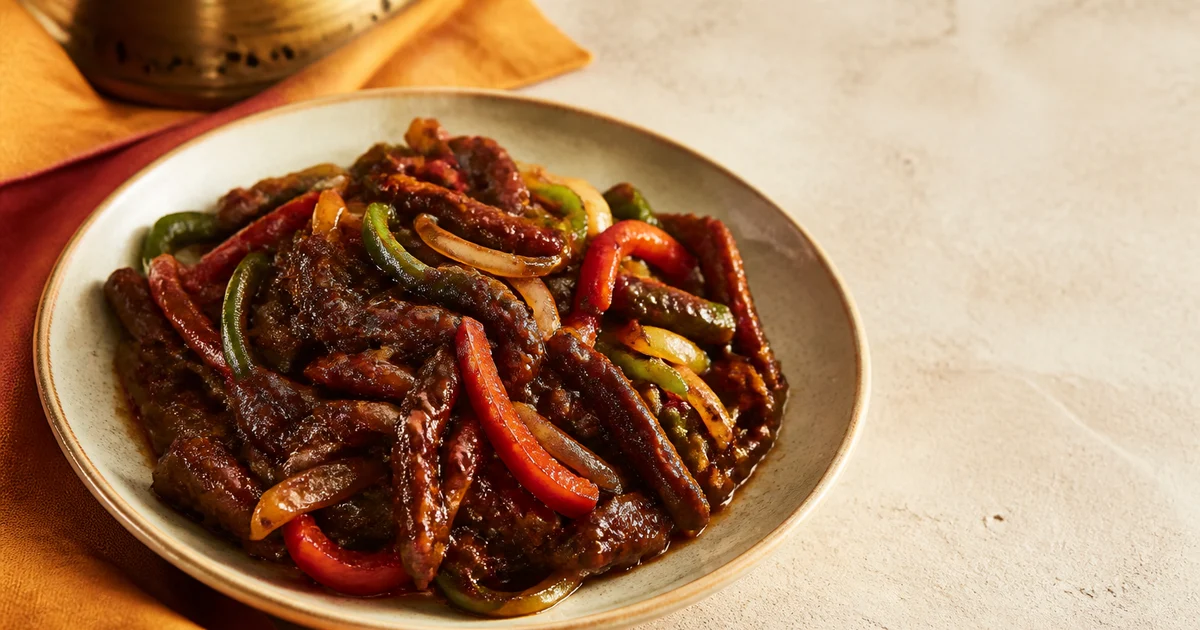
A commercial beef chilli onion recipe for 40 plates, covering tender beef slicing, velveting, fast wok finishing, portion control and safe service holding.
- Yield:
- about 40 plates
- Total:
- 1 hr 45 min
- Difficulty:
- Medium
Commercial Chicken Chowmein Recipe
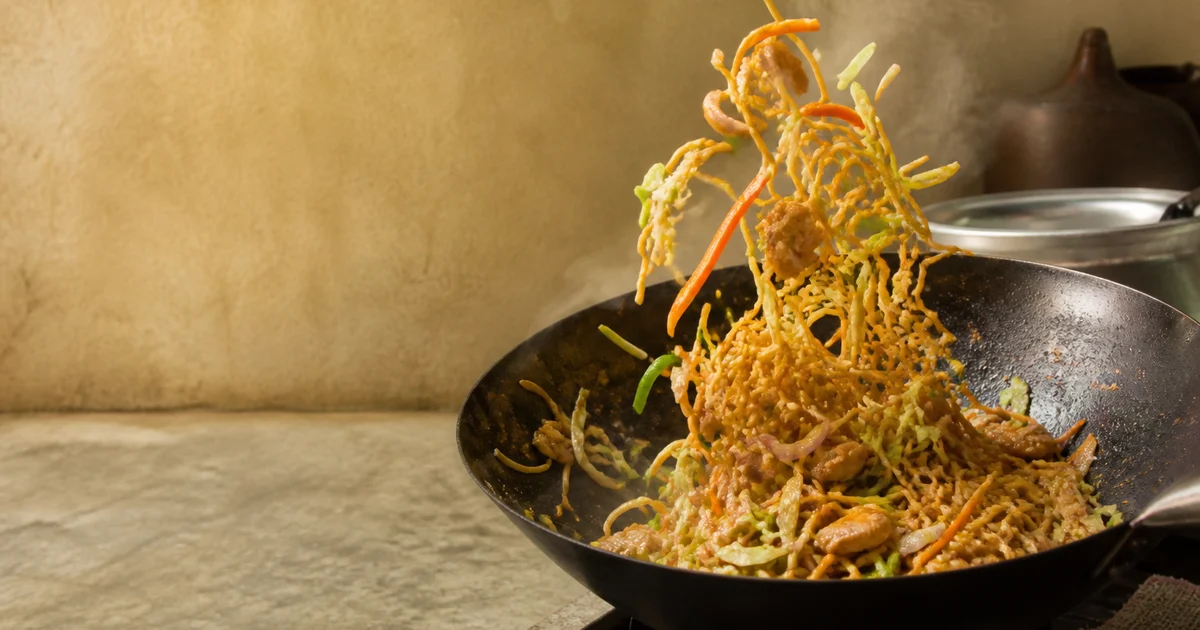
A 40-plate chicken chowmein recipe designed for fast counter service, with par-boiled noodles, measured bulk sauce and strict wok batch limits.
- Yield:
- about 40 plates
- Total:
- 2 hr 15 min
- Difficulty:
- Medium
Commercial Chicken Momo Recipe
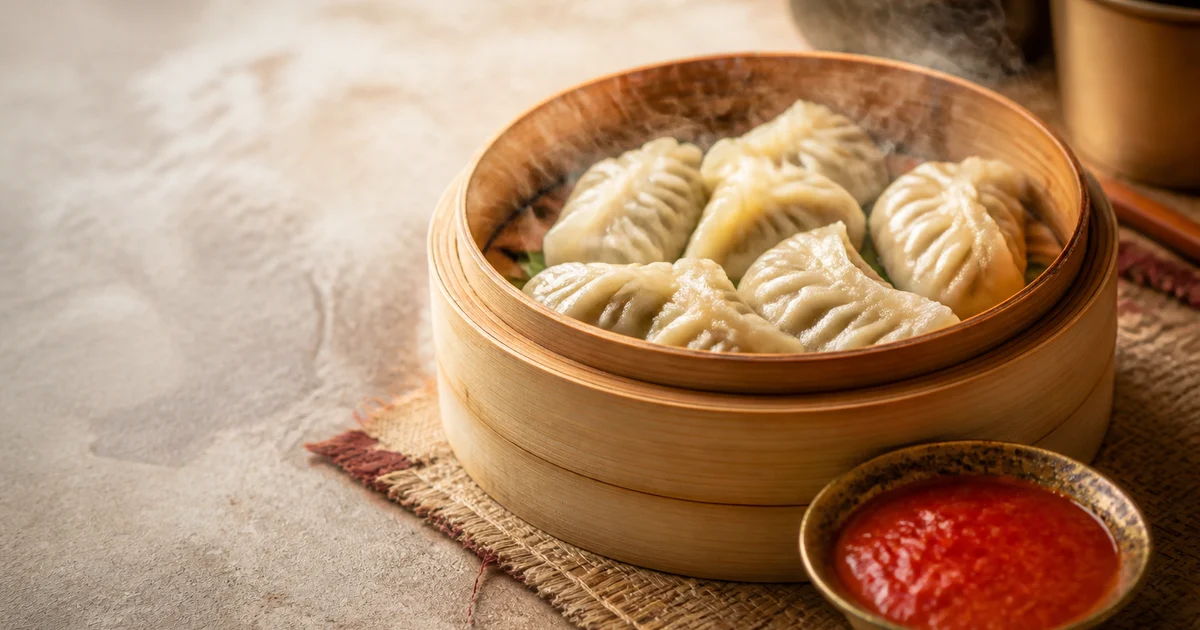
A commercial chicken momo recipe yielding about 200 pieces, with measured wrappers, juicy filling, fast folding, batch steaming, freezing and chutney control.
- Yield:
- about 40 plates
- Total:
- 3 hr 30 min
- Difficulty:
- Medium
Run your restaurant on Rosuii
POS, menu, inventory, payroll and more — built for Bangladeshi restaurants.
Start free