
Restaurant Recipes
Commercial Chicken Chowmein Recipe
A 40-plate chicken chowmein recipe designed for fast counter service, with par-boiled noodles, measured bulk sauce and strict wok batch limits.
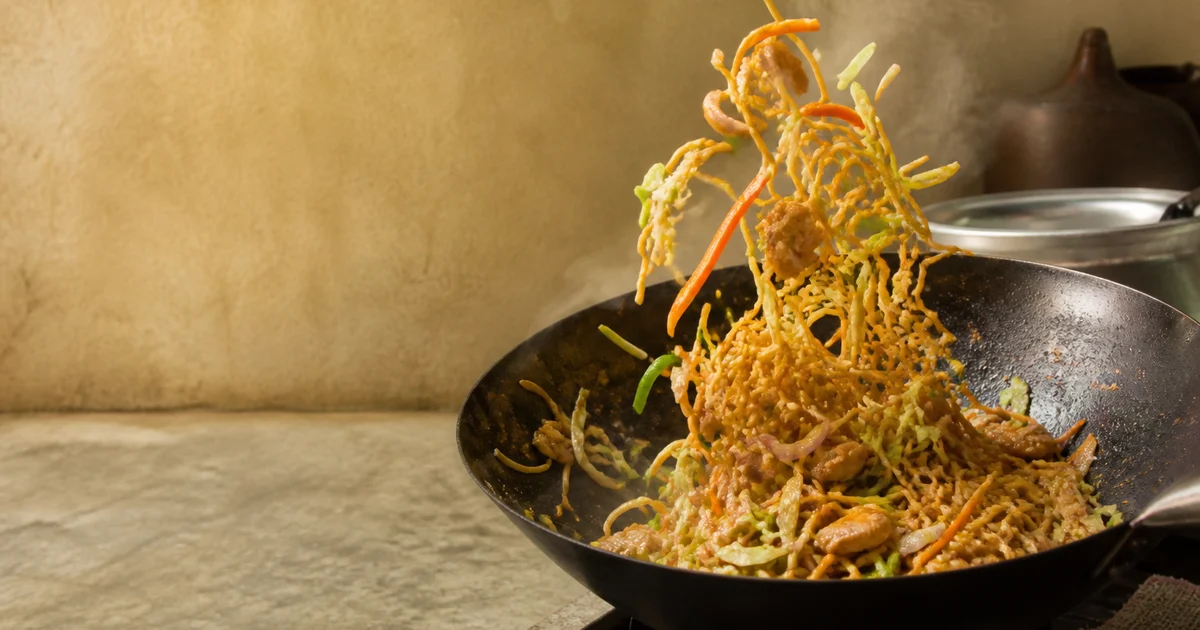
- Prep
- 1 hr
- Cook
- 1 hr 15 min
- Total
- 2 hr 15 min
- Yield
- about 40 plates
- Difficulty
- Medium
- Cuisine
- Chinese
Method
- 1
Par-boil the noodles
Bring two large batches of salted water to 95 to 100°C and cook 2 kg noodles at a time for about 2 to 3 minutes, or until flexible with a firm centre. Stop at roughly 65 to 70 percent doneness because the noodles will cook again in the wok. Follow the visual cue rather than forcing one timing on every noodle brand.
- 2
Cool and oil noodles
Drain immediately, rinse briefly with clean cold water and leave in the colander until surface water stops dripping. Toss with 250 ml soybean oil while separating the strands, then spread no deeper than 5 cm in shallow trays. Cool from 60°C to 21°C within 2 hours and to 5°C or below within a further 4 hours.
- 3
Marinate chicken strips
Combine the chicken with 150 ml light soy sauce, cornflour, 100 g ginger paste, 100 g garlic paste, 20 g white pepper and 100 ml oil. Mix until every strip has a thin coating, then refrigerate at 5°C or below for 20 to 30 minutes. The coating should look moist but should not leave a pool of marinade.
- 4
Mix the bulk sauce
Whisk the remaining 400 ml light soy sauce with oyster sauce, dark soy sauce, vinegar, sugar, water and the remaining 20 g white pepper. Continue until the sugar is dissolved and the colour is even, then refrigerate at 5°C or below. The batch should produce roughly 2.1 litres, allowing about 100 to 105 ml for every two plates.
- 5
Cook chicken in batches
Heat the wok until faintly smoking, add part of the reserved oil and cook no more than 500 g chicken per batch. Stir-fry for 2.5 to 3 minutes until lightly browned and the thickest strips reach 75°C. Transfer immediately to shallow pans instead of leaving the chicken piled beside the burner.
- 6
Set the service station
Divide the cold noodles into approximately 40 equal portions and prepare 40 vegetable portions using the onion, carrot, cabbage and capsicum. Keep spring onion, cooked chicken, sauce, aromatics and measured oil within easy reach. Stir the sauce before filling the service ladle or squeeze bottle.
- 7
Start each wok batch
Preheat a clean 40 to 45 cm wok over high heat until faintly smoking, then add about 10 ml oil for a two-plate batch. Add 5 g each of the remaining ginger and garlic pastes, followed by about 270 g mixed vegetables and the spring onion whites. Stir-fry for 60 to 90 seconds until the vegetables brighten but remain crisp.
- 8
Add prepared noodles
Add two noodle portions, approximately 360 to 400 g cooked weight in total, without packing them tightly into the wok. Toss over high heat for about 60 seconds until the strands loosen and steam begins to rise. If the wok stops sizzling and liquid gathers at the base, reduce the next batch size.
- 9
Sauce and finish batch
Add 100 to 105 ml bulk sauce and 110 to 120 g cooked chicken for the two plates. Toss for 60 to 90 seconds until the sauce coats the noodles, no liquid pools in the wok and the full batch reaches at least 74°C. Add spring onion greens during the final 15 seconds.
- 10
Portion without delay
Divide the finished batch immediately between two plates using the kitchen's standard finished weight. The noodles should be separate and glossy, with chicken and vegetables visible across both portions. Serve at once, or hold above 60°C for no longer than 20 minutes when immediate service is impossible.
Notes for your kitchen
This chicken chowmein recipe produces about 40 consistent main-course plates for a Bangladeshi restaurant, cafe or food cart. The system separates advance preparation from final wok cooking, allowing each order to leave the counter in roughly 2 to 3 minutes. Noodles, chicken, vegetables and sauce are controlled as separate production components, so the kitchen can measure yield and prevent oversized portions.
Why chicken chowmein suits commercial service
Chicken chowmein works commercially because most labour can be completed before the counter becomes busy. Noodles can be par-boiled and oiled, chicken can be marinated and cooked in controlled batches, vegetables can be weighed into service packs, and the sauce can be mixed in one container. During service, the cook only needs to heat the wok, fry one measured batch and plate it.
The dish also accepts useful menu variations without changing the core production system. Extra chicken, egg, more vegetables or a spicy finish can be sold as controlled variations, while the same noodle and sauce bases remain in use. Keep add-ons separately portioned so they do not slow the wok cook or distort the standard plate cost.
Where ingredient quality matters
Noodle strength, chicken condition and sauce balance matter more than expensive garnish. Use commercial alkaline wheat chowmein noodles that remain firm after par-boiling and reheating. Avoid instant noodles because they soften too quickly, absorb excess oil and break during high-volume tossing.
Boneless chicken thigh is usually more forgiving than breast during advance cooking and reheating. Breast can be used, but strips must be cut evenly across the grain and removed as soon as they reach 75°C internally. Buy chicken against a written trim specification because excess skin, fat, ice glaze or uneven pieces reduce the usable yield.
Use a dependable light soy sauce for salt and savoury flavour, with dark soy used mainly for colour. A strongly coloured dark soy sauce should not be used to replace light soy because the noodles may become black before they are properly seasoned. Cabbage and carrot carry the vegetable volume well, while capsicum and spring onion provide aroma and colour. Vegetables should be dry after washing because surface water cools the wok and creates a boiled finish.
Par-boiling and oiling noodles
Correct par-boiling is the main protection against sticky, broken chowmein during service. Cook the noodles only until flexible with a firm centre, normally about 65 to 70 percent cooked. Package timings vary, so test one strand rather than relying only on the printed time.
Use plenty of rapidly boiling water and process manageable loads. A crowded pot loses temperature, releases excess starch and gives uneven cooking. After draining, stop the cooking with clean cold water, drain thoroughly and toss with a measured amount of oil. Excess oil does not repair overcooked noodles and will make the finished plate greasy.
Spread the noodles in shallow trays instead of leaving them in a deep bucket. Separate clumps while they are still warm, then cool quickly. Once cold, weigh the noodles into service portions or mark the tray by portion count. Never mix fresh hot noodles into an older cold batch because the trapped heat encourages softening and creates a food-safety risk.
Bulk sauce and wok technique
A measured bulk sauce gives faster service and more consistent seasoning than adding bottles separately at the wok. Mix the sauce until the sugar dissolves, label the container with its production date and stir it regularly because pepper and dissolved solids settle. Use a measured ladle or squeeze bottle that delivers a known quantity for each two-plate batch.
A 40 to 45 cm wok on a strong commercial burner should normally carry only two main-course portions at a time. A larger high-output wok may handle three after testing, but doubling every ingredient in one wok usually lowers the temperature and causes steaming. The wok should be visibly hot, with a faint smoke from the oil, before vegetables enter.
Cook firm vegetables briefly so they retain colour and bite, then add the prepared noodles. Tossing should lift and turn the food rather than crush it against the wok. Sauce and cooked chicken go in near the end because prolonged cooking dries the meat and causes the noodles to absorb too much liquid. The finished batch should be glossy, separate and steaming, with no pool of sauce at the bottom.
Scaling the batch correctly
Scale production quantities by plate count, but do not scale the wok load beyond its tested limit. For 20 plates, halve every production quantity while retaining two-plate wok batches. For 80 plates, double the prep production but keep firing the same two-plate batches, using a second wok station if the required ticket speed is higher.
Water absorption differs among noodle brands, so run a small yield test before changing suppliers. Record the dry noodle weight, drained cooked weight and number of standard portions. Sauce may need a small adjustment after a noodle change, but it should be tested on two plates rather than altered across the full container without a trial.
Holding and reheating for service
Hold the components separately and combine them only when an order is fired. Keep chilled noodles and cooked chicken at 5°C or below, or hold freshly cooked chicken above 60°C for no more than the planned service period. Cold components should be reheated in the wok until the complete batch reaches at least 74°C.
For quality, use refrigerated par-boiled noodles within 24 hours. Store them in shallow covered food-grade containers only after they are fully cold. The sauce without raw meat can be refrigerated for up to 3 days, while cooked chicken is best produced daily. Do not repeatedly warm and cool the same chicken or finished chowmein.
Finished chowmein loses quality quickly because the noodles continue absorbing sauce. If temporary hot holding is unavoidable, keep it above 60°C and sell it within 20 minutes for acceptable texture. Do not mix an unsold old batch into a fresh wok batch.
Portioning and yield control
Fixed component weights are the simplest way to keep all 40 plates consistent. After the first production test, set a cooked noodle weight, cooked chicken weight, vegetable weight and sauce volume for each plate. The expected finished serving is approximately 360 to 400 g, but the kitchen should confirm the exact weight from its chosen noodle brand and target plate size.
Use a digital scale during preparation and calibrated scoops during service. Daily opening and closing counts should compare produced noodle portions, chicken portions and plates sold. A practical portion control system prevents the last orders from running short and supports accurate recipe costing. Rosuii productions can be used to record the conversion of raw materials into prepared noodle, chicken and sauce components.
Mistakes that cost money
Overcooking noodles, overcrowding the wok and pouring sauce by eye are the most expensive recurring mistakes. Soft noodles create rejected plates and cannot be restored. An overloaded wok increases cooking time, uses more gas and releases water from the vegetables, while uncontrolled sauce creates inconsistent flavour and excessive usage.
- Deep storage of warm noodles: Trapped steam continues cooking the centre and encourages clumping.
- Wet vegetables: Wash early, drain completely and keep them chilled in perforated containers.
- Uneven chicken strips: Small pieces dry out while thick pieces remain unsafe or slow down service.
- Unmeasured oil: Extra oil raises usage without improving a correctly par-boiled noodle.
- Oversized prep: Producing more than one day of noodles increases breakage, spoilage and carry-over stock.
- No yield check: Supplier changes can alter chicken trim loss and noodle water absorption without an obvious change in purchase weight.
Keeping the dish cost stable
Stable cost comes from controlling chicken yield, noodle portions, oil and add-ons rather than reducing vegetable quality blindly. Compare suppliers by usable chicken after trimming, not only by purchased weight. Standardise the ladle, noodle portion and meat portion, then review item sales against production and waste records.
Buy cabbage and carrot to a usable specification and rotate stock before cutting fresh cases. Record burnt chicken, dropped portions, spoiled noodles and returned plates instead of hiding them inside normal consumption. Reviewing food cost percentage alongside actual wastage will show whether the problem is purchasing, preparation yield or service portioning.
What drives the cost
Boneless chicken is usually the largest cost driver, followed by noodles, sauces and cooking oil. Chicken trim loss, noodle brand and water absorption, oil control, capsicum seasonality and uncontrolled add-ons cause the cost per plate to move.
Ingredient rates move with the market, so this describes what drives the cost rather than quoting a figure.
Questions from kitchens
Can this chicken chowmein recipe be doubled to 80 plates?
How long can par-boiled noodles be stored?
Can chicken breast replace chicken thigh?
Why does the stated yield sometimes change?
Can finished chowmein be reheated for a later service?
Related recipes
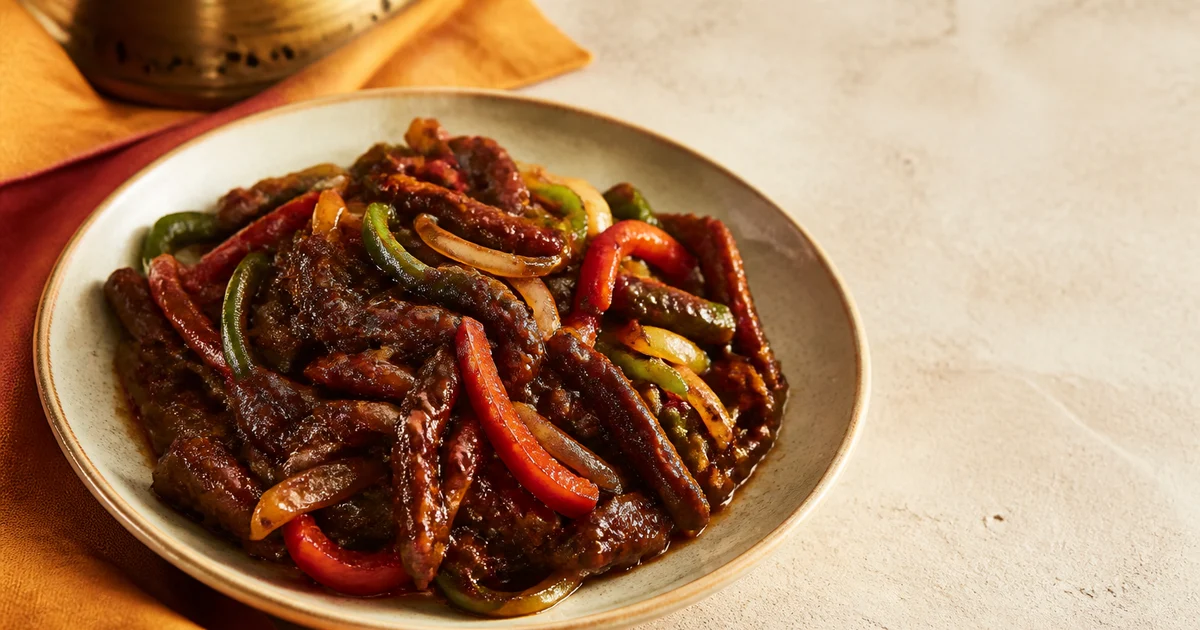
Beef Chilli Onion
A commercial beef chilli onion recipe for 40 plates, covering tender beef slicing, velveting, fast wok finishing, portion control and safe service holding.
- Yield:
- about 40 plates
- Total:
- 1 hr 45 min
- Difficulty:
- Medium
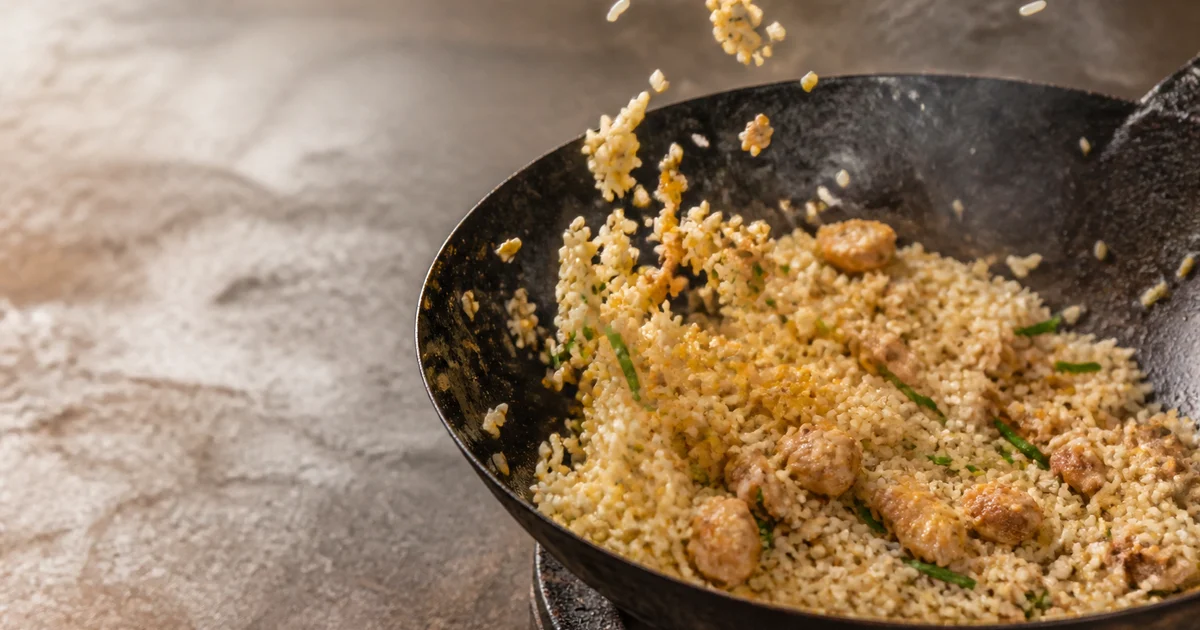
Commercial Chicken Fried Rice Recipe
A commercial chicken fried rice recipe for about 40 plates, with controlled wok batches, safe pre-cooked chicken, day-old rice and fixed portions.
- Yield:
- about 40 plates
- Total:
- 1 hr 15 min
- Difficulty:
- Medium
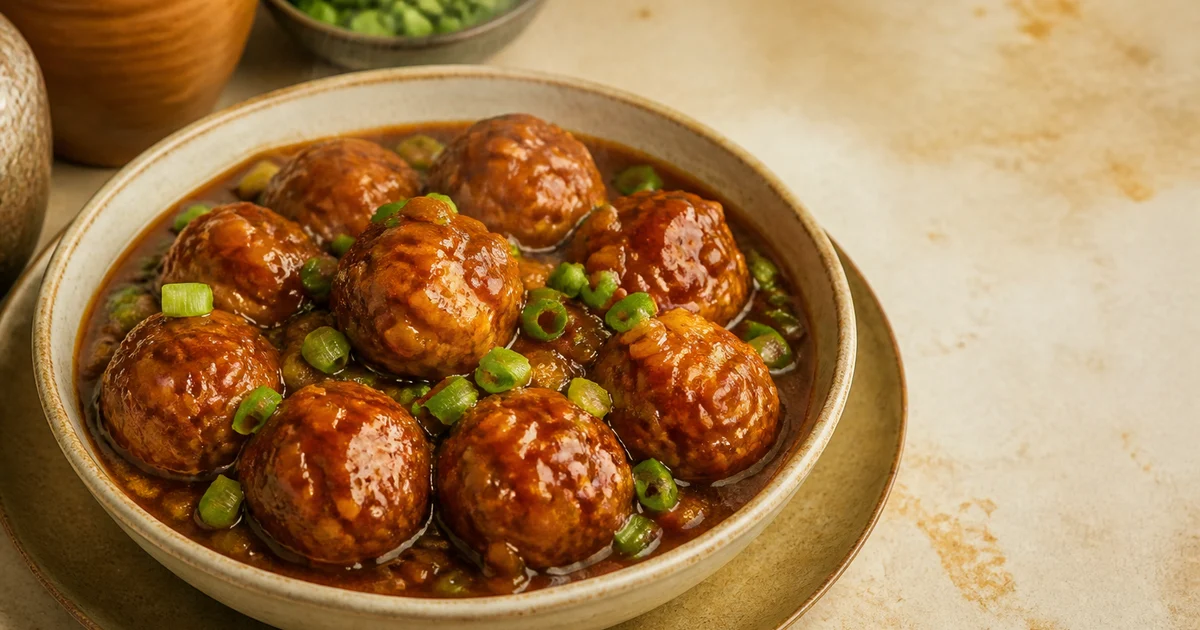
Commercial Chicken Manchurian Recipe
A 40-plate chicken Manchurian recipe with measured balls, a service-ready gravy base, controlled frying and practical holding guidance.
- Yield:
- about 40 plates
- Total:
- 2 hr
- Difficulty:
- Medium
Run your restaurant on Rosuii
POS, menu, inventory, payroll and more — built for Bangladeshi restaurants.
Start free