
Restaurant Recipes
Commercial Chicken Fried Rice Recipe
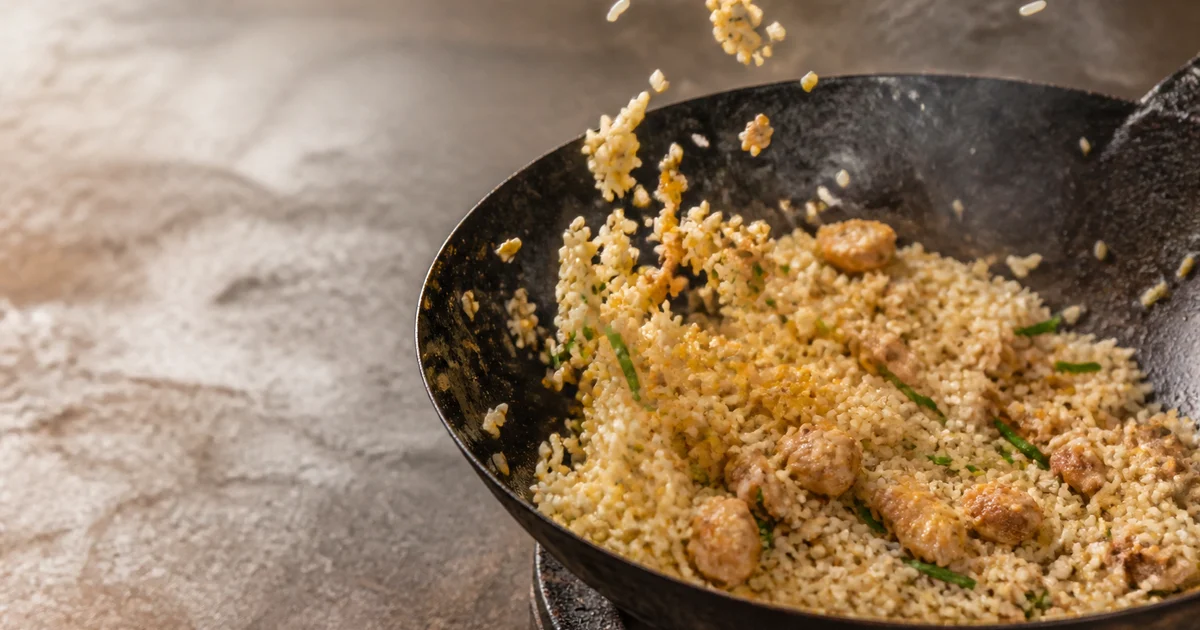
A commercial chicken fried rice recipe for about 40 plates, with controlled wok batches, safe pre-cooked chicken, day-old rice and fixed portions.
- Prep
- 30 min
- Cook
- 45 min
- Total
- 1 hr 15 min
- Yield
- about 40 plates
- Difficulty
- Medium
- Cuisine
- Chinese
Method
- 1
Prepare the cold rice
Keep the cooked rice at 5°C or below until preparation. Break clumps gently with gloved hands or a rice paddle without crushing the grains. The rice should feel cold, firm and dry on the surface.
- 2
Season the chicken strips
Mix the chicken with 80 ml light soy sauce, cornflour, 8 g white pepper and 15 g salt. Rest under refrigeration at 5°C or below for 15 minutes. The coating should be thin and even, not wet or pasty.
- 3
Pre-cook chicken safely
Heat 200 ml soybean oil in the wok over high heat and cook the chicken in three or four loads for 4 to 5 minutes each. Stir continuously until the strips are lightly coloured and reach 74°C internally. Hold above 60°C for immediate use, or cool rapidly in shallow trays and refrigerate at 5°C or below.
- 4
Measure six wok sets
Divide the chicken, vegetables, rice and remaining seasonings into six equal sets. Each set should contain about 1.67 kg cooked rice and one-sixth of the remaining ingredients. Keep chilled components at 5°C or below until their wok load is called.
- 5
Scramble the eggs
Heat the wok to approximately 190 to 200°C and add 120 ml oil across three egg loads. Scramble for 45 to 60 seconds per load until just set but still moist. Remove immediately so the egg does not become rubbery during the final fry.
- 6
Fry aromatics and vegetables
Preheat the cleaned wok above 200°C until it gives a faint smoke, then add one-sixth of the remaining oil. Fry one portion of garlic and spring onion whites for 15 seconds. Add one portion of carrot and beans, then toss for 60 to 90 seconds until bright and hot but still firm.
- 7
Fry each rice load
Add one measured rice portion and toss over high heat for 2 to 3 minutes. Press only stubborn clumps against the wok, keeping most grains loose. The rice should steam lightly at first and then make a dry rattling sound.
- 8
Season and combine
Add one portion of the remaining light soy, dark soy, oyster sauce, sugar, salt, white pepper and optional MSG around the hot wok surface. Toss for 60 seconds, then add the matching chicken and egg portions. Continue frying for 1 to 2 minutes until evenly coloured and the centre reaches 74°C.
- 9
Finish and portion
Add one portion of spring onion greens and sesame oil, then toss for 20 to 30 seconds. Transfer immediately to a hot-holding pan maintained above 60°C or portion at once. Check full plates at approximately 375 g and record the actual finished yield.
Notes for your kitchen
This chicken fried rice recipe produces about 40 full plates for restaurant or food cart service. It uses 10 kg of properly chilled cooked rice and chicken that is safely pre-cooked before the final wok stage. The batch should be divided across several wok loads rather than cooked as one oversized load.
Why the dish suits commercial service
Chicken fried rice works commercially because most preparation can be completed before the order rush. Rice, chicken, vegetables, eggs and measured sauce can be held ready, allowing each wok load to finish quickly. It can be sold as a main course, packed for takeaway or used as the rice component of a chilli chicken combo.
The system also uses labour efficiently. One cook can prepare the rice and chicken during production time, while the service cook concentrates on heat, tossing and portioning. The dish becomes unreliable only when staff estimate ingredients by eye or overload the wok.
Ingredient quality and selection
Rice condition matters more than using an expensive rice variety. Choose a firm, non-sticky long-grain rice that remains separate after cooking. The rice must be rapidly cooled, covered and refrigerated at 5°C or below; rice left overnight at room temperature is unsafe and unsuitable.
Boneless chicken thigh is generally more forgiving than breast because it remains moist during pre-cooking and reheating. Use evenly trimmed strips so every piece reaches the required temperature at the same time. Chicken breast can be used, but thin pieces become dry if held too long or fried repeatedly.
Light soy sauce supplies most of the salt and savoury flavour, while dark soy is mainly for colour. Use dark soy carefully because excess makes the rice bitter-looking and hides the vegetables. Frozen diced vegetables can replace fresh vegetables, but they must be thawed and drained so released water does not steam the rice.
Technique beyond the basic method
Successful fried rice depends on low surface moisture, high wok heat and short contact time. Cold rice should feel firm and separate when pressed between gloved fingers. Break large clumps before service, but do not crush the grains into a paste.
For restaurant service, the chicken described as par-cooked must actually reach 74°C at its thickest point before it is stored. Do not hold partially raw chicken for later finishing. If it will not be used immediately, spread it in shallow trays, cool it quickly and refrigerate it at 5°C or below.
Preheat the wok until a faint smoke appears before adding oil. Aromatics and vegetables should sizzle immediately, and rice should make a dry rattling sound as it is tossed. Add liquid seasoning around the hot side of the wok instead of pouring it into one wet spot in the centre.
Respect the wok batch limit
A standard commercial wok should receive no more than 1.5 to 2 kg of cooked rice per load. For this recipe, six wok loads are practical. A larger load traps steam, lowers the metal temperature and produces pale, oily rice even when the burner is powerful.
Divide chicken, egg, vegetables and sauce into six equal sets before service. This prevents the early loads from receiving too much chicken and the final loads from becoming mostly rice.
Scaling the batch correctly
Scale this recipe from the weight of cooked rice, not from an assumed raw-rice yield. Different rice brands absorb different amounts of water, so record the actual cooked yield of the rice used by the kitchen. For a half batch, halve every ingredient and run three wok loads rather than making larger loads.
For double production, prepare twice the ingredient quantities but continue using the same amount per wok load. Do not double sauce in a single wok because the extra liquid will boil instead of coating the grains. Prepare measured sauce cups or bottles for each load to maintain colour and salt level.
Holding and reheating for service
Finished fried rice should be held above 60°C and sold within two hours for the best texture. Use shallow hotel pans and avoid packing the rice deeply, because trapped steam softens the grains. Stir gently at intervals and keep the lid slightly vented if the equipment allows it without dropping the holding temperature.
For cook-to-order service, keep chilled rice and pre-cooked chicken at 5°C or below and fry only the amount needed. Reheat chicken and rice together until the centre reaches 74°C. Reheat once only, and never mix an old held batch into a newly cooked batch.
Cooked rice intended for the next day should cool from 60°C to 21°C within two hours and from 21°C to 5°C within a further four hours. Use shallow trays, label the production time and use the chilled rice within 24 hours.
Portioning and combo plate yield
A fixed serving utensil and a weighing check are essential for protecting the stated yield. Standardise a full fried rice plate at approximately 375 g, then weigh every fifth plate during the first service period. The finished batch should provide about 40 plates, allowing for normal wok and tray residue.
For a chilli chicken combo, a practical starting specification is 250 g of fried rice with a separately controlled portion of chilli chicken and sauce. That can produce more rice components than the full-plate yield, but the exact number must come from the finished batch weight. Follow a written portion control standard so extra rice is not used to hide an undersized chilli chicken portion.
Combo economics depend heavily on the chilli chicken portion because chicken, capsicum and sauce usually cost more per serving than fried rice. Price and review the complete plate rather than judging the rice and chilli chicken separately.
Keeping food cost stable
Stable food cost comes from measured chicken, oil, sauces and finished portions. Use a documented recipe costing sheet and update it when the chicken specification, rice brand or supplier pack size changes. Oil and sauce poured directly from bulk containers are common sources of silent overuse.
Record cooked-rice yield, trimmed chicken yield, unsold holding waste and staff meals separately. Rosuii can record rice and pre-cooked chicken through productions, while wastage and item-sales reports can help compare prepared quantity with actual sales. Review food cost percentage for the full plate and the chilli chicken combo as separate menu items.
Mistakes that waste money
The most expensive mistake is overloading the wok and then adding more oil to compensate. The rice becomes greasy without gaining fried flavour, service slows down and portions become heavier. Reduce the wok load instead of increasing oil or cooking time.
- Using warm, wet rice causes clumps and increases wok time.
- Holding partially cooked chicken creates a food-safety risk; pre-cook it fully to 74°C.
- Cutting chicken unevenly causes small pieces to dry out while thick pieces remain undercooked.
- Pouring unmeasured soy sauce changes colour, salt level and yield between cooks.
- Keeping fried rice hot for an entire shift damages texture and creates avoidable waste.
- Serving with an unrestricted spoon can remove several portions from every batch.
What drives the cost
Boneless chicken is normally the largest variable cost, followed by rice, eggs, cooking oil and branded sauces. Cost moves with chicken trimming yield, rice absorption, supplier pack sizes and uncontrolled oil or sauce use. The chilli chicken portion usually dominates the cost of a combo plate, so both components require separate portion standards.
Ingredient rates move with the market, so this describes what drives the cost rather than quoting a figure.
Questions from kitchens
Can this chicken fried rice recipe be doubled in one wok?
How long can finished fried rice be hot-held?
Can chicken breast replace chicken thigh?
How long can the chilled rice and pre-cooked chicken be stored?
How should yield change for a chilli chicken combo?
Related recipes
Beef Chilli Onion
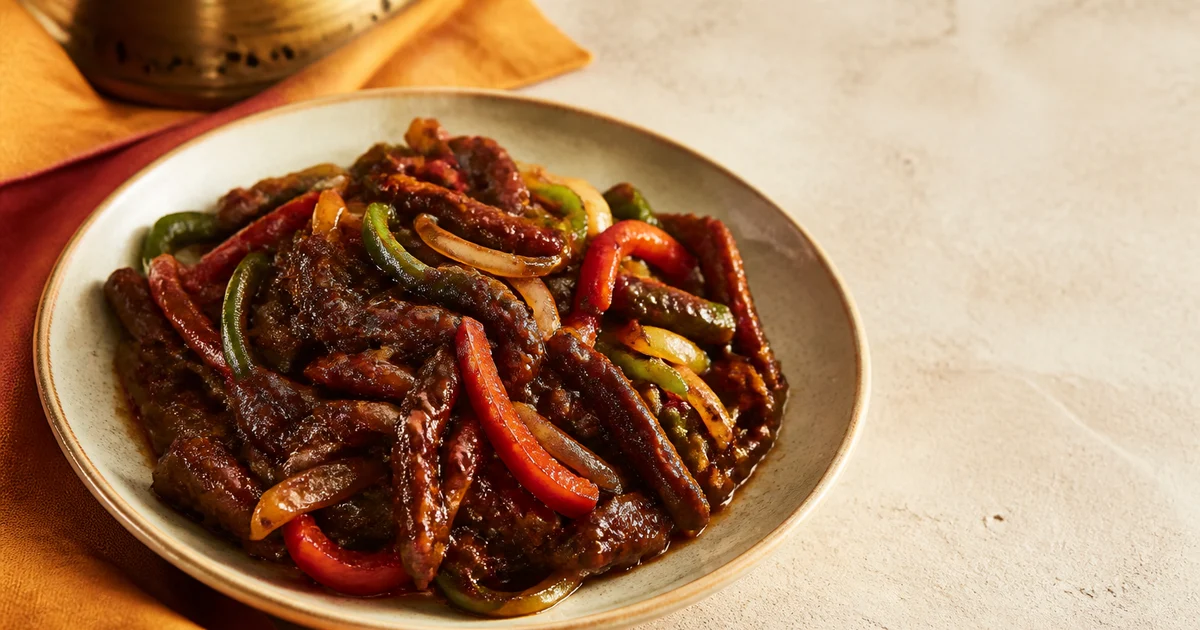
A commercial beef chilli onion recipe for 40 plates, covering tender beef slicing, velveting, fast wok finishing, portion control and safe service holding.
- Yield:
- about 40 plates
- Total:
- 1 hr 45 min
- Difficulty:
- Medium
Commercial Chicken Chowmein Recipe
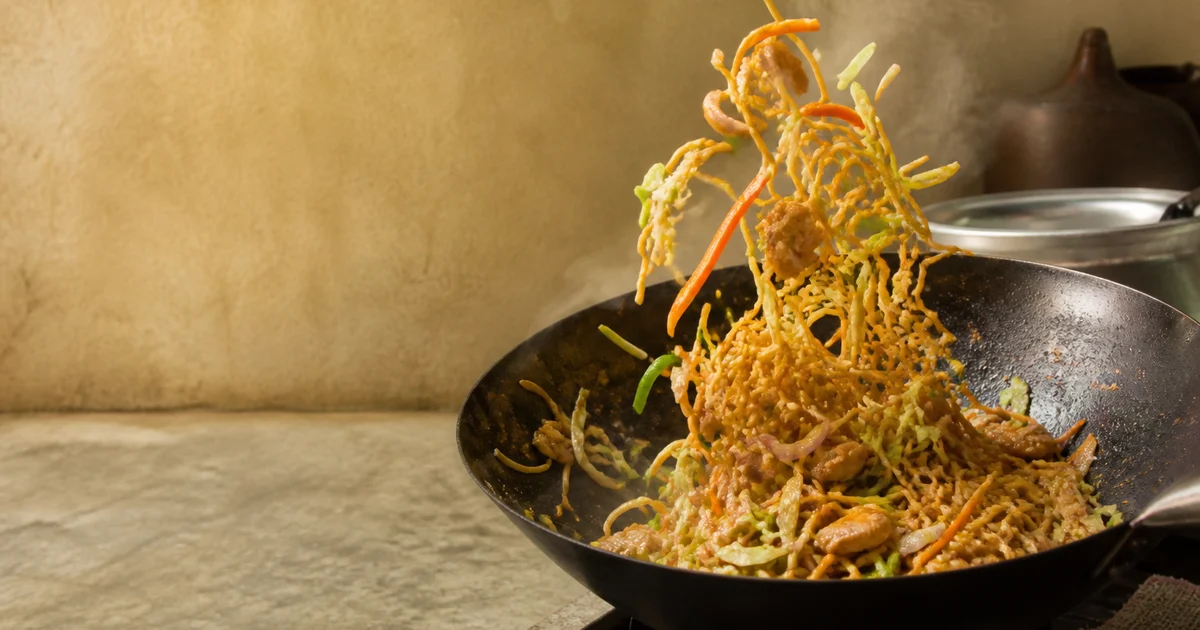
A 40-plate chicken chowmein recipe designed for fast counter service, with par-boiled noodles, measured bulk sauce and strict wok batch limits.
- Yield:
- about 40 plates
- Total:
- 2 hr 15 min
- Difficulty:
- Medium
Restaurant Chicken Soup Recipe for 40 Portions
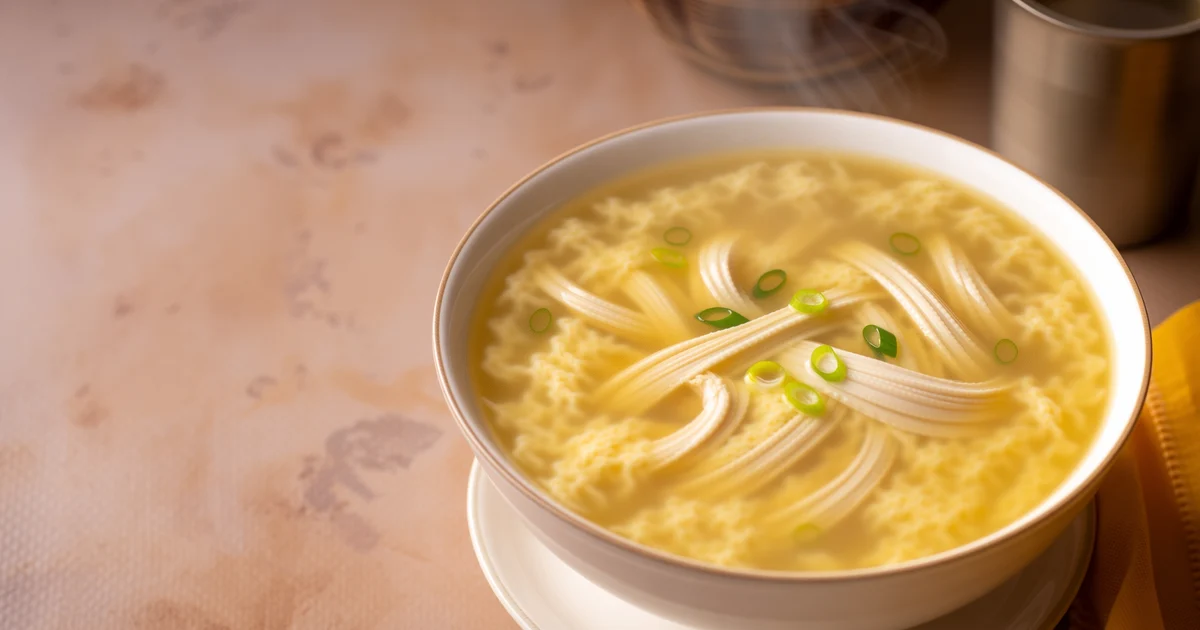
A commercial chicken soup recipe producing about 10 litres, with daily chicken stock, controlled cornflour thickening, egg ribbons and safe hot holding.
- Yield:
- about 40 plates
- Total:
- 2 hr 30 min
- Difficulty:
- Medium
Run your restaurant on Rosuii
POS, menu, inventory, payroll and more — built for Bangladeshi restaurants.
Start free