
Restaurant Recipes
Commercial Masala Cha
A commercial masala tea recipe for 40 cups with a bulk spice blend, controlled milk ratio, boil-and-strain method and practical yield control.
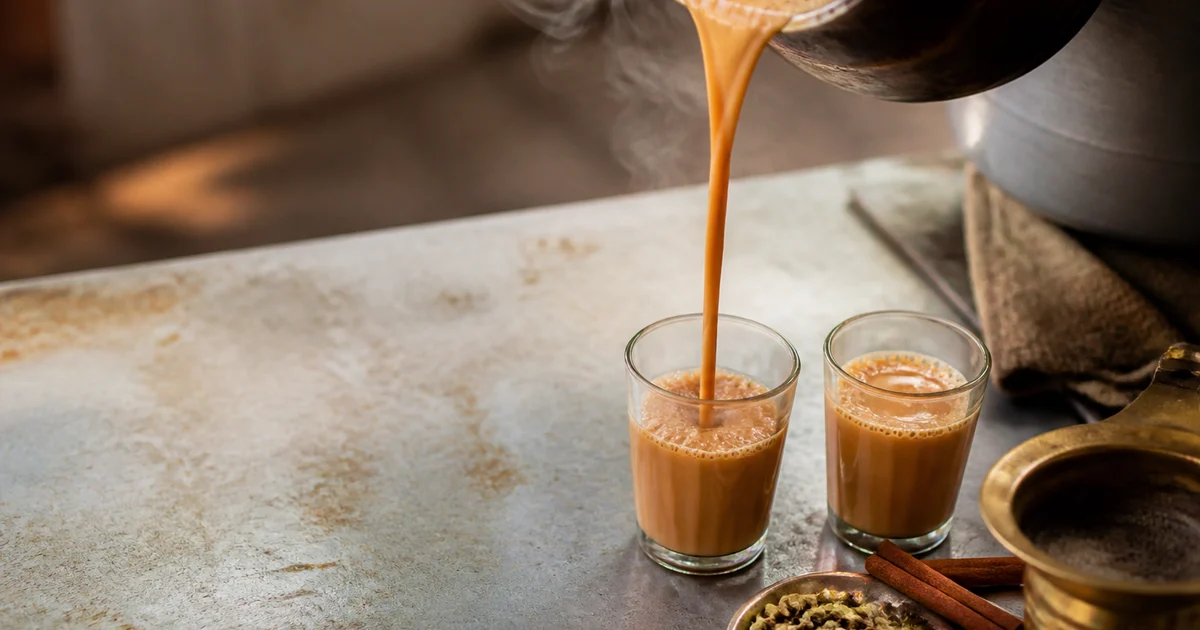
- Prep
- 25 min
- Cook
- 30 min
- Total
- 55 min
- Yield
- about 40 cups of 150 ml
- Difficulty
- Medium
- Cuisine
- Bangladeshi
Method
- 1
Inspect and weigh spices
Inspect the whole spices at room temperature for 3 minutes, removing husk, stones or damp pieces. Correct spices should look dry and release a clean aroma when broken.
- 2
Warm the whole spices
Warm the cardamom, cinnamon, cloves, pepper and dried ginger in a dry pan at a surface temperature of 90°C to 110°C for 2 to 3 minutes. Stir continuously and stop when the spices smell aromatic but show no dark scorch marks.
- 3
Cool and grind blend
Spread the spices on a clean tray and cool below 30°C for about 10 minutes. Grind to a coarse, rough-sand texture, producing about 240 g, then store airtight and weigh 30 g for this batch.
- 4
Extract ginger and masala
Bring 3.5 litres of water to 100°C in the main kettle, then add the fresh ginger and 30 g spice blend. Boil for 6 to 8 minutes until the water turns pale amber and smells distinctly of ginger and cardamom.
- 5
Brew the black tea
Add the black tea and maintain 98°C to 100°C for 2 to 3 minutes. Stir once, then stop when the liquid becomes deep reddish-brown without looking black or muddy.
- 6
Preheat the milk
While the tea brews, heat the milk separately to 60°C to 65°C for 4 to 6 minutes. The milk should release light steam but should not form a thick skin or simmer.
- 7
Add sugar and milk
Dissolve the sugar and salt in the tea, then pour in the preheated milk while stirring. Bring the mixture to 92°C to 95°C over 6 to 8 minutes, watching for an even tan foam rising across the surface.
- 8
Control the final simmer
Reduce the flame and hold the tea at 90°C to 95°C for 4 minutes. Stir every minute and keep the foam below the kettle rim; the finished colour should be an even caramel brown.
- 9
Strain and set yield
Strain immediately through a fine stainless-steel sieve within 1 minute, without squeezing the leaves hard. Confirm a final volume of 6 litres, correct a small shortage with hot equal parts water and milk, and serve at 75°C to 85°C.
Notes for your kitchen
This commercial masala tea recipe produces 6 litres, equal to 40 controlled servings of 150 ml. It is designed for a Bangladeshi food cart, tea stall, cafe or restaurant using the boil-and-strain method. The recipe also produces a 240 g bulk masala blend, of which 30 g is used per batch and the balance is stored for later production.
Why masala cha works commercially
Masala cha sells well because it uses familiar ingredients, cooks quickly and can be served with limited equipment. One trained worker can prepare the spice blend in advance, boil a fresh batch and portion it directly from a marked kettle or insulated urn. The aroma also gives the drink a clear identity without requiring a complicated service setup.
The commercial risk is inconsistency. A worker who estimates tea, milk, sugar or spices by eye can make one batch weak and the next batch bitter. Excess milk raises cost, while uncontrolled boiling reduces yield. A written batch size, a weighing scale and a fixed ladle are therefore more important than decorative presentation.
Choose ingredients where quality matters
Tea leaf, milk and green cardamom have the greatest effect on the finished cup. Use a strong Bangladeshi CTC black tea that gives colour quickly without producing a dusty aftertaste. Very fine tea dust extracts faster but can become harsh if it remains in the kettle for more than a few minutes.
Use pasteurised full-cream milk with a consistent fat and solids level. Milk from different suppliers can vary in richness, sweetness and resistance to splitting, so test a new supply before changing the standard recipe. Do not use milk that smells sour or has been left outside refrigeration.
Green cardamom should have closed, greenish pods and a strong aroma when crushed. Cinnamon or cassia bark should smell sweet rather than woody, and cloves should release oil when pressed with a fingernail. Potable water matters because heavily chlorinated or mineral-heavy water can flatten tea flavour.
Prepare the spice mix in bulk
A coarse bulk spice mix gives faster service and more consistent flavour than measuring five spices during every boil. Warm the whole spices only until aromatic, then cool them completely before grinding. Heavy roasting makes cloves and pepper bitter and drives off the lighter cardamom aroma.
Grind the blend to a coarse texture similar to rough sand, not a fine powder. Fine spice powder passes through the strainer, settles in the cup and continues extracting during holding. Label the container with the production date, expected batch count and standard dose. Keep it airtight, dry and away from the stove, because steam causes clumping and aroma loss.
Control the boil-and-strain method
The correct method extracts spices first, tea second and milk last. Ginger and masala need several minutes in boiling water to release flavour. Tea needs much less time, so adding it from the beginning produces unnecessary tannin and a dry mouthfeel.
After the tea develops a deep reddish-brown colour, dissolve the sugar and add preheated milk. Preheating shortens recovery time and prevents the kettle from sitting for too long in the lukewarm range. Once the mixture reaches 92°C to 95°C, control the flame so the foam rises gently without overflowing.
Four minutes of controlled simmering is enough to combine the milk, tea and spices. Repeated dramatic boiling may look traditional, but it increases evaporation, scorches milk proteins and makes final yield difficult to predict. Strain immediately when the colour is an even caramel brown and the aroma is balanced.
Keep the milk ratio consistent
A starting ratio of 3 litres milk to 3.5 litres water gives a rich tea-stall style cup without allowing milk cost to take over. Sugar, evaporation and straining bring the finished batch to approximately 6 litres. Mark the finished level inside a food-grade measuring vessel rather than judging volume from the boiling kettle.
If the strained batch is slightly below target, correct it with a hot mixture of equal parts water and milk. Adding only water makes the final cups thin, while adding only milk changes both cost and flavour. Record frequent shortages because they normally indicate excessive flame, a wide kettle or an unnecessarily long boil.
Scale without changing extraction
Scale this recipe from the finished volume rather than multiplying by the number of kettles. For each 1 litre of finished tea, begin with about 583 ml water, 500 ml milk, 20 g tea, 108 g sugar, 5 g masala blend and 20 g fresh ginger. These ratios can be adjusted after a documented tasting, but they should not change between workers or shifts.
For a half batch, use the same kettle only if the liquid still has enough depth to prevent fast evaporation. For a double batch, use a vessel with at least 25 percent empty headspace because milk foam rises quickly. Doubling the quantity does not mean doubling the simmering time. Start timing extraction only after the full batch returns to its specified temperature.
Hold and reheat for service
Masala cha has its best flavour within 30 minutes of straining. Hold it above 63°C in a clean insulated urn or a bain-marie, not over a strong direct flame. Stir gently every 10 minutes because milk solids and spices can settle even after straining.
Reheat only once, bringing the tea to 80°C to 85°C without returning it to a rolling boil. Repeated reheating darkens the tea, forms a cooked-milk skin and reduces saleable volume. Never mix a small amount of old tea into a new batch. If demand is uneven, produce smaller batches more frequently instead of holding one large batch for hours.
Control portions and saleable yield
A 6-litre batch gives 40 cups only when every serving is held to 150 ml. Use one level 150 ml ladle or a marked dispensing cup, and leave enough cup headspace to prevent spills. A difference of only a small splash per serving becomes several missing cups across a busy shift.
Count issued cups against actual tea sales and compare the result with the expected batch yield. The practical method described in this portion control guide helps identify over-pouring, complimentary servings and unrecorded wastage. Record spillages and burnt batches separately rather than hiding them as low yield.
Manage per-cup economics
Per-cup cost must be calculated from the usable batch yield, not only from the purchase price of tea and milk. Divide the batch ingredient cost by 40 saleable servings and include only 30 g of the bulk spice blend, not the cost of the full 240 g production. Cup, lid, fuel, ginger trimming and normal straining loss should also be recognised.
Milk normally dominates the ingredient cost, while tea grade and cardamom prices create the largest fluctuations after milk. Follow a consistent recipe costing process and review the result whenever the milk supplier, tea grade, serving size or cup specification changes. Rosuii can record the bulk spice blend as a production, track its raw materials and record wastage before item-sales and profit reports are reviewed.
Keep separate stock codes for tea, milk, sugar and prepared spice blend. Weekly physical counts support better inventory management and reveal whether workers are using the approved dose. Buying cheap, stale spices rarely saves money because staff often compensate by adding more.
Avoid mistakes that cost money
The most expensive masala cha mistakes are over-boiling, uncontrolled milk use and inconsistent portions. Over-boiling removes water and milk through steam, leaving fewer cups even when the flavour seems stronger. A wide, uncovered vessel loses liquid faster than a deep kettle, so do not move the recipe between vessels without checking yield.
- Do not boil tea leaf with spices from the beginning. The tea becomes bitter before the ginger and whole spices finish extracting.
- Do not grind the spice mix into fine dust. Dust passes through the sieve and creates gritty cups with continuing extraction.
- Do not top up with unmeasured milk. This changes the flavour, colour and cost of every batch.
- Do not squeeze wet tea leaves aggressively. Pressing extracts harsh tannins and pushes fine particles through the sieve.
- Do not keep adding fresh tea to an old kettle. The oldest portion becomes overcooked and its remaining volume cannot be measured accurately.
What drives the cost
Milk normally dominates the batch cost, followed by black tea, while green cardamom is the most price-sensitive spice. Cost moves with milk supplier, tea grade, cardamom quality, cup size, evaporation loss and the amount of finished tea discarded after holding.
Ingredient rates move with the market, so this describes what drives the cost rather than quoting a figure.
Questions from kitchens
Can this masala tea recipe be doubled for 80 cups?
How long can prepared masala cha be held?
How long does the bulk spice mix keep?
Can powdered spices replace the whole spices?
Why did the batch produce fewer than 40 cups?
Related recipes
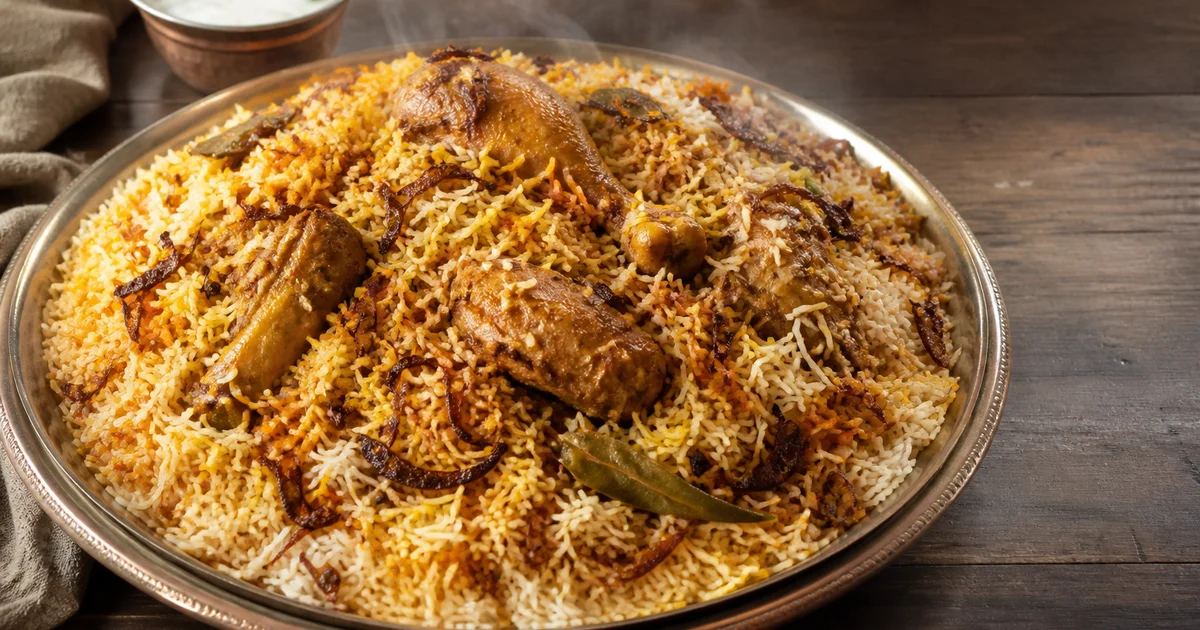
Commercial Chicken Biryani Recipe
A commercial pakki chicken biryani recipe yielding about 40 controlled portions, with guidance on par-cooking rice, dum, holding and scaling.
- Yield:
- about 40 plates
- Total:
- 4 hr 35 min
- Difficulty:
- Medium
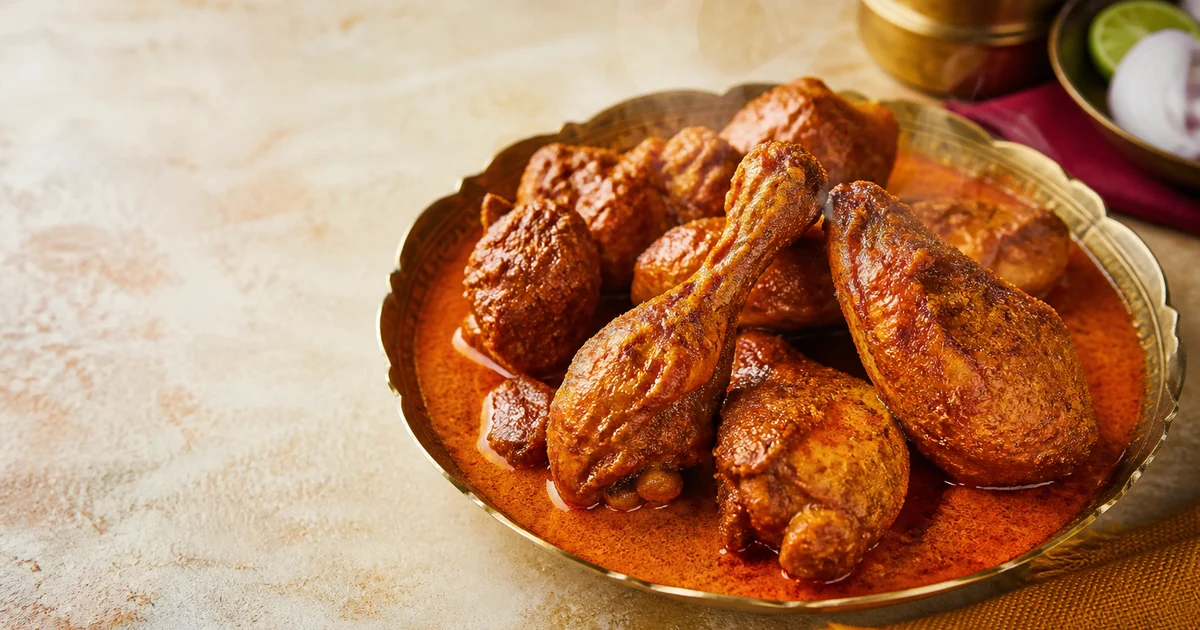
Commercial Bangladeshi Chicken Roast
A 40-portion biye-bari style chicken roast with first-fried chicken, controlled sweet-savoury gravy, catering yield guidance and service holding.
- Yield:
- about 40 plates
- Total:
- 2 hr 15 min
- Difficulty:
- Medium
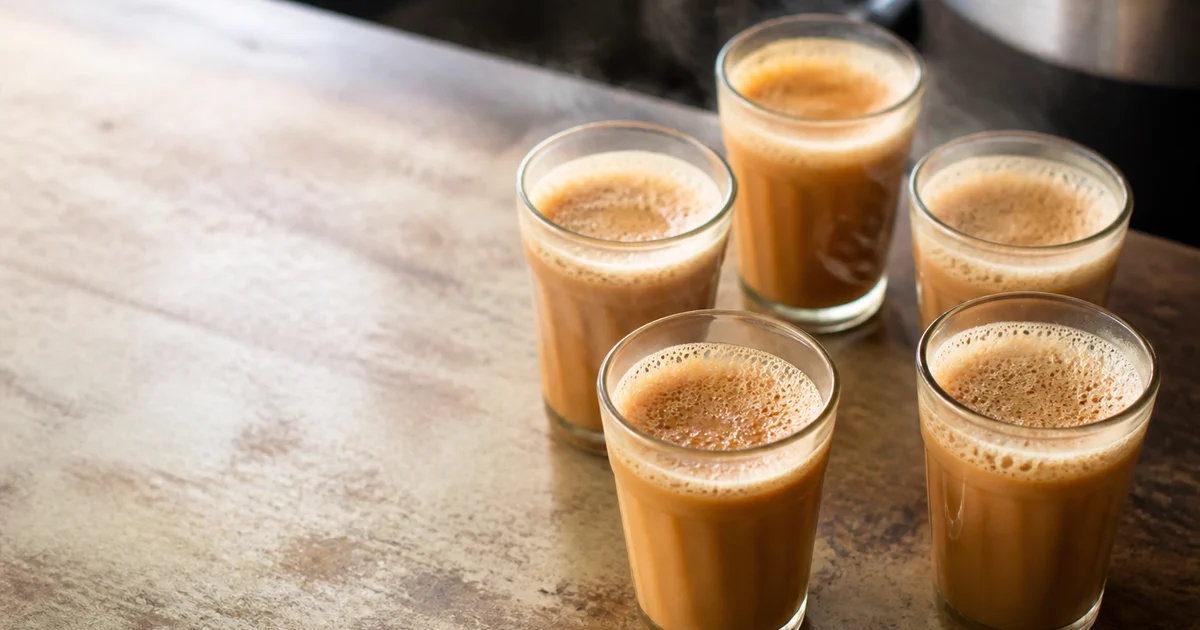
Restaurant Milk Tea
A 40-cup commercial milk tea recipe with a separate tea liquor base, measured sugar syrup, safe milk handling and strict 180 ml portion control.
- Yield:
- about 40 cups (180 ml each)
- Total:
- 55 min
- Difficulty:
- Easy
Run your restaurant on Rosuii
POS, menu, inventory, payroll and more — built for Bangladeshi restaurants.
Start free