
Restaurant Recipes
Commercial Bangladeshi Chicken Roast
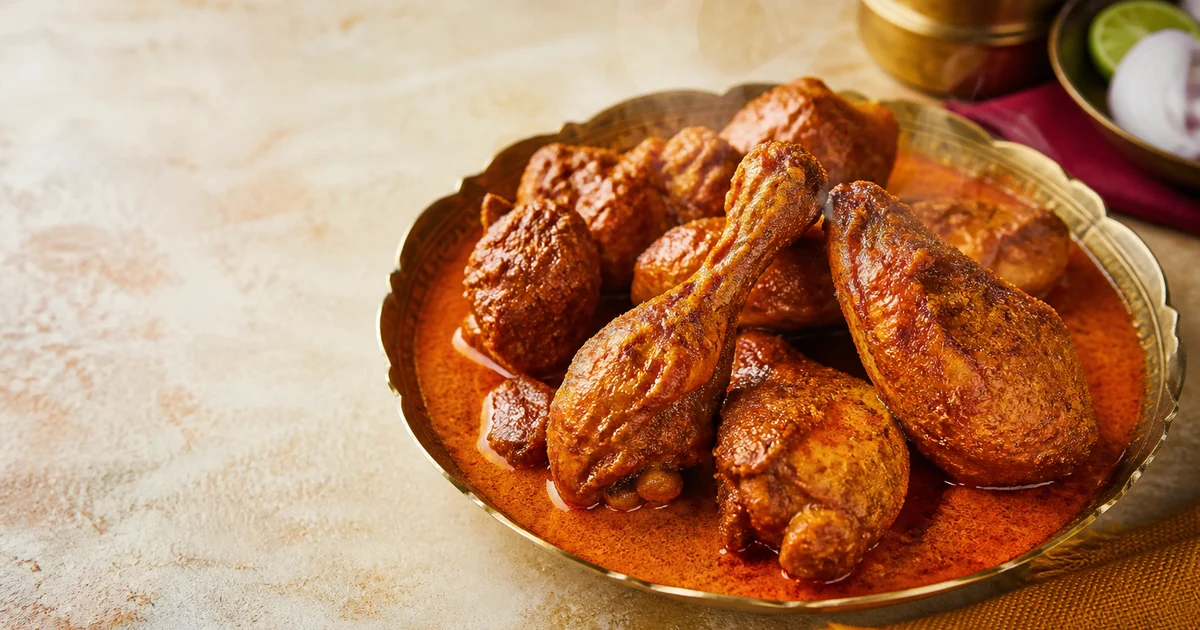
A 40-portion biye-bari style chicken roast with first-fried chicken, controlled sweet-savoury gravy, catering yield guidance and service holding.
- Prep
- 45 min
- Cook
- 1 hr 30 min
- Total
- 2 hr 15 min
- Yield
- about 40 plates
- Difficulty
- Medium
- Cuisine
- Bangladeshi
Method
- 1
Standardise the chicken portions
Check that every bird is within the specified weight range, then divide each into two breast quarters and two leg quarters. Make shallow cuts through the thickest flesh without cutting to the bone. Keep the chicken at 5°C or below while portioning, and reject broken or badly bruised pieces from the catering count.
- 2
Mix and apply marinade
Combine 100 g salt, turmeric, half the yoghurt, ginger paste and garlic paste, then coat all chicken evenly. Marinate for 30 minutes under refrigeration at 5°C or below. The coating should cling in a thin layer without a pool of watery yoghurt at the bottom.
- 3
Fry chicken in batches
Heat the soybean oil with 250 g ghee to 170 to 175°C in a deep kadai. Fry 4 to 6 quarters at a time for 4 to 5 minutes, turning once, until the surface is light golden but the centre remains undercooked. Drain on racks and allow the fat to return to temperature before the next load.
- 4
Build the spice base
Transfer about 500 ml of clean frying fat to the heavy cooking vessel and add the remaining ghee. At 150 to 160°C, fry bay leaves, cinnamon, cardamom and cloves for 45 to 60 seconds until fragrant but not dark. Add onion paste and cook over medium heat for 12 to 15 minutes until its raw smell disappears and the fat begins to show around the edges.
- 5
Cook the creamy gravy
Reduce the heat below 90°C, then stir in the remaining yoghurt and cashew paste. Cook for 5 to 7 minutes with continuous stirring until smooth and glossy. Add warm milk gradually, followed by the remaining salt and sugar, and simmer gently for 6 to 8 minutes without a hard boil.
- 6
Braise the fried chicken
Arrange the fried quarters in the gravy with breast and leg pieces distributed evenly. Cover and cook at a gentle 85 to 90°C simmer for 25 to 30 minutes, turning each piece once with care. The thickest pieces must reach at least 74°C, and the gravy should coat a spoon while remaining pourable.
- 7
Finish aroma and garnish
Add raisins and green chillies, then simmer for 4 to 5 minutes at about 85°C until the raisins soften slightly. Switch off the burner and mix in kewra water and garam masala without rough handling. Rest covered for 10 minutes; the finished surface should look glossy with no separated dairy granules.
- 8
Count and portion batch
Count all 40 cooked quarters before transferring the batch to service or catering trays. Hold at 60°C or above and portion one quarter with a calibrated 130 to 150 ml ladle of gravy. Alternate breast and leg portions systematically so each order receives a consistent mix.
Notes for your kitchen
This chicken roast recipe Bangladeshi kitchens can produce consistently gives 40 full catering portions from 10 quartered chickens. It follows the biye-bari method of frying the chicken before finishing it in a rich, mildly sweet gravy. The first frying sets the surface, develops colour and helps each portion remain intact during batch cooking, transport and service.
Why it works commercially
Bangladeshi chicken roast works well for restaurants and caterers because one visible chicken quarter creates a clear, countable portion. Unlike dishes made with mixed bone-in cuts, the kitchen can confirm the expected yield before cooking. The gravy can be prepared in bulk, and finished portions can be held for a controlled service window without needing last-minute frying.
The dish also fits fixed catering menus with polao, biryani, salad, borhani or kebab. Its familiar sweet-savoury profile appeals to a broad customer base, while the whole quarter gives the plate a higher perceived value than several small pieces. The main operational requirement is discipline: chickens must be bought to one size, divided evenly and assigned one piece per plate.
Ingredient selection
Chicken size and freshness matter more than expensive decoration in a commercial roast. Buy skinless dressed broilers within a narrow weight range, ideally 900 to 1,000 grams each before quartering. Large differences between birds produce unequal breast and leg portions, uneven cooking and customer complaints. Avoid previously thawed birds with soft flesh, excessive purge or broken joints.
Use thick, fresh tok doi rather than watery yoghurt because excess whey makes the marinade slide off and delays browning. Onion paste should smell clean and be processed on the production day; old paste can become bitter or sour. Ginger and garlic pastes need balanced strength, as too much garlic can dominate the mild wedding-style gravy.
Cashew paste supplies body and a smooth finish, so it should be finely ground without gritty particles. Full-fat liquid milk is less likely to leave a thin sauce than diluted milk. Kewra water and garam masala must be fresh but restrained. Their job is to create a clean aroma when the lid opens, not to cover the chicken or dairy flavours.
How the technique works
First-frying is the defining control point for biye-bari style chicken roast. The oil must be hot enough to set the marinade immediately but not so hot that the yoghurt solids burn. Frying is only for light golden colour and surface structure; the centre is deliberately left undercooked so it can finish gently in the gravy.
Do not crowd the frying kadai. Crowding drops the oil temperature, releases water and turns frying into boiling. The result is pale chicken, loose coating and a greasy gravy. Let the oil recover to the target temperature before loading each new batch, and remove burnt marinade particles between batches.
The gravy should be built over medium heat. Onion paste needs enough cooking to lose its raw smell, but deep browning will make the sauce dark and bitter. Yoghurt and cashew paste are added at reduced heat and stirred continuously until the mixture looks glossy. Milk should then be incorporated gradually so that the dairy does not split.
The finished balance is gently sweet, savoury and aromatic rather than dessert-like. Judge sweetness only after salt is correct because low salt makes the same sugar level taste excessive. The gravy should coat the back of a spoon while still flowing around the chicken. It will thicken further during holding.
Scaling the batch
Scale chicken by portion count, but scale salt, sugar and finishing aromatics cautiously. For a 20-portion batch, halve the chicken, dairy, onion paste and cashew paste, then begin with about 45 percent of the salt, sugar, kewra and garam masala before final adjustment. For an 80-portion batch, doubling is practical, but the chicken should still be fried in small loads and the gravy should be divided between two vessels.
Do not double cooking time when doubling quantity. Use wider pans, more burner capacity and separate batches so the depth of gravy around the chicken remains similar. A very deep vessel heats slowly, crushes bottom portions and encourages dairy scorching. Record the final gravy volume and cooked portion count after every production run.
Holding and reheating
Hold finished chicken roast at 60°C or above and plan to serve it within four hours for the best texture. Keep the vessel covered and arrange pieces in shallow layers so the bottom portions are not damaged. Stir only the gravy around the sides; repeatedly turning the chicken can separate the meat from the joints.
Check the sauce every 30 to 45 minutes. If evaporation makes it too thick, loosen it with a small amount of hot milk or hot water, then bring the gravy back above 60°C. Do not add cold liquid during service because it reduces the holding temperature and can split the dairy.
For advance production, cool the roast in shallow food-grade trays rather than leaving a full stockpot at room temperature. Cool from 60°C to 21°C within two hours and from 21°C to 5°C within another four hours. Reheat once to a core temperature of at least 74°C, using gentle covered heat so the chicken does not dry out.
Portioning and yield control
One chicken quarter plus a fixed gravy ladle should equal one saleable portion. Mark breast and leg pieces separately when packing large catering orders so each table or box receives a fair mix. A batch made from 10 correctly sized chickens yields 40 portions, but damaged pieces should be identified before production rather than discovered during plating.
Use one standard ladle, usually selected to give approximately 130 to 150 millilitres of finished gravy per plate. Measure its actual capacity with water instead of relying on its stated size. Follow a written portion control system and count remaining chicken pieces against orders throughout service. Never compensate for missing pieces by reducing every later portion.
Mistakes that cost money
The most expensive mistakes are inconsistent chicken size, burnt frying fat and uncontrolled gravy portions. Oversized birds increase food cost and cooking time, while undersized birds make the plate look weak. Mixed sizes also encourage staff to serve two small pieces to one customer, destroying the planned yield.
- Over-frying: Fully cooking the chicken during frying makes it dry after braising and reheating.
- Cold frying oil: Chicken absorbs more fat, loses marinade and gives the gravy an oily surface.
- Burnt onion paste: Dark paste cannot be corrected with extra milk or sugar and may ruin the full batch.
- Boiling dairy hard: Strong heat splits the gravy and leaves a grainy appearance.
- Unmeasured sugar: Correcting an over-sweet batch requires more gravy base, increasing both cost and leftovers.
- Excess kewra: Heavy perfume makes the roast taste artificial and cannot be removed after addition.
Keeping cost stable
Stable cost comes from fixed bird specifications, measured gravy yield and accurate oil recovery. Chicken is the main cost driver, followed by ghee, cashew and dairy. Compare supplier deliveries by dressed weight and usable portion count, not only by the number of birds in a crate.
Filter usable frying oil after cooling and record the quantity returned to stock instead of charging the entire operating volume as consumed. Track cooked batches through recipe costing and review actual food cost percentage when chicken size or dairy prices change. Rosuii can record the production that converts issued raw materials into finished roast portions, along with wastage and supplier stock movement.
What drives the cost
Chicken dominates the cost, with ghee, cashew paste and dairy forming the next important group. Cost moves mainly with dressed bird weight, supplier consistency, frying-oil loss and uncontrolled gravy portions.
Ingredient rates move with the market, so this describes what drives the cost rather than quoting a figure.
Questions from kitchens
How do I scale this recipe to 100 catering portions?
How long can chicken roast stay in hot holding?
Can cashew paste be replaced?
What is the chilled shelf life after cooking?
Why did a 40-portion batch yield fewer plates?
Related recipes
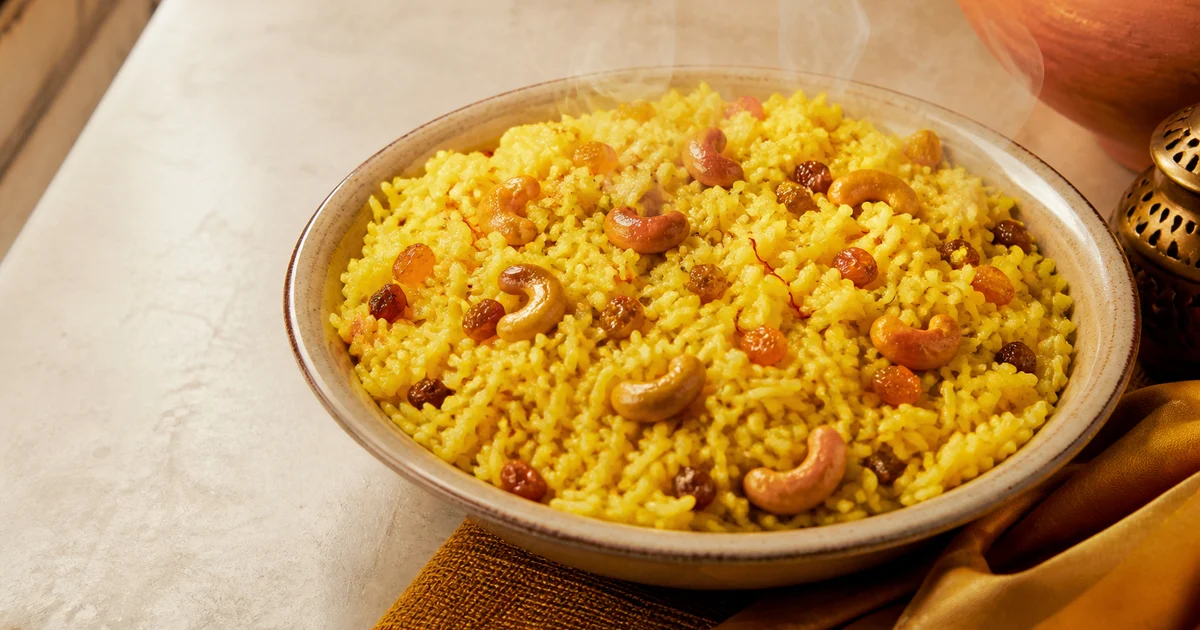
Commercial Basanti Polao Recipe
A 2 kg rice batch of golden, mildly sweet Basanti Polao for about 40 controlled portions, with practical cooking, holding and reheating guidance.
- Yield:
- about 40 plates
- Total:
- 1 hr 15 min
- Difficulty:
- Medium
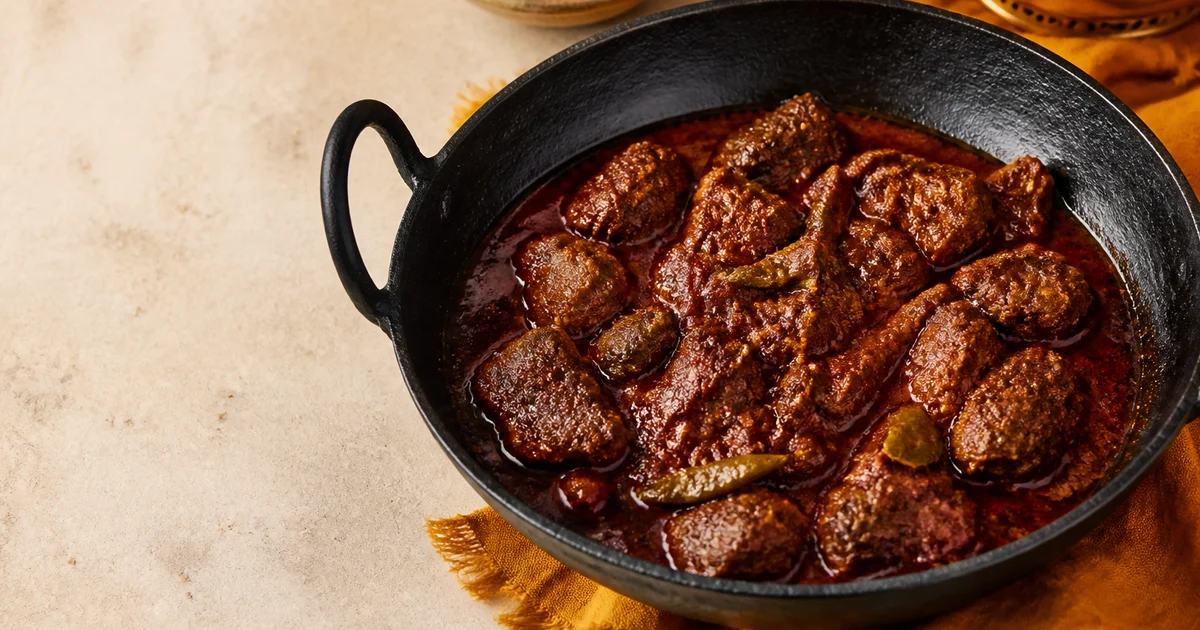
Commercial Beef Bhuna Recipe
A commercial beef bhuna recipe for about 40 plates, with a long bhuna stage, clear oil-separation cues, controlled portions and service-safe reheating.
- Yield:
- about 40 plates
- Total:
- 4 hr 15 min
- Difficulty:
- Medium
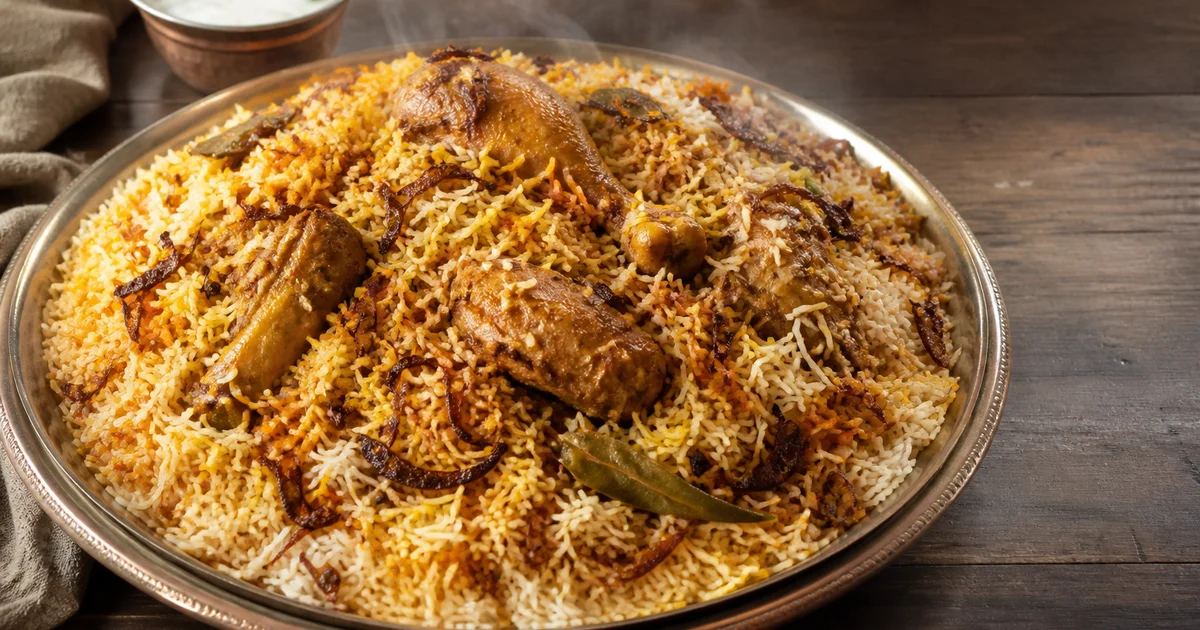
Commercial Chicken Biryani Recipe
A commercial pakki chicken biryani recipe yielding about 40 controlled portions, with guidance on par-cooking rice, dum, holding and scaling.
- Yield:
- about 40 plates
- Total:
- 4 hr 35 min
- Difficulty:
- Medium
Run your restaurant on Rosuii
POS, menu, inventory, payroll and more — built for Bangladeshi restaurants.
Start free