
Restaurant Recipes
Restaurant Milk Tea
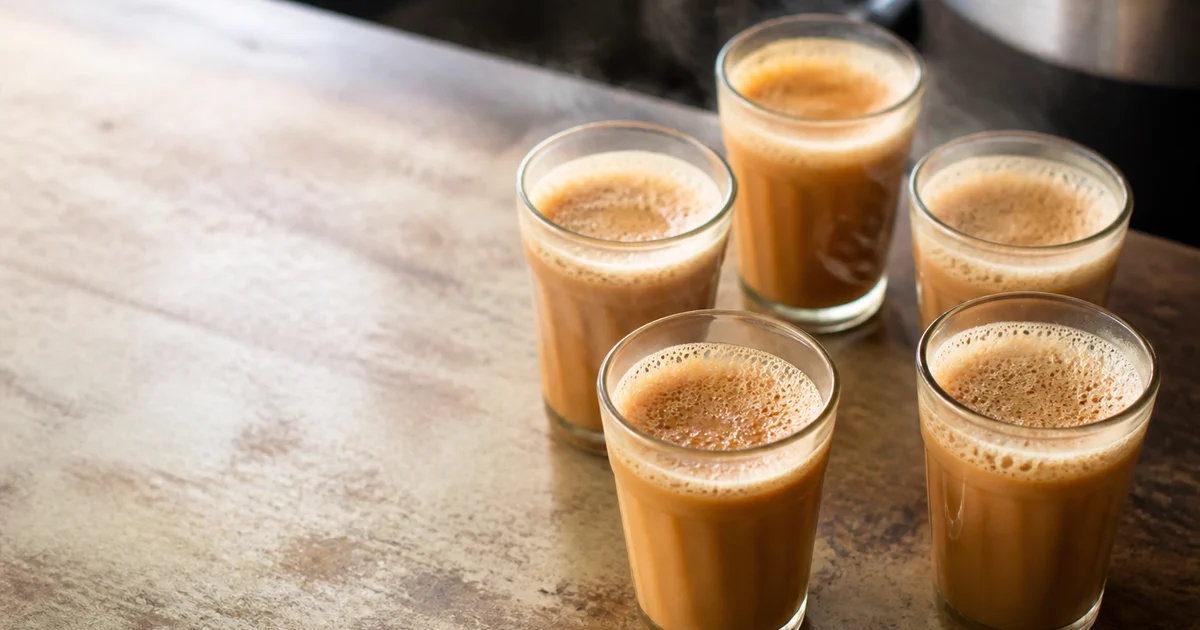
A 40-cup commercial milk tea recipe with a separate tea liquor base, measured sugar syrup, safe milk handling and strict 180 ml portion control.
- Prep
- 20 min
- Cook
- 35 min
- Total
- 55 min
- Yield
- about 40 cups (180 ml each)
- Difficulty
- Easy
- Cuisine
- Bangladeshi
Method
- 1
Measure and prepare station
Sanitise the pots, strainer, urn and measuring jugs, then weigh every ingredient before heating. Keep the milk at 5°C or colder during the 5 to 10 minute setup; it should smell clean and show no separation or curdling.
- 2
Extract the whole spices
Combine 3.6 litres water, ginger, cinnamon, cardamom and bay leaf in the stockpot. Bring to 98°C to 100°C, then simmer gently for 8 minutes until the water is aromatic and lightly amber rather than dark brown.
- 3
Brew the tea liquor
Reduce the heat, add the black tea and maintain 95°C to 98°C for 5 minutes. Stir once after 30 seconds; the liquor should become deep copper with no violent rolling boil.
- 4
Strain and set volume
Pass the liquor through a fine strainer within 1 minute of finishing the brew and do not crush the leaves. Measure 3.2 litres finished liquor, using a little reserved hot water if required; it should look clear and dark with minimal sediment.
- 5
Prepare measured sugar syrup
Heat 500 ml water, sugar and salt to 85°C to 90°C for 3 to 4 minutes, stirring until completely clear. Avoid browning, then adjust the warm syrup to 1 litre if necessary and cool covered until it pours evenly without visible crystals.
- 6
Set up safe holding
Transfer the strained tea liquor to a clean covered urn and hold it at 60°C to 65°C for no more than 4 hours. Check every 30 minutes; the liquor should remain clear and copper-brown, not cloudy or blackened.
- 7
Heat milk in batches
Heat about 1 litre milk at a time to 70°C to 75°C over 3 to 5 minutes, stirring across the bottom. Stop when steady steam appears and tiny edge bubbles form, before a skin or rolling boil develops.
- 8
Assemble each standard cup
Measure 25 ml syrup, 80 ml hot tea liquor and 75 ml hot milk into each cup. Stir for 5 seconds and serve at approximately 65°C to 70°C; the drink should be evenly tan with no syrup settled at the bottom.
- 9
Cool or discard leftovers
At the end of service, cool unused tea liquor from 60°C to 21°C within 2 hours and to 5°C or colder within a further 4 hours. Label and refrigerate it for no more than 24 hours; discard milk or finished tea that has exceeded safe holding controls or shows skin, curdling or a cooked smell.
Notes for your kitchen
This commercial milk tea recipe produces about 40 consistent 180 ml cups from separately controlled tea liquor, sugar syrup and hot milk. Keeping these three parts separate gives a restaurant or food cart faster service and better control than repeatedly boiling complete milk tea. The tea stays brisk, the milk is less likely to scorch, and every cup receives the same sweetness.
Why this recipe works commercially
Separate tea, milk and syrup let one worker assemble a cup in less than a minute without sacrificing consistency. The tea liquor can be brewed before the rush, while milk is heated in smaller working batches. Sugar syrup dissolves completely and avoids the common problem of undissolved sugar at the bottom of the cup.
The system also supports different menu variations. A standard cup follows the fixed formula, while a less-sweet or extra-milk variation can be priced and portioned separately. Staff do not need to guess how many spoons of tea or sugar to use for each order.
Choose tea and milk carefully
Tea and milk are the ingredients where quality differences are most visible in the finished cup. Use a clean, brisk CTC black tea with a repeatable grade and supplier. Very dusty tea may colour quickly but can taste harsh and leave sediment, while a weak leaf requires more tea and longer extraction.
Full-cream liquid milk gives a rounder body and more stable flavour than repeatedly changing between fresh milk, powdered milk and condensed milk. If the business must use recombined milk powder, standardise the powder-to-water ratio by weight, hydrate it fully, strain it and treat it as a separate tested recipe. Do not switch milk types during service without changing the costing and cup formula.
Filtered water matters where tap water has a strong chlorine, iron or mineral taste. Ginger and whole spices should smell fresh but remain restrained. Their purpose is to support the tea, not cover weak tea leaves or old milk.
Control extraction instead of boiling harder
Strong milk tea comes from a measured tea-to-water ratio and controlled contact time, not prolonged boiling. First extract the whole spices in near-boiling water, then add the tea and keep the liquid just below a rolling boil. A short, timed extraction produces a dark copper liquor with briskness but less woody bitterness.
Strain immediately when the timer ends. Leaving leaves inside a tea urn causes continuous extraction, so later cups become darker and more astringent than earlier cups. Do not squeeze a cloth filter aggressively because that pushes fine particles and harsh compounds into the liquor.
Measure the strained output rather than assuming that all kettle water remains. Leaves retain water, steam escapes, and different pot shapes change evaporation. Adjust the filtered liquor to the specified finished volume with hot water. This output check is essential when the same milk tea recipe is prepared by different shifts.
Make sweetness a measured component
A fixed-concentration sugar syrup is more consistent than adding loose sugar to each cup. Heat only until the crystals disappear and the syrup becomes clear. Excessive boiling evaporates water, concentrates the syrup and makes the next batch sweeter even when staff use the same ladle.
Use a graduated jug or a calibrated dispenser for every cup. If using a pump, test its output by collecting ten pumps and dividing the measured total by ten. Recheck it after cleaning because springs, nozzles and syrup temperature can change the delivered amount.
Scale by finished output
Scale every component from the 40-cup formula, but verify the finished tea-liquor and syrup volumes before service. For 20 cups, use half of every ingredient and retain the same brewing time and temperature. For 80 cups, double the ingredients but brew the tea in two equal pots unless the kitchen has a kettle that can heat and strain the larger load quickly.
Do not compensate for an overloaded pot by steeping longer. Large, slow batches can extract unevenly while taking too long to strain. Record the normal evaporation and leaf-retention loss for each vessel, then set a repeatable water allowance for that vessel.
Hold tea and milk separately
Tea liquor may be hot-held at 60°C to 65°C for up to four hours, but the best flavour comes from preparing two smaller batches across a long service day. Use a covered, clean urn reserved for tea and remove every leaf before holding. Higher holding temperatures accelerate stale, cooked flavours, while temperatures below 60°C are unsuitable for extended hot holding.
Keep unopened or working milk at 5°C or colder, then heat only enough for the next 20 to 30 minutes of expected orders. Bring it to 70°C to 75°C without a rolling boil. Do not keep topping up an old milk pan with cold milk because this creates uncertain holding time and encourages scorching.
Unused tea base can be cooled from 60°C to 21°C within two hours and then to 5°C or colder within a further four hours. Refrigerate it covered and use within 24 hours for acceptable quality. Finished milk tea should not be cooled and sold the next day.
Standardise portion and yield
One standard cup is 80 ml tea liquor, 75 ml hot milk and 25 ml sugar syrup, giving approximately 180 ml. Use marked jugs, fixed-volume ladles or measured dispensers rather than judging by cup colour. Stir for a few seconds so that sweetness and colour are uniform from top to bottom.
Check the actual internal capacity of takeaway cups. A cup sold as a particular size may hold less after allowing space for a lid, foam and safe carrying. Define a fill line and include any expected headspace in the written service standard.
Compare theoretical yield with the number of cups sold, staff drinks, samples and recorded waste. The practical methods in this portion control guide help identify over-pouring before it becomes a daily loss.
Keep cost per cup stable
Stable cost per cup depends on fixed milk, tea and syrup issues combined with an accurate count of saleable cups. Milk normally drives the largest cost movement, followed by tea, so record supplier changes, pack size, fat level and purchase yield. Cheap tea is not economical if more leaf is required to reach the approved colour and strength.
Calculate the batch ingredient cost from current purchase records and divide it by the actual standard cups produced, not by the hoped-for yield. Review the result through recipe costing and compare it with the business target for food cost percentage. Rosuii can record the tea base as a production that turns measured raw materials into a finished stock item, while wastage and item-sales reports help explain gaps between production and sales.
Avoid mistakes that waste money
The most expensive milk tea mistakes are uncontrolled pouring, over-brewed liquor, scorched milk and unrecorded leftovers. Darkening tea by boiling it longer increases bitterness and may force staff to add more milk and sugar. Reboiling milk creates skin, cooked flavour and pan deposits, all of which reduce usable yield.
- Do not leave leaves in the urn: strain completely before holding.
- Do not estimate syrup by spoon: use one calibrated measure for every standard cup.
- Do not mix fresh milk into old hot milk: empty, wash and restart the working pan.
- Do not hide process loss: record spills, rejected tea, staff drinks and end-of-day disposal.
- Do not change cups casually: test the new cup capacity and reset the fill line before service.
What drives the cost
Full-cream milk normally dominates the batch cost, and its supplier rate, fat level, pack size and heating loss create the largest movement. Tea is the next important cost driver because grade and extraction strength determine how many grams are needed per cup; over-pouring either component raises cost immediately.
Ingredient rates move with the market, so this describes what drives the cost rather than quoting a figure.
Questions from kitchens
Can this milk tea recipe be doubled for 80 cups?
How long can tea liquor be held during service?
Can powdered milk replace liquid milk?
How long does the prepared tea base last when refrigerated?
Why does the batch produce fewer than 40 cups?
Related recipes
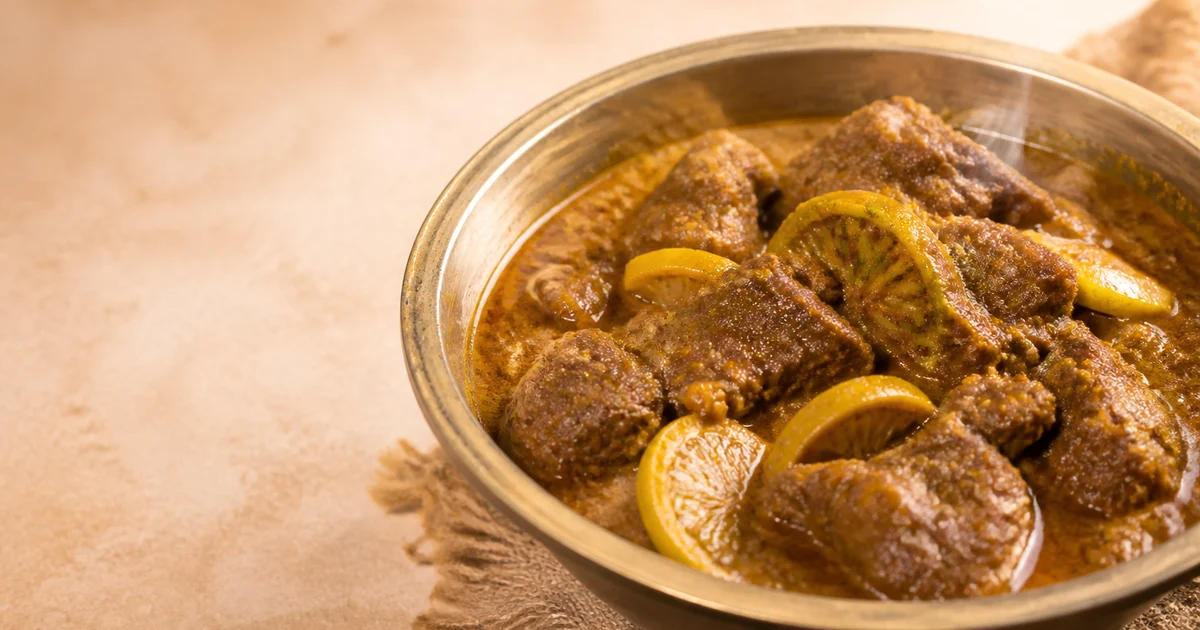
Commercial Beef Shatkora Recipe
A commercial Sylheti beef shatkora recipe for 30 plates, with controlled citrus bitterness, batch scaling, holding, reheating and yield guidance.
- Yield:
- about 30 plates
- Total:
- 3 hr 15 min
- Difficulty:
- Medium
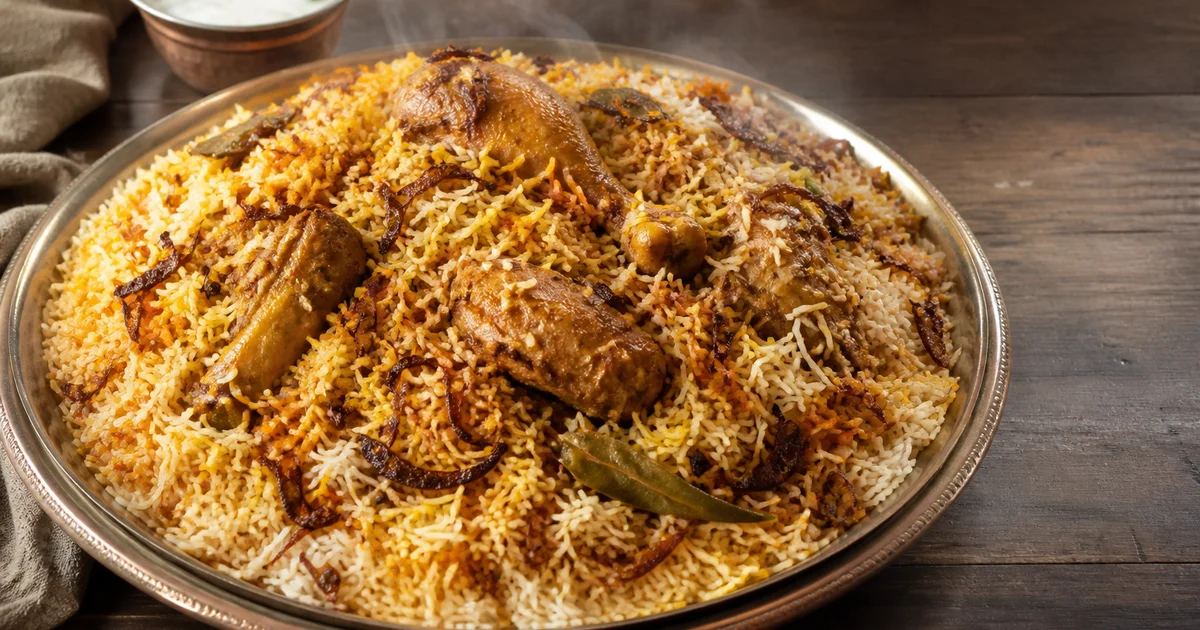
Commercial Chicken Biryani Recipe
A commercial pakki chicken biryani recipe yielding about 40 controlled portions, with guidance on par-cooking rice, dum, holding and scaling.
- Yield:
- about 40 plates
- Total:
- 4 hr 35 min
- Difficulty:
- Medium
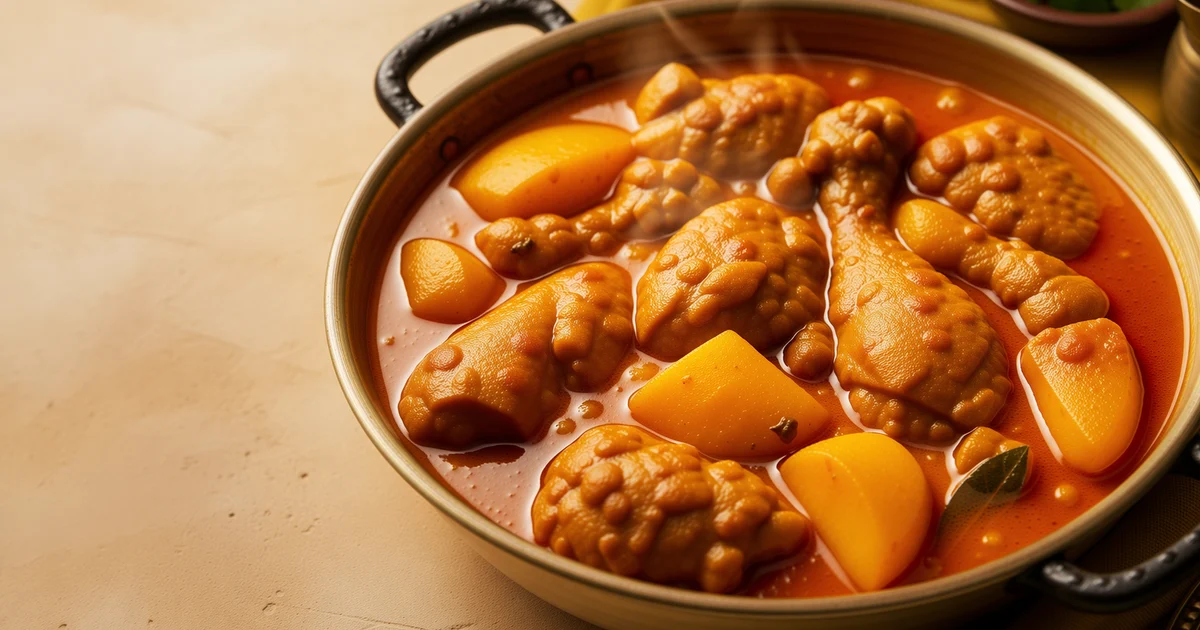
Everyday Chicken Curry
A 40-plate Bangladeshi chicken curry recipe built around reusable base masala, controlled portions and tender chicken for restaurant or food cart service.
- Yield:
- about 40 plates
- Total:
- 2 hr 35 min
- Difficulty:
- Medium
Run your restaurant on Rosuii
POS, menu, inventory, payroll and more — built for Bangladeshi restaurants.
Start free