
Restaurant Recipes
Commercial Bangladeshi Samosa Recipe
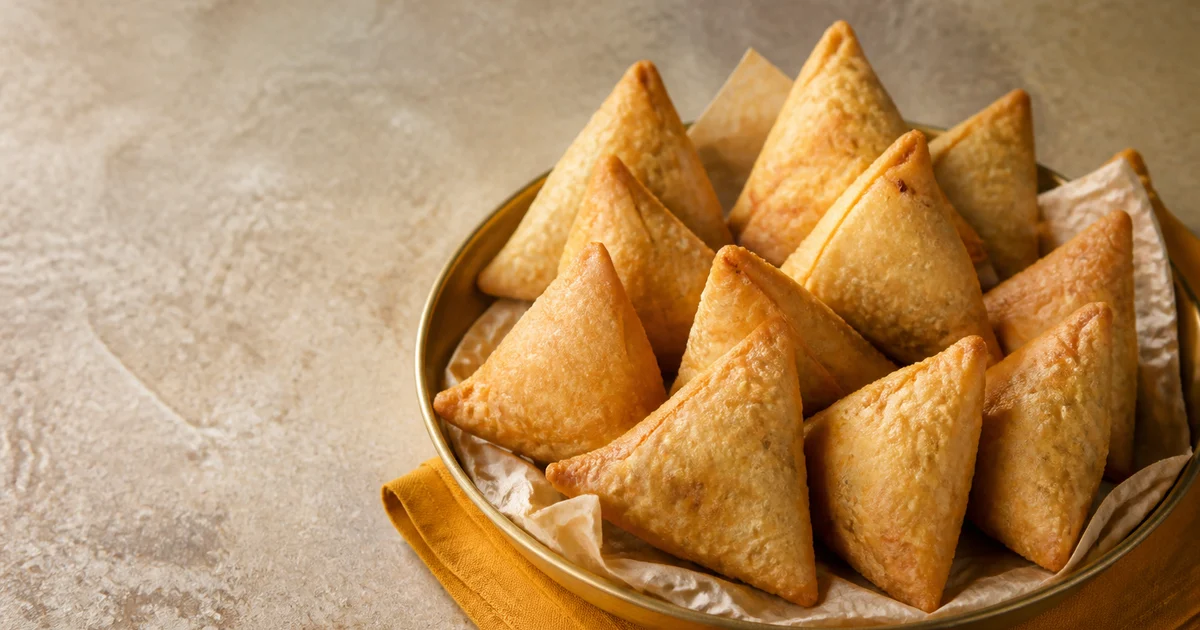
A commercial samosa recipe for 40 crisp beef samosas, with measured wrappers, dry keema filling, freezer staging, frying temperatures and yield control.
- Prep
- 1 hr 15 min
- Cook
- 55 min
- Total
- 2 hr 40 min
- Yield
- 40 medium samosas
- Difficulty
- Medium
- Cuisine
- Bangladeshi
Method
- 1
Mix the pastry dough
Combine 1 kg maida, 20 g salt and kalo jeera, then rub in 120 ml oil for 3 to 4 minutes until a squeezed handful holds together briefly. Add 400 ml water gradually, using up to 50 ml more only if needed, and knead for 5 to 6 minutes into a firm, non-sticky dough.
- 2
Rest dough under cover
Cover the dough tightly and rest it at room temperature for 30 minutes. The surface should remain smooth and flexible without a dry skin; do not leave it beside the hot fryer.
- 3
Cook filling aromatics
Heat 80 ml oil in a wide pan over medium heat, then cook the onion and remaining 8 g salt for 6 to 8 minutes until softened and lightly golden. Add green chilli, ginger and garlic, and cook for 2 minutes until the raw smell disappears without scorching.
- 4
Brown and season beef
Add the beef mince and cook over medium-high heat for 8 to 10 minutes, breaking up lumps continuously. Add coriander, cumin, red chilli, garam masala and black pepper, then cook until the beef reaches at least 74°C and loose liquid has evaporated.
- 5
Dry and cool filling
Fold in the drained peas and cook for 4 to 6 minutes until a channel drawn through the pan remains dry. Add fresh coriander, spread the filling no deeper than 5 cm in shallow trays and cool rapidly to 5°C; it must be cold before shaping.
- 6
Portion wrappers and filling
Divide the rested dough into 20 portions of 72 to 76 g and keep them covered. Weigh the cold filling into 40 portions of 50 g, and mix the reserved 50 g maida with about 70 ml water to make a thick sealing paste.
- 7
Roll and cut wrappers
Roll each dough portion into an even circle approximately 18 to 20 cm across and 1 to 1.5 mm thick. Cut through the centre to create two semicircles, keeping the cut wrappers covered so their edges do not dry.
- 8
Form and seal cones
Brush sealing paste along half of the straight edge, fold into a cone and press the overlap firmly. Add one 50 g filling portion, remove trapped air, apply paste around the open edge and seal without contaminating the seam with filling.
- 9
Stage or freeze samosas
Keep same-day samosas covered at 5°C or below and use within 24 hours. For frozen production, place pieces apart on lined trays and freeze at -18°C for 2 to 3 hours until solid, then pack in counted and dated containers.
- 10
Fry until crisp
Fry chilled samosas at 150 to 155°C for 7 to 8 minutes, then finish at 170 to 175°C for 1 to 2 minutes until evenly golden; frozen pieces may require 10 to 12 minutes in the first stage. Keep batches small, verify a 74°C centre in keema pieces, and drain on a wire rack for 2 to 3 minutes before service.
Notes for your kitchen
This commercial samosa recipe produces 40 medium beef samosas with thin, crisp pastry and a dry keema filling. It is designed for a Bangladeshi food cart, cafe or restaurant kitchen that needs consistent pieces, freezer-ready production and quick frying during service.
Why samosa works commercially
Samosa works well commercially because it can be shaped before service, frozen raw and fried according to demand. This reduces last-minute preparation and allows a small kitchen to serve a fresh hot snack without holding large quantities of cooked food. It can be sold by the piece, as a two-piece plate or in a snack combo, but every sales format should use the same controlled unit size.
A properly shaped raw samosa occupies little freezer space when frozen flat. Once solid, it can be packed in counted bags or food-grade boxes. This makes production planning easier for carts that have a short evening rush or restaurants that need a dependable starter.
Samosa and singara are not the same product
A Bangladeshi samosa normally has a thinner triangular shell and often contains keema, while singara usually has a thicker, flakier shell and a potato-based filling. Local naming can overlap, so each business should define its own specification instead of relying only on the product name.
For this recipe, the target is a medium triangle containing 50 g filling and approximately 38 g raw pastry. A singara dough may use more shortening and thicker rolling, while samosa pastry should be thin enough to crisp without becoming fragile. Calling both products by the same name can create customer complaints and inaccurate costing.
Ingredient quality matters most in the mince, flour and oil
Consistent beef mince, suitable maida and clean frying oil have the greatest effect on samosa quality. Use coarse or medium beef mince with approximately 10 to 15 percent visible fat. Very lean mince becomes dry, while fatty mince releases grease that weakens the seam and increases filling loss.
Use regular commercial maida that forms a firm, smooth dough. Very high-protein flour can make the shell tough, while weak flour may tear during shaping. The onion must be finely and evenly diced so that large wet pieces do not puncture the wrapper. Green peas should be drained fully after blanching.
Soybean oil is practical for frying, but it must be neutral-smelling and free from burnt crumbs. Do not fry samosas in oil used for fish, because the pastry absorbs the smell. Fresh coriander and garam masala provide the final aroma, so add them near the end rather than cooking them for a long period.
The filling must be dry and cold
A samosa filling is ready only when it is cooked through, visibly dry and completely cold before wrapping. Wet keema creates steam inside the shell, softens the base and can force open the seam. Stir the filling across the pan surface rather than leaving it in a deep mound, and continue cooking until no liquid collects when a clear space is made in the centre.
Use a wide pan for faster evaporation. A deep stockpot slows moisture removal and encourages the mince to boil instead of brown. The cooked beef must reach at least 74°C. After cooking, spread the filling in shallow trays so it passes from 60°C to 21°C within 2 hours and from 21°C to 5°C within a further 4 hours.
Keema and vegetable filling
Keema gives a richer, higher-cost samosa, while vegetable filling is cheaper but requires stricter moisture control. For a full vegetable batch of the same yield, use approximately 1.7 kg boiled, cooled and roughly crushed potato with 500 g drained peas as the filling base. Reduce the onion to about 350 g, retain the spice profile and cook until the mixture is dry enough to hold its shape.
Do not replace raw beef with the same raw weight of potato and expect the same yield. Establish a finished filling target of about 2 kg, then portion 50 g per piece. Keep separate labels, utensils and storage boxes for beef and vegetable production.
Pastry technique controls crispness
Firm dough with properly rubbed-in oil produces a crisp shell that resists bubbling and cracking. Rub the oil into the maida until a squeezed handful holds briefly, then add water gradually. The finished dough should be firmer than paratha dough and should not stick to the table.
Resting allows moisture to distribute and makes rolling easier without adding excess water. Keep the dough covered because a dried surface creates cracks along the cone edge. Roll each circle evenly, especially near the centre, and avoid paper-thin edges that tear under filling pressure.
The sealing paste should be thick enough to cling to the pastry. Apply it across the full seam, press out trapped air and check the two bottom corners. Excess filling on the seam prevents bonding and is one of the most common causes of leakage.
Scale by unit weight, not guesswork
The safest way to scale this recipe is to multiply the dough and filling targets by the required number of samosas. Keep wrapper dough at about 38 g and cooled filling at 50 g per piece. For 80 pieces, double the ingredients but produce the filling in two pans unless the kitchen has a pan with enough surface area for proper evaporation.
Flour can vary in water absorption, so do not pour in all the water automatically when scaling. Keep the oil-to-flour ratio unchanged and adjust only the final water by feel. Fryer capacity also does not double with the recipe. Maintain small frying loads so the oil temperature falls by no more than about 10°C.
Weigh the first ten wrappers and fillings of every batch. If those pieces are correct, continue production with periodic checks. The practical controls in a commercial kitchen are explained further in this portion control guide.
Freeze shaped samosas for the rush
Raw shaped samosas should be frozen individually before they are packed together. Arrange them seam-side up on lined trays without touching and freeze at -18°C until hard, usually 2 to 3 hours in a working commercial freezer. Transfer them into labelled, counted packs only after the shell is solid.
Mark the product, filling type, production date and quantity on every pack. For best shell quality, use frozen raw samosas within 4 weeks and keep them continuously at -18°C or below. Fry directly from frozen rather than thawing, because thawing creates condensation and weakens the seam.
Refrigerated raw samosas should be covered and used within 24 hours. Do not leave shaped pieces at room temperature through the service period, especially when they contain cooked beef.
Frying and oil management protect the margin
Samosas need a controlled low-temperature cook followed by a short hotter finish. Starting at very high heat colours the shell before the centre is hot and can create large blisters. Keep the first stage around 150 to 155°C, then finish at 170 to 175°C for an even golden colour and crisp surface.
Do not crowd the fryer. A 5-litre fryer generally handles about 6 to 8 medium samosas at one time, depending on basket area and actual oil volume. Confirm that the centre of a cooked keema samosa reaches 74°C, especially when frying from frozen.
Skim crumbs between batches and filter cooled oil at the end of each operating day. Do not keep topping up old oil indefinitely. Replace oil when it becomes persistently dark, foams, smells stale, smokes at normal frying temperature or gives the pastry a bitter finish. Recording leaks, rejected pieces and discarded oil supports better reducing wastage decisions.
Holding and reheating require short limits
Freshly fried samosas are best sold within 30 to 45 minutes. Drain them on a rack rather than stacking them in a deep tray, where trapped steam softens the shell. If hot holding is necessary, keep them above 60°C in a dry cabinet with airflow and avoid covering them tightly.
Reheat refrigerated cooked samosas in a 180°C convection oven for 6 to 8 minutes, or until the centre reaches 74°C. Do not microwave them for sale because the pastry becomes soft. Reheat only once, and record any unsold pieces according to the kitchen's food-safety and wastage procedure.
Yield control keeps cost stable
This batch should produce 40 saleable samosas when every wrapper and filling portion is weighed. Count cones, filled pieces, frozen stock, fried pieces and rejects separately. A batch that produces only 36 pieces has raised the filling and pastry cost per sale even if no ingredient purchase price changed.
Beef mince and frying oil cause the largest cost movement, followed by cooking oil loss from leaking pieces. Standardised trimming, dry filling, secure seals and controlled fryer loads reduce that movement. Use recipe costing based on actual purchase units and actual batch yield, not an estimated number of pieces.
Rosuii's productions feature can record raw materials converted into a counted finished samosa batch, while wastage records can capture leaking, burnt or unsold units. Keep beef and vegetable samosas as separate production items because their ingredient costs and yields differ.
Common mistakes waste product and oil
The costliest samosa mistakes are wet filling, weak seams, uncontrolled portions and overloaded frying oil. Wet filling causes splits, while overfilled cones are difficult to close and often leak. Underfilled pieces save little and create an inconsistent customer experience.
- Adding extra flour during rolling: Loose flour burns in the fryer and darkens the oil.
- Using warm filling: Heat softens the dough and creates condensation inside the cone.
- Rolling uneven wrappers: Thin spots blister or tear before the thicker areas cook.
- Frying too hot: The outside colours quickly while the seam and centre remain underheated.
- Stacking after frying: Steam condenses between pieces and removes crispness.
- Mixing production dates: Unlabelled freezer stock leads to ageing, breakage and avoidable disposal.
What drives the cost
Beef mince is the main filling cost, while soybean oil becomes a major operating cost when fryer turnover is high. Mince fat content, cooking loss, oil absorption, leakage and the number of saleable pieces produced from each batch cause the cost to move.
Ingredient rates move with the market, so this describes what drives the cost rather than quoting a figure.
Questions from kitchens
Can this samosa recipe be doubled to 80 pieces?
How long can fried samosas be held for service?
Should frozen samosas be thawed before frying?
How long can shaped samosas be stored?
Why did the batch produce fewer than 40 samosas?
Related recipes
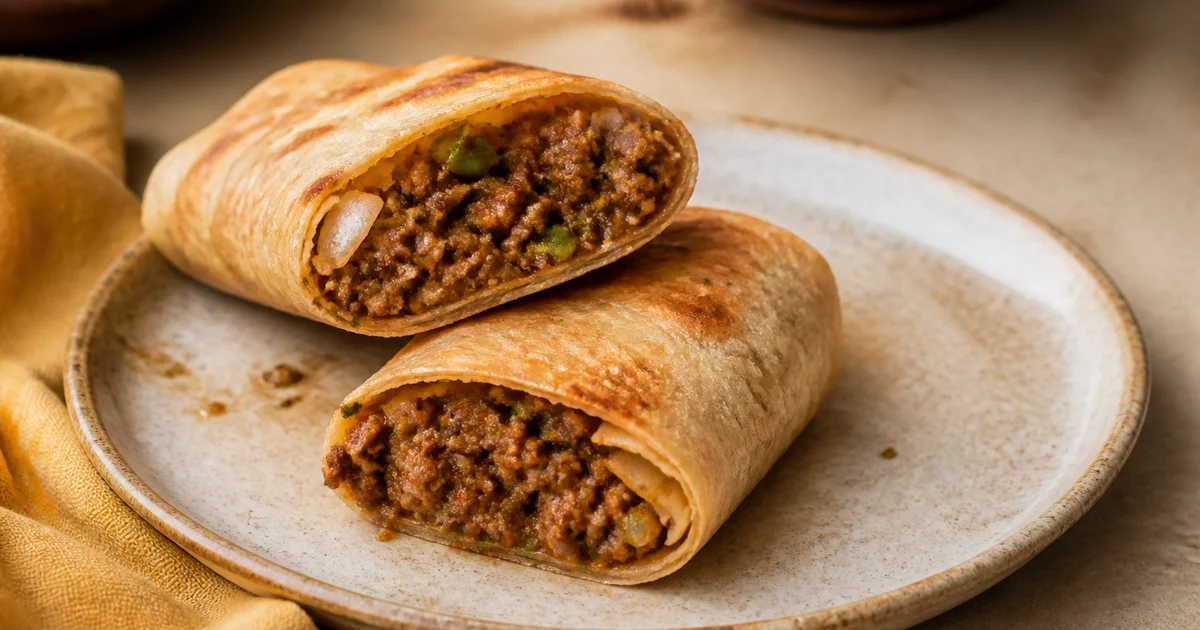
Commercial Bangladeshi Beef Roll Recipe
A commercial beef roll recipe producing 40 consistent rolls with tender cooked-down beef, crisp vegetables, controlled moisture and practical service guidance.
- Yield:
- 40 beef rolls
- Total:
- 1 hr 35 min
- Difficulty:
- Medium
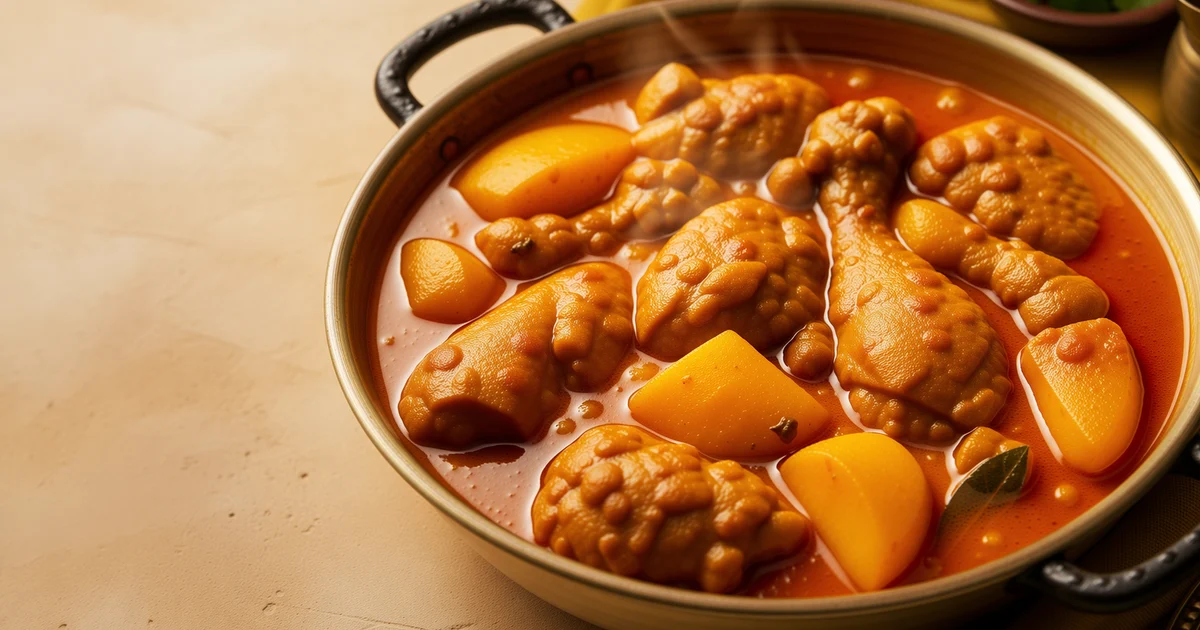
Everyday Chicken Curry
A 40-plate Bangladeshi chicken curry recipe built around reusable base masala, controlled portions and tender chicken for restaurant or food cart service.
- Yield:
- about 40 plates
- Total:
- 2 hr 35 min
- Difficulty:
- Medium
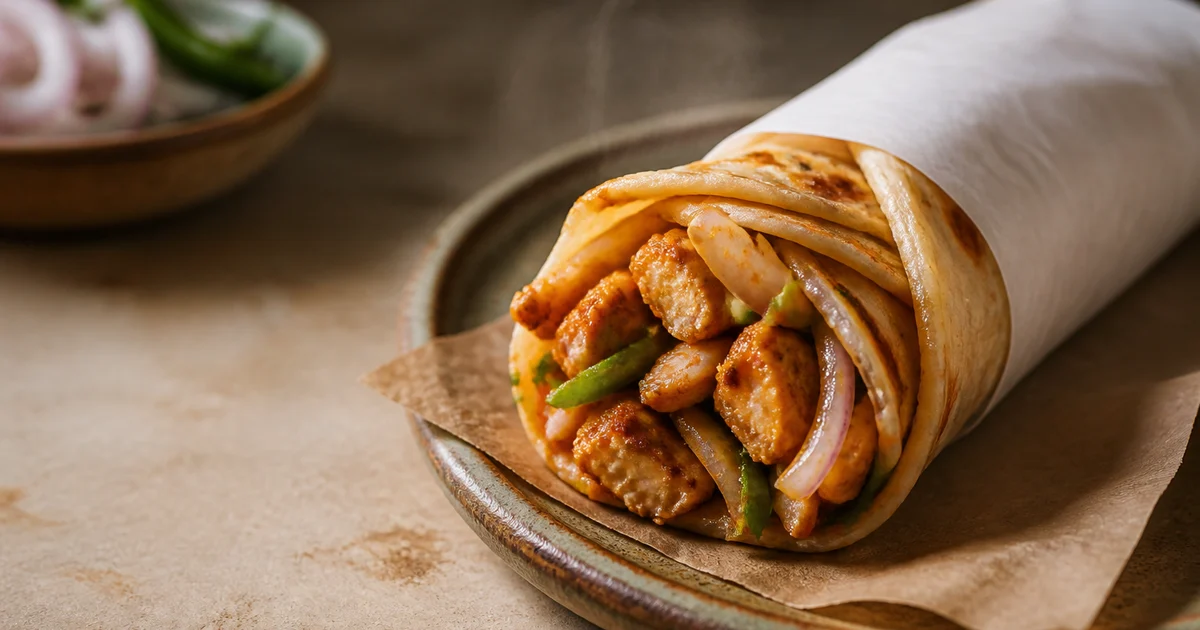
Commercial Bangladeshi Chicken Roll Recipe
A commercial chicken roll recipe producing 40 large rolls with flaky paratha, spiced chicken, egg, fresh vegetables and controlled portions.
- Yield:
- 40 large chicken rolls
- Total:
- 2 hr 30 min
- Difficulty:
- Medium
Run your restaurant on Rosuii
POS, menu, inventory, payroll and more — built for Bangladeshi restaurants.
Start free