Restaurant Ordering App: Your Own Storefront, Commission-Free
A restaurant ordering app on your own branded storefront lets customers order from you directly, commission-free, with their details staying yours. Here is how it compares to a marketplace and how Rosuii sets one up.
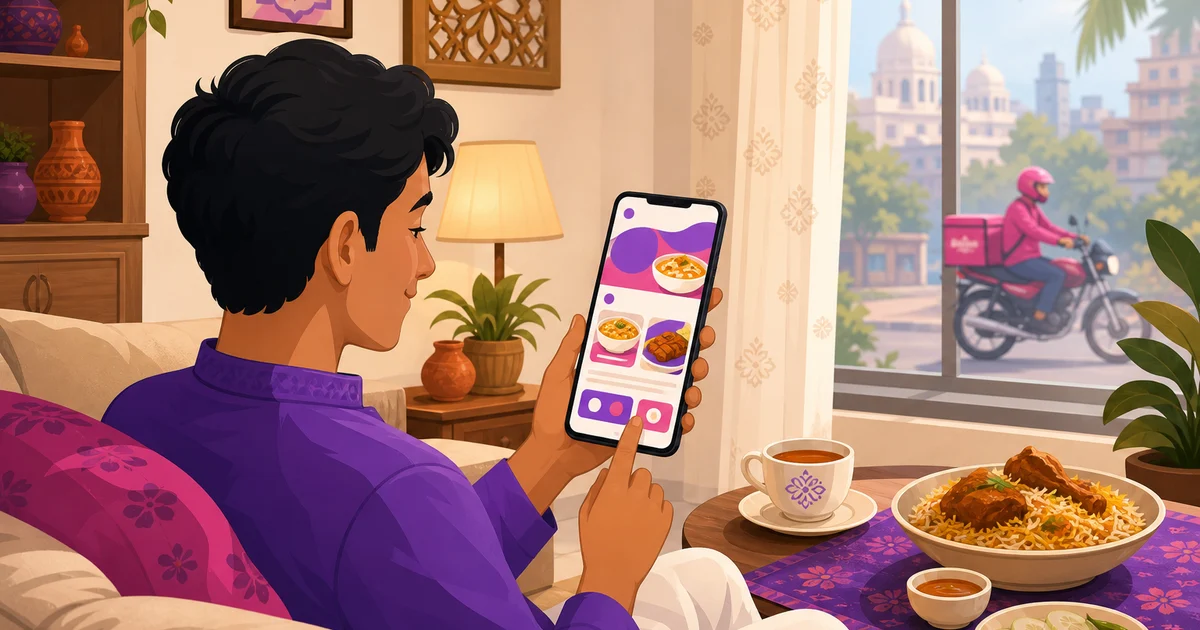
When a customer wants to order from your restaurant, where do they go? For most kitchens in Bangladesh the honest answer is foodpanda or Pathao, which means a platform sits between you and your own customer and takes a cut of every order. A restaurant ordering app flips that: your own branded ordering page, on your own web address, where customers come straight to you and the whole bill stays with you. This guide explains what a restaurant ordering app is, how it compares to selling through a marketplace, and how Rosuii gives every restaurant its own commission-free storefront from day one.
We will be clear about what kind of ordering app this is, because the word covers a few things, and then walk through the real benefits and how it fits with the marketplaces you may already use. We use Rosuii as the running example, described honestly.
What a restaurant ordering app actually is
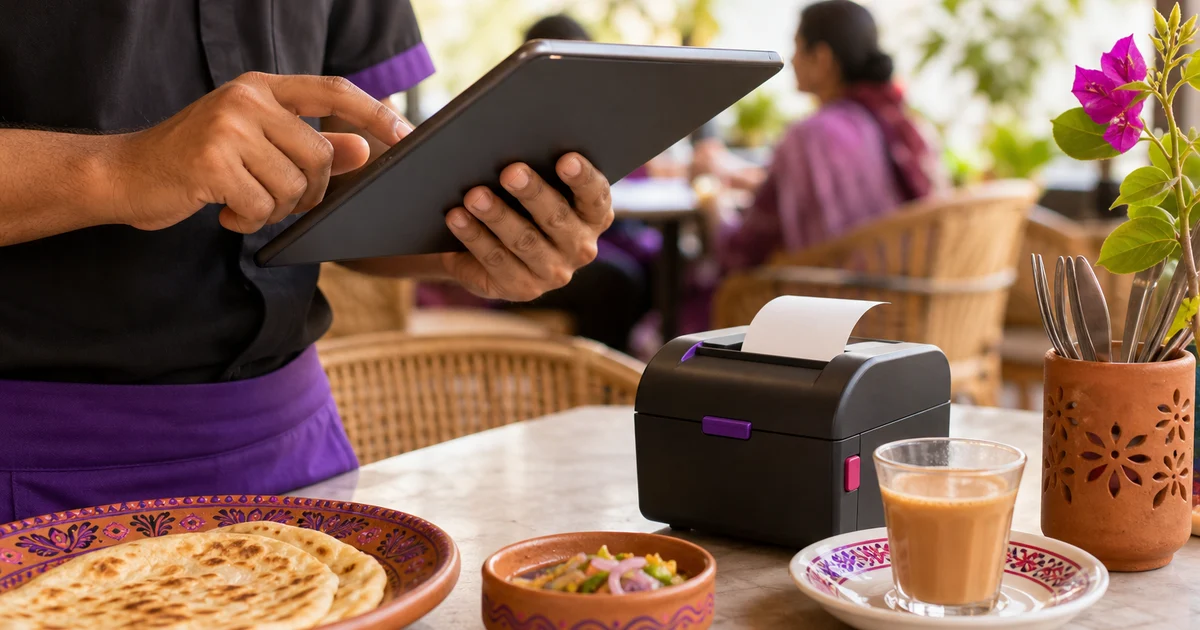
A restaurant ordering app, in the sense that matters for your margins, is a digital storefront customers use to order from you directly. They open it on their phone, browse your menu, build an order, choose pickup or delivery, and pay, all on a page that carries your name, not a marketplace's. The key point is ownership: it is your channel, your menu, your prices and your customer, with no commission skimmed off the top.
It is worth being precise about form. Rosuii's ordering app is a branded online ordering storefront delivered on the web, on your own subdomain, that works smoothly on a phone like an app. It is not a separately listed native app you publish in the Apple or Google app stores; it is a fast, modern web storefront customers reach by link or QR. For most restaurants in Bangladesh that is exactly right, because a customer is far more likely to tap a link you share on Facebook or print on a flyer than to hunt for and install yet another app. If app-store listing is a hard requirement for you, that is fair to note as a difference from what Rosuii provides today.
Your own app vs a marketplace
This is the comparison that decides where your delivery profit goes. Marketplaces and your own ordering app are not enemies, and most restaurants benefit from both, but they play very different roles.
| Aspect | Marketplace (foodpanda, Pathao) | Your own ordering app (Rosuii) |
|---|---|---|
| Commission per order | A cut of every order | Commission-free |
| Who owns the customer | The platform | You, in your customer directory |
| Branding | The platform's look | Your name and your storefront |
| Reach to new customers | High, ready audience | You drive traffic to it |
| Prices and offers | Within platform rules | Your prices, your coupons, your loyalty |
| Where orders land | A separate tablet | Same system as your counter |
The honest way to read this table: a marketplace is good at one thing, putting you in front of people who have never heard of you. Your own ordering app is good at everything after that, keeping the customers you have already won without paying a toll on every repeat order. The smart move is to use marketplaces for discovery and your own app to keep regulars, which our guide on online ordering system vs marketplace works through in detail, alongside reducing foodpanda commission.
Why commission-free changes the maths
Marketplace commission is not a small line. On thin restaurant margins, the cut a platform takes can be the difference between a delivery order that earns and one that barely breaks even. When the same customer orders the same meal through your own app instead, you keep the full bill. Over a month of repeat orders from regulars, that adds up to a real number, and it is money you were quietly paying to rent back customers who already love your food. Our commission-free online ordering guide puts figures to it.
There is a second, quieter benefit: you own the customer relationship. Every order through your own app builds a record in your customer directory, keyed by phone number, with order history and loyalty points. On a marketplace, that customer is the platform's; you may not even get their number. Owning it means you can reward repeat orders, run your own coupons, and bring people back on your terms. Rosuii's built-in loyalty program and CRM are made for exactly this.
How a Rosuii ordering app works end to end
The reason an own-channel ordering app is worth having is that it is not a separate island; it plugs into the same system that runs your restaurant. Here is the flow with Rosuii.
- Every restaurant gets a branded online ordering storefront on its own subdomain, set up without any DNS or hosting work on your side.
- You build your menu once, with items, variations, add-ons, combos, images and bilingual names; the same menu powers your counter, your QR table ordering and your storefront, so prices never drift apart.
- A customer opens the storefront, browses, adds items to a cart, and checks out for pickup or delivery.
- They pay online with real bKash or Nagad, or choose cash on delivery; card is a placeholder for now, so the working rails are bKash, Nagad and COD.
- The order lands in the same system as your counter and appears on the kitchen display alongside dine-in and takeaway, so the line works one queue.
- The customer record, loyalty points and the sale all update automatically, feeding your reports.
Because it is one system, you are never reconciling a separate ordering app against your POS at the end of the night. To see the storefront side in context, read online food ordering in Bangladesh, and for the table version of the same idea, QR table ordering.
Driving customers to your own app
The one job a marketplace does for you that your own app does not is bring strangers. So an own-channel ordering app only pays off if you point people at it, and the good news is that is cheap and within your control. Share the link on your Facebook page and Instagram, put a QR code on the table tents, the receipt and a flyer in every delivery bag, and tell walk-in customers they can order direct next time. Offer a small loyalty perk or a coupon for ordering on your own page, and regulars will switch over time. Each one who does is a customer you stop paying commission on, every order, for as long as they keep ordering. For ideas on the wider online presence that feeds this, our restaurant management software overview shows how the storefront sits inside the whole platform.
The ordering experience matters too
Customers will only come back to your own page if ordering there feels easy. A storefront that is slow, confusing or shows a stale menu pushes people back to the marketplace, commission and all. Because Rosuii's storefront runs off the same live menu as your counter, prices, items, photos and what is in stock stay current without a second update, so a customer never orders something you stopped selling last week. The page is built to open fast on a phone and to make building an order simple: pick items, choose a size or add-on, add a note, check out. Bilingual menus mean a customer reads it in Bangla or English, whichever they prefer. The smoother that experience, the more of your regulars choose your page over a platform out of habit, and habit is exactly what turns a one-off commission saving into a steady one. For the broader storefront picture, see online food ordering in Bangladesh.
One honest note on internet
Rosuii is a cloud system delivered as a browser app. Your online ordering storefront is online by nature, since customers reach it over the web, so it needs a connection to take orders. Your counter is more resilient: the POS caches your menu on the device and queues orders during an outage, then syncs them automatically when the line returns, so a dropped connection at the till never loses a sale. It is still worth a mobile-data backup at the restaurant so incoming storefront orders keep flowing, and so online payment confirmation with bKash and Nagad stays available. The trade-off buys you automatic backups, instant updates and your storefront, POS and reports all in one place.
Where Rosuii fits
Rosuii gives every restaurant in Bangladesh its own commission-free ordering app: a branded online ordering storefront on its own subdomain, sharing one menu with your counter and QR ordering, taking real bKash and Nagad plus cash on delivery, and feeding orders straight to your kitchen display and reports. The customer stays yours, in your directory, with loyalty and coupons to bring them back, so you keep regulars off the commission meter while still using marketplaces for reach. Each restaurant runs on its own isolated database, all in the browser on hardware you already own, with a free plan to start and paid plans from ৳500 to ৳2,500 a month, no setup fee, and online ordering is included from the Starter plan up. For the marketplace comparison, see commission-free online ordering; to connect platforms too, see integrating foodpanda and Pathao.
Want your own ordering app where customers come straight to you and the whole bill stays with you? Create your free Rosuii account and set up your branded storefront, menu and payments today.
Last updated:
Frequently asked questions
What is a restaurant ordering app?
Is the Rosuii ordering app a native app in the app stores?
How is an own ordering app better than foodpanda or Pathao?
What payment methods does the Rosuii ordering app support?
Do orders from my own app and the counter end up in the same place?
Run your restaurant on Rosuii
POS, menu, inventory, payroll and more — built for Bangladeshi restaurants.
Start free