
Restaurant Recipes
Chicken Wings Recipe
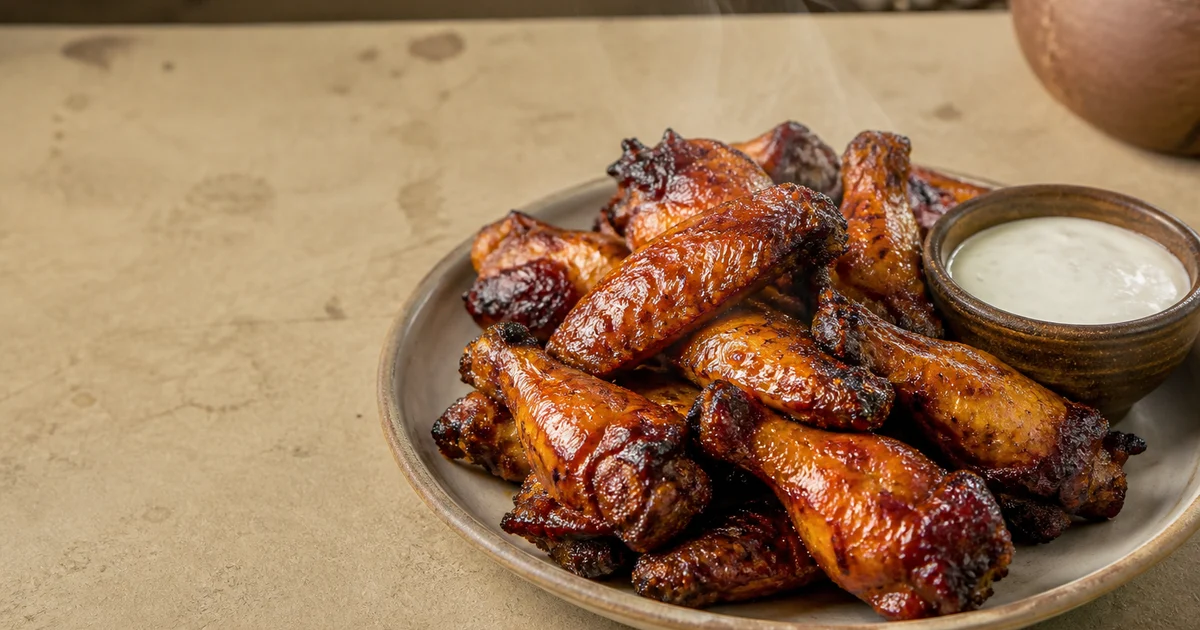
A commercial chicken wings recipe for 40 five-piece plates, using dry brining, double frying and order-time saucing for crisp, controlled service.
- Prep
- 45 min
- Cook
- 1 hr 30 min
- Total
- 14 hr 15 min
- Yield
- about 40 five-piece plates
- Difficulty
- Medium
- Cuisine
- Continental
Method
- 1
Check and count wings
Keep the wings at 5°C or below while checking size and condition. Remove remaining tips, feathers, bruised pieces and broken fragments, then record the usable piece count; the target is 190 to 210 pieces.
- 2
Apply the dry brine
Combine the salt, baking powder, garlic powder, paprika, chilli powder and black pepper until uniform. Toss with the wings for 2 to 3 minutes, making sure no concentrated pockets of baking powder remain.
- 3
Refrigerate wings uncovered
Spread the seasoned wings in single layers on wire racks over trays. Refrigerate uncovered at 5°C or below for 6 to 12 hours, until the skin looks dry and slightly tacky rather than wet.
- 4
Coat the wings lightly
Mix the cornflour and plain flour, then toss the cold wings in the mixture shortly before frying. Shake away loose flour; the surface should have a thin, even dusting without thick white clumps.
- 5
Heat the frying oil
Preheat clean frying oil to 160°C. Load only enough wings to remain mostly in one layer, allowing the oil to recover above 150°C within about 2 minutes.
- 6
Complete the first fry
Fry each load for 8 to 11 minutes, turning or shaking once, until lightly golden. Check several large drumettes with a sanitised probe and continue cooking until the centre reaches at least 74°C.
- 7
Drain and cool safely
Drain the cooked wings on racks for 5 minutes without stacking. For later service, cool in a single layer from 60°C to 21°C within 2 hours and then to 5°C within another 4 hours before covering and labelling.
- 8
Prepare the wing sauce
Combine the hot chilli sauce, melted butter, honey, soy sauce, vinegar and minced garlic. Heat to 75°C while stirring, then hold above 60°C for immediate service or cool rapidly to 5°C or below for refrigerated storage.
- 9
Finish fry to order
Raise the fryer to 190°C and fry one portion or a small basket of first-fry wings for 2 to 3 minutes. Remove them when the crust is deep golden, bubbling has reduced and the centre is steaming hot.
- 10
Toss and portion
Place five wings in a clean bowl with 45 to 50 g warm sauce and toss for 10 to 15 seconds. Transfer immediately to the serving plate or ventilated box, garnish with spring onion and serve without holding.
Notes for your kitchen
This commercial chicken wings recipe produces about 200 crisp wing pieces, enough for 40 plates of five pieces each. It is designed for Bangladeshi restaurants, cafes and food carts using a commercial fryer. The wings are dry-brined, lightly coated, cooked fully in a first fry and finished at high heat when ordered. A spicy garlic sauce is included, but the same production system works for barbecue, honey mustard or dry-rub variations.
Why chicken wings work commercially
Chicken wings work well on a commercial menu because one prepared batch can support several flavours and portion sizes. The kitchen can sell plain crispy wings, spicy garlic wings or combo meals without changing the main production method. Sauce is added only after the finishing fry, so the base stock stays flexible and unsold wings are not trapped in one flavour.
Wings are also suitable for food carts because service requires only a fryer, sauce containers, a mixing bowl and accurate portioning. The main operational risk is inconsistent piece size. A plate containing five large drumettes costs more than a plate containing five small flats, even though both have the same piece count. Supplier specification, mixed-piece portioning and regular yield checks are therefore essential.
Selecting wings and ingredients
Wing size and condition matter more than expensive seasoning. Buy chilled or properly frozen wings with intact skin, clean joints and no excessive retained water. Avoid cartons containing many broken bones, loose skin, bruised pieces or thick ice glaze because these reduce usable yield and interfere with crisping.
Control the supplier specification
A 10 kg batch should be checked by both weight and usable piece count before production. This recipe targets approximately 190 to 210 split pieces after tips are removed. If a supplier delivers unusually large wings, 10 kg may produce fewer plates even though the purchase weight is unchanged. Record the actual drumette and flat count from each delivery and discuss repeated variation with the supplier.
Use a balanced mix of flats and drumettes in every portion. If customers are allowed to choose only drumettes, create it as a separate variation with its own portion and costing. Do not quietly substitute extra pieces because the current carton contains smaller wings.
Use a measured dry brine
A dry brine seasons the meat while keeping the surface drier than a liquid brine. Salt is set at approximately 1 percent of raw wing weight, while baking powder is below 1 percent. Baking powder raises surface alkalinity and supports browning, but too much creates a bitter or chemical taste. It must not be replaced with baking soda at the same quantity.
Apply the dry mixture evenly and refrigerate the wings uncovered on racks for 6 to 12 hours. Air circulation dries the skin, which is a major part of the crisp result. Do not leave raw wings at room temperature to speed up brining. For a faster same-day batch, allow at least 2 hours under refrigeration, but expect slightly less even seasoning and drying.
Building a crisp coating
A thin, dry coating stays crisper than a heavy wet batter after sauce is added. Cornflour provides a brittle surface, while plain flour gives enough structure to prevent the coating from falling away. The wings should look lightly dusty rather than buried under flour. Shake off loose coating before loading the fryer because excess flour burns in the oil and increases filtration and oil replacement.
Keep raw coated wings on perforated trays or racks, not piled in deep containers. Piling creates damp patches where the coating turns into paste. Coat close to frying time, especially in humid weather. If condensation appears after wings leave the refrigerator, return them to a cold, ventilated rack briefly rather than adding more flour repeatedly.
Use a controlled double fry
The first fry cooks the chicken safely, and the second fry restores a dry, crisp surface for service. Fry at 160°C in manageable loads until the thickest pieces reach at least 74°C internally. A fryer basket should not be packed so tightly that wings overlap heavily or the oil falls below about 150°C.
The finishing fry at 190°C removes surface moisture and reheats the centre. It should produce active bubbling, a firm crust and an even golden-brown colour without black spice spots. Filter the oil daily and skim crumbs between loads. Old oil darkens the coating early, creates bitter flavours and makes visual doneness difficult to judge.
Toss sauce only to order
Sauce should be portioned and tossed only after the final fry. Use approximately 45 to 50 g of sauce for each five-piece plate, then toss for 10 to 15 seconds. This coats the wings without leaving a pool in the serving box. Heavy saucing increases cost and softens the coating before the customer receives it.
Keep warm sauce covered and use a clean measured ladle or squeeze bottle. Do not return leftover sauce from a tossing bowl to the main container because it may contain crumbs and chicken juices. For takeaway orders, vent the box where possible and keep wet dips separate.
Scaling the batch correctly
Scale seasonings from raw wing weight, but calculate sellable portions from actual piece count. For a 5 kg batch, use exactly half of every dry-brine, coating and sauce quantity. For 20 kg, double the formula but mix and fry in separate 10 kg production lots so seasoning coverage and refrigerator airflow remain manageable.
Fryer capacity does not increase just because the recipe is doubled. Keep the load per basket unchanged and add more frying cycles. Before changing batch size, test how long the oil takes to recover to its set temperature. Slow recovery produces greasy wings and reduces hourly output.
Holding and reheating for service
Fully cooked first-fry wings should be cooled rapidly, refrigerated at 5°C or below and finished as orders arrive. Arrange them in a single layer immediately after frying so steam can escape. If they are being saved for later service, cool from 60°C to 21°C within 2 hours and from 21°C to 5°C within the next 4 hours.
Use refrigerated first-fry wings within 24 hours for the best commercial quality. Keep containers labelled with production time and batch identification. During a rush, a small quantity may be held hot above 60°C, but crispness declines quickly; aim to sell it within 30 minutes and never mix an older holding batch with a fresh one. Do not partially fry chicken, leave it at ambient temperature and finish it later.
Portioning and yield control
Every plate should be issued by a fixed piece count and a defined mix of flats and drumettes. For this batch, use five pieces per standard plate and target a balanced mix rather than allowing staff to grab randomly. Count the total usable pieces after trimming and divide by five before declaring the production yield.
Weigh several finished five-piece portions as an audit, but do not replace piece counting with weight alone. A useful portion control routine is to pre-count first-fry wings into labelled service trays or use a five-piece basket scoop procedure. Record broken pieces, dropped food and rejected wings instead of hiding them inside oversized portions.
Mistakes that cost money
The most expensive mistakes are uncontrolled size, overloaded frying, excessive sauce and unrecorded waste. Buying only by kilogram without checking count can reduce the number of plates. Overloading lowers oil temperature, increases absorption and may require a second long fry. Sauce poured without a measure creates large variation between cooks.
- Wet skin: Condensation prevents browning and makes flour detach.
- Too much baking powder: The surface tastes bitter and may show pale residue.
- Warm raw storage: This creates a food-safety risk and shortens usable shelf life.
- Mixed production dates: Staff cannot apply first-in, first-out rotation reliably.
- Saucing in advance: Crisp wings become soft before sale and are more likely to be rejected.
Keeping the cost stable
Stable wing cost comes from controlling supplier piece size, oil condition, sauce dosage and sellable yield. Compare supplier cartons by usable pieces per kilogram, not purchase weight alone. Build the standard plate through formal recipe costing, then review the actual food cost percentage when chicken or frying oil conditions change.
Rosuii can be used to record a wing production that turns raw stock into a counted finished batch, while wastage records show broken, burnt or expired pieces. Reconcile opening first-fry stock, new production, plates sold and closing stock daily. A count difference usually points to oversized portions, staff meals, unrecorded waste or poor sales entry.
What drives the cost
Chicken wings dominate the cost, and the usable piece count per kilogram moves that cost more than seasoning does. Frying oil condition, sauce portion size, trimming loss and supplier variation are the main secondary cost drivers.
Ingredient rates move with the market, so this describes what drives the cost rather than quoting a figure.
Questions from kitchens
How do I scale this chicken wings recipe to 5 kg or 20 kg?
How long can first-fry wings be refrigerated?
Can baking soda replace baking powder?
Can finished wings be held hot during a rush?
What if 10 kg produces fewer than 200 pieces?
Related recipes
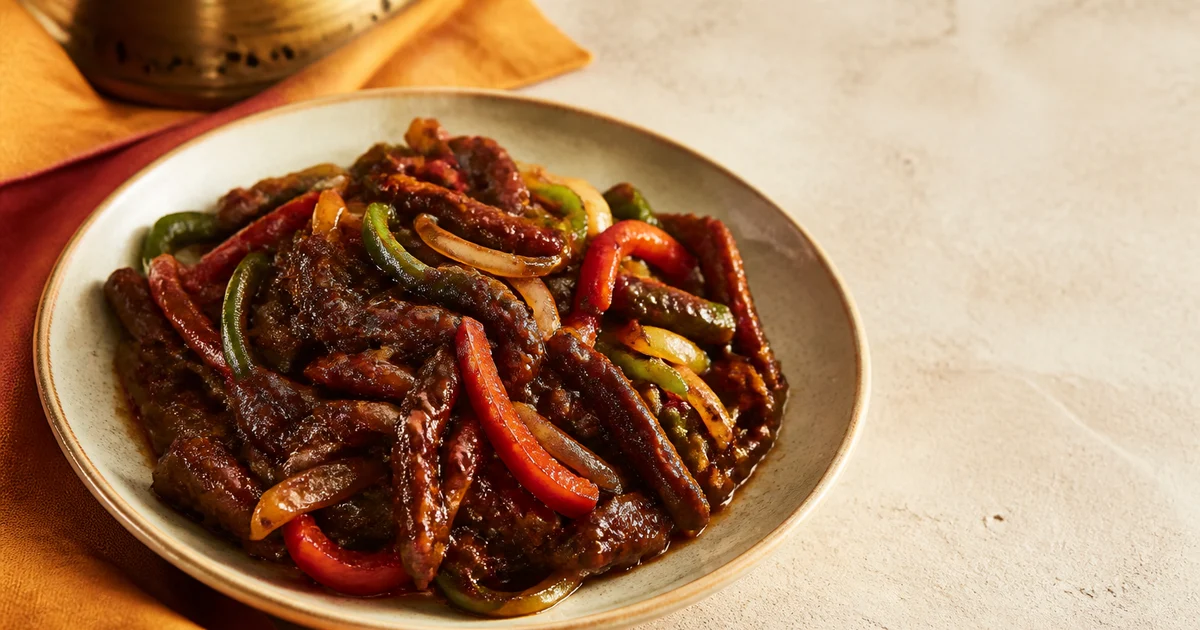
Beef Chilli Onion
A commercial beef chilli onion recipe for 40 plates, covering tender beef slicing, velveting, fast wok finishing, portion control and safe service holding.
- Yield:
- about 40 plates
- Total:
- 1 hr 45 min
- Difficulty:
- Medium
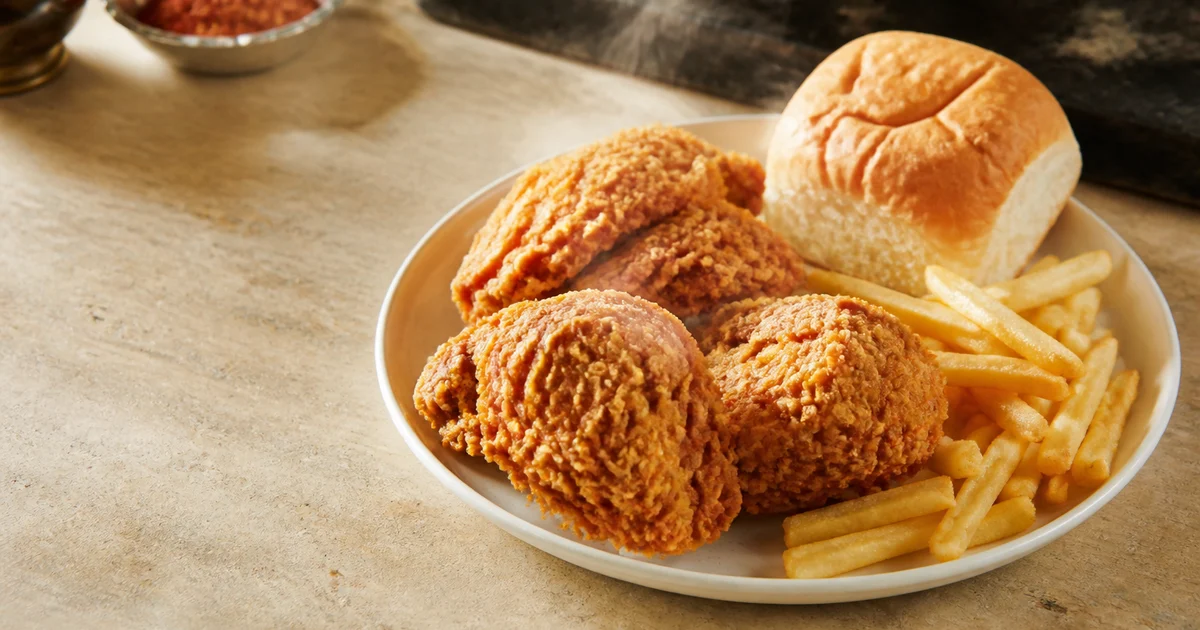
Commercial Chicken Broast Recipe
A commercial chicken broast recipe for 40 plates, with controlled marination, crisp double coating, two frying methods and practical holding guidance.
- Yield:
- about 40 plates
- Total:
- 1 hr 45 min
- Difficulty:
- Medium
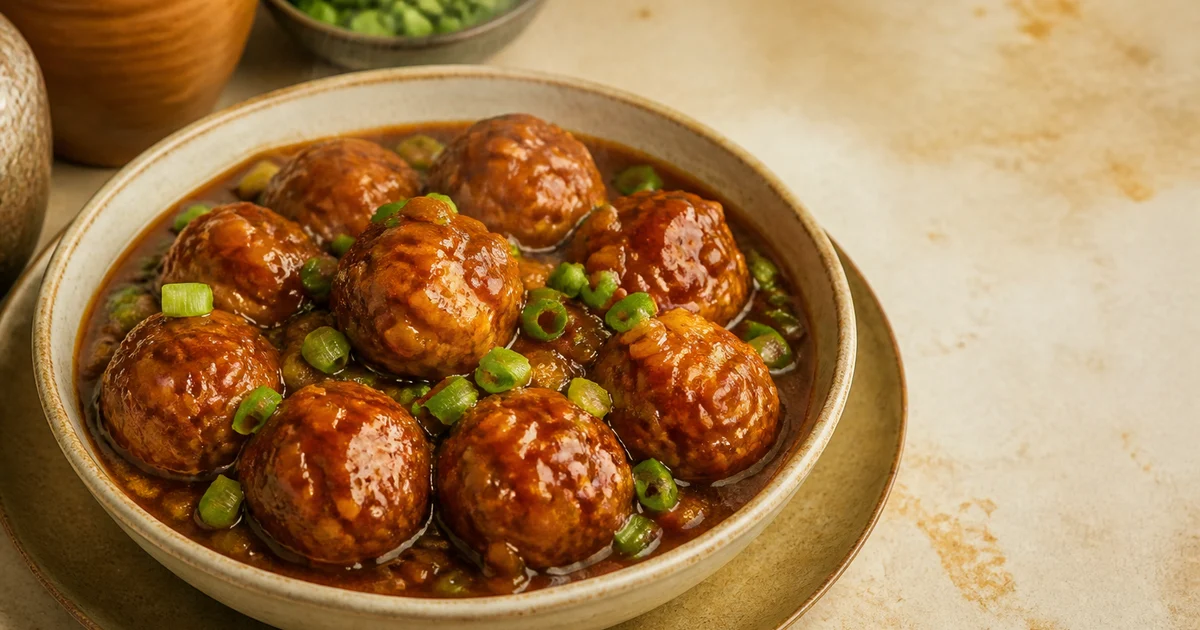
Commercial Chicken Manchurian Recipe
A 40-plate chicken Manchurian recipe with measured balls, a service-ready gravy base, controlled frying and practical holding guidance.
- Yield:
- about 40 plates
- Total:
- 2 hr
- Difficulty:
- Medium
Run your restaurant on Rosuii
POS, menu, inventory, payroll and more — built for Bangladeshi restaurants.
Start free