
Restaurant Recipes
Commercial Chicken Broast Recipe
A commercial chicken broast recipe for 40 plates, with controlled marination, crisp double coating, two frying methods and practical holding guidance.
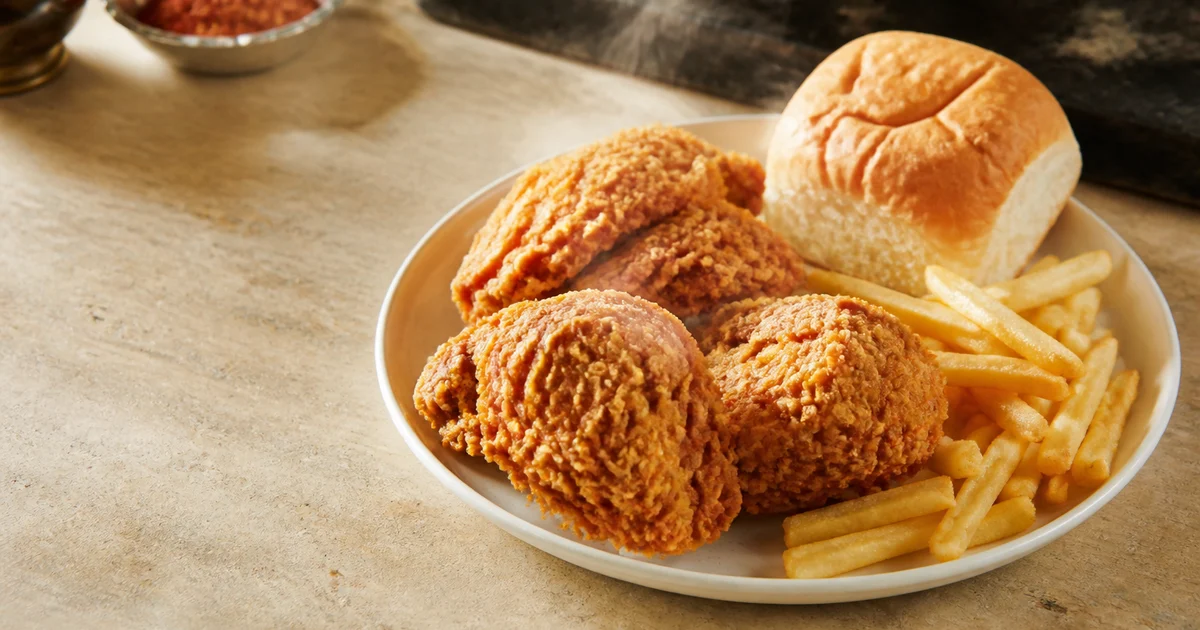
- Prep
- 45 min
- Cook
- 1 hr
- Total
- 1 hr 45 min
- Yield
- about 40 plates
- Difficulty
- Medium
- Cuisine
- Continental
Method
- 1
Inspect and portion chicken
Keep the chicken at 0 to 4°C while trimming excess fat, pin feathers and damaged skin. Quarter each bird through the joints to produce 20 breast-wing and 20 leg-thigh portions of similar size.
- 2
Prepare the cold marinade
Dissolve 250 g salt and the sugar in 5 L water, then mix in the ginger paste, garlic paste, 25 g white pepper and 35 g paprika. The marinade must be below 5°C before the raw chicken is added.
- 3
Marinate under refrigeration
Submerge the chicken, cover the tub and refrigerate at 0 to 4°C for 8 to 12 hours. Turn the pieces once after 4 hours if they are not completely submerged, and do not exceed 24 hours.
- 4
Drain and temper briefly
Drain the quarters on a rack under refrigeration for 20 to 30 minutes until they are moist but no longer dripping. Keep them below 5°C and never leave raw chicken at room temperature to warm through.
- 5
Mix the dry coating
Combine the plain flour, cornflour, remaining 80 g salt, remaining 20 g white pepper, remaining 40 g paprika, black pepper, garlic powder and baking powder. Mix for 2 minutes until the colour is even and no baking powder lumps remain.
- 6
Bread one fryer load
Press 8 chicken quarters into the coating, shake off excess, dip each piece in chilled water for 1 to 2 seconds and coat again. Press firmly around the skin and joints; the finished surface should look rough and flaky, not wet or doughy.
- 7
Pressure-fry the chicken
Preheat a commercial pressure fryer to 175°C, load no more than 8 quarters or the manufacturer's lower rated limit, and close it using the approved procedure. Cook at approximately 165°C for 11 to 13 minutes, release pressure fully and confirm at least 74°C at the thickest part without touching bone.
- 8
Use open-fryer alternative
For deep-frying, maintain clean oil at 165 to 170°C and cook 6 to 8 quarters per load for approximately 14 to 17 minutes. Turn once if the basket does not fully submerge them; the crust should be deep golden and the centre must reach 74°C.
- 9
Drain and hot hold
Drain cooked chicken on a wire rack for 3 to 5 minutes without covering it. Transfer to a ventilated warmer at 60 to 65°C in a single layer and sell within 30 minutes for the best crust.
- 10
Fry sides and assemble
Fry 150 g fries per order according to the supplier's temperature guidance, normally 175 to 180°C until crisp and pale golden. Plate one chicken quarter with the fries, one bun and 30 g mayonnaise, keeping fries and bun away from the draining side of the chicken.
Notes for your kitchen
Why chicken broast works commercially
Chicken broast works for restaurants and food carts because it can be portioned before service, fried in controlled loads and sold as a complete plate. One quarter chicken, fries, a bun and measured mayonnaise create a filling main course without requiring complicated final cooking. The product also supports clear variations such as leg quarter, breast quarter, extra fries or extra sauce.
The main operational challenge is consistency. Customers notice immediately when one piece is juicy and another is dry, or when the crust changes between loads. Consistency depends more on chicken size, marinade control, fryer loading and holding time than on adding more spices.
Ingredient selection and quality
Uniform chicken size matters more than buying the largest chicken available. Use dressed broiler chickens weighing approximately 1 to 1.1 kg each before quartering. Chickens from the same size grade cook at a similar rate, while mixed sizes cause small pieces to dry out before large breast quarters are safe at the bone.
Buy chilled chicken from a supplier with dependable cold-chain handling. The flesh should smell clean, the skin should not feel excessively slimy and there should be no grey or green areas. Frozen chicken can be used, but it must thaw under refrigeration at 0 to 4°C, never in standing water at room temperature. Drain thawed chicken well because excess surface water weakens both the marinade and coating.
Flour quality affects crust texture, but ordinary fresh plain flour is suitable. Cornflour reduces gluten formation and makes the shell lighter. Baking powder must be fresh and accurately weighed; too much produces a bitter, blistered crust. Garlic powder is preferable to fresh garlic in the coating because fresh paste burns in the fryer.
Frying oil must have a neutral flavour and good frying stability. Filter it frequently and replace it according to colour, smell, foaming and recovery performance rather than following a fixed number of days. Dark, slow-draining oil produces greasy chicken even when the timer is correct.
Marinade control
The marinade must season the meat to the bone without leaving a wet paste on the surface. A water-based marinade distributes salt and spice more evenly than a thick yoghurt coating and is less likely to create burnt deposits in a pressure fryer. Keep the chicken fully refrigerated throughout marination and turn the pieces once if they are not completely submerged.
Marinate for at least 6 hours and preferably 8 to 12 hours. Longer than 24 hours can make the outer meat overly salty and soft, particularly on small leg quarters. After draining, the skin should remain moist but should not carry lumps of ginger or garlic paste. Heavy paste becomes dark before the chicken is cooked.
Scale the marinade by chicken weight, not by the number of birds. When bird size changes, piece count alone gives the wrong salt and spice concentration. Use the master batch as the standard for approximately 10 to 11 kg of dressed chicken and calculate every marinade component in the same proportion.
Building a crisp crust
A durable broast crust comes from firm dredging, a brief water dip and a second flour coat. The first coat attaches to the moist skin. The quick dip creates small wet patches, and the second coat turns those patches into crisp flakes. Long soaking in the dipping water washes seasoning away and produces a heavy flour shell.
Work with no more than one fryer load at a time. Press coating around joints and skin folds, then shake off loose flour before the chicken reaches the oil. Loose flour settles on the heating surface, darkens the oil and increases filtration loss.
Keep clean coating mix separate from the active breading tray. Flour that has contacted raw chicken must not be returned to dry storage or used the next day. Add clean mix to the working tray in small amounts, and record discarded coating as production wastage.
Pressure-fry versus deep-fry
A commercial pressure fryer gives the characteristic moist interior and compact crust, while an open deep fryer gives a more irregular and crunchy shell. Pressure frying reduces moisture loss and usually cooks bone-in quarters faster. However, only purpose-built commercial pressure-frying equipment may be used. A domestic pressure cooker must never be filled with oil or adapted for frying.
Pressure-fryer temperature, pressure and maximum load vary by manufacturer, so the machine manual overrides a general recipe. Never exceed the marked oil level or rated basket load, and never attempt to open the lid before the pressure gauge reaches zero. Verify at least one thick breast piece from every load with a sanitised probe thermometer.
Open frying is a practical alternative for carts that have a standard commercial fryer. Keep the oil slightly lower than typical fries temperature so the meat can cook before the crust becomes too dark. Smaller loads are essential because a severe temperature drop makes the coating absorb oil. Do not fry fries in the same chamber while raw chicken is cooking.
Scaling the batch correctly
Scale chicken, marinade and coating by weight, but do not scale fryer oil or basket loading in the same way. The fryer must always operate at its marked fill level, whether producing 20 or 80 plates. Increasing batch size means adding controlled fryer loads, not crowding more chicken into one cycle.
For a half batch, halve all food quantities while keeping the same marination time, coating method and target core temperature. For a double batch, prepare separate tubs if the chicken cannot remain safely submerged below 4°C. Divide coating into several working batches so it does not become wet and clumpy.
Schedule production backward from expected sales. During a rush, bread the next load only shortly before frying; chicken left under flour for a long time develops a gummy surface. Use historical item sales and inventory management records to set the day’s preparation level.
Holding and reheating for service
Freshly fried broast should be held at 60 to 65°C for no more than 30 minutes if crispness is important. Place pieces in a single layer on a rack with space for steam to escape. Do not cover them, stack them deeply or place them directly on an unperforated tray, because trapped steam softens the underside.
A warmer preserves temperature but cannot restore crust. Fry in smaller, more frequent loads rather than filling the cabinet for the entire service period. Keep fries out of the chicken warmer and fry them close to dispatch; their useful crisp holding time is much shorter.
If cooked chicken must be saved, cool it rapidly from 60°C to 21°C within 2 hours and from 21°C to 5°C within a further 4 hours. Refrigerate covered and use within 24 hours. Reheat on a rack in a 190°C convection oven until the centre reaches 74°C, normally 8 to 12 minutes depending on piece size. Do not pressure-fry a cooked piece again.
Portioning and plate assembly
One controlled plate is one chicken quarter, 150 g fries, one bun and 30 g mayonnaise. Weigh fries before frying or use a dedicated portion scoop validated against the scale. Portion mayonnaise into cups or use a calibrated dispenser rather than squeezing by eye.
Separate breast and leg quarters during preparation and track their sales if customers can choose. If they are sold at one price without a choice, distribute the pieces consistently instead of allowing early customers to take all preferred cuts. Follow a written portion control standard so every whole chicken produces exactly four saleable main portions.
Assemble only when the order is ready. Place fries beside the chicken rather than underneath it, keep the bun away from oil drainage and serve sauce in a cup to protect the crust. Damaged pieces should be recorded and redirected only through an approved staff-meal or secondary-product policy.
Common mistakes that cost money
The most expensive mistakes are mixed chicken sizes, overloaded fryers, uncontrolled coating waste and excessive warmer time. Mixed sizes create returns and overcooking. Overloading lengthens recovery time, increases oil absorption and reduces hourly output, even though it appears to save labour.
- Weak drainage: Marinade dripping into flour creates dough balls that are discarded with usable coating.
- Unfiltered oil: Burnt crumbs darken later loads and shorten useful oil life.
- Guessing doneness: Cutting pieces releases juice and ruins presentation; use a probe at the thickest point without touching bone.
- Cooking too far ahead: A full warmer can turn sellable crisp chicken into discounted or wasted stock.
- Unmeasured sides: Overserving fries and sauce quietly raises plate cost across every order.
Keeping food cost stable
Stable cost comes from fixed purchase grades, measured portions, fryer discipline and recorded wastage. Compare suppliers using dressed usable weight and size consistency, not only the quoted price per bird. Track oil added after filtration, flour discarded after breading and chicken rejected during trimming.
Build the standard plate into a formal recipe costing sheet and review it whenever chicken, oil or fries specifications change. Rosuii can record the batch as a production from raw stock into finished portions and capture related wastage, helping the operator compare planned yield with actual yield.
What drives the cost
Chicken is the main cost driver, followed by frying oil and frozen fries. Cost moves with dressed bird size, supplier consistency, oil absorption, filtration losses and uncontrolled side portions.
Ingredient rates move with the market, so this describes what drives the cost rather than quoting a figure.
Questions from kitchens
Can this chicken broast recipe be doubled for 80 plates?
How long can broast stay under a warmer?
Can a normal pressure cooker replace a pressure fryer?
How long can marinated raw chicken be stored?
Why did the batch produce fewer than 40 saleable plates?
Related recipes
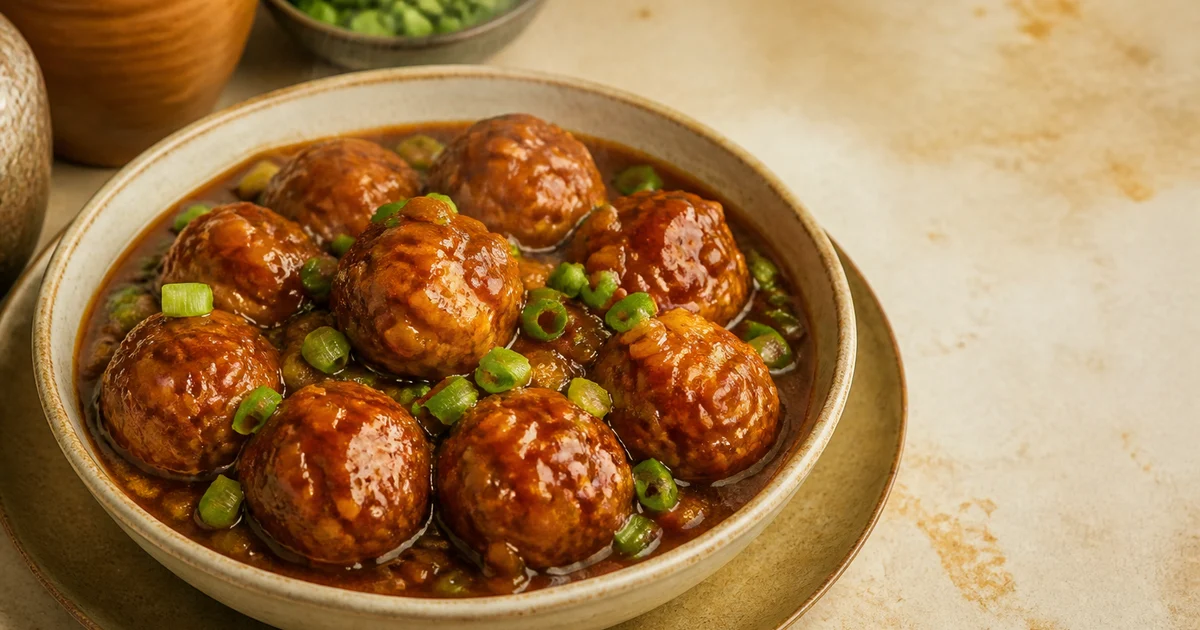
Commercial Chicken Manchurian Recipe
A 40-plate chicken Manchurian recipe with measured balls, a service-ready gravy base, controlled frying and practical holding guidance.
- Yield:
- about 40 plates
- Total:
- 2 hr
- Difficulty:
- Medium
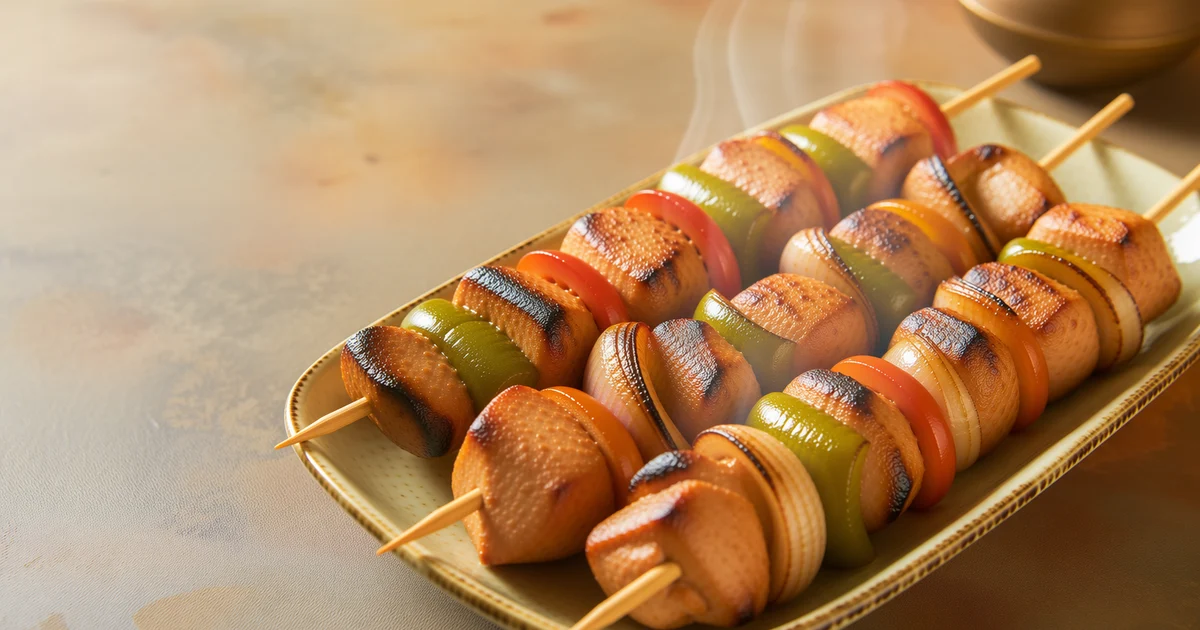
Commercial Chicken Shashlik Recipe
A commercial chicken shashlik recipe for 40 plates, covering uniform cubes, correct skewer order, advance preparation, service holding and fried rice plating.
- Yield:
- about 40 plates
- Total:
- 1 hr 45 min
- Difficulty:
- Medium
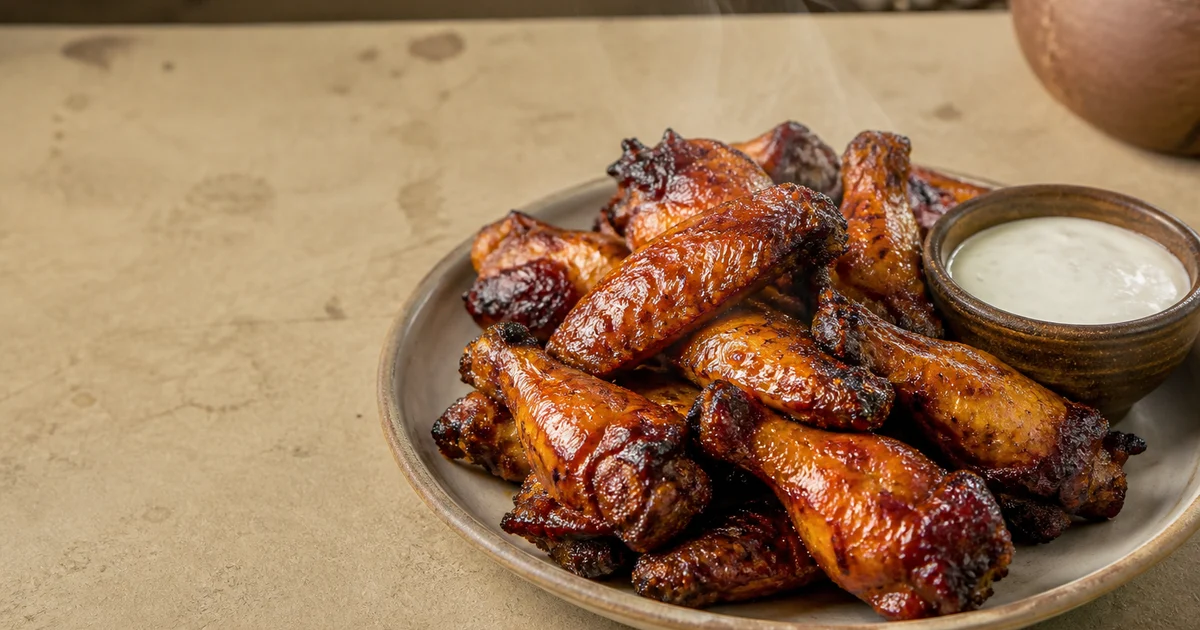
Chicken Wings Recipe
A commercial chicken wings recipe for 40 five-piece plates, using dry brining, double frying and order-time saucing for crisp, controlled service.
- Yield:
- about 40 five-piece plates
- Total:
- 14 hr 15 min
- Difficulty:
- Medium
Run your restaurant on Rosuii
POS, menu, inventory, payroll and more — built for Bangladeshi restaurants.
Start free