
Restaurant Recipes
Commercial Chicken Shashlik Recipe
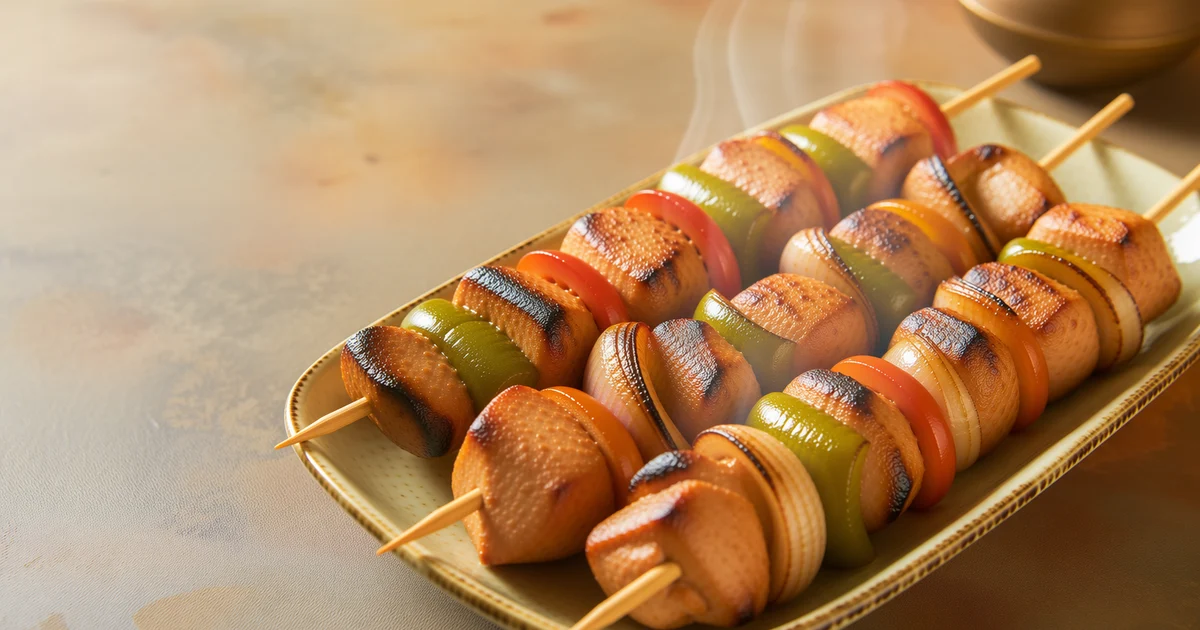
A commercial chicken shashlik recipe for 40 plates, covering uniform cubes, correct skewer order, advance preparation, service holding and fried rice plating.
- Prep
- 1 hr
- Cook
- 45 min
- Total
- 1 hr 45 min
- Yield
- about 40 plates
- Difficulty
- Medium
- Cuisine
- Continental
Method
- 1
Trim and portion chicken
Trim loose fat, cartilage and thin scraps from the chicken, then confirm 5 kg usable meat on a digital scale. Cut into 30 to 32 mm cubes and keep below 5°C throughout preparation. Divide into forty 125 g portions if strict advance portioning is required.
- 2
Mix the marinade
Combine salt, black pepper, ginger paste, garlic paste, lemon juice, soy sauce, ketchup, chilli sauce, paprika, cornflour and 200 ml soybean oil until smooth. The mixture should coat a spoon without forming dry cornflour lumps. Taste a separately mixed sample before it touches raw chicken and adjust only for brand differences in salt or heat.
- 3
Marinate under refrigeration
Fold the chicken through the marinade until every cube is evenly coated. Cover in shallow food-grade containers and refrigerate at 0 to 5°C for 2 to 4 hours. Do not leave the container at room temperature during the marination period.
- 4
Prepare vegetables and skewers
Cut onion, capsicum and firm tomato flesh into pieces close to the chicken's 30 mm size. Keep the vegetables dry and refrigerated instead of adding them to the acidic marinade. If using wooden skewers over flame, soak them in clean water for at least 30 minutes.
- 5
Assemble controlled skewers
Thread onion, chicken, green capsicum, chicken, tomato, chicken, onion, chicken, red capsicum, chicken and onion. Leave a 2 to 3 mm gap between pieces and use five chicken cubes on every skewer. Weigh the first five skewers to confirm consistent portions, then cover and refrigerate at 0 to 5°C.
- 6
Preheat the cooking surface
Heat the chargrill or griddle to a surface temperature of 220 to 240°C for at least 10 minutes. Clean and lightly oil the surface with part of the remaining soybean oil. The grill should sizzle immediately when a vegetable edge touches it, without producing heavy smoke.
- 7
Grill in small batches
Arrange skewers with enough space for heat circulation and cook for 10 to 12 minutes. Turn every 2 to 3 minutes so the chicken browns on several sides and the vegetables blister without collapsing. Avoid brushing on raw leftover marinade.
- 8
Finish and verify temperature
Brush lightly with melted butter during the final 2 minutes of cooking. Check the centre of the largest chicken cube with a sanitised probe and continue cooking until it reaches at least 74°C. The coating should look glossy and browned, not black or wet.
- 9
Rest, plate and serve
Rest the cooked skewers for 2 to 3 minutes, or hold above 63°C for no longer than 30 minutes. Plate one skewer with 200 g fried rice for each order. Replace any skewer missing a component before it reaches the customer and record the damaged portion as wastage.
Notes for your kitchen
This commercial chicken shashlik recipe produces about 40 controlled portions for restaurant, cafe or food cart service. Each plate contains one skewer made with approximately 125 g trimmed raw chicken, alternating vegetables and 200 g cooked fried rice. The batch is large enough for normal service while remaining manageable on a medium chargrill or flat griddle.
Why chicken shashlik suits commercial service
Chicken shashlik works commercially because it can be portioned before service and cooked quickly against confirmed orders. The skewer gives the customer a clear portion, while colourful capsicum, onion and tomato add volume without hiding the amount of chicken. It also fits dine-in, takeaway and cart menus, especially when sold as a complete plate with fried rice.
Most preparation can be completed during the quiet period. Chicken can be trimmed, marinated and skewered in controlled batches, leaving the service cook to grill, check temperature and plate. A numbered tray system also makes first-in, first-out rotation simple. The main limitation is grill capacity, so the batch should be divided into service trays instead of placing all 40 skewers beside the cooking station.
Ingredient quality and selection
Uniform boneless chicken thigh and firm vegetables matter more than expensive sauces in this dish. Thigh meat is preferred because it remains juicy through grilling, short holding and takeaway delivery. Buy boneless, skinless thigh with limited loose fat and record the weight after trimming. If the supplier leaves heavy fat, cartilage or small scraps, the usable yield falls and the true portion cost rises.
Cut every piece of chicken to approximately 30 to 32 mm. Pieces below 25 mm dry out before the vegetables colour, while pieces above 35 mm can remain undercooked at the centre. Do not combine thin breast offcuts, large thigh chunks and small trimmings on one skewer. Collect usable small pieces for another controlled production rather than forcing them into shashlik portions.
Capsicum should feel firm and have thick walls. Onion layers should be large enough to remain attached after cutting. Choose firm, slightly under-ripe tomatoes, remove wet seed pockets and use the solid outer flesh. Soft tomato collapses during assembly, drops onto the grill and becomes paid-for wastage. Sauce brands can change, but salt and sweetness must be tested because soy sauce, ketchup and chilli sauce vary considerably.
Cube size and skewer construction
Consistent cube size and deliberate vegetable order are the controls that make every skewer cook at the same rate. Use five chicken pieces per skewer, separated so no two pieces of raw chicken press directly together. A practical order is onion, chicken, green capsicum, chicken, tomato, chicken, onion, chicken, red capsicum, chicken and onion.
Onion at both ends helps hold the softer ingredients in place. Capsicum supports the centre, while tomato is protected between firmer items. Leave 2 to 3 mm between pieces rather than compressing the skewer into a solid block. This small gap allows hot air and grill heat to reach the sides of the chicken. Pack too tightly and the outer faces burn while the touching surfaces remain pale and slow to cook.
The marinade should coat the meat without dripping heavily. Cornflour helps the coating cling and improves surface browning, but excess cornflour creates a pasty layer. Acid, salt and sauce require time to penetrate, yet an overnight acidic marinade can make the outside texture soft. Two to four hours under refrigeration is normally sufficient for 30 mm thigh cubes.
Scaling the batch correctly
Scale chicken, marinade and vegetables by weight, but scale cooking capacity by the number of skewers that fit without crowding. For a half batch, use 2.7 kg purchased chicken and target 2.5 kg after trimming for 20 skewers. For 80 plates, double every ingredient but mix and store the chicken in two separate food-grade containers so the lower layer chills properly.
Do not double the number placed on one grill load unless the equipment has enough heat recovery. Overloading reduces surface temperature, causing the chicken to release water and stew. A grill that comfortably holds eight skewers should continue to receive eight per load even when production doubles. Record actual trimmed yield, skewers produced and cooked yield before adjusting the selling portion. The principles in portion control are particularly important when more than one prep cook assembles the batch.
Advance preparation and food safety
Assembled raw skewers can be prepared ahead, but they must remain covered at 0 to 5°C and separated from cooked food. For best vegetable quality, assemble no more than 12 hours before cooking. Keep skewers in shallow trays in a single layer or place food-grade sheets between layers. Label each tray with preparation time, quantity and use-by time.
Wooden skewers should be soaked for at least 30 minutes before assembly when cooking over open flame. Metal skewers are more durable for repeated restaurant production, but their pointed ends require careful storage and handling. Never brush cooked chicken with leftover raw marinade. If an extra glaze is required, prepare and reserve it before raw chicken enters the marinade.
Cook until the thickest chicken cube reaches at least 74°C. Check pieces from different positions on the grill because edge and centre zones often cook differently. A browned exterior is not a reliable safety test when ketchup and paprika darken quickly.
Holding and reheating for service
Chicken shashlik gives its best result when grilled to order and held for no more than 30 minutes above 63°C. Extended hot holding dries the chicken, wrinkles the capsicum and loosens the tomato. If demand is predictable, cook smaller rolling batches rather than all 40 skewers at once. Keep uncooked trays refrigerated and move only the next grill load to the station.
For safe reuse, cool unsold cooked skewers from 60°C to 21°C within two hours and from 21°C to 5°C within a further four hours. Refrigerate covered and use within 24 hours. Reheat only once, bringing the chicken centre back to 74°C. A hot grill restores surface colour in approximately 3 to 4 minutes, while an oven at 180°C generally takes 5 to 7 minutes, depending on skewer temperature and loading.
Fried rice should be produced in service-sized batches and held above 63°C. Do not leave cooked rice at room temperature between orders. Replace the rice pan rather than mixing a fresh batch into older rice.
Portioning and plating with fried rice
One standard plate should contain one complete skewer and 200 g hot fried rice. Build every skewer from 125 g trimmed raw chicken and the same count of vegetable pieces. Before service, weigh the first five assembled skewers; their weights should be close after allowing for natural vegetable variation. Recheck whenever a new employee takes over assembly.
Place the fried rice neatly on one side of the plate and position the skewer beside it or across the front without burying the vegetables. For takeaway, slide the contents from the skewer only if the packaging cannot safely contain a pointed stick. The kitchen should define this as a menu variation so dine-in and takeaway staff follow the same rule.
Track the number produced, sold, returned and discarded. Rosuii productions and wastage records can be used to record the conversion of raw materials into a controlled batch of finished skewers without assuming automatic recipe deduction for every sale.
Mistakes that waste money
The most expensive mistakes are oversized chicken cubes, uncontrolled trimming, crowded grills and inconsistent skewer portions. Large cubes increase cooking time and encourage staff to burn the sauce while chasing a safe centre temperature. Small cubes lose moisture and cooked weight, making the serving look weak even when the raw portion was correct.
- Compressing the skewer: tightly packed pieces cook unevenly and require longer grill time.
- Marinating vegetables with chicken: salt and acid pull water from onion, tomato and capsicum, weakening texture and diluting the coating.
- Using soft tomatoes: they split during turning and create avoidable grill loss.
- Overloading the grill: the temperature drops, cooking slows and labour cost increases.
- Guessing portions: adding one extra chicken cube to only eight skewers can remove enough meat to leave later orders short.
- Holding too long: dry skewers are often returned, discounted or discarded.
Keeping the cost stable
Stable cost comes from controlling usable chicken yield, skewer weight and vegetable wastage rather than buying the cheapest sauce. Chicken is the main cost driver, and its effective cost changes with supplier trimming, water loss and the proportion of unusable fat or cartilage. Compare suppliers using usable kilograms after trimming, not only the delivered weight.
Capsicum can become a significant secondary cost when seasonal supply changes, especially red capsicum. Keep the chicken portion fixed and adjust the colour mix only within the declared menu specification. Record trim, dropped vegetables, burnt batches and unsold cooked skewers as separate wastage causes. Review the batch through recipe costing and monitor its food cost percentage using current purchase invoices rather than an old standard rate.
What drives the cost
Boneless chicken thigh is the main cost component, and its effective cost moves with supplier pricing, trim loss and cooking shrinkage. Capsicum is the next variable ingredient, with colour and seasonal availability affecting cost, while uncontrolled skewer weights create the largest preventable variance.
Ingredient rates move with the market, so this describes what drives the cost rather than quoting a figure.
Questions from kitchens
How do I scale this chicken shashlik recipe to 20 or 80 plates?
How long can raw assembled skewers be kept?
Can chicken breast replace chicken thigh?
How long can cooked chicken shashlik be held for service?
What yield should I expect from this batch?
Related recipes
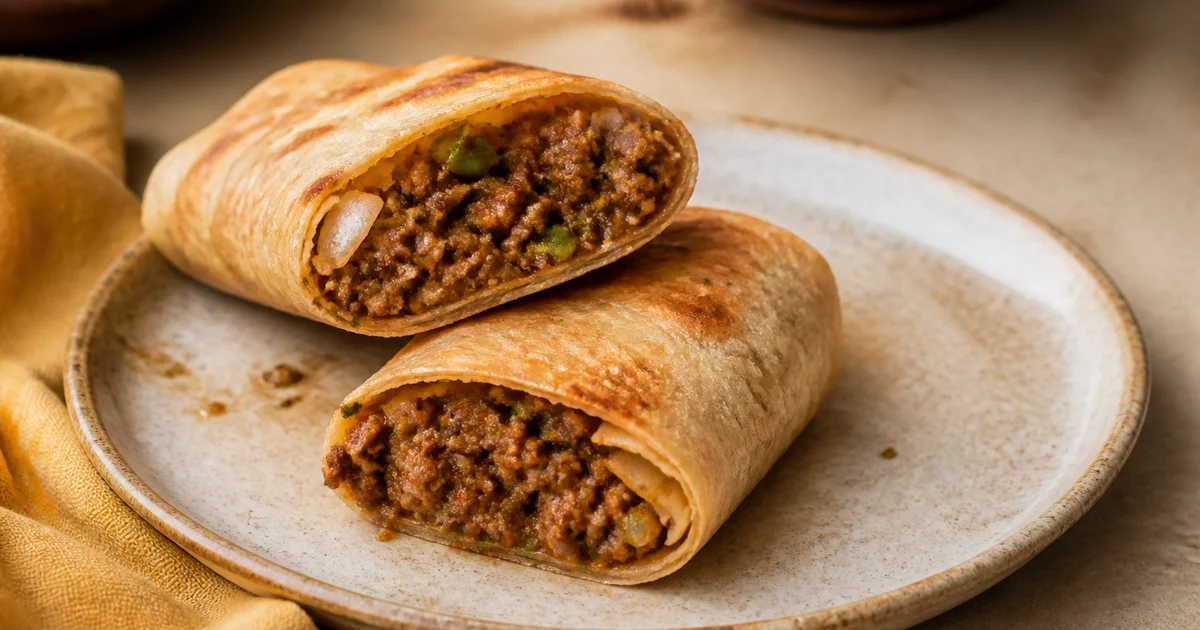
Commercial Bangladeshi Beef Roll Recipe
A commercial beef roll recipe producing 40 consistent rolls with tender cooked-down beef, crisp vegetables, controlled moisture and practical service guidance.
- Yield:
- 40 beef rolls
- Total:
- 1 hr 35 min
- Difficulty:
- Medium
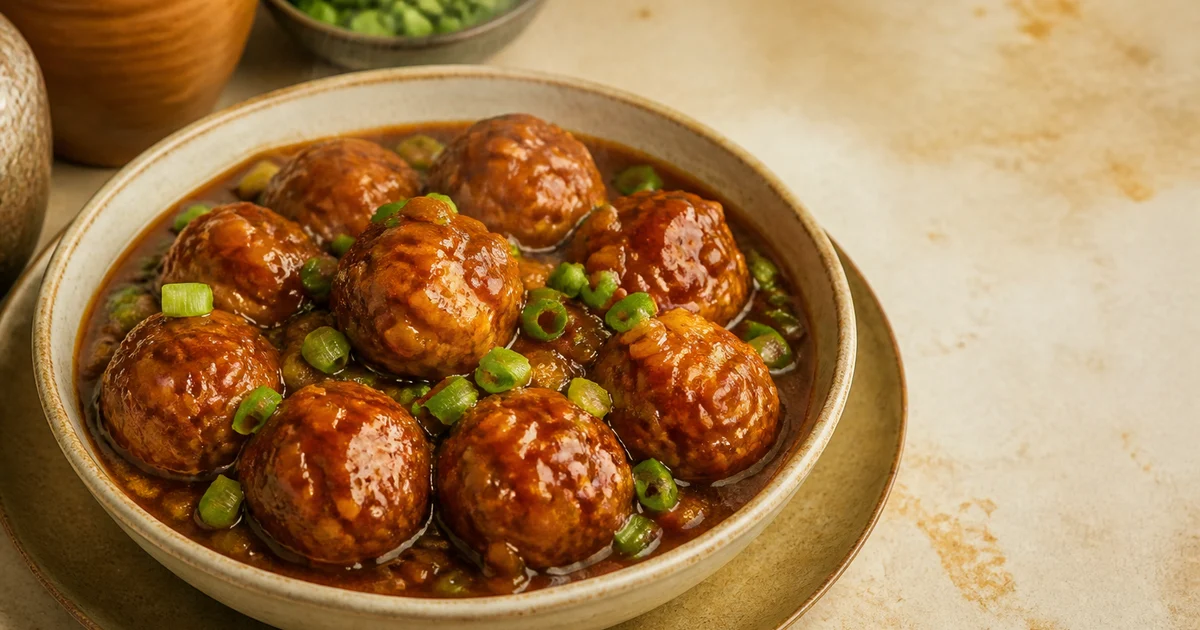
Commercial Chicken Manchurian Recipe
A 40-plate chicken Manchurian recipe with measured balls, a service-ready gravy base, controlled frying and practical holding guidance.
- Yield:
- about 40 plates
- Total:
- 2 hr
- Difficulty:
- Medium
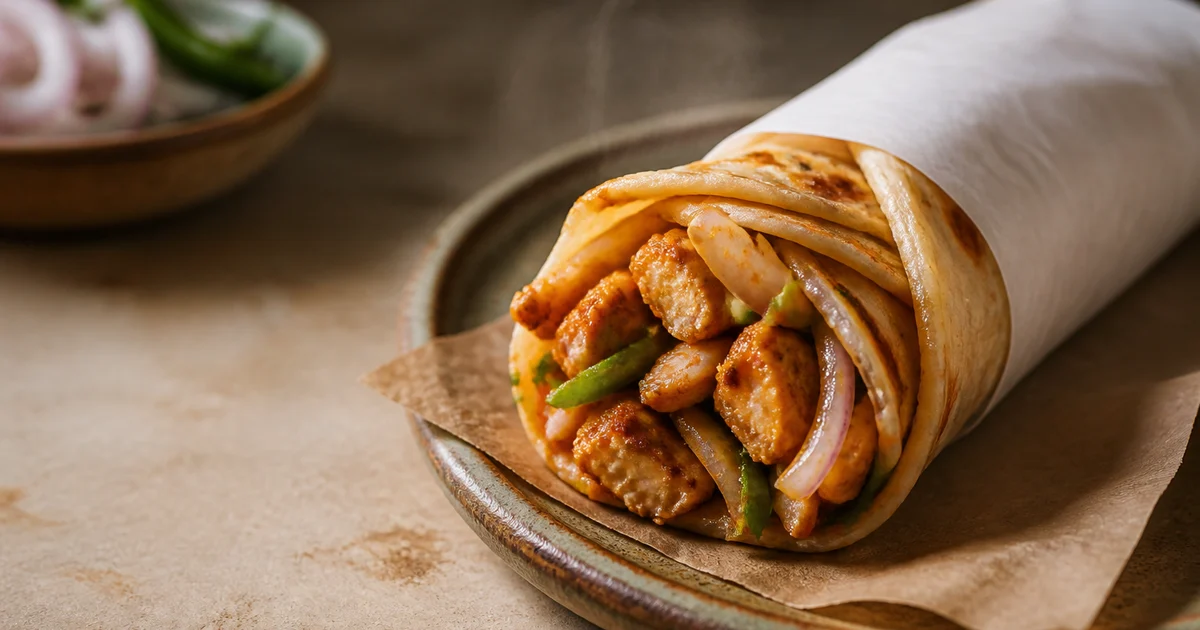
Commercial Bangladeshi Chicken Roll Recipe
A commercial chicken roll recipe producing 40 large rolls with flaky paratha, spiced chicken, egg, fresh vegetables and controlled portions.
- Yield:
- 40 large chicken rolls
- Total:
- 2 hr 30 min
- Difficulty:
- Medium
Run your restaurant on Rosuii
POS, menu, inventory, payroll and more — built for Bangladeshi restaurants.
Start free