
Restaurant Recipes
Commercial Bangladeshi Faluda Recipe
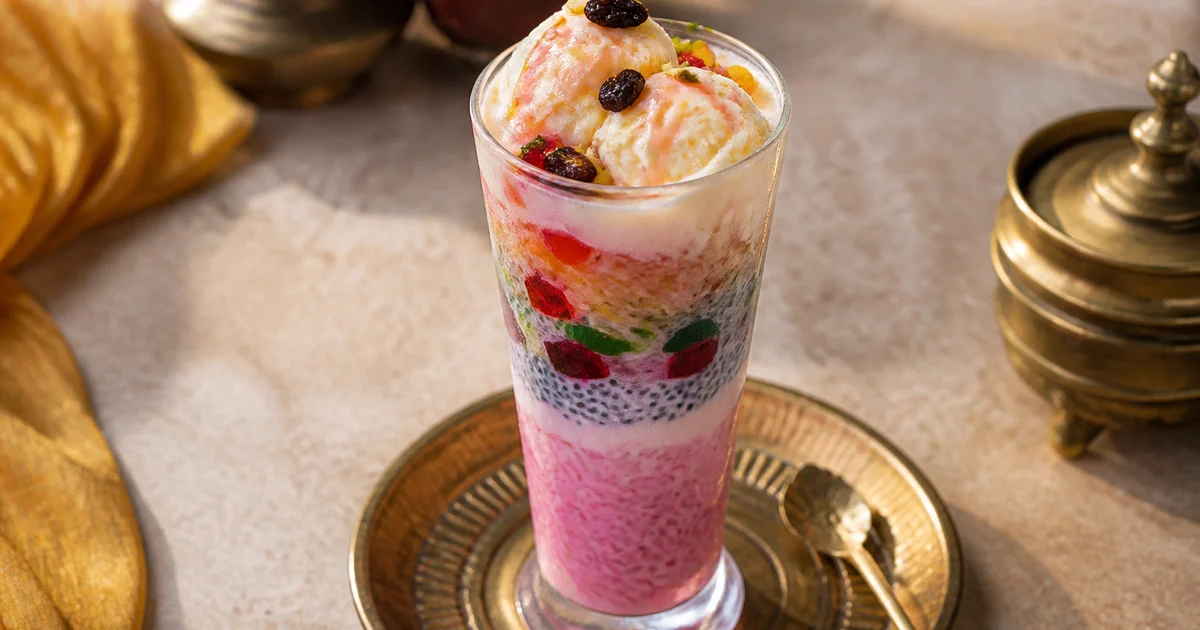
A commercial faluda recipe for 40 controlled portions, covering advance preparation, cold holding, fast counter assembly, scaling and wastage control.
- Prep
- 30 min
- Cook
- 45 min
- Total
- 1 hr 15 min
- Yield
- about 40 cups of 350 ml
- Difficulty
- Medium
- Cuisine
- Bangladeshi
Method
- 1
Set Both Jelly Colours
Heat 750 ml water for each jelly colour to 90°C to 95°C in separate vessels. Whisk each powder into its water until fully dissolved, then pour into shallow trays about 20 mm deep. Cool briefly, cover and refrigerate at 0°C to 5°C for at least 4 hours until firm.
- 2
Hydrate And Drain Tokma
Cover the tokma seeds with about 1.8 L cold potable water and stir immediately to prevent clumps. Soak for 20 minutes at below 10°C until every seed has a clear swollen coating. Rinse through a fine strainer, drain for 10 minutes and refrigerate.
- 3
Prepare The Milk Base
Reserve 500 ml cold milk and heat the remaining milk with sugar and milk powder to 70°C, whisking until smooth. Blend the cornflour with the reserved milk, pour it in gradually and heat the mixture to 85°C to 88°C for 3 minutes. The base should lightly coat a spoon but still pour freely.
- 4
Cool Milk Base Rapidly
Transfer the milk base into shallow sanitised pans and place them over an ice bath. Stir until the temperature falls below 21°C within 2 hours, then refrigerate below 5°C within a further 4 hours. Stir in the rose water once the base is below 60°C.
- 5
Cook And Cool Semai
Bring about 4 L water to a full boil, add the faluda semai and cook for 2 to 3 minutes. Drain when the strands are tender but still separate, then rinse immediately with cold potable water. Drain for 10 minutes, toss with the neutral oil and refrigerate below 5°C.
- 6
Cut And Portion Jelly
Turn the fully set jelly onto sanitised boards and cut it into even 12 mm to 15 mm cubes. The cubes should hold clean edges without releasing excess water. Transfer each colour to a separate covered container and keep at 0°C to 5°C.
- 7
Drain The Fruit Well
Place the fruit cocktail in a perforated food-grade pan and drain under refrigeration for at least 20 minutes. Cut any large pieces to about 15 mm so they portion evenly. Do not mix the packing syrup into the faluda milk.
- 8
Arrange The Cold Station
Set all cold components over ice or in a refrigerated counter below 5°C. Fit the jelly, tokma, semai and fruit containers with dedicated portion spoons, and calibrate the rose syrup bottle to dispense 20 ml. Keep reserve stock covered in the refrigerator.
- 9
Layer Each Faluda Cup
Add 40 g jelly, 20 g tokma, 25 g semai and 35 g fruit to each 350 ml cup. Dispense 20 ml rose syrup, then pour in 140 ml cold milk base slowly to preserve visible layers. Leave enough headspace for the ice cream.
- 10
Finish And Serve Immediately
Top each cup with one 60 g scoop of vanilla ice cream held at service temperature in the dipping freezer. The scoop should remain rounded and sit above the milk line. Serve within 2 minutes and return every cold component to below 5°C between orders.
Notes for your kitchen
This faluda recipe produces 40 consistent 350 ml portions for restaurant, cafe or food-cart service. The components can be prepared before opening, held cold and assembled to order in about 45 seconds. Separate preparation keeps the jelly firm, the semai loose, the tokma hydrated and the ice cream frozen until the cup reaches the counter.
Why faluda suits commercial service
Faluda works commercially because most of the labour is completed before the sales rush. The counter operator only measures, layers and serves. It also supports clear variations such as extra ice cream, extra fruit or a premium nut garnish without changing the main production batch.
The visual layers help customers recognise portion value, but consistency matters more than cup size alone. Use one cup specification and one assembly sequence at every shift. A transparent 350 ml cup gives enough space for the measured components without forcing the operator to compress the ice cream or overfill the milk.
Choose ingredients by function
Milk, rose syrup and ice cream are the ingredients where quality is most noticeable. Whole milk should taste clean and fresh, with no cooked or sour smell. Full-cream milk powder adds body and dairy flavour, while cornflour provides only light suspension; too much cornflour turns the drink into custard.
Choose a rose syrup with a clean floral flavour rather than one that tastes mainly of sugar or artificial colour. Test its sweetness against the finished milk base before service because brands vary considerably. Vanilla ice cream must hold a round scoop at serving temperature and should not collapse immediately into the drink.
Fine faluda semai should cook evenly without breaking into paste. Tokma seeds must be clean, uniform and free from grit. Canned fruit cocktail gives more predictable size, sweetness and year-round yield than mixed fresh fruit, but it must be drained thoroughly. Jelly needs enough gel strength to survive cutting and ladling without turning watery.
Control each component separately
The safest production method is to finish, chill and label every component in its own food-grade container. Set jelly in shallow trays so it cools quickly and produces even cubes. A depth near 20 mm is practical because the cubes remain visible but pass easily through a wide spoon.
Tokma is ready when every seed has a clear swollen coating and no dry centre. Rinsing and draining remove floating debris and excess water that would dilute the milk. Cooked semai should be soft but still separate; cold rinsing stops residual heat, while a very small amount of neutral oil reduces clumping.
The milk base needs controlled heating to hydrate the milk powder, dissolve the sugar and cook out the raw cornflour taste. Do not boil it hard. Prolonged boiling creates a skin, reduces yield through evaporation and can give the base an overly cooked flavour. Add rose water below 60°C so its aroma is not driven off.
Scale without damaging texture
Scale ingredient weights linearly, but do not scale pan depth, heating time or cooling time in the same way. A double batch needs wider vessels or two production runs rather than one very deep pot. Deep milk takes too long to cool, and deep jelly sets unevenly.
For half a batch, keep the same cooking temperatures and visual cues. For two or three batches, divide the milk between pots and use separate jelly trays no deeper than the original. Weigh cornflour accurately because small over-measurements become obvious in a large batch. Record the finished milk volume and cooked semai weight so future production can be adjusted from actual yield rather than assumptions.
Hold components safely
Faluda components must be held cold, and a completed cup should never be reheated. Keep the milk base, jelly, tokma, semai and drained fruit at 0°C to 5°C. Hold ice cream at -18°C or below in storage, then place only a small service tub in the dipping freezer.
Use the milk base and cooked semai within 24 hours for best texture. Hydrated tokma and drained canned fruit should also be produced daily. Properly covered jelly can be prepared up to 48 hours ahead, although it should be checked for water release and odour before use. Keep rose syrup in a labelled squeeze bottle according to its manufacturer’s storage instructions.
Never top up a warm or partly used container with a fresh cold batch. Replace the service pan, wash and sanitise it, then refill from refrigerated backup stock. Discard assembled faluda that has stood at room temperature for more than two hours, or sooner in a hot outdoor service area.
Build a fast assembly station
A fast faluda counter places components in the exact order in which the operator uses them. Arrange cups first, followed by portion spoons, jelly, tokma, semai, fruit, rose syrup, milk base, ice cream and lids or serving spoons. Keep backup containers refrigerated instead of crowding the service counter.
For each 350 ml serving, target 40 g jelly, 20 g drained hydrated tokma, 25 g cooked semai, 35 g drained fruit, 20 ml rose syrup, 140 ml milk base and one 60 g scoop of ice cream. Put solid ingredients against the cup wall where their colours remain visible. Add syrup around the solids, pour milk slowly down the inside of the cup and place the ice cream centrally at the top.
Use fixed ladles, squeeze-bottle calibration marks and a standard scoop. During peak service, one worker can stage cups with cold solids while another adds milk and ice cream. Do not pre-assemble more than a few minutes ahead because the layers blur, semai swells and ice cream melts.
Control portions and yield
The batch reaches 40 sales only when every component has a defined serving tool and target weight. Check the first three cups of each shift on a digital scale, then perform spot checks during service. A larger free-poured milk portion may appear harmless, but it can remove several full sales from the batch.
Track opened stock, prepared component yield, portions sold and leftovers together. The practical methods in this portion control guide help establish scoop and ladle standards. Rosuii can record raw materials as stock items, convert them into prepared faluda components through productions and record wastage, while item-sales reports show whether the expected yield reached the till.
Avoid mistakes that cost money
The most expensive faluda mistakes are over-portioning, poor chilling, melted ice cream and preparing too much fruit. Warm milk melts ice cream immediately and raises food-safety risk. Wet fruit and poorly drained tokma dilute the cup, forcing staff to compensate with extra syrup or ice cream.
- Overcooked semai: It breaks, thickens the milk and creates an untidy cup. Stop cooking while the strands remain distinct.
- Weak jelly: Excess water causes broken cubes and liquid loss. Weigh the water rather than estimating by jug markings alone.
- Deep milk containers: Slow cooling shortens safe holding time. Divide the base into shallow covered pans.
- Uncontrolled syrup: Free pouring changes sweetness, colour and cost. Use a calibrated pump or marked squeeze bottle.
- Soft ice cream: Repeated thawing and refreezing damages texture and creates waste. Refill the service tub in small quantities.
Keep food cost stable
Stable faluda cost comes from controlled dairy portions, measured syrup and production based on realistic sales. Ice cream and dairy usually drive the largest share of ingredient cost, while imported fruit, nuts or premium syrup can move it further. Review supplier pack yield, drained fruit weight and scoop count through regular recipe costing.
Prepare jelly and milk against forecast demand, but keep a small refrigerated backup for a second production run. Compare theoretical output with actual cups sold and recorded waste. Monitoring food cost percentage is useful only when staff also record spills, rejected jelly, melted ice cream and unsold prepared components.
What drives the cost
Ice cream, whole milk and milk powder normally dominate the cost of this faluda recipe. Cost moves with dairy quality, scoop size, syrup brand, drained fruit yield and the use of imported fruit or nut garnishes.
Ingredient rates move with the market, so this describes what drives the cost rather than quoting a figure.
Questions from kitchens
Can this faluda recipe be doubled for 80 portions?
How long can prepared faluda components be held?
Can fresh fruit replace canned fruit cocktail?
What should be done with assembled leftover faluda?
Why does the batch produce fewer than 40 cups?
Related recipes
Commercial Chicken Broast Recipe
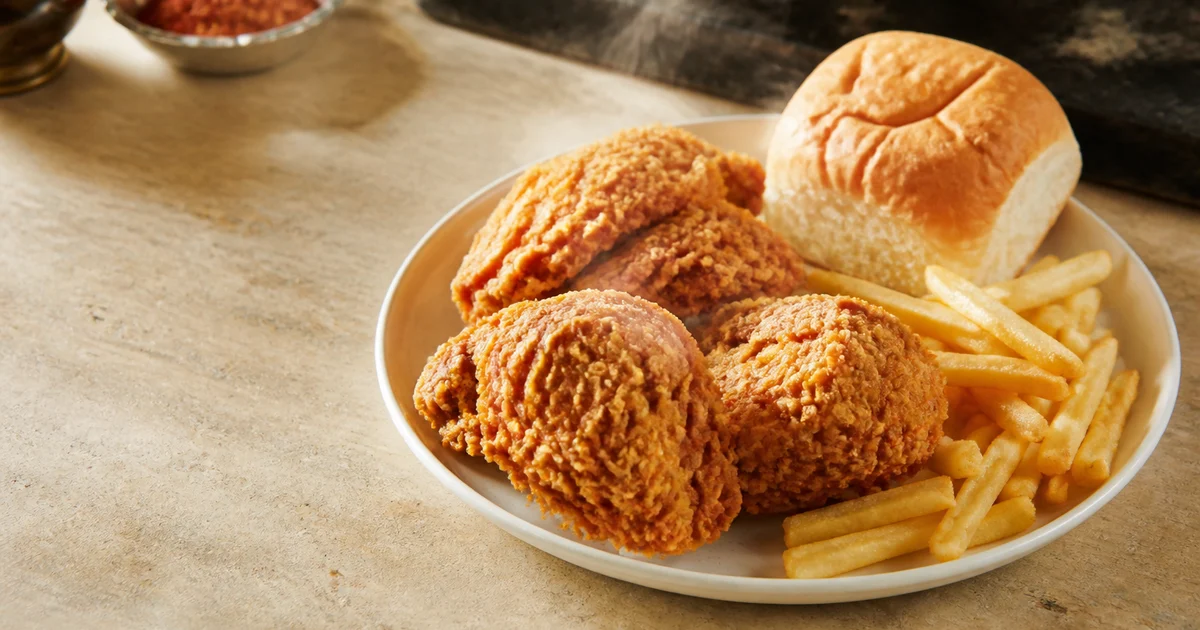
A commercial chicken broast recipe for 40 plates, with controlled marination, crisp double coating, two frying methods and practical holding guidance.
- Yield:
- about 40 plates
- Total:
- 1 hr 45 min
- Difficulty:
- Medium
Commercial Chicken Chowmein Recipe
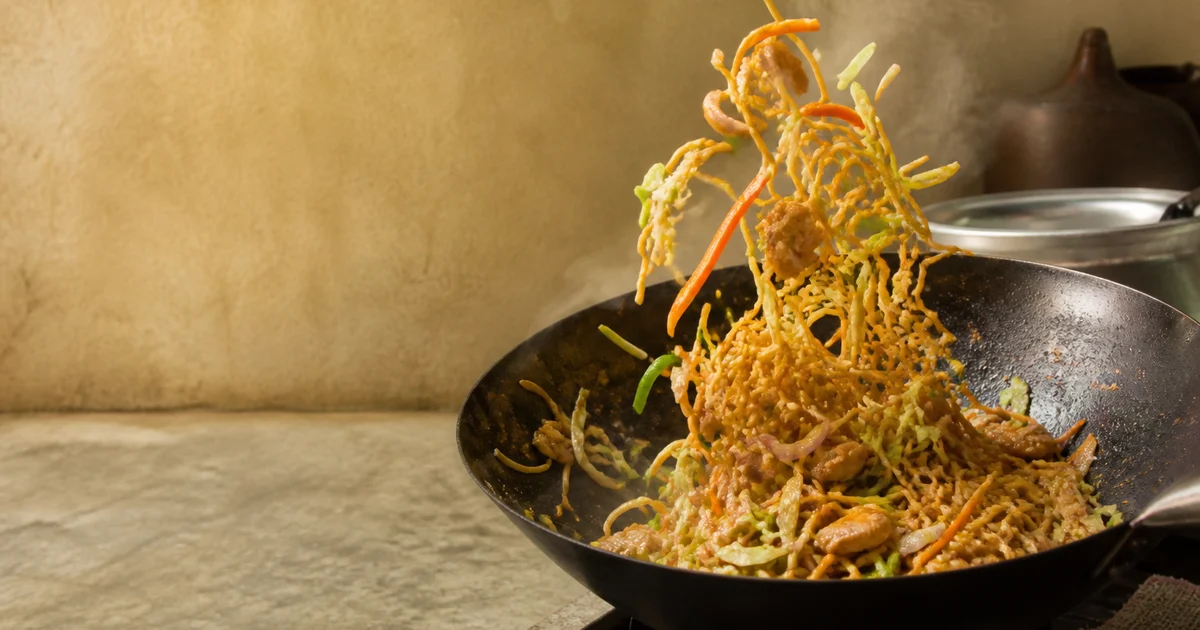
A 40-plate chicken chowmein recipe designed for fast counter service, with par-boiled noodles, measured bulk sauce and strict wok batch limits.
- Yield:
- about 40 plates
- Total:
- 2 hr 15 min
- Difficulty:
- Medium
Restaurant Chicken Soup Recipe for 40 Portions
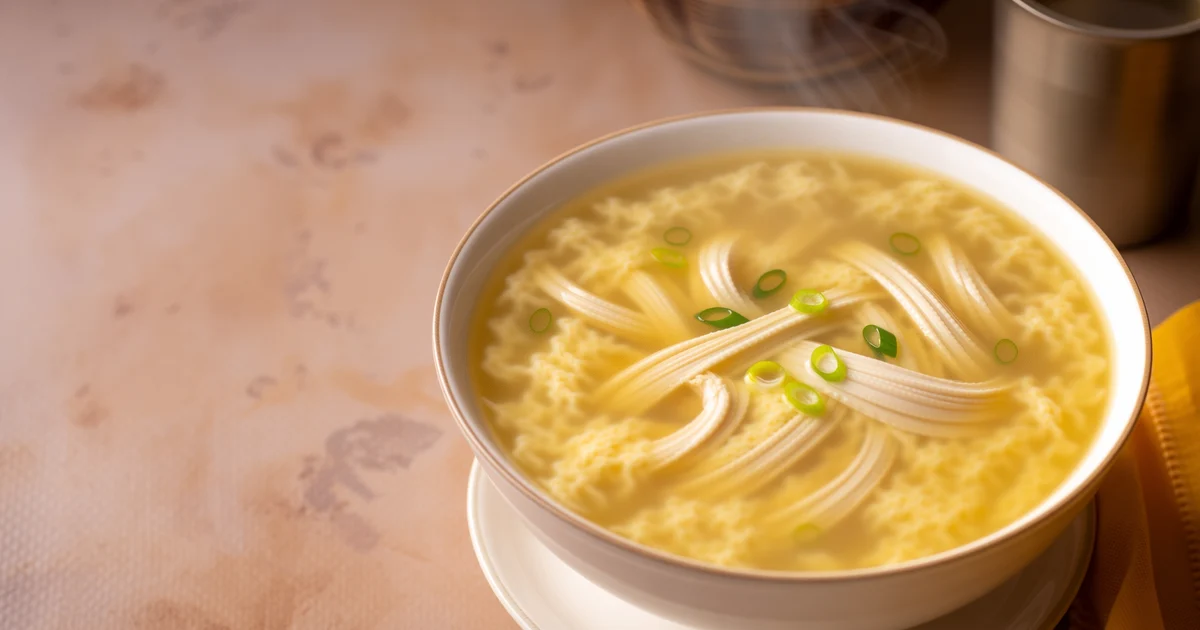
A commercial chicken soup recipe producing about 10 litres, with daily chicken stock, controlled cornflour thickening, egg ribbons and safe hot holding.
- Yield:
- about 40 plates
- Total:
- 2 hr 30 min
- Difficulty:
- Medium
Run your restaurant on Rosuii
POS, menu, inventory, payroll and more — built for Bangladeshi restaurants.
Start free