
Restaurant Recipes
Commercial Grilled Chicken Recipe
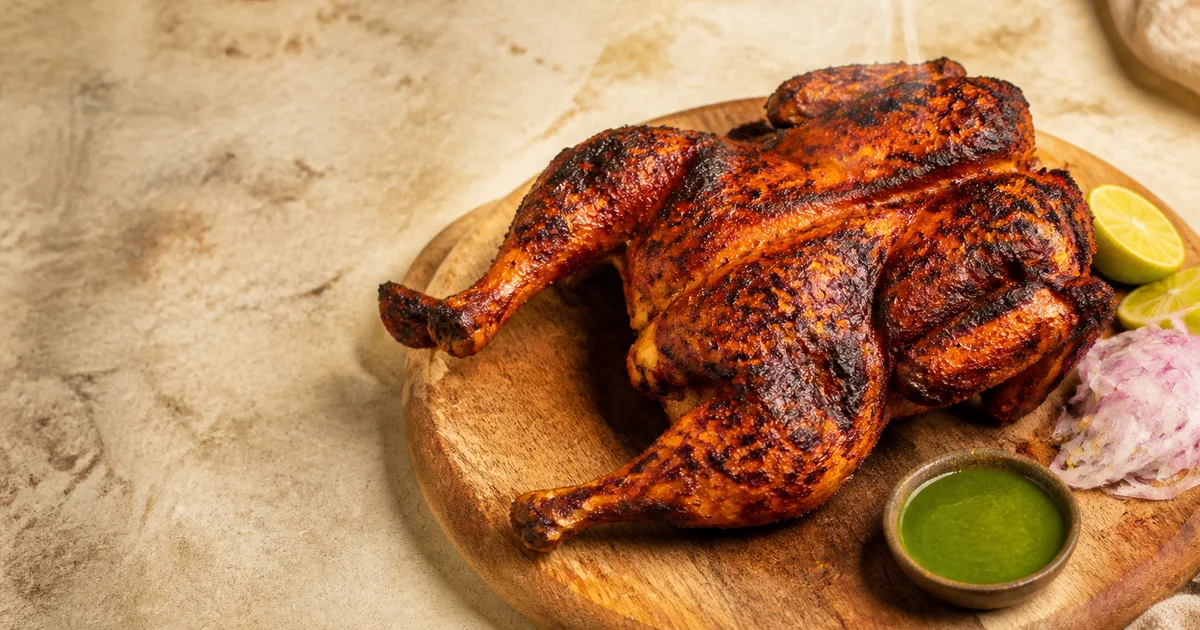
A commercial grilled chicken recipe for 10 whole birds, covering brining, even rotisserie cooking, safe holding, reheating and 40-plate yield control.
- Prep
- 30 min
- Cook
- 50 min
- Total
- 1 hr 20 min
- Yield
- about 40 quarter-chicken plates
- Difficulty
- Medium
- Cuisine
- Continental
Method
- 1
Prepare and chill brine
Warm 3 L of the water to about 60°C, then dissolve the salt and sugar completely for 3 to 5 minutes. Add the remaining chilled water and refrigerate until the brine is 5°C or below; it should look clear with no salt crystals at the bottom.
- 2
Inspect and trim birds
Work with the chickens at 5°C or below and complete trimming within 15 minutes per batch. Remove loose fat, pin feathers and damaged tissue while keeping the breast skin intact; the birds should be cleanly shaped with no torn skin flaps.
- 3
Brine under refrigeration
Submerge all birds in the brine at 5°C or below for 6 to 8 hours, using a sanitised rack to keep them below the surface. Properly brined birds will look slightly plumper and evenly coloured, without grey patches or exposed areas.
- 4
Drain and dry thoroughly
Remove the birds, discard the brine and drain them for 5 minutes without rinsing. Pat dry, place uncovered on racks and refrigerate at 5°C or below for 20 to 30 minutes until the skin feels dry rather than slippery.
- 5
Mix and apply marinade
Combine the oil, lemon juice, garlic, ginger, paprika, onion powder, black pepper, cumin and oregano for 2 minutes until evenly blended. Coat the cavities and skin, then marinate at 5°C or below for 2 to 4 hours; the coating should be thin, even and free of heavy paste deposits.
- 6
Preheat cooking equipment
Preheat the rotisserie or covered grill to 175 to 190°C for at least 20 minutes. For charcoal, arrange an indirect heat zone and wait until the coals have a light ash coating with no tall flames.
- 7
Secure and load birds
Tuck the wing tips, tie the legs and balance each bird firmly on the spit, allowing at least 5 cm between birds. Complete loading within 5 minutes so the chamber remains near 180°C; each bird should rotate smoothly without slipping or striking another bird.
- 8
Cook to core temperature
Cook at 175 to 190°C for 45 to 55 minutes, checking the first batch after 40 minutes. The skin should be deep golden and the breast must reach at least 74°C, while the inner thigh should reach 78 to 82°C without the probe touching bone.
- 9
Rest and finish birds
Remove the birds from the heat, brush lightly with melted butter and rest for 10 to 15 minutes in a protected warm area. The skin should remain glossy and the juices should run clear when the thigh joint is opened; do not stack the hot birds tightly.
- 10
Portion or hold safely
Cut each rested bird into four quarters within 5 minutes using clean poultry shears or a heavy knife. Serve immediately or hold above 60°C for no more than 60 minutes for best quality; if reheating chilled portions, heat at 180°C for 8 to 12 minutes until the centre reaches 74°C.
Notes for your kitchen
This grilled chicken recipe produces 10 evenly seasoned whole birds or about 40 quarter-chicken plates. It is designed for a rotisserie counter, covered charcoal grill or gas grill operating in commercial batches. The listed preparation time is active labour; allow an additional 6 to 8 hours for brining and 2 to 4 hours for marination under refrigeration.
Why grilled chicken works commercially
Grilled chicken works for a food cart or restaurant because one production batch can support several controlled menu portions. A whole bird can be sold whole, halved, quartered or included in a rice, chips, bread or salad combo. The same base production therefore serves dine-in, takeaway and delivery without requiring a separate cooking process.
Rotisserie display also creates visible demand, but the counter is only profitable when birds are cooked against expected sales. Loading too many birds early produces holding loss, dry breast meat and unsold cooked stock. Loading too few causes long ticket times because a raw whole bird cannot be rushed safely. Use sales by hour to plan smaller staggered loads, especially before lunch and evening peaks.
Ingredient selection and quality
Bird size and freshness matter more than using an expensive marinade. Select chilled broiler chickens weighing 1.2 to 1.4 kg each and keep each production batch within a narrow weight range. A 1.8 kg bird and a 1.2 kg bird should not share the same cooking schedule because their breast and thigh temperatures will rise at different rates.
Reject birds with damaged skin, sour odour, excessive surface liquid or broken bones. Intact skin protects the breast, develops colour and improves cooked yield. Buy from a supplier who can deliver a consistent dressed specification with the neck, giblets and excess abdominal fat removed.
Salt accuracy is critical because the brine controls seasoning throughout the meat. Weigh the salt rather than measuring it by cup. Fresh garlic, ginger and lemon juice affect aroma, while paprika mainly supports colour. Use a neutral refined oil that tolerates grill heat; poor-quality or repeatedly heated oil can create a stale smell that no finishing sauce will hide.
Brining and even cooking
A cold 5 percent brine seasons the whole bird and gives the breast more protection against drying. The water, salt and sugar must be fully dissolved and cooled to 5°C or below before raw chicken enters it. Keep every bird submerged using a sanitised food-grade rack or weighted lid, and never reuse poultry brine.
Six to eight hours is suitable for these bird sizes. Longer brining can create a cured, overly salty texture and may soften the skin. After draining, dry the birds thoroughly and allow surface moisture to evaporate under refrigeration. Wet skin steams before it browns, wastes fuel and encourages marinade to slide off.
Whole birds cook evenly when their shape, loading and heat exposure are controlled. Tuck the wing tips and tie the legs close to the body so thin parts do not burn. On a rotisserie, balance each bird securely on the spit and leave space for hot air to circulate. On a covered grill, cook over indirect heat with the breast facing away from the strongest heat, turning at controlled intervals rather than constantly opening the lid.
Do not judge doneness from skin colour. Paprika, sugar and charcoal can darken the outside before the joint is safe. Probe the thickest breast and the inner thigh without touching bone. The breast must reach at least 74°C, while the thigh gives a better eating texture around 78 to 82°C.
Scaling the production batch
Scale the brine and marinade by chicken weight, not merely by the number of birds. Ten birds can vary by several kilograms if purchasing is uncontrolled. For scaling, maintain 50 g salt and 20 g sugar per litre of brine, using enough liquid to keep the birds submerged without packing them tightly.
Scale marinade ingredients in direct proportion to the total raw chicken weight. A half batch requires half of every marinade ingredient, but grill time does not become half. Cooking time is controlled by individual bird size, equipment temperature and loading density. A heavily loaded rotisserie may need additional recovery time after the door is opened.
For larger production, divide the birds into labelled brining and cooking lots instead of using one oversized container. This improves temperature control and makes first-in, first-out rotation easier. Record raw weight, cooked weight, rejected pieces and portions sold for accurate recipe costing.
Holding and reheating for service
Cooked grilled chicken should be held above 60°C and sold within 60 minutes for the best quality. A humidified hot cabinet or covered warming unit reduces moisture loss, but holding cannot improve an overcooked bird. Do not leave cooked chicken beside the grill at room temperature while waiting for orders.
Rest each bird before cutting so pressure inside the meat falls and juices remain in the portion. Resting is not the same as long ambient holding. If production must be cooled, divide birds into halves or quarters, place them in shallow trays and refrigerate promptly at 5°C or below. Keep raw and cooked poultry in separate areas and use separate boards, knives and tongs.
Reheat only once, preferably covered in an oven or combi oven until the centre reaches 74°C. A little reserved cooked finishing butter or hot chicken stock can protect cut surfaces. Direct flame reheating often burns the skin before the centre becomes hot, while repeated microwave reheating creates uneven temperatures and rubbery meat.
Portioning and yield control
One standard bird should produce four saleable bone-in quarter portions. Separate the two leg quarters through the natural hip joint, then divide the breast and wing section evenly through the breastbone. Use a sharp heavy knife or poultry shears to avoid shattered bones and ragged portions.
A 1.2 to 1.4 kg raw bird commonly gives a quarter portion of roughly 210 to 260 g after cooking, but every kitchen must verify its own result. Equipment, trimming, bird grade and final temperature all change yield. Weigh sample portions from each supplier and set a written specification for which pieces, sauce and sides belong on the plate.
Do not compensate for a small quarter by adding an unrecorded extra piece. Standardise bird size and plate build instead. Consistent portion control protects both guest expectations and the kitchen's yield figures.
Mistakes that cost money
The most expensive mistakes are mixed bird sizes, excessive holding, uncontrolled trimming and cooking by colour. Mixed sizes produce either unsafe large birds or dry small birds. Excess abdominal fat should be removed, but aggressive trimming removes saleable skin and meat. Record supplier defects rather than hiding them as kitchen wastage.
- Warm brine raises food-safety risk and produces inconsistent salt uptake.
- Over-brining makes the meat salty and gives the skin a soft texture.
- Wet birds fail to brown and consume more charcoal or gas.
- Direct high flame burns sugar and spices before the joints cook.
- Loose rotisserie loading causes uneven rotation and motor strain.
- Cutting immediately after cooking releases juice onto the board.
- Cooking a full display without sales demand increases holding loss.
Keeping food cost stable
Stable grilled chicken cost starts with a fixed purchasing specification and production records. Compare suppliers using usable raw weight, bird-size consistency and rejection rate rather than invoice weight alone. Track brine batches, cooked yield, staff meals, returned portions and unsold cooked birds through disciplined inventory management.
Rosuii can record raw stock, suppliers, production that converts whole birds into finished grilled chicken, wastage and item sales in one operating record. Whichever system is used, review yield by batch and schedule rotisserie loads from hourly sales instead of guesswork. Butter, lemon and imported seasonings can move in cost, but chicken purchase price and cooked yield remain the main drivers.
What drives the cost
Whole chicken is the main cost driver, and its cost moves with bird grade, supplier rate, dressed weight consistency and trimming loss. Butter, lemon and spices have a smaller effect, while overcooking and unsold hot-held birds reduce usable yield and raise the cost per plate.
Ingredient rates move with the market, so this describes what drives the cost rather than quoting a figure.
Questions from kitchens
Can this grilled chicken recipe be doubled to 20 birds?
How long can grilled chicken remain in hot holding?
Can bone-in chicken pieces replace whole birds?
What is the refrigerated shelf life after cooking?
Why did the batch produce fewer than 40 plates?
Related recipes
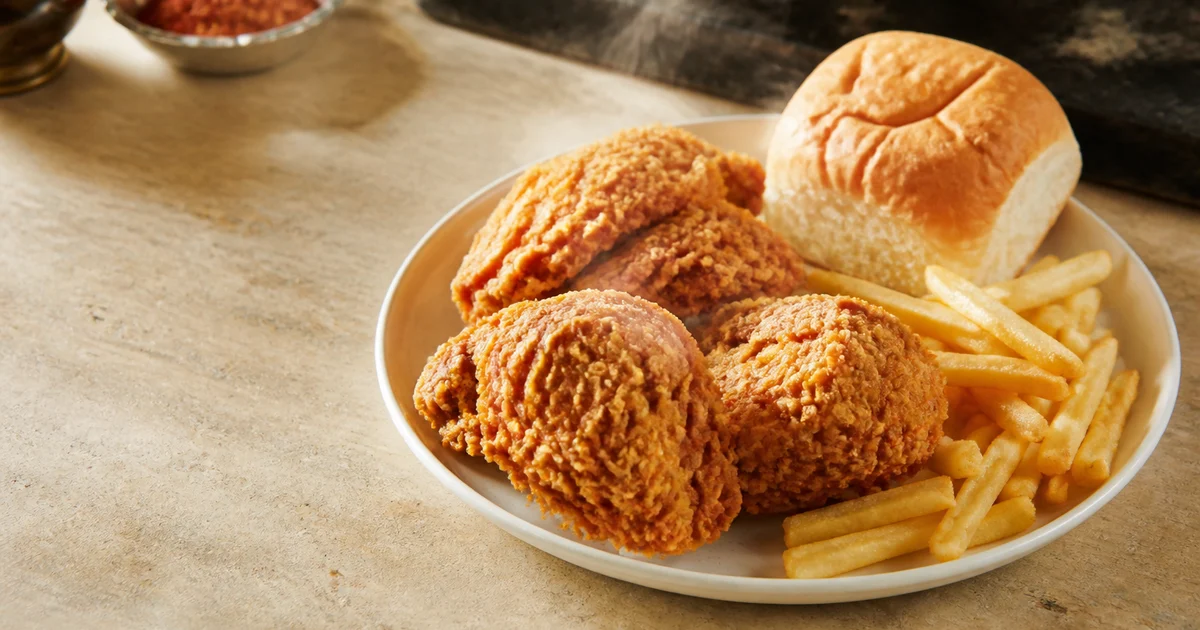
Commercial Chicken Broast Recipe
A commercial chicken broast recipe for 40 plates, with controlled marination, crisp double coating, two frying methods and practical holding guidance.
- Yield:
- about 40 plates
- Total:
- 1 hr 45 min
- Difficulty:
- Medium
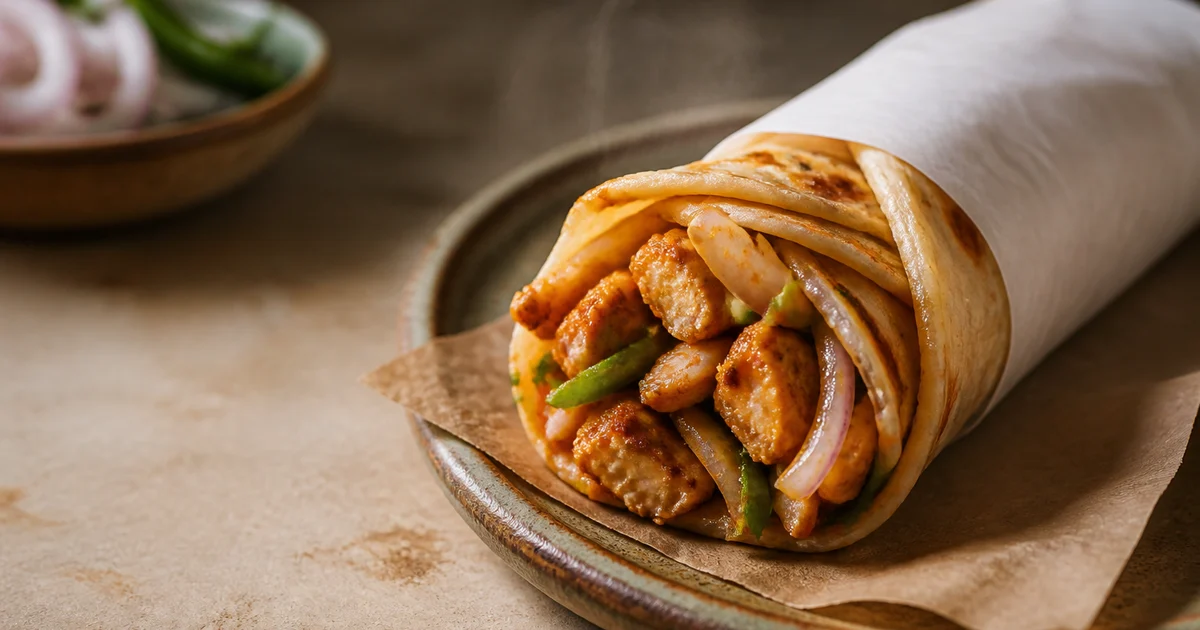
Commercial Bangladeshi Chicken Roll Recipe
A commercial chicken roll recipe producing 40 large rolls with flaky paratha, spiced chicken, egg, fresh vegetables and controlled portions.
- Yield:
- 40 large chicken rolls
- Total:
- 2 hr 30 min
- Difficulty:
- Medium
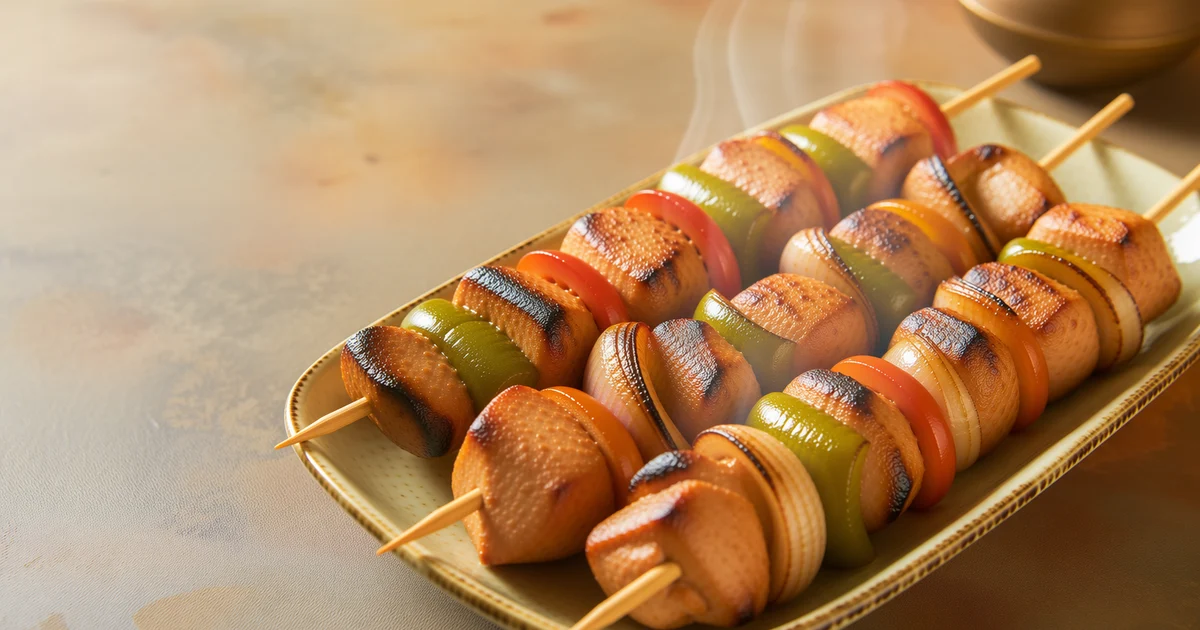
Commercial Chicken Shashlik Recipe
A commercial chicken shashlik recipe for 40 plates, covering uniform cubes, correct skewer order, advance preparation, service holding and fried rice plating.
- Yield:
- about 40 plates
- Total:
- 1 hr 45 min
- Difficulty:
- Medium
Run your restaurant on Rosuii
POS, menu, inventory, payroll and more — built for Bangladeshi restaurants.
Start free