
Restaurant Recipes
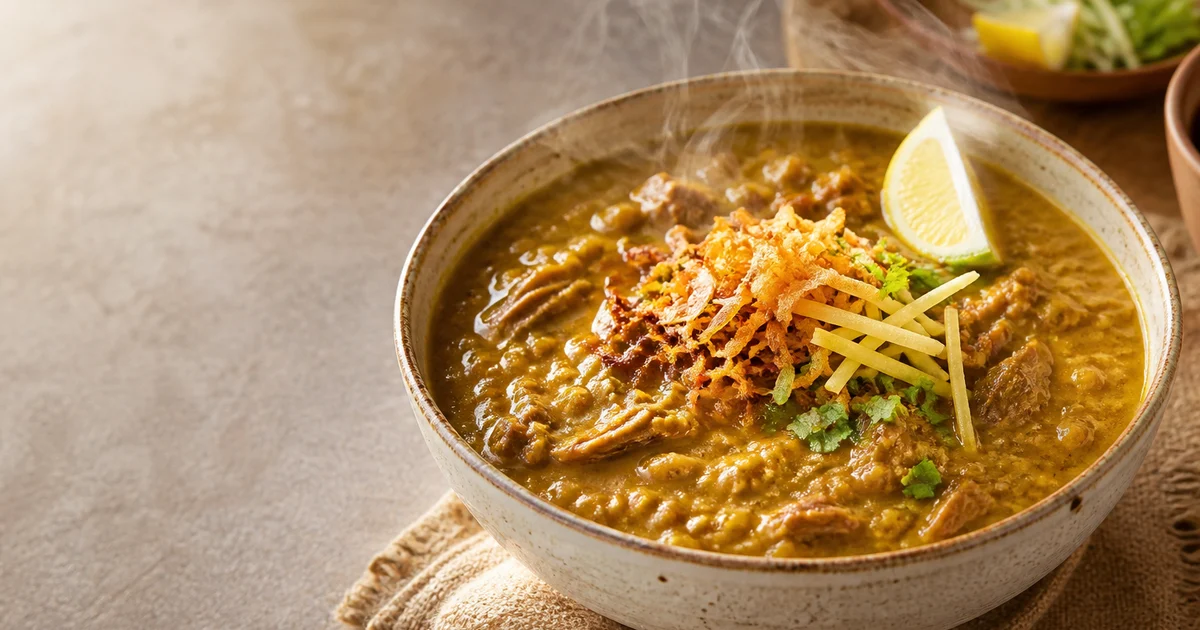
Commercial Beef Halim Recipe
A commercial beef halim recipe for about 40 plates, with controlled grain ratios, slow-cooked beef, service holding, garnishes and yield checks.
- Prep
- 4 hr 30 min
- Cook
- 4 hr
- Total
- 8 hr 30 min
- Yield
- about 40 plates at 350 g
- Difficulty
- Hard
- Cuisine
- Bangladeshi
Method
- 1
Soak the grain mix
Combine the wheat, rice and chola dal with plenty of clean water and soak under refrigeration at 5°C or below for 4 to 6 hours. Add masoor and moong during the final 30 minutes; the wheat should look swollen but remain intact. Drain and rinse before cooking.
- 2
Cook grains until collapsing
Place all drained grains and lentils in the larger pot with 9 litres of water. Bring to 98°C, skim the foam, then simmer at 92°C to 96°C for 90 to 120 minutes, stirring from the base every 10 minutes. The wheat must crush completely between two fingers without a firm centre.
- 3
Fry onions for base
Heat the oil to about 165°C and fry the sliced onions in controlled batches for 12 to 18 minutes until evenly deep golden. Remove one-third onto draining trays for beresta; leave the remaining onion and cooking oil in the meat pot. Do not wait for dark brown colour because the onions continue cooking after removal.
- 4
Bhuna beef and spices
Add the beef to the onion base and cook at 160°C to 170°C pan temperature for 12 to 15 minutes until its released liquid reduces. Add ginger paste, garlic paste, turmeric, chilli, coriander, cumin and most of the salt, then bhuna for 8 to 10 minutes until the raw aroma disappears and oil shows around the masala.
- 5
Simmer beef until tender
Add 4 litres of hot water and bring the pot to 98°C. Cover partially and simmer at 92°C to 96°C for 75 to 100 minutes, stirring every 15 minutes. The beef is ready when a piece separates easily under spoon pressure and the gravy looks concentrated rather than watery.
- 6
Blend the cooked grains
Keep the grain mixture above 75°C and blend with an immersion blender for 4 to 6 minutes. Stop when no hard kernels remain but a slight grain texture is still visible. If the blender stalls, add a small measured quantity of boiling water rather than forcing the motor.
- 7
Shred and return beef
Lift the tender beef from its gravy and shred it while it remains hot enough to separate easily, using clean paddles or forks. Return the fibres to the gravy and simmer at 90°C for 5 minutes. Break up all large clumps so meat will distribute evenly between portions.
- 8
Combine and beat halim
Add the blended grain base gradually to the beef pot while mixing continuously. Cook at 88°C to 94°C for 35 to 45 minutes, scraping the full base every 3 to 5 minutes and beating with a flat paddle. The mixture should become glossy, cohesive and fibrous without sticking to the pot.
- 9
Correct final consistency
Mix in garam masala and adjust salt during the final 10 minutes. If needed, add boiling water in 250 ml measures, returning the halim to at least 90°C after each addition. Stop when it drops from the ladle as a slow, heavy ribbon and weigh the batch near the 14 kg target.
- 10
Hold and garnish portions
Transfer service quantities to a bain-marie and hold at 60°C or hotter, stirring every 15 minutes. Portion 350 g per plate and finish with measured beresta, green chilli, coriander, ginger julienne and a lemon wedge. Keep fresh garnishes at 5°C or below until moved to small service pans.
Notes for your kitchen
This commercial halim recipe produces about 40 plates of thick Bangladeshi beef halim at a target portion of 350 g before garnish. Halim suits restaurants and food carts because one controlled production batch can be cooked before service, held hot and portioned quickly during the iftar rush. Its value depends on consistent meat content, a smooth but fibrous texture and a garnish station that can finish each plate in seconds.
Why this halim recipe works commercially
Beef halim works commercially when the kitchen treats it as a measured production item rather than an endlessly diluted stew. The grain and lentil base supplies body, while beef chuck and shank provide flavour, collagen and visible meat fibres. A fixed finished batch weight makes purchasing, sales forecasting and portion control more reliable.
The recipe is designed around separate grain and meat cooking. This gives the cook control over two ingredients that soften at different rates. It also prevents the common problem of burnt lentils at the bottom while the beef is still tough. The components are combined only after the grains are fully soft and the beef can be pulled apart.
Ingredient selection and quality
The quality of the beef and whole wheat matters more than using an expensive branded spice mix. Use boneless chuck, shoulder or shank with some connective tissue. Very lean beef becomes dry and disappears into the paste, while excessive external fat creates an oily surface and weakens portion consistency.
Whole wheat provides the elastic, slightly sticky structure expected from halim. It must be clean, recent stock and free from insects or stale odour. Chinigura rice softens quickly and helps bind the mixture. Chola dal gives body, masoor dal breaks down readily and moong dal adds a rounded pulse flavour. Keep the stated balance instead of replacing the whole mix with only one inexpensive dal.
Use fresh ginger and garlic paste without excess added water. Old chilli powder can add colour without useful aroma, so buy spices in quantities the kitchen can rotate. Onion quality affects both the cooked base and the beresta garnish. Firm, dry onions produce a cleaner fried garnish than wet or sprouting onions.
Managing the long cook
The grain base is ready only when every wheat kernel crushes between two fingers without a hard centre. Soaking under refrigeration shortens cooking and reduces the risk of fermentation in warm weather. During cooking, stir from the bottom at regular intervals because settled rice and dal can scorch even when the upper surface looks wet.
Blend the grain mixture while it is hot, but do not make it completely glue-like. An immersion blender should remove hard particles while leaving a slight grain texture. If using a tilting blender or food processor, work in safe batches and never seal a container of steaming grain, because trapped steam can force the lid open.
The beef needs a proper bhuna before long simmering. Cook the onion, ginger, garlic and powdered spices until the raw smell disappears and oil becomes visible around the masala. Add water only after this stage. Simmer gently rather than boiling aggressively, which tightens the meat and increases evaporation.
After shredding, combine the beef with the blended grain and use a flat-ended paddle to beat and fold the mixture. This movement distributes meat fibres and develops the characteristic stretchy body. Scrape the full base of the pot every few minutes. A powerful gas burner should be reduced or fitted with a heat diffuser once the thickening stage begins.
Consistency control
Finished halim should fall slowly from a ladle in a heavy ribbon and should not release a ring of water on the plate. Check consistency at service temperature because halim becomes noticeably thicker as it cools. If it is too thick, add measured boiling water in 250 ml additions, mix for 3 to 5 minutes and reassess.
If the batch is thin, continue uncovered cooking with constant bottom scraping. Do not repair it with raw flour or cornflour, which creates a pasty taste and can form lumps. Record the final batch weight after correction. That figure is more useful for future production than judging yield by the depth of the pot.
Scaling for iftar production
Scale every solid ingredient by weight, but increase cooking water gradually rather than assuming it scales in a straight line. A double batch has less evaporation relative to its volume and may need less than double the water. Large vessels also take longer to return to a simmer after ingredients are added.
For half a batch, use a narrower pot so the ingredients do not spread into a shallow layer and scorch. For more than 80 portions, two controlled batches are usually safer than one overloaded pot unless the kitchen has a steam-jacketed kettle with an effective agitator. Start soaking and meat preparation early enough to finish at least 60 minutes before expected iftar demand.
Forecast portions from previous item sales, weather, weekday and pre-orders. Rosuii can record raw materials as a production converted into finished halim stock, while wastage and item-sales reports help compare planned portions with actual service.
Holding and reheating
Hold halim at 60°C or hotter and stir from the bottom at least every 15 minutes. Use a bain-marie or low, controlled burner and keep the vessel covered between service peaks. Add only boiling water when correcting held halim, then return the full batch to at least 74°C before continuing service.
Do not mix a fresh batch into an old service pot. Transfer smaller quantities to the serving vessel and replenish as required. If halim will be kept for another day, cool it from 60°C to 21°C within 2 hours and from 21°C to 5°C within a further 4 hours. Use shallow food-grade pans or a blast chiller rather than placing one deep hot pot in the refrigerator.
Reheat only the quantity expected for that service. Bring it to at least 74°C throughout, stir thoroughly and check more than one point with a probe thermometer. Repeated cooling and reheating damages flavour, weakens meat texture and creates avoidable food-safety risk.
Garnish station and portion control
A garnish station should be pre-portioned, chilled where necessary and arranged in the exact order used on each plate. Keep beresta dry and covered, lemon wedges chilled, coriander drained and ginger julienne crisp. Replace small pans during service instead of displaying the full shift quantity beside a hot stove.
Use one standard ladle or weigh sample portions before opening. A 350 g base portion gives about 40 plates when the finished batch is controlled near 14 kg. Smaller menu variations should use separate ladles and clearly defined garnish allowances. Follow a written portion control standard so meat-rich servings at the start of service do not leave grain-heavy servings at the end.
Mistakes that cost money
The most expensive mistakes are uncontrolled dilution, burnt grain, inconsistent portions and oversized garnish handfuls. Dilution may appear to increase yield, but customers notice weak flavour and watery texture. Scorching can spoil an entire vessel because the burnt taste spreads when the bottom is scraped into the batch.
- Do not skip sorting and soaking, because hard wheat extends burner time and can remain gritty.
- Do not blend undercooked grains, because blending hides hard particles without making them tender.
- Do not use high heat after thickening, because settled starch burns quickly.
- Do not leave shredded beef in large clumps, because portions then carry unequal meat value.
- Do not garnish by hand without a standard, especially with beresta and lemon during an iftar rush.
Keeping food cost stable
Stable halim cost comes from controlling beef yield, finished batch weight and garnish usage. Trim only hard fat and unusable tissue, then record the usable boneless weight. Compare purchasing and production records through regular recipe costing, and monitor the resulting food cost percentage rather than reducing beef without checking customer response.
Buy grains and lentils to written specifications and inspect deliveries for moisture, insects and broken packaging. Produce beresta to a planned quantity, since excessive onion garnish absorbs oil and is often wasted after service. Record leftovers, scorched batches, returned plates and unserved garnish separately so the actual source of loss remains visible.
What drives the cost
Boneless beef is the main cost driver, and its usable yield changes with cut selection, trimming and supplier consistency. Cooking oil, onions and garnish usage are the next important variables, especially when beresta and lemon are served without fixed portions.
Ingredient rates move with the market, so this describes what drives the cost rather than quoting a figure.
Questions from kitchens
Can this halim recipe be doubled for 80 plates?
How long can beef halim stay in hot holding?
Can cracked wheat replace whole wheat?
What is the refrigerated shelf life of cooked halim?
Why did the batch produce fewer than 40 plates?
Related recipes
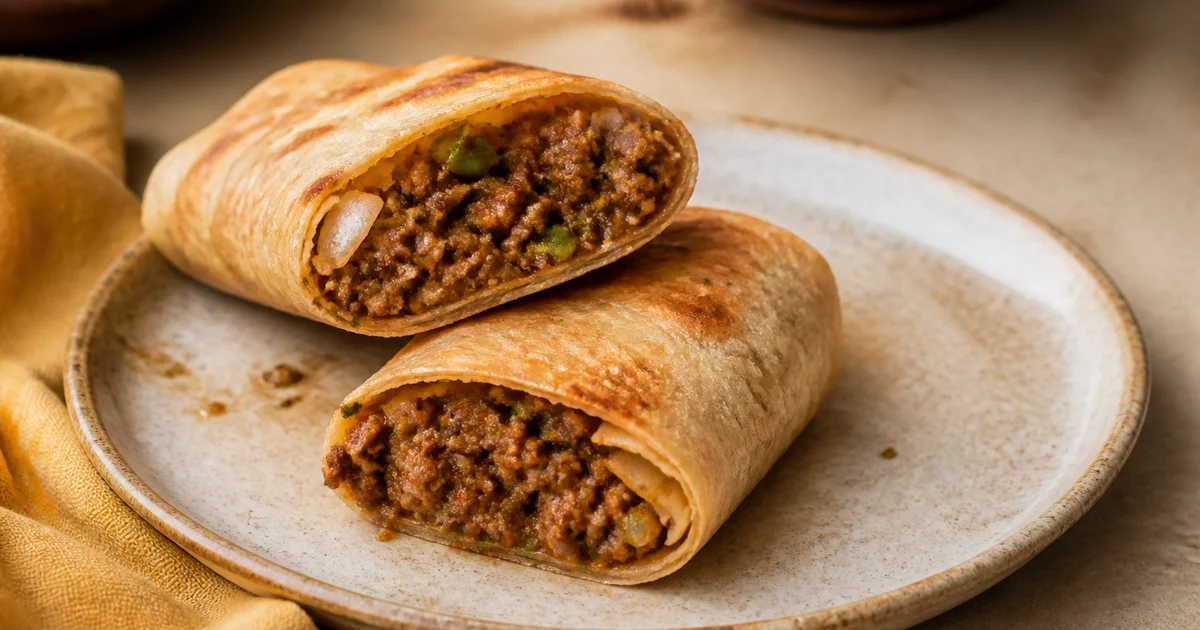
Commercial Bangladeshi Beef Roll Recipe
A commercial beef roll recipe producing 40 consistent rolls with tender cooked-down beef, crisp vegetables, controlled moisture and practical service guidance.
- Yield:
- 40 beef rolls
- Total:
- 1 hr 35 min
- Difficulty:
- Medium
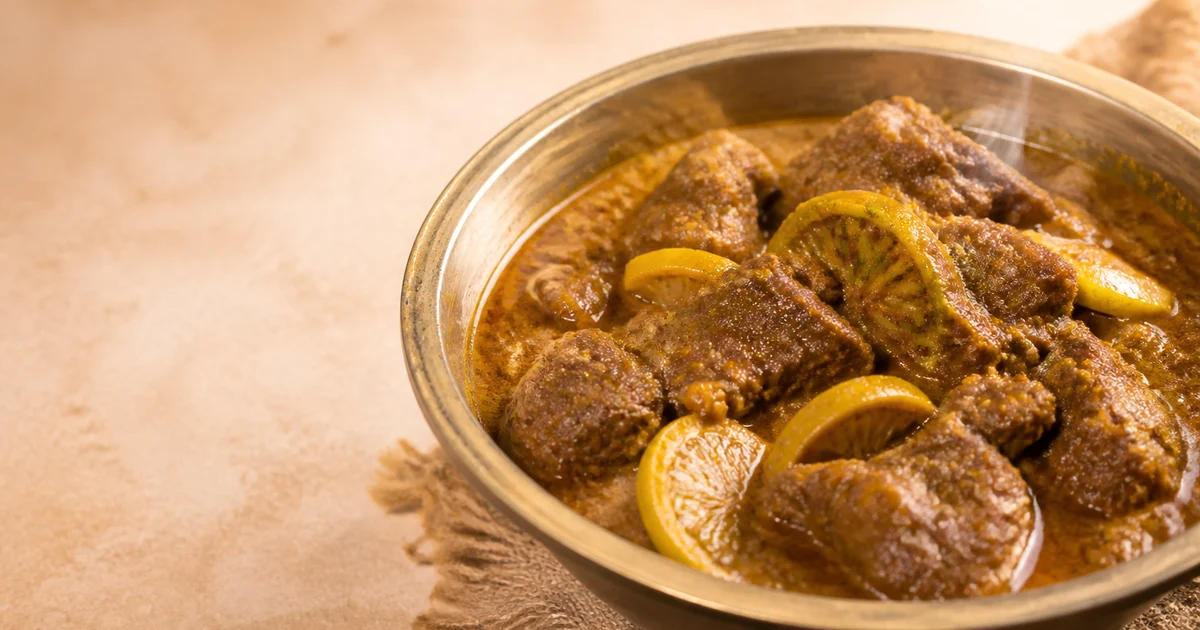
Commercial Beef Shatkora Recipe
A commercial Sylheti beef shatkora recipe for 30 plates, with controlled citrus bitterness, batch scaling, holding, reheating and yield guidance.
- Yield:
- about 30 plates
- Total:
- 3 hr 15 min
- Difficulty:
- Medium
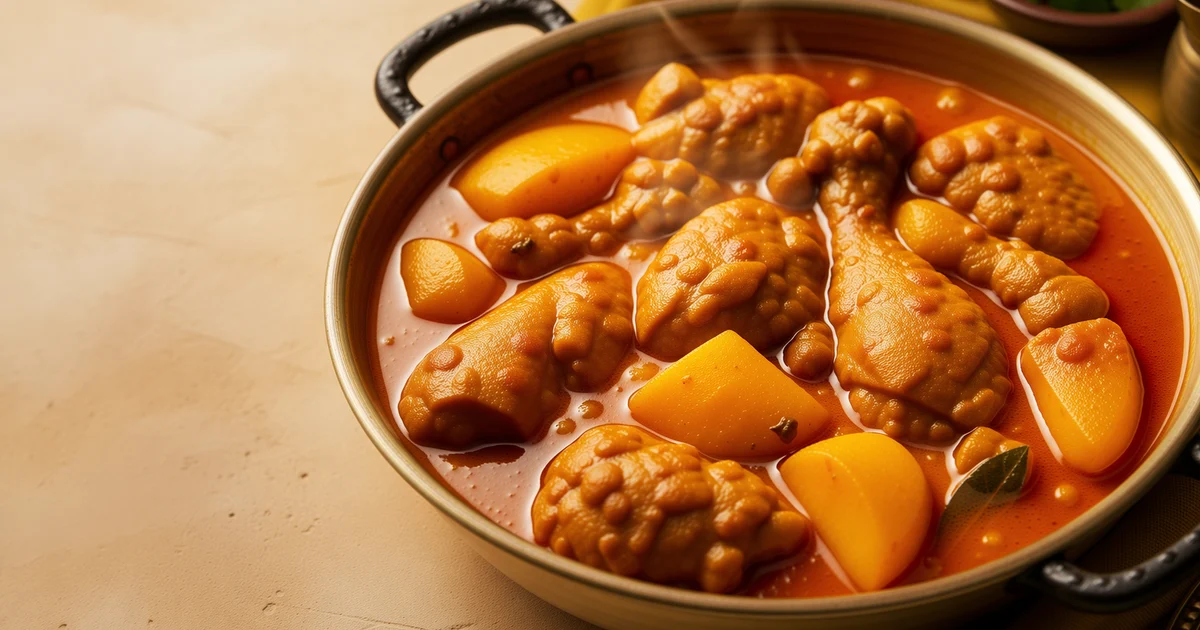
Everyday Chicken Curry
A 40-plate Bangladeshi chicken curry recipe built around reusable base masala, controlled portions and tender chicken for restaurant or food cart service.
- Yield:
- about 40 plates
- Total:
- 2 hr 35 min
- Difficulty:
- Medium
Run your restaurant on Rosuii
POS, menu, inventory, payroll and more — built for Bangladeshi restaurants.
Start free