
Restaurant Recipes
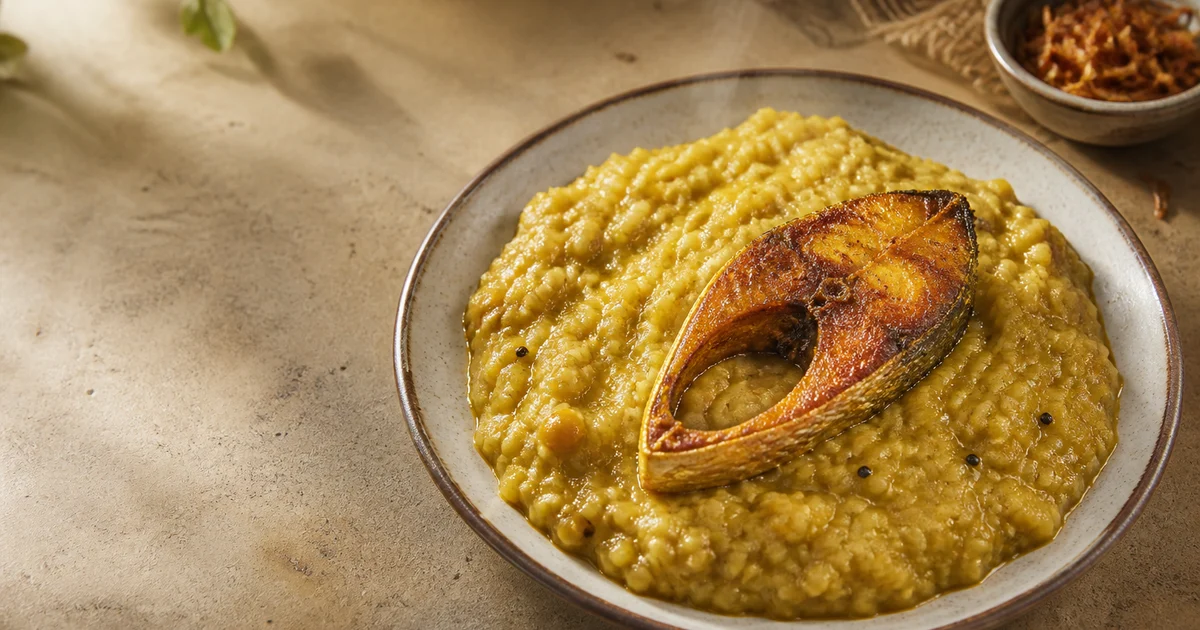
Commercial Ilish Khichuri Recipe
A commercial ilish khichuri recipe for about 40 plates, with controlled hilsa portions, batch cooking, service holding and seasonal cost guidance.
- Prep
- 45 min
- Cook
- 1 hr 10 min
- Total
- 1 hr 55 min
- Yield
- about 40 plates
- Difficulty
- Medium
- Cuisine
- Bangladeshi
Method
- 1
Portion and chill fish
Cut and weigh 42 steaks at 140 to 160 g each, keeping two pieces as breakage allowance. Hold the fish at 5°C or below on perforated trays, and keep it away from rice and ready-to-eat utensils.
- 2
Season the hilsa steaks
Coat the fish with 60 g salt and 35 g turmeric powder. Refrigerate for 15 minutes, then drain any released liquid so it does not spit in the frying oil.
- 3
Dry roast the dal
Heat the main cooking pot over medium heat and roast the moong dal for 8 to 10 minutes. Stir continuously until it smells nutty and changes from pale yellow to light gold, then remove it before it darkens.
- 4
Lightly fry the fish
Heat 700 ml mustard oil to 175 to 180°C in a shallow pan. Fry the steaks in uncrowded batches for 2 to 3 minutes per side until the skin is set and light gold; transfer carefully to lined trays without stacking deeply.
- 5
Build the spice base
Heat the remaining mustard oil in the main pot at medium heat and add bay leaves, cinnamon, cardamom and cloves for 30 seconds. Add onion and cook for 8 to 10 minutes until light brown, then add ginger, garlic, cumin, chilli powder and the remaining turmeric; cook for 3 minutes until the raw smell disappears.
- 6
Coat rice and dal
Add the potato and cook in the spice base for 4 minutes. Add the roasted dal and drained rice, then fold gently for 4 to 5 minutes until the grains are glossy and evenly coated without browning.
- 7
Simmer the khichuri
Add 10 litres of boiling water and the remaining salt, bring the pot to 95 to 98°C, then reduce to a steady simmer. Cover partially and cook for 12 to 15 minutes, checking the bottom with a flat paddle; add the reserved hot water gradually if the grains remain firm and the liquid is absorbed.
- 8
Finish with fish dum
When the rice is swollen but slightly firm at the centre, spread the green chillies over the surface and place the fried fish in one layer. Drizzle with ghee, cover tightly and cook on low heat for 12 to 15 minutes until the thickest fish steak reaches at least 63°C.
- 9
Rest and portion batch
Turn off the heat and rest the covered pot for 10 minutes. Lift the fish onto a separate hot tray, gently loosen the khichuri, and serve 300 to 330 g with one steak while holding both components at 60°C or above.
Notes for your kitchen
This ilish khichuri recipe produces about 40 controlled restaurant plates from one batch. Each serving is planned as one bone-in hilsa steak with approximately 300 to 330 g of khichuri. The batch includes two spare fish steaks because hilsa can break during frying or service. It is suited to lunch service, weekend specials, pre-orders and limited food-cart menus where a rich main dish can be produced in advance and finished quickly.
Why the dish works commercially
Ilish khichuri works best as a limited-batch main course rather than an unrestricted all-day item. The rice and dal can be cooked in one heavy pot, while the fish portions provide a clear unit for sales and stock control. Customers also accept some natural variation in steak shape, provided the raw portion weight and position of the cut are controlled.
The main operational risk is not the khichuri; it is the expensive, fragile and bone-in fish. Sell the dish during a defined lunch window, on rainy days, at weekends or against pre-orders. This reduces long holding, prevents fish from drying out and makes it easier to match the number of cooked steaks to expected sales. Service staff should clearly describe the fish as bone-in.
Ingredient selection and receiving
Hilsa size, freshness and cut consistency have more effect on this dish than extra spices. Buy chilled fish with bright skin, clear eyes, red or pink gills, firm flesh and a clean marine smell. Reject fish with soft belly flesh, brown gills, sour odour or signs of repeated thawing. Keep whole fish and cut steaks at 5°C or below, and process them over chilled trays rather than leaving a full delivery beside the stove.
Medium to large hilsa gives more consistent steaks and fewer thin tail pieces. Ask the supplier to quote the size grade and whether the weight is whole, gutted or cut. If cutting in-house, weigh each steak after trimming. Allocate heads and very thin tails to a separate staff meal, curry or clearly described menu variation instead of quietly using them as standard portions.
Use aromatic Chinigura rice that is clean and reasonably mature. Very new rice absorbs less predictably and can become sticky, so test a small batch when the supplier or crop changes. Moong dal should smell nutty after dry roasting and must not contain insects or stale oil odours. Good mustard oil matters because its aroma identifies the dish, but using more oil cannot correct poor fish.
Technique beyond the basic steps
The khichuri stays separate and aromatic when the dal is roasted, the rice is drained well and the hot water is added in stages. Dry-roasting removes the raw dal smell and firms its surface. Draining washed rice for at least 15 minutes prevents unmeasured wash water from entering the pot. Coating the grains in the cooked spice base also slows surface breakdown.
Do not add all available water blindly. Begin with the main measured amount, keep the balance boiling, and judge the batch after the first simmer. Different rice ages, pot shapes and burner strengths change evaporation. Add extra water in small quantities around the sides of the pot, not as one cold pour over the grains.
Once rice is swollen but still firm at the centre, stop stirring deeply. Use a flat paddle to lift from the bottom only when necessary. Repeated circular stirring releases starch, breaks potato pieces and turns the lower part of a large batch into paste.
Frying or laying fish on top
Light frying gives the best portion control, while laying raw marinated fish on top gives softer fish with less labour. For a cart or busy restaurant, frying is usually safer operationally because it firms the skin, develops colour and reduces breakage during plating. Fry only to light gold, then complete cooking during the covered finish. Dark frying wastes oil, shrinks the portion and masks hilsa flavour.
For a softer traditional result, skip frying and place marinated steaks over the khichuri during the final 12 to 15 minutes. Keep them in one layer and confirm that the thickest steak reaches at least 63°C. This method saves frying time and oil but makes the portions more delicate, increases the chance of bones entering the rice if a steak breaks, and is harder to manage during rapid service.
Scaling the batch correctly
Scale this recipe from per-plate raw allowances, not by changing only the amount of rice. The working allowances are approximately 90 g rice, 45 g dal and 62 g potato for each planned plate, plus one 140 to 160 g raw bone-in fish steak. Keep about 5 percent extra fish portions for breakage, but do not cook a large fish surplus without confirmed demand.
For a 20-plate batch, halve every ingredient and use a smaller pot that maintains similar depth. For an 80-plate requirement, make two 40-plate batches instead of doubling everything in one deep vessel unless the kitchen has a tested steam kettle or tilting pan. A very deep batch cooks unevenly: the bottom becomes soft before the top grains hydrate.
Salt, chilli and water should be adjusted after a test batch whenever the rice, dal, fish size or pot changes. Record the actual water used and final cooked yield. This gives the kitchen a repeatable production standard rather than forcing each cook to estimate by sight.
Holding and reheating for service
For best quality, hold khichuri hot for no more than 60 to 90 minutes. Transfer it to covered shallow gastronorm pans and keep it at 60°C or above. Avoid a deep stockpot on direct flame because the bottom continues cooking while the surface dries. Fold through a small amount of boiling water only if the grains tighten during holding.
After the covered finish, lift the fish onto a separate lined hot-holding tray. Keep the steaks in one layer at 60°C or above and spoon over a little reserved cooking oil to protect the surface. Do not bury and search for fish portions during service because that breaks both fish and rice.
If cooked khichuri must be chilled, spread it in shallow pans and cool quickly to 5°C or below. Reheat only once to at least 74°C, adding a measured amount of boiling water before covering. Reheated hilsa loses moisture quickly, so sell fresh production first and use a conservative 24-hour refrigerated limit under a documented kitchen policy.
Portioning and yield control
A controlled plate is one hilsa steak and one level 300 to 330 g portion of khichuri. Use a scale to set the correct ladle during the first five plates, then check portions periodically through service. Plate potatoes through the batch instead of allowing early servings to receive most of them.
The two spare steaks cover breakage, not oversized portions or unrecorded staff meals. Record the number received, usable steaks cut, pieces cooked, pieces sold and pieces wasted. A practical portion control routine protects both customer consistency and fish stock.
Mistakes that cost money
The most expensive mistakes are inconsistent fish cuts, overfrying, oversized rice portions and cooking without a sales plan.
- Buying by whole weight only: Large heads, damaged bellies and thin tails can reduce the number of standard steaks even when total kilograms look correct.
- Washing cut fish repeatedly: Long soaking weakens the flesh and removes flavour. Rinse only when necessary, drain thoroughly and keep chilled.
- Crowding the frying pan: Oil temperature falls, fish sticks and the skin tears. Fry in small batches and allow the oil to recover.
- Using cold water: Cold water stops cooking and increases the chance of broken, sticky grains in a large pot.
- Holding on direct heat: Scorched khichuri creates wastage and can affect the flavour of the entire batch.
- Mixing leftovers into fresh production: This damages texture, complicates shelf-life control and hides the true batch yield.
Keeping cost stable
Stable cost comes from controlling fish grade, steak count and menu timing rather than reducing the rice quality. Hilsa prices move with season, fishing restrictions, landing volume, fish size and festival demand. Confirm supplier availability before advertising the dish, and use a limited quantity or pre-order menu when supply is uncertain.
Calculate cost from usable steaks, not only purchased kilograms, and review recipe costing whenever the size grade changes. Compare the selling result with the restaurant's target food cost percentage. Rosuii can be used to record a production that converts issued raw materials into the finished batch, while wastage and item-sales reports help compare expected yield with actual sales.
Choosing the menu window
The strongest service window is the one with predictable demand and the shortest holding time. Prepare fish portions before the rush, start the khichuri so it rests shortly before opening the sales window, and finish only the number of fish steaks supported by bookings and recent sales. When hilsa prices rise sharply, offer fewer batch days, smaller confirmed quantities or a clearly priced size variation rather than quietly reducing the steak weight.
What drives the cost
Hilsa dominates the cost, and its price changes with season, fishing restrictions, landing volume, size grade and supplier yield. Mustard oil and aromatic rice are secondary cost drivers, while inconsistent steak cutting and damaged fish can raise the effective cost per sellable plate.
Ingredient rates move with the market, so this describes what drives the cost rather than quoting a figure.
Questions from kitchens
Can this 40-plate batch be doubled in one pot?
How long can ilish khichuri be held for service?
Can the hilsa be cooked without frying?
What is the refrigerated shelf life?
How many sellable portions should the batch produce?
Related recipes
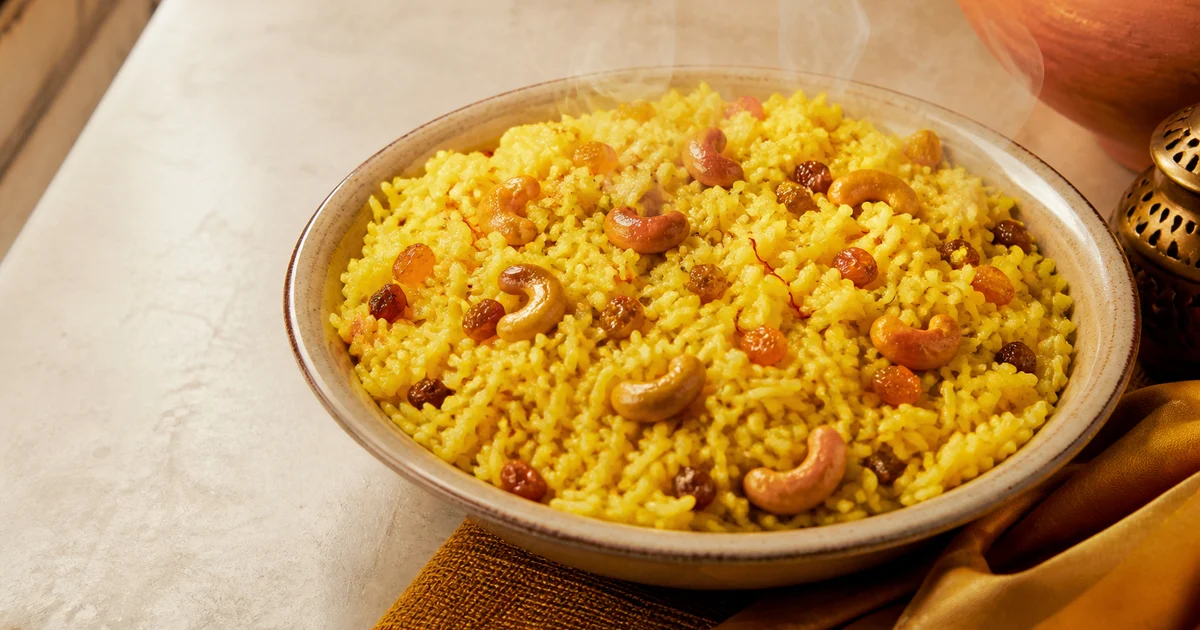
Commercial Basanti Polao Recipe
A 2 kg rice batch of golden, mildly sweet Basanti Polao for about 40 controlled portions, with practical cooking, holding and reheating guidance.
- Yield:
- about 40 plates
- Total:
- 1 hr 15 min
- Difficulty:
- Medium
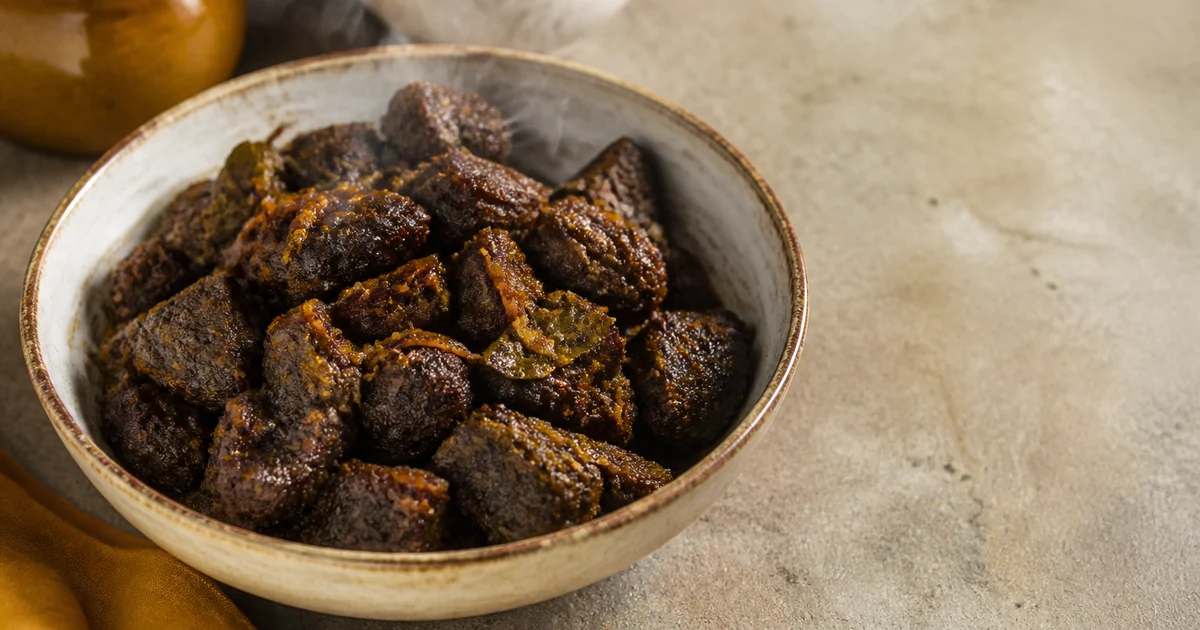
Commercial Beef Kala Bhuna
A commercial Chattogram-style beef kala bhuna recipe producing about 40 controlled portions with deep browning, roasted spices and service guidance.
- Yield:
- about 40 plates at 175 g
- Total:
- 4 hr 15 min
- Difficulty:
- Hard
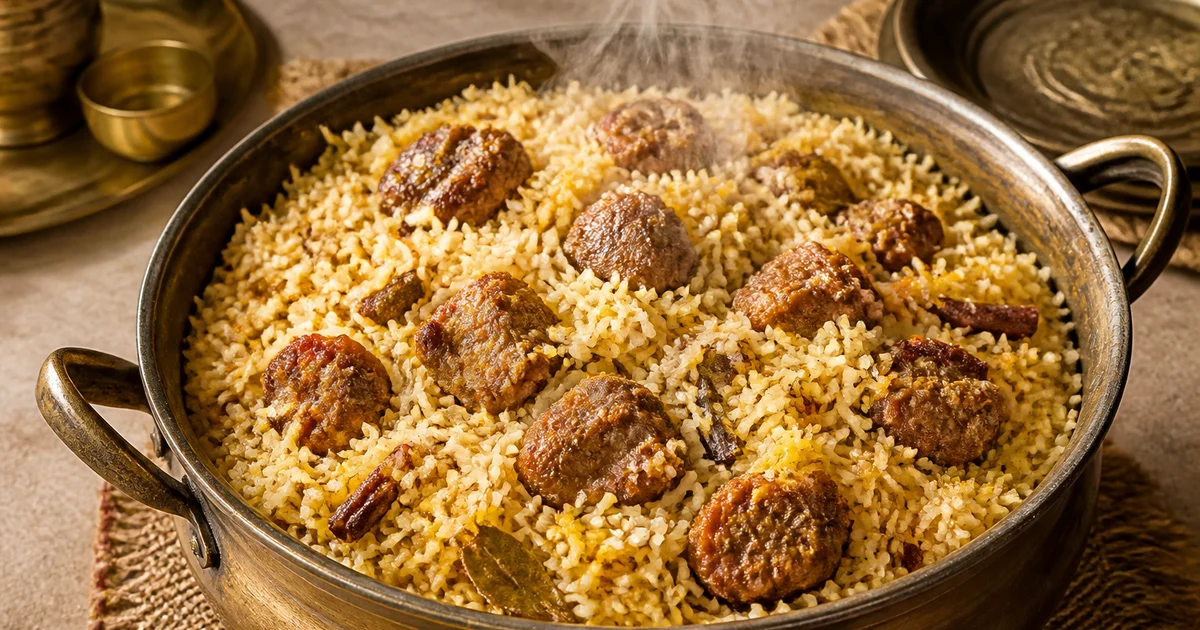
Commercial Beef Tehari Recipe
A 40-plate commercial beef tehari recipe with mustard oil, evenly sized beef cubes, aromatic short-grain rice and practical service controls.
- Yield:
- about 40 plates
- Total:
- 2 hr 35 min
- Difficulty:
- Medium
Run your restaurant on Rosuii
POS, menu, inventory, payroll and more — built for Bangladeshi restaurants.
Start free