
Restaurant Recipes
Restaurant Naan
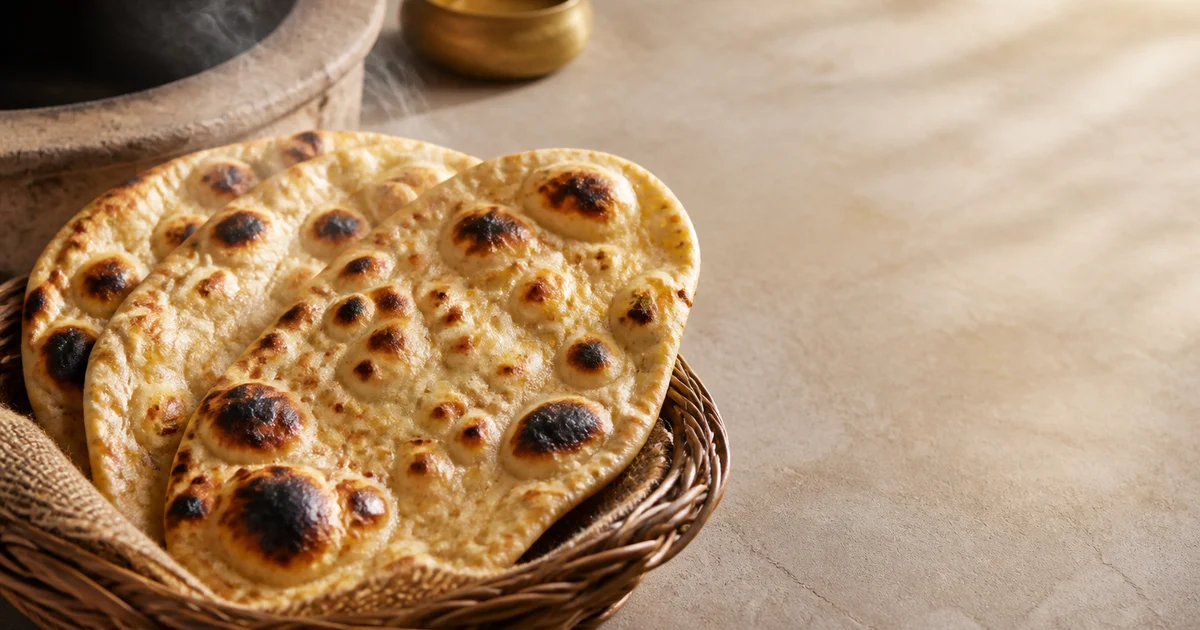
A commercial naan recipe yielding 40 consistent pieces, with controlled proofing, tandoor and tawa methods, service holding and portion control.
- Prep
- 35 min
- Cook
- 45 min
- Total
- 3 hr
- Yield
- about 40 naan
- Difficulty
- Medium
- Cuisine
- Bangladeshi
Method
- 1
Prepare the yeast liquid
Combine the water, sugar and instant yeast in the mixer bowl. Keep the liquid around 26 to 30°C and stir for 30 seconds; the yeast does not need a long bloom, but it should disperse without dry lumps.
- 2
Add flour and salt
Add the maida and salt, keeping back about 60 ml of the measured water if the flour is unfamiliar. Mix on low speed for 3 minutes until no dry flour remains and a rough dough forms.
- 3
Mix in enrichments
Add the yoghurt, egg and soybean oil gradually while mixing on low speed. Continue for 2 minutes, then add the reserved water only if the dough feels firm rather than soft and tacky.
- 4
Develop the dough
Mix on medium speed for 6 to 8 minutes, keeping the final dough temperature at 26 to 28°C. Stop when the surface is smooth and a small piece stretches thin before tearing; do not continue if the dough becomes warmer than 30°C.
- 5
Complete bulk fermentation
Transfer the dough to a lightly oiled covered tray and ferment at 28 to 30°C for 45 to 60 minutes. It is ready when it has risen about 75 percent and small gas bubbles are visible below the surface.
- 6
Divide equal dough balls
Degas gently and weigh 110 g portions, allowing for normal bowl and bench loss. Round each portion tightly, place seam-side down in oiled trays and keep every tray covered.
- 7
Proof the portions
Proof the dough balls at 28 to 30°C for 20 to 30 minutes. They should feel aerated and relax when pressed; if they spread flat or wrinkle, move them to cooking immediately.
- 8
Heat cooking equipment
Stabilise a clay tandoor wall at 370 to 430°C, or heat a cast-iron tawa to a surface temperature of 220 to 250°C. Allow at least 20 minutes for even heating and remove burnt flour between production runs.
- 9
Shape and cook naan
Stretch each ball to roughly 20 to 23 cm, keeping a slightly thicker rim, and add kalojira if ordered. Cook on the tandoor wall for 60 to 90 seconds, or on the tawa until bubbled before turning and finishing over a controlled flame for 15 to 25 seconds.
- 10
Finish and hold briefly
Brush each hot naan with a measured 4 g portion of melted ghee. Serve within 5 minutes where possible, or hold in a cloth-lined covered box for no more than 15 to 20 minutes before quality declines.
Notes for your kitchen
This commercial naan recipe produces about 40 soft, lightly blistered naan from 110 g dough portions. It is designed for Bangladeshi restaurants, food carts and cafe kitchens using either a tandoor or a heavy iron tawa. The dough can be mixed before service, divided into controlled portions and cooked rapidly against confirmed orders.
Why naan works commercially
Naan works well commercially because one controlled dough can support several profitable menu variations. Plain naan, butter naan, garlic naan, kalojira naan and cheese naan can use the same base dough. Keep toppings and fillings separate so the kitchen does not need several dough batches.
Naan is best treated as a short-cook side rather than a product cooked hours in advance. A trained cook can shape and bake one while a curry order is being plated. Tandoor cooking gives the fastest output, but a heavy tawa and direct LPG flame can support a smaller food cart if orders are paced correctly.
Ingredient selection and quality
Flour strength, yeast condition and finishing fat have the greatest effect on naan quality. Use fresh maida with approximately 10.5 to 12 percent protein when supplier specifications are available. Very weak biscuit-grade flour tears during shaping, while excessively strong bread flour can make naan tight and chewy unless fermentation is extended.
Flour absorption changes between mills, seasons and storage conditions. Hold back about 5 percent of the water during mixing, then add it only if the dough remains firm. The finished dough should feel soft and slightly tacky, but it should release from an oiled hand without flowing across the bench.
Use active instant yeast from a sealed pack and record its opening date. Old yeast causes slow production, dense centres and emergency over-proofing near service. Unsweetened tok doi or plain yoghurt should have a clean flavour without separated whey. Ghee provides the strongest finishing aroma, although neutral soybean oil may be used for part of the brushing fat when the menu specification allows it.
Dough development and proofing
Correct final dough temperature is more reliable than following proofing time alone. Aim for a mixed dough temperature of 26 to 28°C. In a hot kitchen, use cool water; during cooler weather, use water around 28 to 32°C. Water that feels hot to the hand can weaken or kill yeast and should not be used.
Mixing must hydrate the flour before the dough is pushed to full development. The dough is ready when its surface is smoother, it stretches into a thin membrane before tearing and it pulls away from most of the bowl. Under-mixed dough tears on the tandoor wall. Over-mixed warm dough becomes sticky, ferments too quickly and is difficult to portion.
At 28 to 30°C, bulk fermentation normally takes 45 to 60 minutes. Do not wait automatically for a perfect doubling; a rise of roughly 75 percent with visible gas under the surface is enough. After division, the balls need another 20 to 30 minutes so the gluten relaxes. A ball that springs back sharply needs more rest, while a flat, fragile ball has proofed too far.
Using a delayed schedule
For evening service, the dough can be cold-fermented if the yeast is reduced. Use instant yeast at 0.3 to 0.5 percent of flour weight instead of the full same-day level. Refrigerate covered dough at 2 to 5°C for up to 24 hours, then divide and temper the balls until they reach approximately 18 to 20°C before shaping.
Do not place a large warm mass directly into a crowded refrigerator because its centre cools slowly. Divide it into shallow, lightly oiled containers first. Label each container with mixing time, expected service and dough weight.
Tandoor and tawa technique
A tandoor gives the best blistering, while a tawa gives lower-volume kitchens more control. For a clay tandoor, stabilise the wall at approximately 370 to 430°C. Lightly wet the wall-facing surface of the shaped naan, press it firmly against a clean section and cook until inflated with dark brown blisters, usually 60 to 90 seconds.
A wall that is too cool makes the naan dry before it colours. A wall that is excessively hot burns the contact points while leaving the centre raw. Remove the naan with proper tandoor tools and check that no clay fragments remain attached.
For tawa production, use thick cast iron with a surface temperature around 220 to 250°C. Cook the first side until bubbles form, turn briefly, then finish the top over a controlled open flame for 15 to 25 seconds. Never expose a non-stick pan to direct flame. Tawa naan will have smaller blisters and a slightly firmer base, so avoid rolling it too thin.
Scaling the batch safely
Scale naan with baker's percentages rather than multiplying spoon measurements. Treat flour as 100 percent; the base dough uses water at 50 percent, yoghurt at 15 percent, egg at about 8.3 percent, oil at about 6.7 percent, sugar at 3 percent, salt at 2 percent and same-day instant yeast at 1 percent. Weigh every production batch, including liquids and eggs.
When doubling, confirm that the mixer can hold the dough without exceeding its rated flour or dough capacity. Two correctly mixed batches are better than one overloaded batch. When halving, make sure the reduced dough still reaches the mixer hook; otherwise mix it in an appropriately sized machine.
Temperature does not scale with quantity. A larger dough mass retains heat and may ferment faster after mixing, so check it every 15 minutes. Record actual yield and rejected pieces through recipe costing rather than assuming every gram becomes a sale.
Portioning and yield control
Consistent 110 g dough balls are the main control for achieving 40 saleable naan. Use a digital scale instead of dividing by eye. Keep the balls covered in lightly oiled trays with space for expansion, and arrange them in a fixed count per tray so staff can read remaining stock quickly.
Shape each ball to approximately 20 to 23 cm at its longest point, leaving the rim slightly thicker than the centre. Heavy flour dusting adds dry patches and burns inside a tandoor. If a garlic, cheese or butter variation changes food cost, define its topping weight separately through a documented portion control standard.
Rosuii's production and wastage records can be used to convert measured raw materials into a finished naan dough batch and record damaged or unused portions. This helps compare prepared dough, pieces sold and closing waste without claiming automatic recipe deduction from every menu sale.
Holding and reheating for dinner service
Cooked naan should ideally reach the customer within five minutes. For a rush, hold it for no more than 15 to 20 minutes in a cloth-lined insulated box or covered hot cabinet. Keep the stack small and place food-safe paper between every few pieces so steam does not make the lower naan wet.
Long hot holding above 60°C is safer than warm holding but quickly dries bread, so production should follow the KDS or ticket flow. Do not seal very hot naan tightly in plastic because condensation softens the crust. Brush only a controlled amount of ghee immediately after cooking.
Reheat a cooled naan on a 220°C tawa for about 20 seconds per side, or in a 230°C oven for 45 to 60 seconds. A light water mist can restore flexibility, but too much creates a gummy surface. Reheat only once and discard pieces that have dried, developed an off smell or remained at unsafe ambient temperature.
Mistakes that cost money
The most expensive naan mistakes are uncontrolled proofing, oversized portions and cooking too far ahead.
- Too much yeast: Dough becomes sour, fragile and difficult to attach to a tandoor wall.
- Warm dough: Fermentation accelerates before service and creates avoidable waste.
- Variable ball weights: Large naan increases flour and topping use without increasing the selling price.
- Excess bench flour: Flour burns, makes the kitchen smoky and leaves bitter patches.
- Low cooking heat: Naan loses moisture before browning and becomes leathery.
- Overproduction: Finished bread held for hours cannot match made-to-order quality.
Keeping food cost stable
Stable naan cost depends on supplier consistency, measured portions and realistic production planning. Compare flour by usable dough performance, not only by bag price; cheap flour that needs extra dusting or causes tearing may produce fewer saleable pieces. Standardise ghee brushing with a measured brush dip or squeeze bottle because finishing fat can vary greatly between cooks.
Forecast dough from recent item sales, expected covers and naan sold per curry order. Track opening dough balls, additions, sales, staff meals and discarded pieces. Review the resulting food cost percentage alongside waste, because a low ingredient cost still becomes damaging when too much proofed dough remains after dinner service.
What drives the cost
Maida is the largest bulk input, while ghee, yoghurt and eggs can contribute a high share of the cost per piece. Cost moves with flour quality, the finishing fat selected, topping portion size and the number of over-proofed or burnt naan discarded.
Ingredient rates move with the market, so this describes what drives the cost rather than quoting a figure.
Questions from kitchens
How do I double this naan recipe without changing the result?
How long can naan dough be kept in the refrigerator?
How long can cooked naan be held for dinner service?
Can I make restaurant naan without a tandoor?
Why did the batch produce fewer than 40 naan?
Related recipes
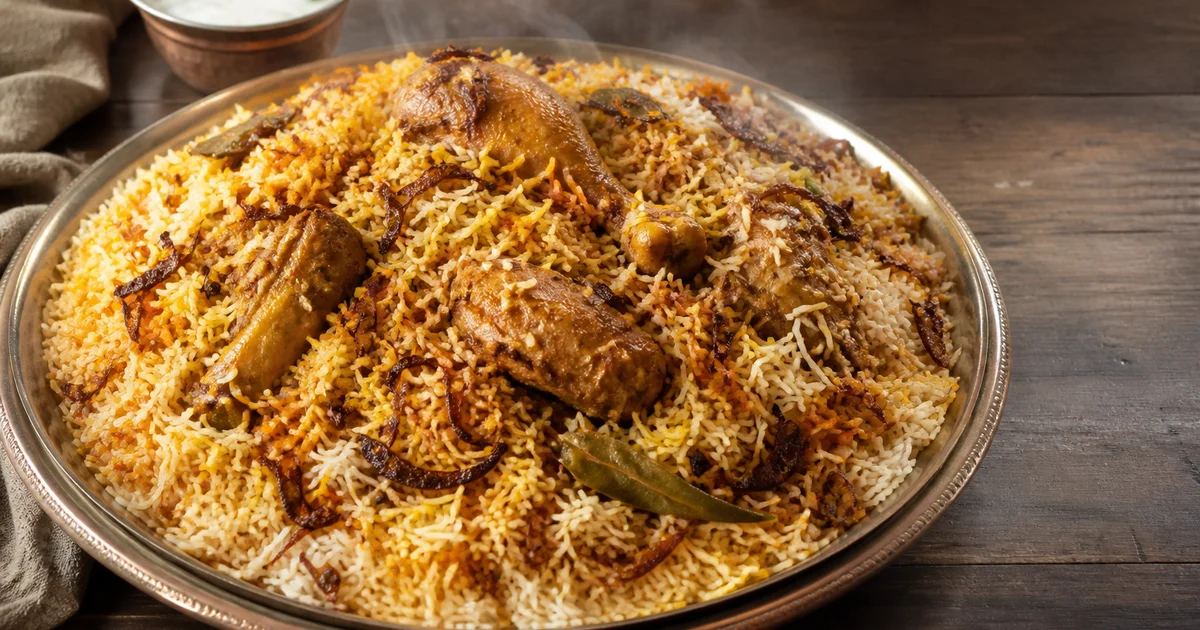
Commercial Chicken Biryani Recipe
A commercial pakki chicken biryani recipe yielding about 40 controlled portions, with guidance on par-cooking rice, dum, holding and scaling.
- Yield:
- about 40 plates
- Total:
- 4 hr 35 min
- Difficulty:
- Medium
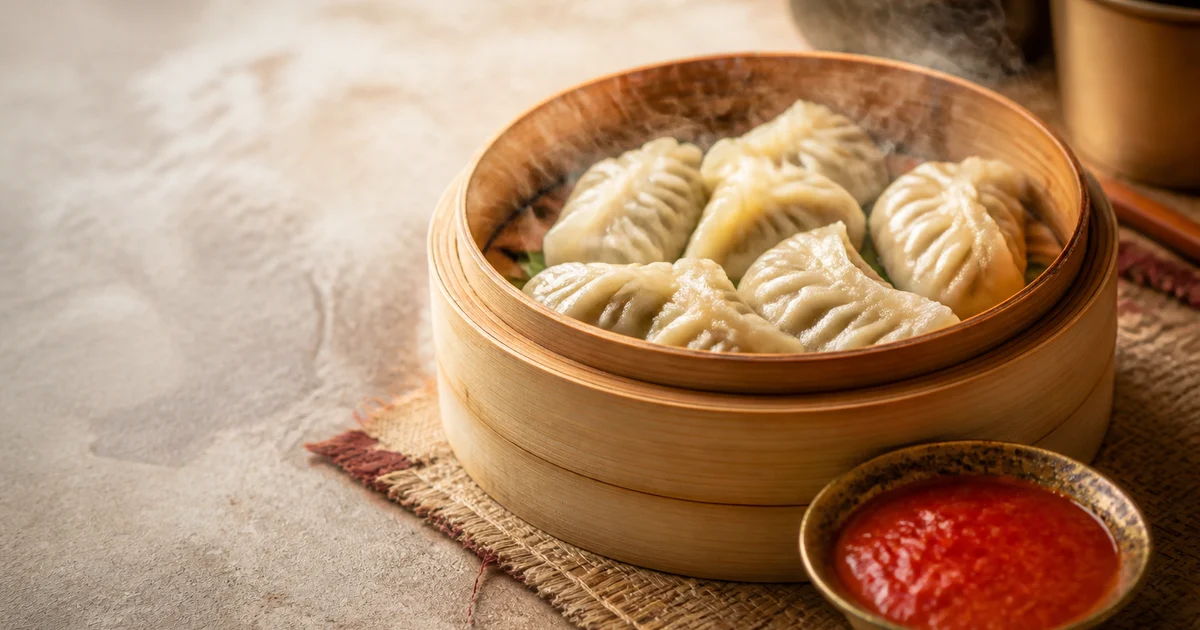
Commercial Chicken Momo Recipe
A commercial chicken momo recipe yielding about 200 pieces, with measured wrappers, juicy filling, fast folding, batch steaming, freezing and chutney control.
- Yield:
- about 40 plates
- Total:
- 3 hr 30 min
- Difficulty:
- Medium
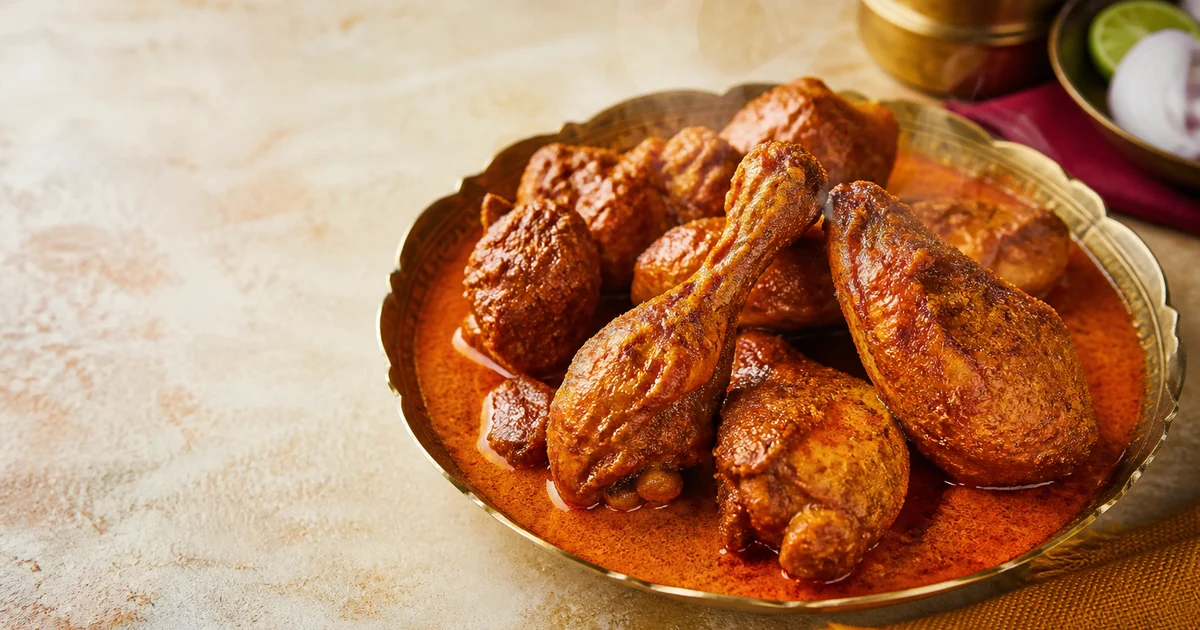
Commercial Bangladeshi Chicken Roast
A 40-portion biye-bari style chicken roast with first-fried chicken, controlled sweet-savoury gravy, catering yield guidance and service holding.
- Yield:
- about 40 plates
- Total:
- 2 hr 15 min
- Difficulty:
- Medium
Run your restaurant on Rosuii
POS, menu, inventory, payroll and more — built for Bangladeshi restaurants.
Start free