
Restaurant Recipes
Shorshe Ilish
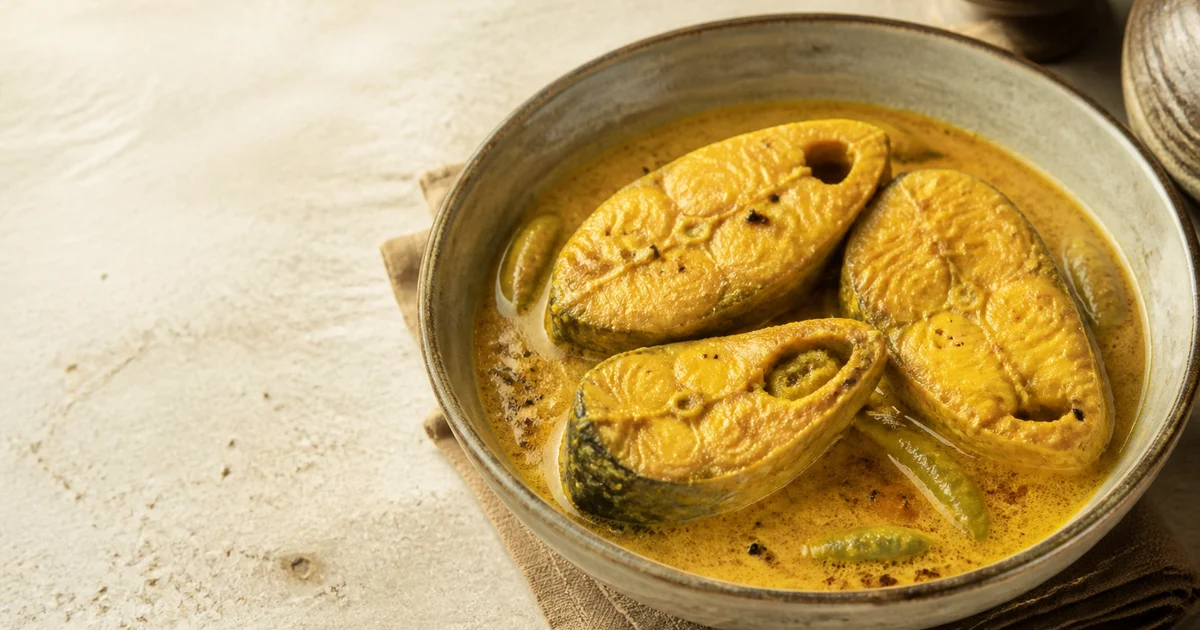
A commercial shorshe ilish recipe for 40 plates, with controlled mustard grinding, gentle hilsa cooking, portion standards and safe service holding.
- Prep
- 35 min
- Cook
- 40 min
- Total
- 1 hr 15 min
- Yield
- about 40 plates
- Difficulty
- Medium
- Cuisine
- Bangladeshi
Method
- 1
Inspect and portion fish
Keep the hilsa at 0°C to 5°C and check each steak for clean odour, firm flesh and intact skin. Standardize 40 pieces at about 125 g each, then drain and pat dry without soaking.
- 2
Season the steaks
Mix the fish gently with 45 g salt and 20 g turmeric. Refrigerate for 10 minutes only; longer salting can draw out moisture and weaken the flesh.
- 3
Soak the mustard
Combine both mustard seeds with 700 ml cold water and soak for 15 to 20 minutes. Keep the mixture below 30°C and do not leave it soaking for several hours.
- 4
Grind a cold paste
Grind the soaked seeds in small batches with 30 g salt and about 50 g green chilli, using short pulses for 60 to 90 seconds per load. Add only enough soaking water to keep the blades moving, then pass the paste through a medium sieve; it should be smooth, pungent and not warm.
- 5
Temper the mustard oil
Divide the mustard oil between two wide pans and heat to about 175°C until shimmering but not heavily smoking. Add the kalojira and cook for 20 to 30 seconds, stopping before the seeds turn black.
- 6
Build the mustard sauce
Lower the heat and divide the mustard paste, remaining turmeric, optional sugar and remaining cold water between the pans. Stir until uniform, then bring to a gentle 85°C to 90°C simmer for 3 to 4 minutes; do not hard-boil the sauce.
- 7
Arrange steaks evenly
Place 20 steaks in a single layer in each pan and add the remaining green chillies. Spoon sauce over the fish, cover and return the pans to a gentle simmer within 3 to 5 minutes.
- 8
Cook without breaking
Cook covered at 85°C to 90°C for 6 minutes, then turn each steak once with a wide fish slice. Cook for another 4 to 6 minutes until the thickest pieces reach 63°C and the flesh separates beside the central bone.
- 9
Rest and portion
Remove the pans from direct heat and rest covered for 5 minutes so the sauce settles around the fish. Serve one intact steak with 80 to 90 ml sauce, or hold covered at 60°C to 65°C for no more than about 90 minutes for best quality.
Notes for your kitchen
Why shorshe ilish works commercially
Shorshe ilish works best as a limited-batch premium main course rather than a high-volume everyday curry. The dish has strong customer recognition, needs few supporting ingredients and pairs naturally with steamed rice. A restaurant can prepare the mustard base before service, cook the fish in controlled batches and sell each plate with one standard steak and a measured amount of sauce.
Hilsa is expensive, seasonal and naturally bony, so the selling price must account for more than the raw weight. Customers are paying for genuine ilish, correct mustard flavour, careful handling and a portion that reaches the table intact. For a food cart, it is sensible to offer shorshe ilish on selected days, by preorder or as a clearly limited special. This reduces unsold fish and avoids keeping a delicate curry hot for an entire shift.
Selecting hilsa for consistent portions
Fish size and steak uniformity matter more than buying the largest hilsa available. Specify a purchasing size range to the supplier and reject fish with sour odour, soft flesh, sunken eyes or damaged bellies. Fresh hilsa should smell clean and marine, with firm flesh and bright skin. Properly frozen hilsa can provide more stable supply, but it must remain fully frozen during transport and should not show thick ice, freezer burn or repeated thawing.
For this batch, use 40 bone-in steaks averaging about 125 g before cooking. Centre steaks produce the most consistent plates, while thin tail pieces cook faster and appear smaller. If buying whole fish, record the received weight, cleaned weight and number of saleable steaks. Heads, tails and uneven pieces should be assigned to a separate staff meal or defined menu item rather than silently included in the yield.
Thaw frozen hilsa under refrigeration at 0°C to 5°C, ideally overnight in perforated trays set over catch pans. Never thaw it in standing water or at cart temperature. Rinse only when necessary, drain immediately and dry the surface. Long soaking removes flavour, softens the flesh and increases breakage.
Where ingredient quality matters
The quality priorities are genuine hilsa, fresh mustard seed and clean mustard oil. Old mustard seed can taste dusty or flat, while overheated or rancid mustard oil creates a harsh finish that extra chilli cannot hide. Store mustard seed dry, sealed and away from the cooking line, then grind only the quantity needed for the batch.
A blend weighted toward yellow mustard gives body and manageable heat, while black mustard adds sharper aroma. Using only black mustard can make a large batch aggressive and more sensitive to grinding errors. Green chillies should smell fresh and grassy rather than merely hot. Their quantity can be adjusted slightly for the customer base, but they should not cover the flavour of the fish.
Grinding mustard without bitterness
Mustard stays clean and pungent when it is soaked briefly, ground cold and used without delay. Soak the seeds in cold water for about 15 to 20 minutes, not for several hours. Grind in small loads with salt, a little green chilli and enough cold water to keep the blades moving. Use short pulses and keep the paste below 30°C; a warm grinder bowl is a warning to stop and chill the next load.
Do not run a high-speed blender continuously until the paste becomes hot. Excessive grinding, old seed, too much black mustard and prolonged hard boiling can all produce a coarse, bitter result. Passing the paste through a medium sieve removes stubborn hull fragments and makes the sauce more consistent. The paste should be prepared shortly before cooking because its aroma changes as it stands.
Controlling the cooking technique
Shorshe ilish should simmer gently because hard boiling breaks the steaks and dulls the mustard aroma. Heat the mustard oil until shimmering, but do not leave it smoking. Kalojira should sizzle immediately and release its aroma within seconds without turning black. Once the mustard mixture and water are added, bring the sauce only to a controlled simmer.
Use two wide pans rather than stacking 40 steaks in one deep pot. A single layer gives even heat, keeps the skin attached and allows staff to lift portions without searching through the sauce. Hilsa releases its own oil during cooking, so the finished sauce should look glossy and lightly emulsified rather than thick like a korma.
Turn the fish no more than once, using a wide fish slice to support the bone and flesh together. Check the thickest steaks first and stop cooking when they reach 63°C at the centre and separate easily beside the central bone. Continued boiling after that point causes weight loss, broken pieces and an oily sauce.
Scaling the batch correctly
Scale fish by portion count, but scale water and cooking space by pan coverage. For a half batch, halve the fish, mustard, seasoning and oil, then begin with slightly less than half the water because a smaller pan may lose less moisture. For a double batch, use four pans or cook two consecutive rounds instead of doubling the depth in one vessel.
Keep the mustard ratio consistent when scaling; do not estimate it by eye. Mix one measured sauce base, divide it by weight between identical pans and place the same number of steaks in each. Cooking time does not double with batch size when pan depth and steak thickness remain unchanged, but recovery time after adding cold fish will increase.
Holding and reheating for service
The best service quality comes from holding shorshe ilish at 60°C to 65°C for no longer than about 90 minutes. Keep the pans covered and hold the steaks in their sauce so the surface does not dry. Avoid a rolling steam-table boil. Stir only around the fish, and use a ladle to move sauce rather than repeatedly shifting the steaks.
For reheating, arrange chilled portions in a shallow covered pan with enough sauce to protect them. Reheat once to at least 74°C at the centre, then transfer to hot holding above 60°C. A combi oven at about 140°C with moisture, or a low burner with a covered wide pan, is safer for texture than direct high heat. Do not mix fresh production with yesterday's remaining curry.
If cooling is required, move the curry into shallow pans and cool rapidly to 5°C or below under the kitchen's documented food-safety procedure. Label the production time and use chilled portions within 24 hours for best commercial quality. Fish left at uncontrolled ambient temperature should not be returned to stock.
Portioning and yield control
One saleable portion is one standard steak with 80 to 90 ml of mustard sauce. Use a wide perforated fish slice for the steak and a fixed ladle for the sauce. Count steaks before service, separate any undersized tail portions and never compensate for a small piece by giving away a second full steak without recording it.
Train counter and kitchen staff to recognize the portion visually, but verify it by weight during setup. The planned yield is about 40 plates, not 40 ladles from an unmeasured pot. A practical portion control system protects both customer consistency and gross margin.
Common mistakes that cost money
The most expensive mistakes are broken steaks, bitter mustard, oversized portions and unsold hot-held fish. Stacking fish causes breakage, while vigorous stirring turns premium steaks into fragments that cannot be sold at full value. Overcooking reduces portion weight and releases excess oil. Long marination with salt or acid also softens the flesh unnecessarily.
- Unspecified fish size: Mixed steak sizes create uneven cooking and arguments at the counter.
- Warm mustard grinding: Continuous blending produces harsh flavour and weakens batch consistency.
- Excess water: A thin sauce needs longer reduction, increasing fuel use and overcooking risk.
- Free-pouring sauce: Early plates receive too much, leaving dry portions at the end of service.
- No production limit: Cooking the full forecast at opening increases holding loss and leftovers.
Keeping food cost stable
Stable cost comes from controlling fish specification, usable yield and daily production quantity. Hilsa prices move with season, fishing restrictions, landing volume, fish size, origin claims and the condition of fresh or frozen supply. Compare suppliers by saleable steak yield and quality, not only by whole-fish weight.
Use historical sales to set a realistic batch and review the dish through recipe costing and food cost percentage. Rosuii can be used to record hilsa stock, production quantities, suppliers, item sales and wastage so management can compare purchased weight with actual plates sold. When supply cost rises sharply, adjust portion specification, availability or menu positioning rather than quietly serving thinner steaks.
Why it remains a premium menu item
Shorshe ilish is premium because the main ingredient is costly, seasonal, bone-in and highly sensitive to poor handling. Unlike a minced or heavily sauced dish, the customer can immediately judge the fish size and condition. A disciplined kitchen protects that value through verified purchasing, cold grinding, gentle cooking and exact portioning.
What drives the cost
Hilsa dominates the cost, while mustard seed, mustard oil and green chillies are secondary cost drivers. Hilsa cost moves with season, fishing restrictions, landing volume, fish size, supplier origin and whether the fish is fresh or properly frozen. Usable steak yield and breakage can affect the final plate cost as much as the buying rate.
Ingredient rates move with the market, so this describes what drives the cost rather than quoting a figure.
Questions from kitchens
How should this shorshe ilish recipe be doubled for 80 plates?
How long can shorshe ilish stay in hot holding?
Can another fish replace hilsa?
What is the refrigerated shelf life?
What should be done if the batch yields fewer than 40 full steaks?
Related recipes
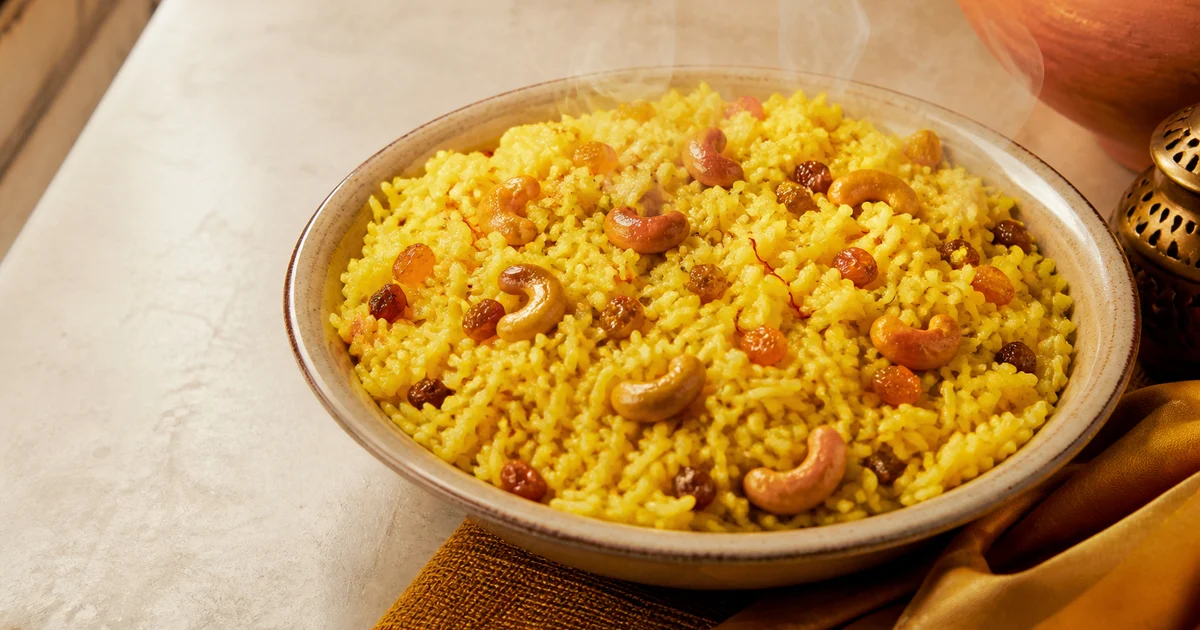
Commercial Basanti Polao Recipe
A 2 kg rice batch of golden, mildly sweet Basanti Polao for about 40 controlled portions, with practical cooking, holding and reheating guidance.
- Yield:
- about 40 plates
- Total:
- 1 hr 15 min
- Difficulty:
- Medium
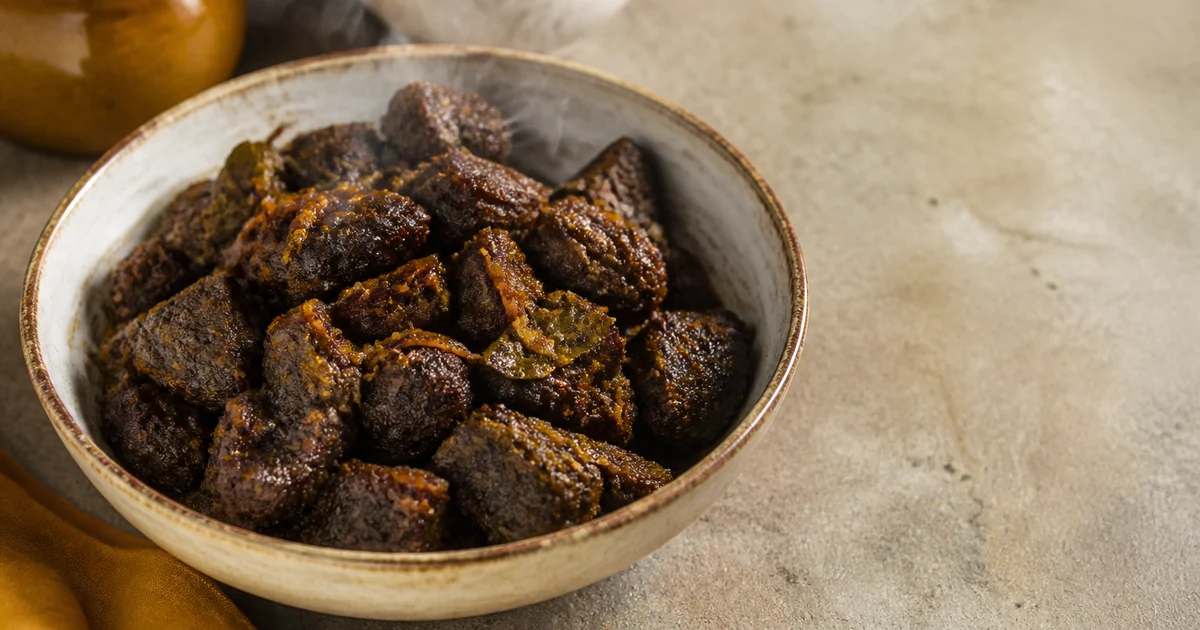
Commercial Beef Kala Bhuna
A commercial Chattogram-style beef kala bhuna recipe producing about 40 controlled portions with deep browning, roasted spices and service guidance.
- Yield:
- about 40 plates at 175 g
- Total:
- 4 hr 15 min
- Difficulty:
- Hard
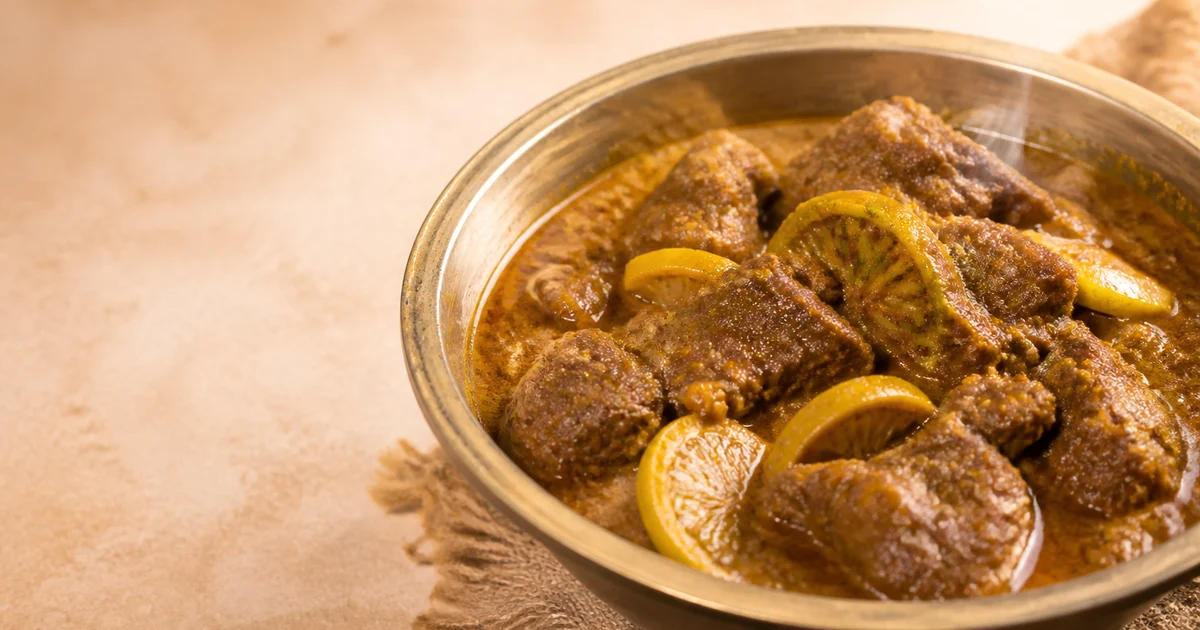
Commercial Beef Shatkora Recipe
A commercial Sylheti beef shatkora recipe for 30 plates, with controlled citrus bitterness, batch scaling, holding, reheating and yield guidance.
- Yield:
- about 30 plates
- Total:
- 3 hr 15 min
- Difficulty:
- Medium
Run your restaurant on Rosuii
POS, menu, inventory, payroll and more — built for Bangladeshi restaurants.
Start free