
Restaurant Recipes
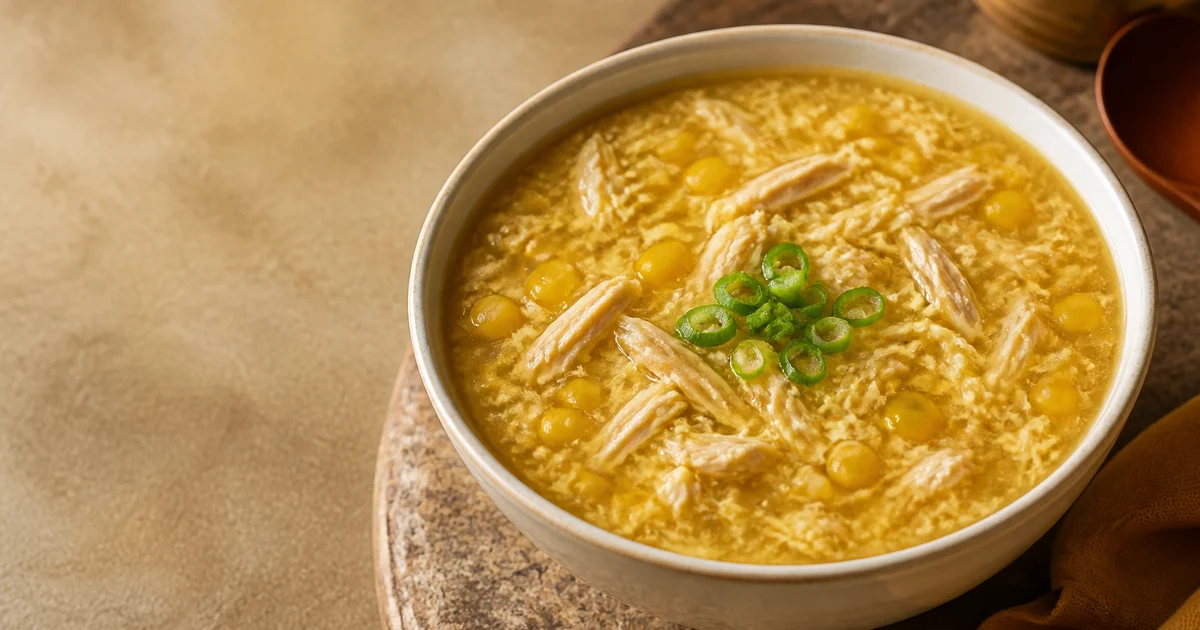
Commercial Chicken Corn Soup Recipe
A commercial chicken corn soup recipe yielding 12 litres, with controlled stock, cornflour thickening, safe hot holding and 250 ml portions.
- Prep
- 30 min
- Cook
- 2 hr 5 min
- Total
- 2 hr 35 min
- Yield
- about 48 bowls of 250 ml
- Difficulty
- Medium
- Cuisine
- Chinese
Method
- 1
Blanch the chicken frames
Cover the frames with part of the water and bring to a full 100°C boil. Blanch for 5 minutes until grey foam rises, then drain and rinse the frames and pot under clean running water.
- 2
Build a clean stock
Return the frames to the clean pot with 10 litres of fresh water, ginger and spring onion whites. Bring to 95°C, then reduce to a gentle 85°C to 90°C simmer for 90 minutes, skimming fat and foam until the stock smells clean and looks pale golden.
- 3
Poach and shred chicken
Add the boneless chicken to the stock and keep it at 82°C to 88°C for 12 to 16 minutes. Remove it when the centre reaches 74°C, rest for 5 minutes, then shred into short, even strands.
- 4
Strain and measure stock
Strain the stock through a fine-mesh strainer without pressing hard on the bones. Keep it above 60°C and record the recovered volume; the liquid should be clean, lightly coloured and free from bone fragments.
- 5
Cook both corn styles
Return the stock to the cleaned pot and stir in the cream-style corn and sweet corn kernels. Heat to 90°C to 95°C for 8 minutes, stirring from the base until the corn is evenly suspended and no cold pockets remain.
- 6
Set batch volume
Add the shredded chicken, light soy sauce, salt and white pepper. Adjust with hot water or reserved stock to about 11 litres, then simmer at 90°C for 3 minutes and taste for balanced chicken, corn and salt flavours.
- 7
Thicken in stages
Whisk the cornflour with the cold water and stir again immediately before use. Keep the soup at 90°C to 95°C and add about three-quarters of the slurry gradually, then boil gently for 90 seconds before deciding whether the remaining slurry is needed; the soup should coat a spoon without becoming pasty.
- 8
Form fine egg ribbons
Reduce the movement to a gentle 88°C to 92°C simmer and pour the beaten egg in a thin stream. Wait 10 seconds, then stir slowly in one direction for 30 to 45 seconds until long, soft ribbons are visible.
- 9
Finish and check yield
Fold in the sesame oil and spring onion greens, then heat for 1 minute without a hard boil. Confirm a final volume of 12 litres and a temperature above 74°C, adjusting with a small amount of hot stock if necessary before rechecking consistency and seasoning.
- 10
Hold safely for service
Transfer the soup to a preheated kettle or bain-marie and maintain at 60°C to 70°C. Stir from the bottom every 15 to 20 minutes, keep covered between orders and portion with a level 250 ml ladle.
Notes for your kitchen
This chicken corn soup recipe produces a consistent 12-litre commercial batch for about 48 bowls. It is designed for Bangladeshi restaurants, cafes and food carts that need a fast starter with controlled protein use, predictable thickness and limited finishing work during service. The soup can support a strong margin because stock, corn and egg provide most of the body while chicken is portioned carefully.
Why chicken corn soup works commercially
Chicken corn soup works as a commercial starter because one controlled batch can be portioned quickly across lunch, evening and takeaway service. Customers recognise the dish, and the mild flavour suits adults, children and mixed groups. It can be sold as a standard bowl or paired with fried rice, noodles, wontons or a set menu without changing the production batch.
The kitchen should treat the soup as a measured finished product rather than an open pot that is repeatedly diluted. Record the final volume, serving ladle and number of bowls sold. If a 12-litre batch does not produce close to 48 portions at 250 ml each, the usual causes are oversized ladles, staff tasting from the service pot, uncontrolled evaporation or unrecorded complimentary bowls.
Select ingredients where quality matters
Stock and corn quality matter more than expensive garnish in chicken corn soup. Use fresh chicken frames with a clean smell, pale fat and no signs of repeated freezing. Frames with joints, neck meat and connective tissue produce better body than bare breast bones, but excessive skin makes the soup greasy and increases skimming work.
Boneless breast gives clean-looking shreds but becomes dry when overcooked. Trimmed thigh stays softer during holding but releases more fat and may produce darker shreds. Either can work if the same cut and supplier specification are used for every batch.
Cream-style corn provides sweetness, colour and suspended corn pulp. Check the label and test each brand because added sugar, salt and starch vary considerably. Whole kernels provide visible value and texture. Frozen kernels normally hold their shape better than very soft canned kernels, while canned kernels are convenient if they are drained accurately. Avoid old frozen corn with freezer burn or large ice deposits.
Build a clean chicken stock
A gentle, clean stock gives the soup chicken flavour without an oily surface or muddy colour. Blanching and rinsing the frames removes blood, bone dust and loose protein before the main extraction. During the main simmer, keep the liquid below a rolling boil. Violent boiling breaks fat into small droplets that are difficult to skim and can make the finished soup cloudy.
Do not depend on soy sauce, stock powder or MSG to repair a weak stock. Those seasonings may increase salt and savoury flavour, but they do not replace the body created by bones and connective tissue. Keep the stock lightly seasoned until the corn is added because cream-style corn and soy sauce may already contain salt.
Control thickness in stages
The correct consistency lightly coats a spoon but still pours cleanly from a ladle. Cornflour must be mixed with cold water until completely smooth. Warm water creates lumps, and slurry left standing separates, so stir it again immediately before use.
Add the slurry in stages while the soup is moving at a gentle boil. Cornflour reaches its useful thickening strength only after the liquid returns to about 90°C to 95°C for at least 60 to 90 seconds. Judge the texture after this cooking period, not immediately after pouring. Remember that the soup will become thicker during hot holding and thicker again after refrigeration.
Egg ribbons should remain visible rather than disappearing into the stock. Pour beaten egg in a thin stream after the soup has thickened, wait briefly and then stir slowly in one direction. Rapid whisking produces tiny particles and a cloudy appearance.
Scale by final volume
Scale this recipe by target litres and ingredient weight, not by guessing the number of pots. For a half batch, multiply every ingredient by 0.5 and finish at 6 litres. For a 24-litre batch, multiply by 2, but use a pot with at least 30 litres of working capacity so the soup can circulate safely without overflowing.
Evaporation does not increase in a perfectly straight line because pot width, burner strength and lid position change the exposed surface. Large batches may lose a smaller percentage of water than small batches. Mark the production pot at the target volume or use a sanitised dipstick, then make the final adjustment with hot stock or boiling water. Never scale only the chicken while leaving the cornflour unchanged, as this raises cost without preserving flavour balance or texture.
Hold and reheat safely
Hold chicken corn soup at 60°C or above and plan to sell the batch within four hours for the best texture. Use a bain-marie or soup kettle rather than direct high flame, which scorches corn at the bottom. Stir from the base every 15 to 20 minutes and keep the lid closed between service periods.
Reserve a small amount of unsalted hot stock for correcting thickening during service. Add it in measured portions rather than pouring water freely into the kettle. Recheck salt after every adjustment. Do not add raw cornflour slurry directly to a service kettle unless the entire soup can return to at least 90°C long enough to cook the starch.
For later use, divide unsold soup into shallow containers and cool from 60°C to 21°C within two hours, then from 21°C to 5°C within another four hours. Refrigerate at 5°C or below. Reheat once to at least 74°C, stirring frequently, and never mix an old batch into fresh production.
Control portions and yield
A fixed 250 ml ladle protects both yield and the customer's experience. Check the actual ladle capacity with water because utensils marked as one portion may hold more when heaped. Train servers to stir the pot gently before portioning so chicken and corn remain distributed instead of settling at the bottom.
Use the same bowl for dine-in and a verified container size for takeaway. A deeper-looking bowl can improve presentation without increasing volume. Follow a written portion control procedure and compare expected bowls with POS sales, staff meals, complimentary servings and wastage records.
Avoid mistakes that cost money
The most expensive mistakes are weak stock, uncontrolled chicken portions, over-thickening and poor hot holding. Weak stock encourages staff to add extra soy sauce or seasoning powder, producing a salty soup without real depth. Too much chicken raises batch cost but often settles at the bottom, so the first bowls receive less and the final bowls receive too much.
Excess cornflour creates a glue-like texture and forces dilution, which then weakens seasoning and corn flavour. Boiling after the egg is added can break the ribbons. Leaving the pot uncovered increases evaporation, while keeping it over direct flame can scorch the corn and make the whole batch unsellable.
Do not top up yesterday's soup with a fresh batch. This hides true yield, complicates shelf-life control and makes flavour inconsistent. Record returned soup, burnt soup and serving spills as wastage rather than absorbing them into the next production.
Keep food cost stable
Stable cost comes from standard purchasing, measured production and recorded yield. Compare suppliers by usable chicken weight, drained corn weight and consistency between deliveries, not only by pack size. Use a proper recipe costing sheet and monitor the dish's food cost percentage when chicken or imported canned corn prices move.
Rosuii can record the stock, chicken and corn used in a production that turns raw materials into a finished soup batch, while wastage and item-sales reports help check expected yield. Keep one approved cream-style corn specification, one serving size and one production record so purchasing changes do not silently alter the recipe.
What drives the cost
Boneless chicken and cream-style corn dominate the ingredient cost, while chicken frames affect the cost and quality of the stock. Cost moves with chicken cut, usable yield, imported canned corn prices and whether whole kernels are bought frozen or canned.
Ingredient rates move with the market, so this describes what drives the cost rather than quoting a figure.
Questions from kitchens
How do I scale this chicken corn soup recipe to a different batch size?
How long can the soup stay in a service kettle?
Can I replace cream-style corn with whole corn?
How long does chicken corn soup last under refrigeration?
Why does the batch produce fewer than 48 bowls?
Related recipes
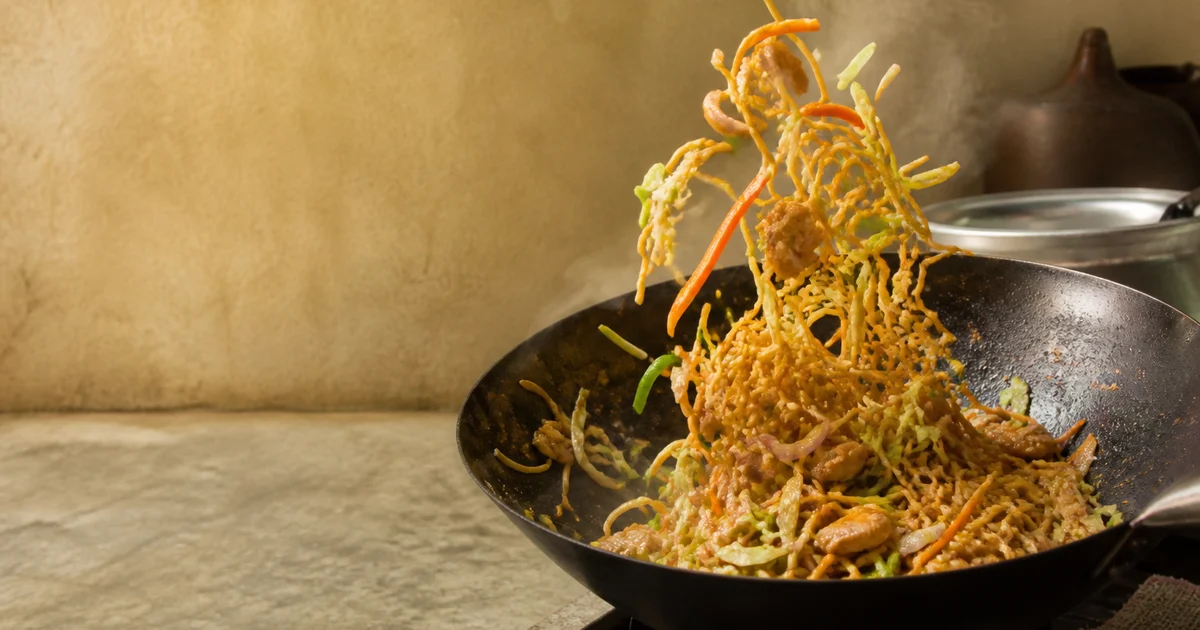
Commercial Chicken Chowmein Recipe
A 40-plate chicken chowmein recipe designed for fast counter service, with par-boiled noodles, measured bulk sauce and strict wok batch limits.
- Yield:
- about 40 plates
- Total:
- 2 hr 15 min
- Difficulty:
- Medium
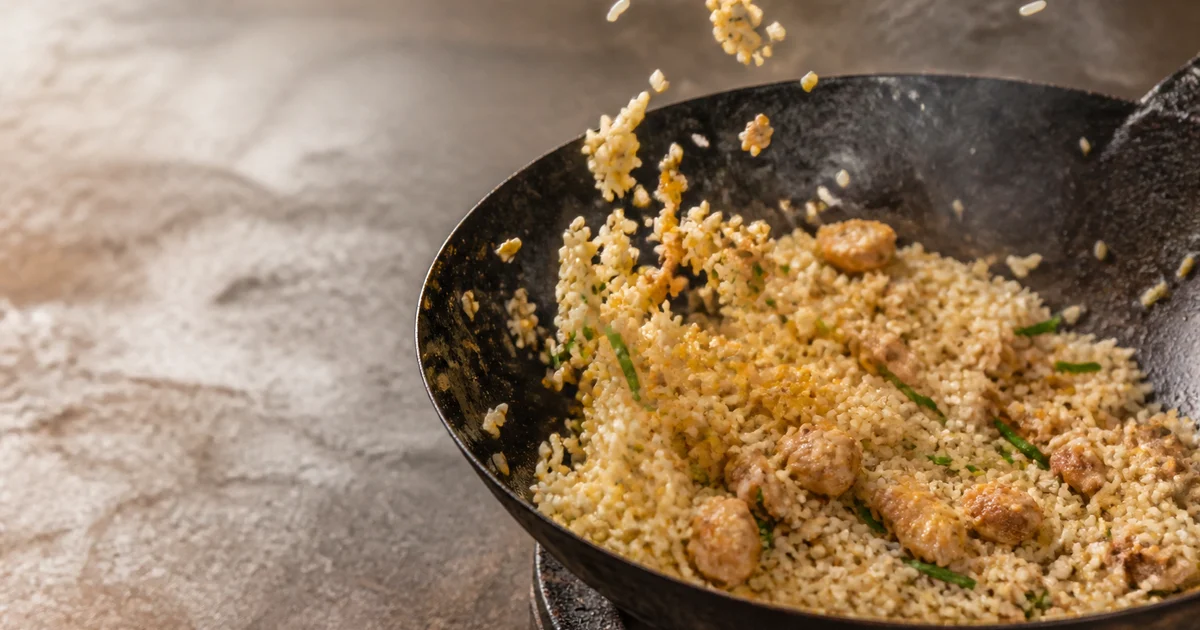
Commercial Chicken Fried Rice Recipe
A commercial chicken fried rice recipe for about 40 plates, with controlled wok batches, safe pre-cooked chicken, day-old rice and fixed portions.
- Yield:
- about 40 plates
- Total:
- 1 hr 15 min
- Difficulty:
- Medium
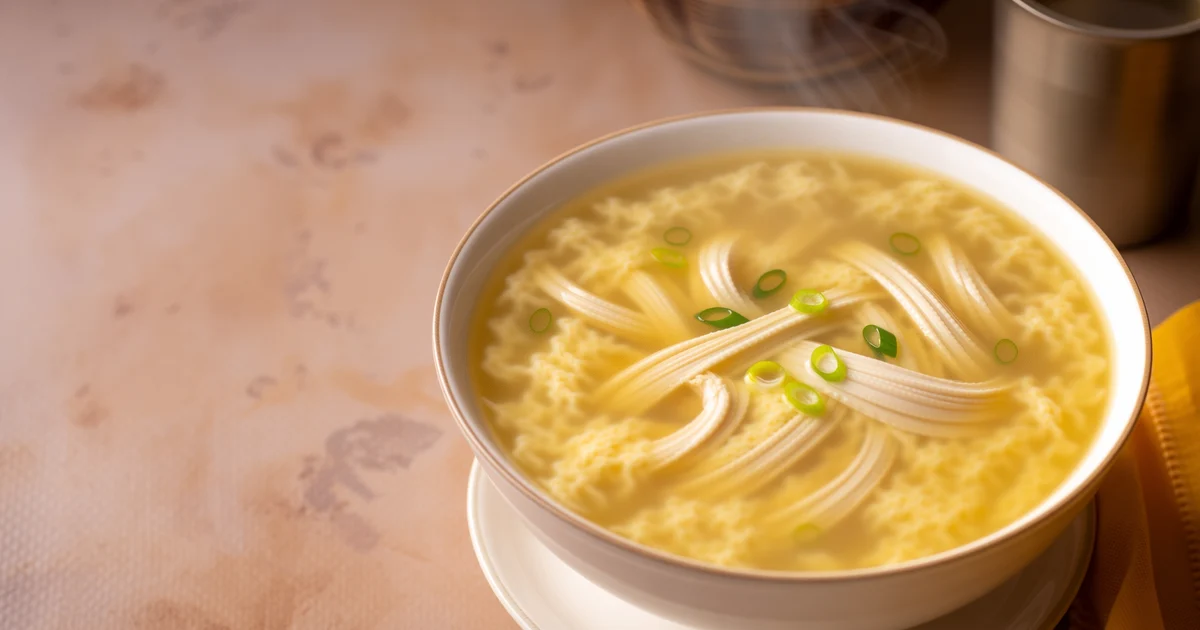
Restaurant Chicken Soup Recipe for 40 Portions
A commercial chicken soup recipe producing about 10 litres, with daily chicken stock, controlled cornflour thickening, egg ribbons and safe hot holding.
- Yield:
- about 40 plates
- Total:
- 2 hr 30 min
- Difficulty:
- Medium
Run your restaurant on Rosuii
POS, menu, inventory, payroll and more — built for Bangladeshi restaurants.
Start free