
Restaurant Recipes
Commercial Chingri Malaikari Recipe
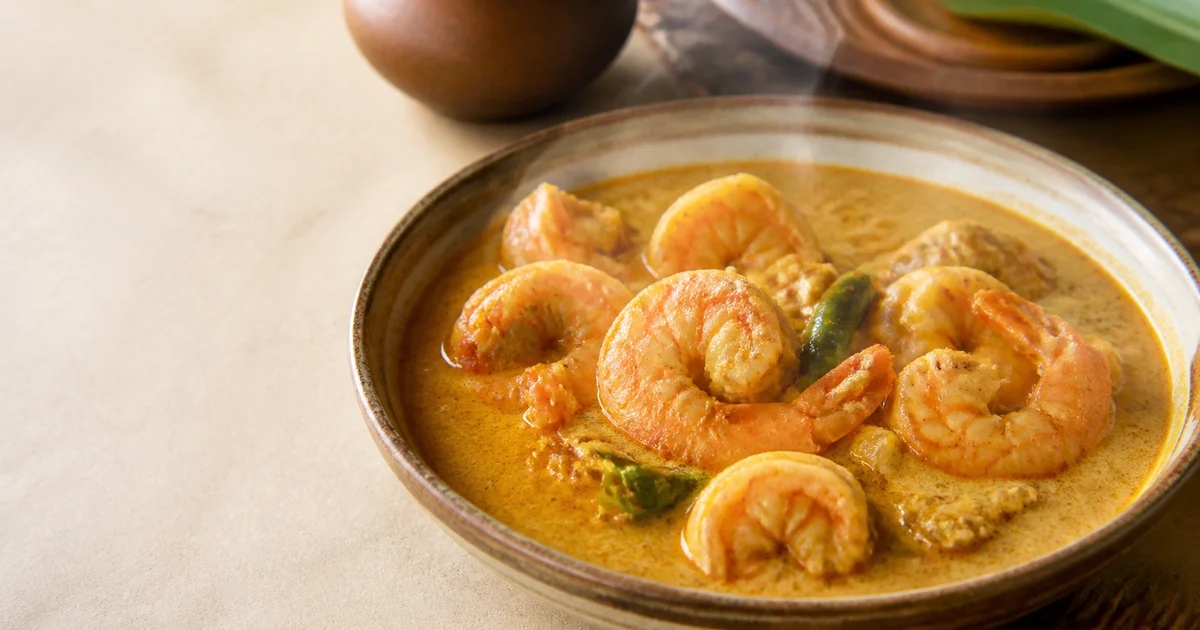
A commercial chingri malaikari recipe for 40 plates, with large prawn preparation, stable coconut gravy, service holding and premium-dish cost control.
- Prep
- 45 min
- Cook
- 50 min
- Total
- 1 hr 35 min
- Yield
- about 40 plates
- Difficulty
- Medium
- Cuisine
- Bangladeshi
Method
- 1
Grade and clean prawns
Keep the prawns below 5°C while trimming the rostrum, antennae and legs, then cut along the back and remove the vein. Complete cleaning within 20 to 30 minutes and return each tray to refrigeration as soon as the shells look neat and the surfaces are well drained.
- 2
Season the cleaned prawns
Mix the prawns with 25 g turmeric and 30 g salt, coating the shell and exposed back evenly. Rest under refrigeration for 10 minutes; do not leave them at room temperature or marinate longer than 20 minutes.
- 3
Sear in small batches
Heat the mustard oil to 175 to 180°C and sear six to eight prawns at a time for 60 to 75 seconds per side. Remove them when the shells turn orange and lightly blister but the thick flesh is still undercooked.
- 4
Bloom the whole spices
Reduce the oil temperature to about 160°C and add the bay leaves and whole garam masala. Stir for 30 to 45 seconds until the cardamom swells and the cinnamon smells aromatic, without allowing the cloves to blacken.
- 5
Cook the onion base
Add the onion paste carefully and cook at medium heat for 12 to 15 minutes, stirring and scraping the bottom. It is ready when the raw onion smell is gone, the colour is light golden and small beads of oil appear around the edges.
- 6
Fry pastes and powders
Add the ginger and garlic pastes and cook for 3 minutes at 145 to 155°C, then mix in the remaining turmeric, cumin and chilli powder. Loosen with 250 ml hot water and cook for 2 to 3 minutes until the base is glossy and no dry spice smell remains.
- 7
Simmer the coconut gravy
Lower the heat and stir in the coconut milk in three additions, followed by the remaining hot water, sugar and most of the remaining salt. Bring the gravy slowly to 82 to 88°C and simmer gently for 8 to 10 minutes until smooth and lightly thickened, without a rolling boil.
- 8
Finish prawns in gravy
Add the seared prawns and slit green chillies, keeping the gravy at 82 to 88°C. Cook for 4 to 6 minutes, turning once, until the thickest flesh is opaque and reaches 63°C while the prawns remain loosely curved.
- 9
Complete final seasoning
Remove the pot from direct high heat and fold in the garam masala powder and ghee. Rest for 2 minutes below 90°C, then check salt, sweetness and gravy weight; the sauce should coat a spoon but still pour cleanly.
- 10
Portion or hold safely
Serve each plate with one prawn and 135 g gravy, or transfer the gravy to hot holding at 60 to 65°C. Stir every 15 minutes and finish prawns in smaller service batches rather than holding the complete seafood curry for an extended period.
Notes for your kitchen
Why this dish works commercially
Chingri Malaikari works as a premium main course when prawn size, gravy weight and selling portion are fixed. It gives a restaurant or food cart a recognisable Bangladeshi dish that can be paired with plain polao, steamed rice or naan. Most of the gravy can be prepared before service, while the prawns are finished in smaller waves to protect their texture.
The dish is less suitable for uncontrolled buffet service because large prawns become rubbery during long hot holding. It performs best as an à la carte item, a pre-ordered catering dish or a limited daily special. A clear portion standard also prevents staff from adding an extra prawn or an oversized ladle of gravy to selected plates.
Selecting and cleaning the prawns
Prawn quality matters more than any other ingredient in this chingri malaikari recipe. Buy large Golda chingri or comparable head-on prawns by a declared pieces-per-kilogram specification, not only by labels such as large or jumbo. For this batch, each prawn should weigh roughly 90 to 110 g before cleaning so that one prawn gives every plate a similar appearance and cost.
Check that the prawns smell clean and mildly marine, the flesh is firm, and the heads are attached without black liquid leaking from them. Frozen prawns are acceptable when they have remained frozen, show little freezer burn and are thawed under refrigeration. Do not accept repeatedly thawed stock, soft shells or trays containing excessive loose ice because the purchase weight will not match the usable yield.
Keep the head and most of the shell because they supply the characteristic flavour and premium presentation. Trim the sharp rostrum, long antennae and untidy legs with scissors. Cut a shallow line along the back and remove the intestinal vein without pulling off the shell. Handle the head gently so that its flavourful fat stays inside, then drain the prawns well before seasoning; surface water causes splashing and weakens the sear.
Managing coconut milk correctly
Coconut milk stays smooth when it is added gradually and never exposed to a violent boil. Use full-fat coconut milk from one approved supplier for consistent fat content, colour and thickness. Freshly extracted milk can taste excellent, but different coconut maturity, extraction pressure and added water can make one production batch much thinner than another.
Bring chilled coconut milk closer to kitchen temperature before it enters the pan. Reduce the cooked onion and spice base first, lower the heat, and stir in the coconut milk in stages. Hold the sauce at a gentle 82 to 88°C simmer; large rolling bubbles encourage the emulsion to release oil and become grainy. A small oil sheen from the spices is normal, but pools of separated fat indicate excessive heat or reduction.
If separation begins, remove the pot from direct heat and whisk in a small amount of warm water. This may restore the texture if the sauce has not been severely boiled. Do not try to repair it with cold water, flour or repeated high-speed blending, as these can produce a pasty gravy and damage the finished colour.
Building flavour without overcooking
The best commercial method develops the gravy fully before the prawns finish cooking. A brief sear firms the shells and releases flavour into the mustard oil, but it should not cook the prawns through. Cook the onion paste until its raw smell disappears and it becomes light golden, then cook the ginger, garlic and ground spices until the base looks glossy rather than watery.
Large prawns cook quickly after searing. Add them only when the coconut gravy has reached its final thickness, then maintain a gentle simmer until the thickest flesh is opaque and reaches 63°C. The heads may colour before the body is cooked, so check the flesh near the upper body rather than judging only by the shell. Hard boiling curls the prawns tightly, dries the flesh and increases the chance of head separation.
Scaling the production batch
Scale the ingredients by weight, but keep the cooking load per pan unchanged. For 80 plates, prepare two 40-plate batches rather than filling one pot to twice its normal depth. An overcrowded pot heats slowly, extends the prawn cooking time and makes coconut milk more likely to separate before the centre reaches temperature.
For 20 plates, halve the ingredients but use a smaller pot with a similar sauce depth. A half batch in the original wide pan loses water faster, so reduce it for less time and judge thickness by finished weight. Add about 80 percent of the calculated salt and sugar first, then complete the seasoning after reduction because evaporation changes their concentration.
Record a target of approximately 5.7 kg finished gravy before adding the prawns. If the batch is above target, reduce gently before the seafood enters; if it is below target, correct with measured warm water or coconut milk. This finished-weight method is more dependable than following one fixed simmer time on every stove.
Holding and reheating for service
Hold the gravy separately and cook prawns in short service batches whenever order volume allows. Keep prepared gravy covered at 60 to 65°C, stir from the bottom every 15 minutes and avoid holding it for more than two hours for quality. Transfer enough gravy for five to ten orders into a smaller pan, bring it to a gentle simmer and finish only the required number of prawns.
Finished prawns should ideally be served within 30 minutes rather than sitting in the main holding pot. If a completed batch must be chilled, cool it rapidly from 60°C to 21°C within two hours and from 21°C to 5°C within a further four hours. Store covered at 5°C or below, reheat once to 74°C and serve immediately; repeated reheating makes the flesh tough and weakens the coconut sauce.
Portioning and yield control
One plate should receive one standard prawn and 135 g of finished gravy. This recipe purchases 42 prawns for a planned sale yield of 40 plates, leaving two as an allowance for breakage, poor internal quality or production tasting. Include that allowance in the batch cost rather than treating it as free stock.
Use a weighed ladle until staff can repeatedly serve the correct amount. Prawn pieces should not be selected by eye at the pass; grade them during preparation and separate any noticeably smaller pieces for another defined product. Follow a written portion control standard and compare planned plate yield with actual plates sold after every batch.
Keeping cost and menu price stable
The selling price must be based on the usable cost of each graded prawn, not the supplier's kilogram rate alone. Record purchase weight, number of acceptable prawns, rejected pieces and trimming loss for every delivery. A lower kilogram rate can still produce a higher plate cost when the carton contains mixed sizes, broken heads, excess ice or unusable seafood.
Build the full batch sheet through proper recipe costing, including the two reserve prawns, coconut milk, cooking oil, aromatics and normal production loss. Review the result whenever the prawn grade or supplier changes. For a premium dish, use a documented menu pricing method rather than copying a nearby restaurant's price.
Rosuii can be used to record suppliers and stock items, convert raw materials into finished production batches, log wastage and compare item sales with profit-and-loss reports. Keep the premium prawn grade as a separate stock item so that cheaper small prawns are not issued against this recipe without approval.
Mistakes that cost money
The most expensive mistakes are mixed prawn sizes, damaged heads, split gravy and uncontrolled portions. Buying without a pieces-per-kilogram specification creates plates with visibly different value. Rough cleaning breaks the heads, while leaving the vein in place creates customer complaints and possible returns.
- Overcrowding the searing pan: The prawns release water and steam instead of colouring, extending cooking time.
- Boiling coconut milk hard: The sauce becomes oily and grainy, and staff may add unnecessary ingredients to hide the damage.
- Finishing all prawns before service: Slow sales turn an expensive ingredient tough before it reaches the customer.
- Using an unmeasured ladle: A small amount of extra gravy on every plate can remove several portions from the batch.
- Ignoring delivery yield: Supplier invoices alone do not show the real cost of broken, undersized or water-heavy prawns.
What drives the cost
Large graded prawns dominate the cost, while full-fat coconut milk is the main secondary cost. Prawn size, seasonal supply, broken heads, excess ice and the number of acceptable pieces per kilogram move the plate cost. Control it through supplier specifications, receiving checks and a fixed one-prawn portion.
Ingredient rates move with the market, so this describes what drives the cost rather than quoting a figure.
Questions from kitchens
Can this chingri malaikari recipe be doubled for 80 plates?
How long can Chingri Malaikari be hot-held?
Can bagda chingri replace Golda chingri?
What is the refrigerated shelf life?
Why does the batch contain 42 prawns for 40 plates?
Related recipes
Commercial Beef Kala Bhuna
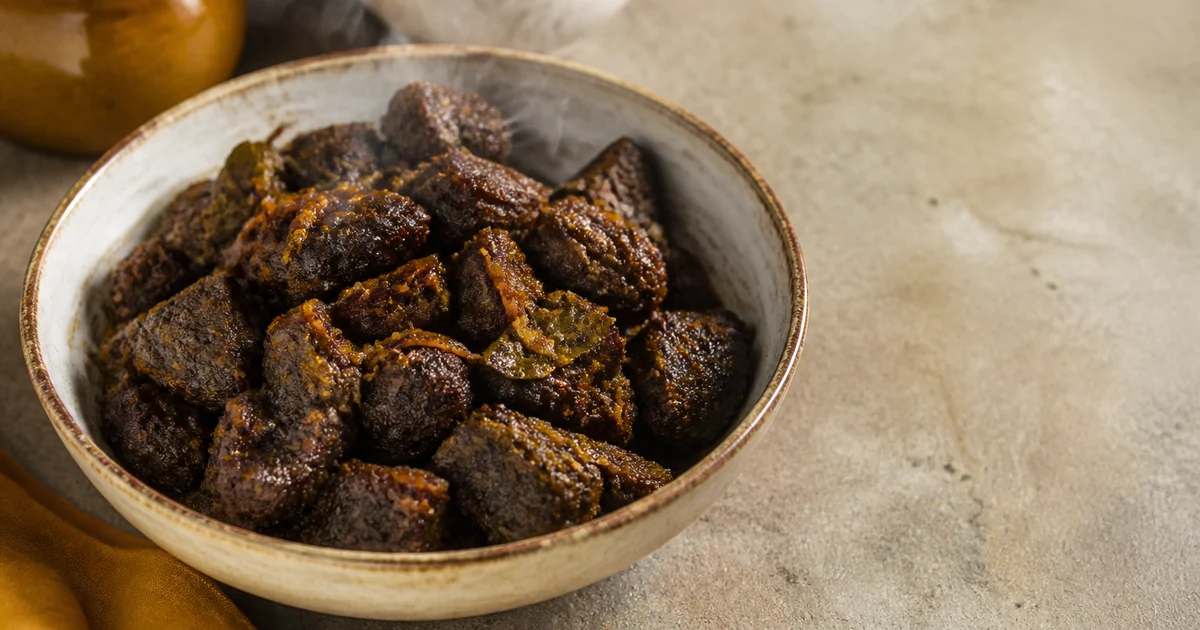
A commercial Chattogram-style beef kala bhuna recipe producing about 40 controlled portions with deep browning, roasted spices and service guidance.
- Yield:
- about 40 plates at 175 g
- Total:
- 4 hr 15 min
- Difficulty:
- Hard
Commercial Beef Kalia Recipe
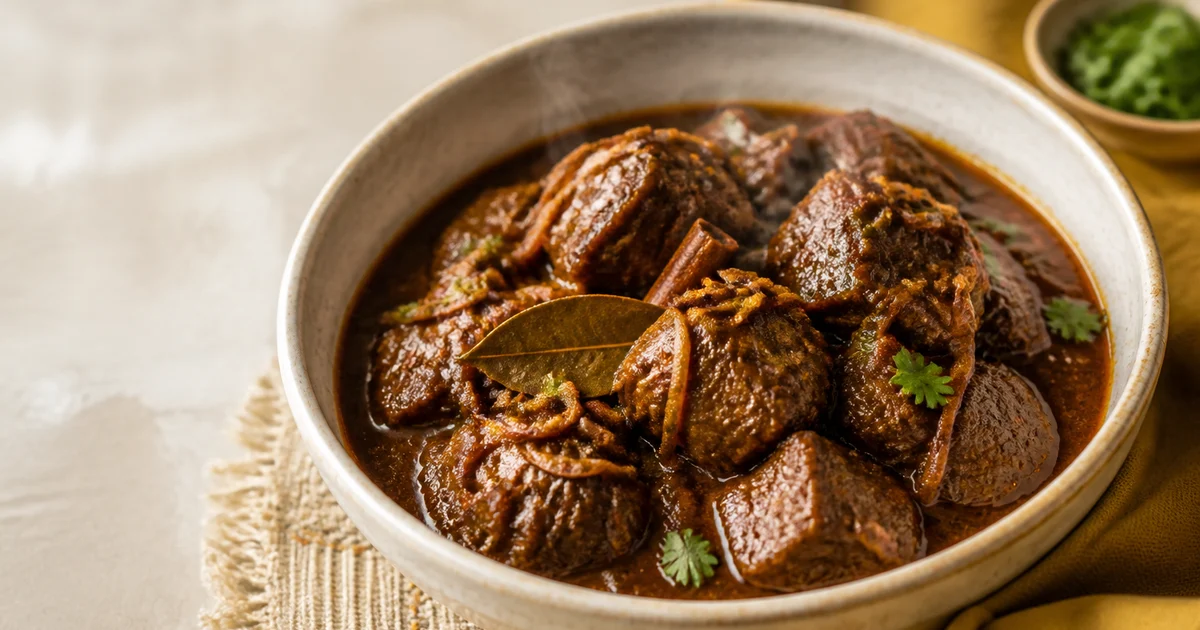
A commercial beef kalia recipe for about 40 plates, with tender bone-in beef, festive ghee-rich gravy, controlled portions and service guidance.
- Yield:
- about 40 plates
- Total:
- 4 hr
- Difficulty:
- Medium
Commercial Beef Chaap Recipe
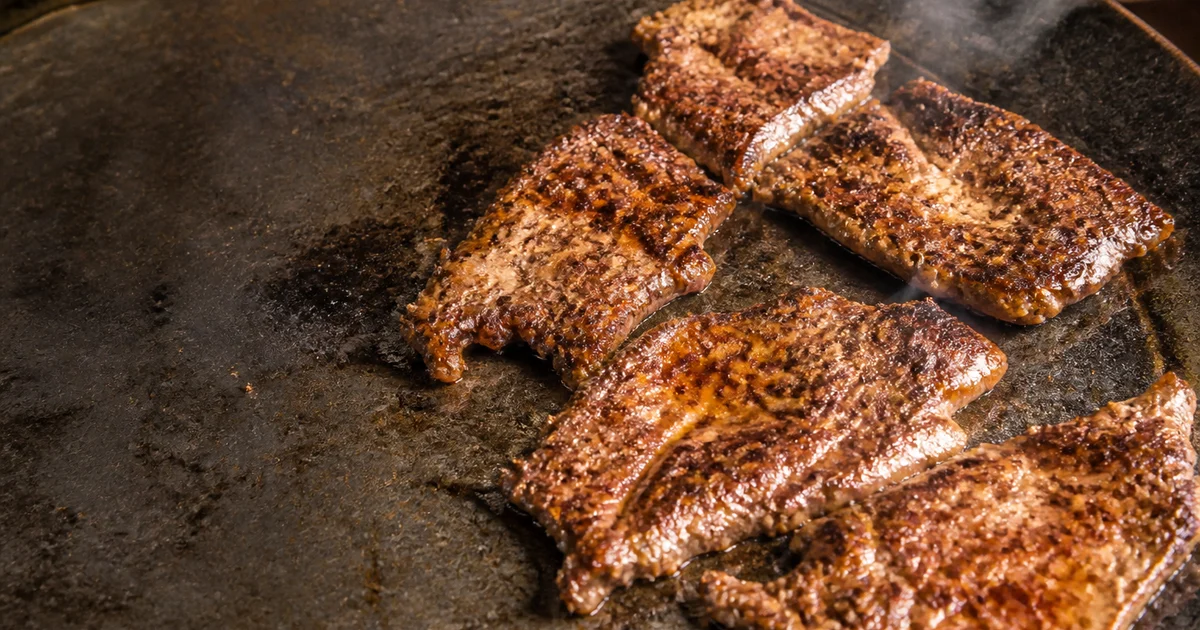
A commercial beef chaap recipe for 40 plates, covering controlled tenderising, slow tawa cooking, service holding and consistent portion yield.
- Yield:
- about 40 plates
- Total:
- 2 hr 20 min
- Difficulty:
- Medium
Run your restaurant on Rosuii
POS, menu, inventory, payroll and more — built for Bangladeshi restaurants.
Start free