
Restaurant Recipes
Commercial Dim Bhaji Recipe
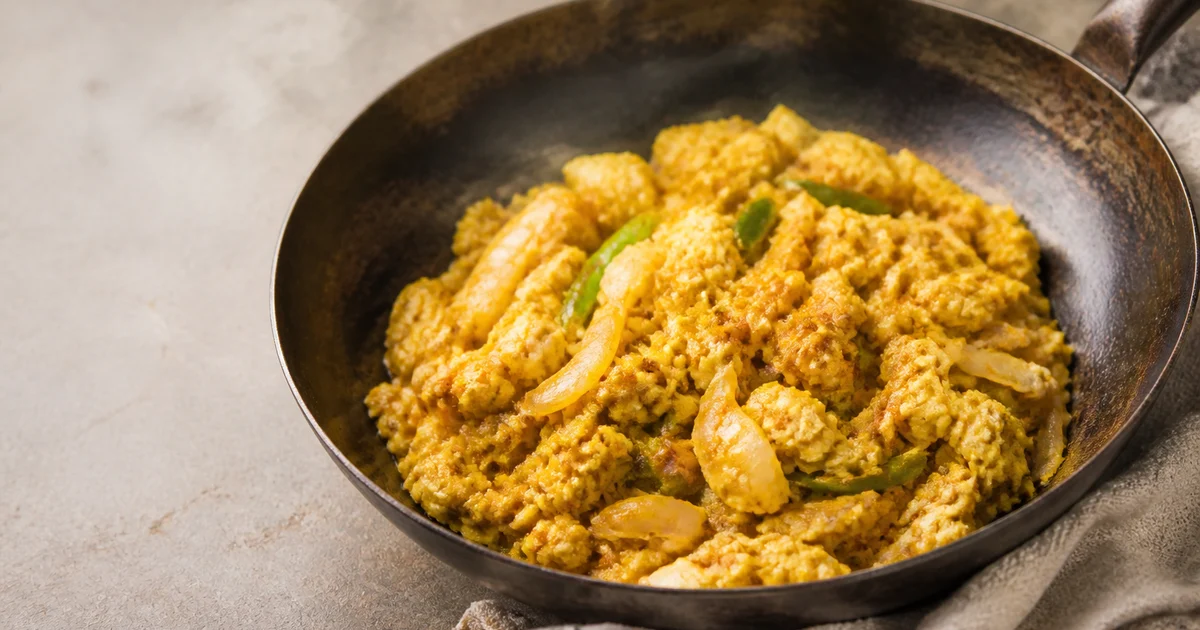
A commercial dim bhaji recipe yielding 40 controlled portions, designed for fast paratha-counter service, safe holding and stable egg cost.
- Prep
- 30 min
- Cook
- 35 min
- Total
- 1 hr 5 min
- Yield
- about 40 plates
- Difficulty
- Easy
- Cuisine
- Bangladeshi
Method
- 1
Inspect and stage eggs
Keep the eggs refrigerated below 5°C until production starts and reject any cracked or leaking shells. Crack each egg into a separate cup before transferring it to a bowl; the white should look clear and the yolk should not smell unusual.
- 2
Prepare and drain vegetables
Slice the onion evenly and prepare the chilli, ginger, tomato and coriander. Drain the tomato for 10 minutes under refrigeration so no loose juice collects in the tray, and keep all prepared produce below 5°C if it will wait more than 30 minutes.
- 3
Heat the cooking pan
Place a 40 to 45 cm kadai over medium-high heat for 2 minutes, then add the soybean oil. The oil should move freely and shimmer at approximately 170°C, but it must not smoke.
- 4
Cook the onion base
Add the onion and half of the salt, then fry for 6 to 8 minutes while turning frequently. Add the green chilli and ginger for the final 2 minutes; the onion should be soft with pale golden edges, not dark brown.
- 5
Dry tomato and spices
Reduce to medium heat, add the turmeric and red chilli powder, and stir for 20 seconds before adding the tomato. Cook for 4 to 5 minutes at approximately 150 to 160°C until the raw smell disappears and a spatula leaves a clean path across the pan.
- 6
Divide the prepared base
Remove the base from direct heat and weigh it while hot, then divide it into four equal portions. Keep the portions above 60°C for immediate cooking, or cool them rapidly below 5°C if they are being stored for later service.
- 7
Whisk one egg round
Combine 10 eggs with one-quarter of the remaining salt and black pepper, whisking for 20 to 30 seconds. Stop when the yolks and whites are blended but not foamy, and keep the mixture below 5°C until the pan is ready.
- 8
Cook eggs into curds
Return one portion of base to the pan over medium-high heat and add one 10-egg mixture. Fold continuously for 2 to 3 minutes, drawing the cooked edges towards the centre until small moist curds form and no liquid egg remains; verify a centre temperature of at least 74°C.
- 9
Finish portion and repeat
Fold in one-quarter of the coriander for 15 seconds, then remove the bhaji before the curds become dry. Divide immediately into 10 equal portions, hold above 60°C if required, and repeat the process for the remaining three rounds.
Notes for your kitchen
This commercial dim bhaji recipe produces 40 one-egg portions for a Bangladeshi breakfast counter. It is a fast, familiar protein for paratha, ruti, khichuri or a breakfast combo. The style is a moist scrambled bhaji with onion, green chilli, tomato and small egg curds, rather than a flat omelette. Prepare one seasoned vegetable base, divide it accurately and finish the eggs in smaller rounds for speed and consistency.
Why dim bhaji works commercially
Dim bhaji works because it turns one controlled egg portion into a hot dish in less than three minutes. The kitchen needs no long marination, pressure cooking or advance thawing. On a paratha counter, the same burner and kadai can handle both individual orders and ten-portion breakfast rush batches.
Eggs also give the operator a clear unit of control. If one plate is specified as one egg plus a fixed amount of vegetable base, staff cannot quietly increase the portion without using another countable egg. It is suitable as a standalone plate, a paratha add-on or part of a combo, but every menu version should use the same standard portion unless the customer pays for an extra egg.
Ingredient quality and selection
Egg freshness and onion condition matter more than premium spices in this dish. Buy graded eggs of one size so that every plate has a similar cooked weight. Reject cracked, leaking or heavily soiled shells, and rotate stock by delivery date. Eggs with noticeably watery whites spread through the pan and produce weaker curds.
Use firm, dry onions without sprouting or soft layers. Wet onions take longer to fry and make the finished bhaji watery. Green chillies should be fresh and aromatic because they provide much of the dish's character. Choose firm tomatoes, remove loose seeds and watery pulp, and drain the dice before cooking. Standard soybean oil is practical for a neutral counter-style flavour; changing oil type can noticeably alter both taste and cost.
Control moisture before adding eggs
The vegetable base must be cooked until dry enough that no free liquid runs across the pan. Onion needs time to soften before tomato is added. If tomato, salt and raw onion release water at the same time, the mixture steams and the egg becomes loose and grey.
Use a wide kadai rather than a deep saucepan. A wide cooking surface allows steam to escape and gives the onion light colour without burning. The base is ready when the tomato has softened, the raw spice smell has disappeared and a spatula drawn across the pan leaves a clean path for one or two seconds. Do not brown the onion heavily because a bitter base cannot be corrected after the eggs are added.
Use small egg batches
Ten eggs per cooking round give better curds and faster service than cooking all 40 eggs together. A normal counter burner cannot evaporate the moisture from a full 40-egg load quickly enough. The pan temperature falls, cooking time increases and the bottom overcooks before the centre sets.
Whisk only until the yolks and whites are combined. Excessive whisking adds foam, which collapses during holding and makes portion weights inconsistent. Fold the eggs from the outside towards the centre with a broad spatula. Stop aggressive stirring once small, moist curds have formed.
Cooking to order versus batching
Cook to order during quiet periods and use ten-portion rounds only for a predictable breakfast rush. For an individual plate, keep the cooked vegetable base refrigerated and weigh one portion into a hot small pan before adding one freshly cracked egg. This usually gives the best texture and takes about two minutes after the pan is hot.
For peak service, keep measured tubs of base ready and cook a ten-egg round shortly before the previous round sells out. Do not crack the entire day's egg requirement into one open container. Crack each egg into a separate cup first so that one spoiled egg does not contaminate the batch, then combine only the quantity needed for the next round. Keep raw egg mixture below 5°C and return it to refrigeration immediately if service pauses.
Scaling the batch correctly
Scale every ingredient by egg count, but keep the cooking load at ten eggs per standard pan. A 20-portion batch uses half of every listed quantity and two cooking rounds. An 80-portion production uses double the quantities but still requires eight rounds unless the kitchen has a larger tilting pan with proven heat recovery.
Do not scale cooking time in direct proportion to quantity. Onion base may take slightly longer in a larger load, but egg cooking depends mainly on pan surface, burner output and starting temperature. When changing equipment, test one round and confirm that the centre reaches at least 74°C without becoming dry. Record the finished base weight and cooking loss so future batches can be divided accurately.
Holding and reheating for service
Freshly cooked dim bhaji should be sold within 30 to 45 minutes for the best texture. If hot holding is necessary, keep it covered at 60°C or above and stir gently only when portioning. Use a shallow covered pan, because a deep container traps steam underneath while the top dries out. Set a maximum two-hour service limit even under controlled hot holding.
For chilled leftovers, cool the bhaji rapidly in shallow trays, cover, label and refrigerate below 5°C. Use within 24 hours for acceptable commercial quality. Reheat once in a covered pan over medium-low heat with a small splash of water, folding until the centre reaches 74°C. Reheated egg will be firmer, so it is better used in a breakfast combo than sold as a premium freshly cooked plate. Never mix old held bhaji into a new batch.
Portioning and yield control
The target yield is 40 portions of approximately 70 to 75 grams of cooked dim bhaji. Actual weight will move slightly with egg size and vegetable moisture, so weigh the completed first batch before service. Divide each ten-egg round into ten equal portions while it is still in the pan, or use a digital scale and one standard serving spoon.
Train staff that a heaped spoon is not a specification. A spoon portion changes with curd size, serving angle and operator speed. Document the gram target and check several plates during the rush. The practical methods in this portion control guide help prevent oversized breakfast plates and unexplained egg usage.
Mistakes that waste money
The most expensive mistakes are broken eggs, oversized portions, overcrowded pans and unsold cooked batches. Staff should count eggs at issue and record cracked or spoiled units instead of hiding them inside general kitchen loss. Cracking directly over the main mixing bowl risks losing an entire round when one egg is bad.
- Adding wet tomato: Extra liquid extends cooking and reduces holding quality.
- Using weak heat: Eggs steam slowly, stick to the pan and become rubbery before moisture evaporates.
- Holding on direct flame: The bottom scorches while the upper layer remains wet.
- Guessing the base portion: Early plates receive too much onion mixture and later plates become mostly egg.
- Producing for hoped-for sales: Cook from actual breakfast demand patterns, not maximum possible capacity.
Keeping egg cost stable
Stable dim bhaji cost comes from controlling egg count, purchase quality, wastage and finished portion weight. Eggs dominate the cost, so compare suppliers by usable graded eggs rather than tray price alone. Breakage, undersized eggs and poor shelf rotation can erase an apparent purchasing advantage.
Maintain a standard batch sheet and compare eggs issued with portions sold. Follow formal recipe costing whenever egg size, oil usage or vegetable yield changes, then review the resulting food cost percentage. Rosuii can be used to track egg stock, suppliers and wastage, while its productions feature can record conversion of raw materials into prepared base or finished portions.
What drives the cost
Eggs dominate the cost of dim bhaji, followed by cooking oil and onions. The cost moves mainly with egg size, supplier breakage rate, seasonal onion prices, oil usage and whether portions are controlled as one egg per plate.
Ingredient rates move with the market, so this describes what drives the cost rather than quoting a figure.
Questions from kitchens
Can this dim bhaji recipe be doubled to 80 portions?
How long can cooked dim bhaji be held for breakfast service?
Can mustard oil replace soybean oil?
How should leftover dim bhaji be stored?
What should one commercial portion weigh?
Related recipes
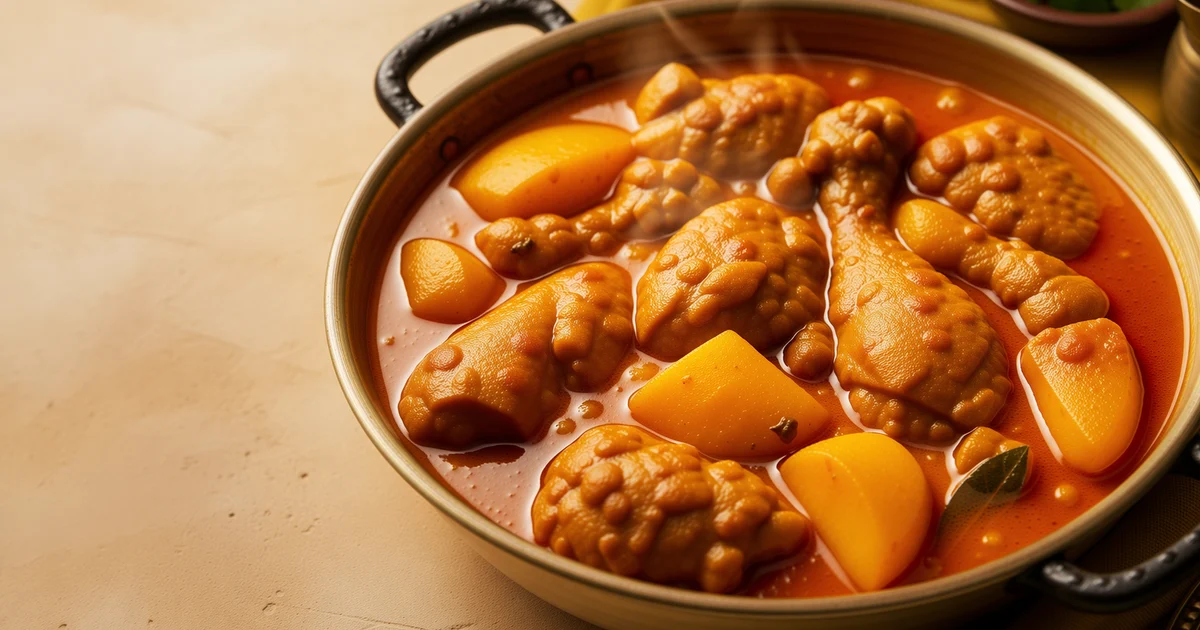
Everyday Chicken Curry
A 40-plate Bangladeshi chicken curry recipe built around reusable base masala, controlled portions and tender chicken for restaurant or food cart service.
- Yield:
- about 40 plates
- Total:
- 2 hr 35 min
- Difficulty:
- Medium
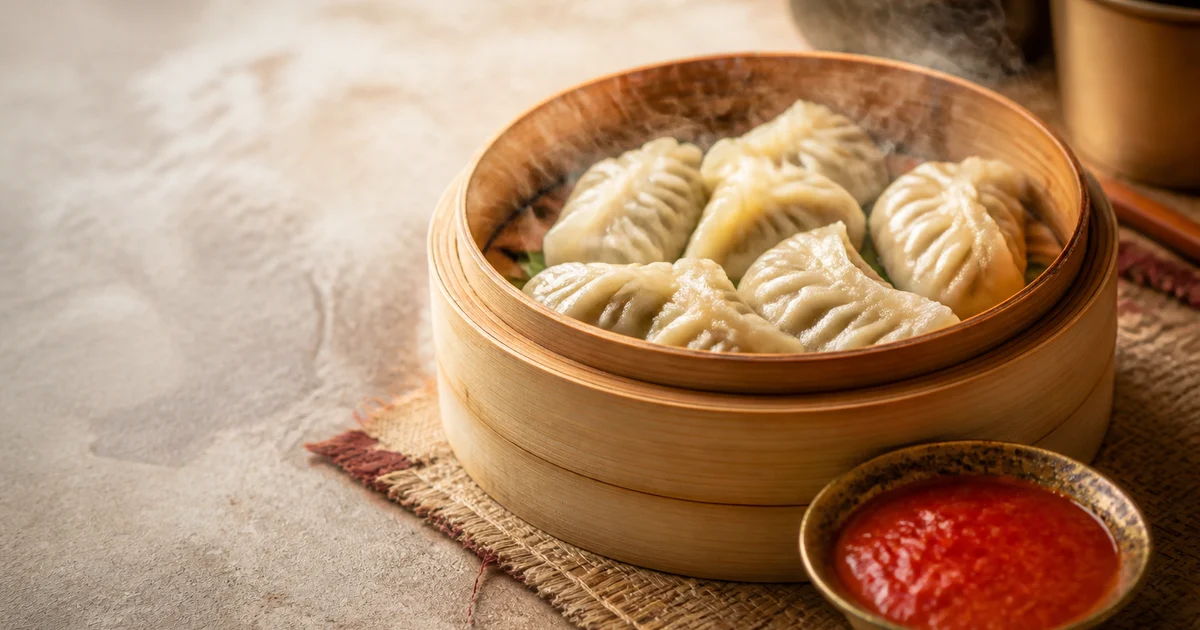
Commercial Chicken Momo Recipe
A commercial chicken momo recipe yielding about 200 pieces, with measured wrappers, juicy filling, fast folding, batch steaming, freezing and chutney control.
- Yield:
- about 40 plates
- Total:
- 3 hr 30 min
- Difficulty:
- Medium
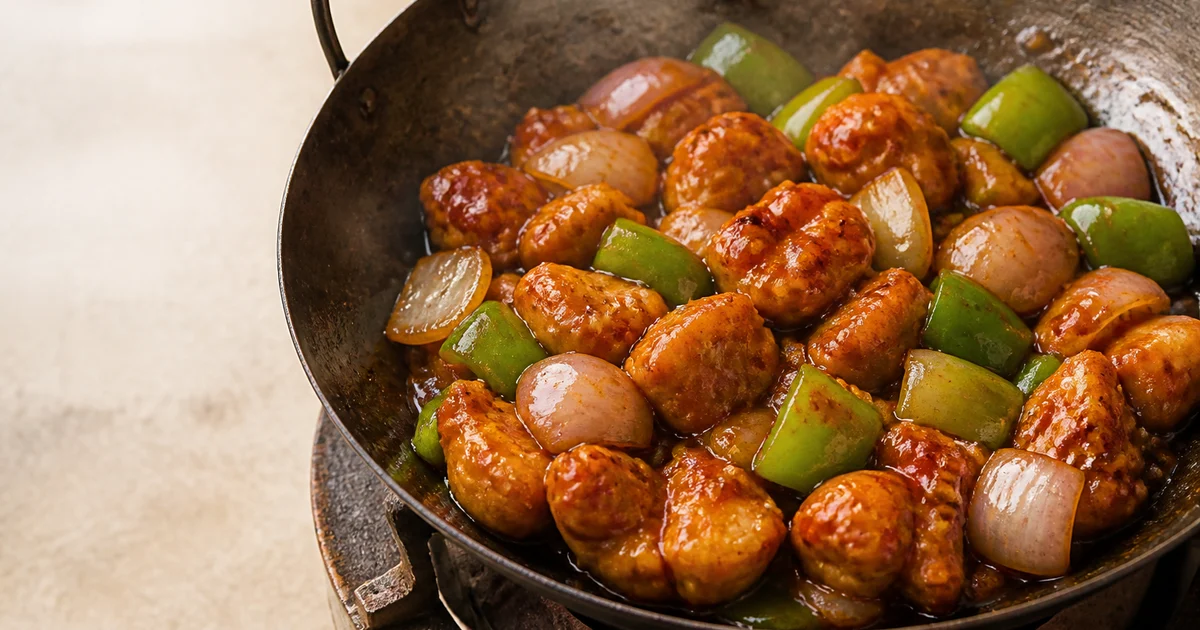
Commercial Chilli Chicken Recipe
A commercial chilli chicken recipe for about 40 plates, using double-fried chicken, a bulk sauce base and controlled dry or gravy finishing methods.
- Yield:
- about 40 main-course plates
- Total:
- 1 hr 35 min
- Difficulty:
- Medium
Run your restaurant on Rosuii
POS, menu, inventory, payroll and more — built for Bangladeshi restaurants.
Start free