
Restaurant Recipes
Commercial Chilli Chicken Recipe
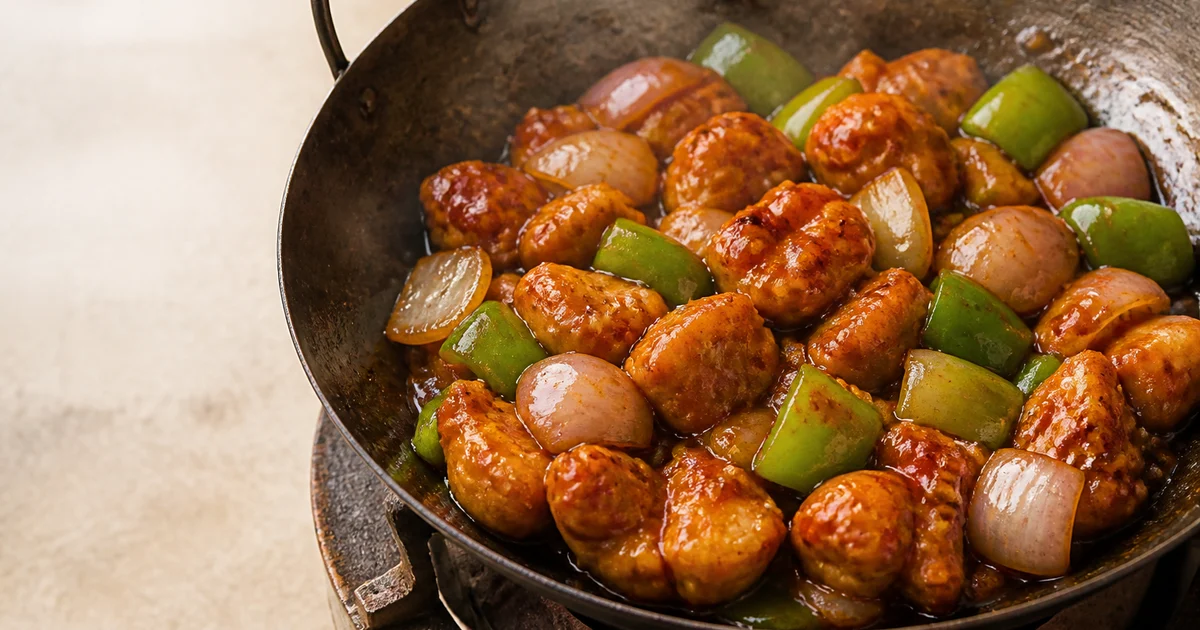
A commercial chilli chicken recipe for about 40 plates, using double-fried chicken, a bulk sauce base and controlled dry or gravy finishing methods.
- Prep
- 45 min
- Cook
- 50 min
- Total
- 1 hr 35 min
- Yield
- about 40 main-course plates
- Difficulty
- Medium
- Cuisine
- Chinese
Method
- 1
Trim and cut chicken
Remove skin, cartilage, excess fat and bone fragments, then cut the chicken into uniform 25 mm pieces. Keep the meat at 5°C or below during preparation, and record the usable trimmed weight before marinating.
- 2
Marinate the chicken
Mix the chicken with salt, black pepper, ginger paste, garlic paste and 120 ml soy sauce for 15 minutes under refrigeration. Add the beaten eggs and mix for 2 minutes until every piece looks lightly coated rather than submerged in liquid.
- 3
Apply the dry coating
Combine 900 g cornflour with the maida, then fold it into the chicken in three additions. Rest for 5 minutes at 5°C or below; the coating should look rough and attached, with no wet batter pooling in the tray.
- 4
Complete the first fry
Heat the fryer to 165 to 170°C and fry 600 to 750 g per load for 4 to 5 minutes. Drain when the coating is pale golden and firm, and verify that representative large pieces have reached at least 74°C internally.
- 5
Cook the sauce base
Heat 250 ml oil in a wok or kettle at medium-high heat, then fry chopped garlic, chopped ginger and half the green chilli for 60 to 90 seconds without browning. Add the remaining soy sauce, ketchup, chilli sauce, vinegar, sugar and 1.5 litres stock, then simmer at 90 to 95°C for 8 to 10 minutes until glossy.
- 6
Store the sauce safely
Use the sauce immediately at 60°C or above, or divide it into shallow containers for rapid cooling. Refrigerate at 5°C or below once cooled, and reheat to at least 74°C before service; the base should remain smooth without separated water.
- 7
Prepare finishing batches
Divide the first-fried chicken, onion, capsicum and remaining green chilli into six to eight wok-sized batches. Bring only one batch at a time to the station so refrigerated ingredients remain at 5°C or below and the wok stays hot enough to sear the vegetables.
- 8
Second-fry until crisp
Raise the oil to 185 to 190°C and second-fry each chicken batch for 45 to 75 seconds, or 2 to 3 minutes if reheating from chilled. Drain when the ridges are crisp and deeper golden, and confirm chilled chicken has returned to at least 74°C internally.
- 9
Finish the dry version
Stir-fry a measured batch of onion, capsicum and green chilli over high heat for 60 to 90 seconds, leaving the vegetables bright and crisp. Add measured sauce base, reduce for 30 to 45 seconds until no watery liquid remains, then toss in the hot chicken for no more than 20 seconds.
- 10
Finish the gravy version
For the full batch, loosen the hot sauce base with up to 2 litres of the remaining stock and bring it to a steady simmer. Mix up to 300 g cornflour with cold stock to form a smooth slurry, add it gradually for 1 to 2 minutes until the gravy coats a spoon, then add vegetables and chicken immediately before serving.
Notes for your kitchen
This chilli chicken recipe produces about 40 controlled main-course portions for a Bangladeshi restaurant, cafe or food cart. The chicken is first fried until cooked, fried again for crispness and combined with sauce only when an order is ready. A concentrated sauce base keeps flavour consistent while allowing the same preparation to be sold as dry, semi-dry or gravy chilli chicken.
Why chilli chicken suits commercial service
Chilli chicken works commercially because most of the labour can be completed before the rush without sacrificing fast finishing. Chicken can be trimmed, marinated, coated and first-fried in planned batches. The sauce base can be cooked separately, weighed into service containers and reheated as required. During service, a cook only needs to second-fry the chicken, stir-fry fresh vegetables and toss everything with the measured sauce.
The same production supports several menu formats. A dry portion works as a snack or starter, while a gravy portion works with fried rice or noodles. Restaurants can also create different portion sizes or meal combinations without changing the core preparation.
Ingredient selection and quality
Boneless chicken thigh gives the most reliable commercial result because it remains moist through two frying stages. Breast meat can be used, but uneven cutting or excessive frying makes it dry quickly. Buy skinless, well-trimmed meat and calculate yield from usable chicken rather than the supplier's gross weight. Cut pieces close to 25 mm so they cook at the same speed and fit easily into portion boxes.
Cornflour controls crispness, while a smaller amount of maida helps the coating stay attached. A coating made entirely from maida becomes heavy and absorbs more sauce. Eggs should bind the dry coating without turning it into a flowing batter. If the mixture pools at the bottom of the tray, the chicken has too much liquid.
Soy sauce, chilli sauce and ketchup determine most of the sauce flavour, so changing brands without testing can alter salt, sweetness, colour and thickness. Use one approved specification and record supplier changes. Capsicum should be firm and brightly coloured, and onion petals should be dry rather than soft or sprouting. These vegetables are finishing ingredients, not bulk filler.
How the double-fry method works
The first fry cooks and sets the coating, while the second fry removes surface moisture immediately before saucing. Keep the first-fry oil at 165 to 170°C. A large load can pull the temperature below 155°C, producing greasy chicken and loose coating, so load the fryer according to its recovery rate rather than its basket size.
The first-fried pieces should be pale golden, firm and at least 74°C at the centre. Drain them in a single layer on a wire rack instead of piling them in a bowl. Steam trapped between pieces softens the crust and increases breakage. The second fry should be hotter, at 185 to 190°C, and short enough to make the edges crisp without darkening the coating.
Do not second-fry the entire production batch at once. Work in wok-sized quantities so the fried chicken reaches the sauce within one minute. After sauce is added, toss only until it clings. Extended simmering turns a crisp coating into a sponge.
Bulk sauce and dry or gravy versions
A concentrated sauce base gives consistent flavour, but the final liquid must be adjusted for the menu style. Cook the base before service and keep onion and capsicum out of it. Fresh vegetables release water during holding, dilute the sauce and lose their crunch.
For dry chilli chicken, use approximately 550 to 600 ml of hot base for each kilogram of first-fried chicken and reduce it until glossy before adding the chicken. The finished wok should have no loose liquid at the bottom. For a semi-dry version, add a small amount of stock and reduce briefly. For gravy chilli chicken, loosen the base with hot stock and add cornflour slurry gradually at a simmer. Stop when the gravy coats a spoon because it will thicken further while standing.
Scaling the batch correctly
Scale chicken, marinade, coating and sauce by weight, but do not scale fryer loads beyond the equipment's recovery capacity. For a half batch, halve the weighed ingredients, including beaten egg. For a larger batch, prepare multiple standard trays instead of one deep container, which improves coating consistency and temperature control.
Oil quantity depends on the fryer's working level, not directly on the weight of chicken. Sauce evaporation also changes with pan width, burner power and batch depth. When moving to a different wok or kettle, run a one-kilogram chicken test and record the finished sauce yield before full production. A documented recipe costing sheet should use trimmed chicken yield, measured oil usage and actual sauce output.
Holding and reheating for service
The best way to prevent sogginess is to hold fried chicken and sauce separately and combine them only against an order. First-fried chicken may remain on a rack under controlled hot service for about 20 minutes, but quality falls as steam softens the coating. Do not keep it at room temperature for an extended period.
If first-fried chicken must be prepared ahead, cool it rapidly in shallow, uncovered trays until steam stops, then cover and refrigerate at 5°C or below. Use it within 24 hours for best quality. Re-crisp refrigerated pieces at 180 to 185°C until the centre reaches 74°C, normally 2 to 3 minutes depending on piece size and fryer load.
Hold sauce at 60°C or above during service and stir it regularly. Reheat chilled sauce to at least 74°C before transferring it to hot holding. Never hot-hold finished chilli chicken for a full service period. If delivery orders may wait, pack dry chicken separately from gravy and instruct staff to combine it at dispatch or serving.
Portioning and yield control
Consistent portions require a fixed weight of first-fried chicken, vegetables and sauce for every plate. This batch is designed for about 40 main-course portions. Establish the target using several test plates, then give the service station a dedicated scoop or digital scale rather than relying on piece count because chicken pieces vary in weight.
Record raw trimmed weight, first-fried yield, sauce yield and the number of portions sold. Follow a practical portion control system and investigate unexplained differences. Rosuii can record the sauce base or first-fried chicken as a production, while wastage records and sales reports help compare planned output with actual use.
Keeping food cost stable
Stable cost comes from controlling chicken trimming, fryer oil condition, sauce measurement and vegetable waste. Chicken is the main cost driver, and careless trimming or oversized portions raises cost immediately. Filter oil daily, remove loose coating between batches and replace oil according to colour, smell, foaming and frying performance rather than a casual schedule.
Use weighed sauce portions because excessive sauce increases condiment use and destroys crispness. Track supplier pack sizes and usable yields through basic inventory management. Seasonal capsicum prices can move sharply, so review portion design or approved colour mixes without replacing capsicum with uncontrolled quantities of onion.
Mistakes that cost money
The most expensive mistakes are low oil temperature, wet coating, premature saucing and uncontrolled portions. Overloading the fryer increases oil absorption and extends cooking time. Adding extra water to stretch the marinade creates loose batter and coating sediment, which shortens oil life.
- Uneven cuts: Small pieces dry out while large pieces remain undercooked.
- Deep tray holding: Steam softens first-fried chicken and causes coating loss.
- Cold sauce in the wok: The chicken waits too long and absorbs liquid before the sauce reduces.
- Vegetables in stored sauce: Onion and capsicum release water and become dull.
- Too much slurry: Gravy becomes gluey during holding and requires dilution, disturbing seasoning.
- No batch records: Staff cannot identify whether lost yield came from trimming, frying, waste or oversized plates.
What drives the cost
Boneless chicken is the main cost driver, and its usable yield changes with trimming, supplier specification and piece size. Frying oil is the next major variable because poor filtration, loose coating and low-temperature frying shorten oil life. Capsicum and branded sauces can also move cost through seasonal supply and pack-price changes.
Ingredient rates move with the market, so this describes what drives the cost rather than quoting a figure.
Questions from kitchens
How should this chilli chicken recipe be doubled?
How long can first-fried chicken be held?
Can chicken breast replace thigh meat?
What is the refrigerated shelf life of the sauce base?
Why does the batch sometimes produce fewer than 40 plates?
Related recipes
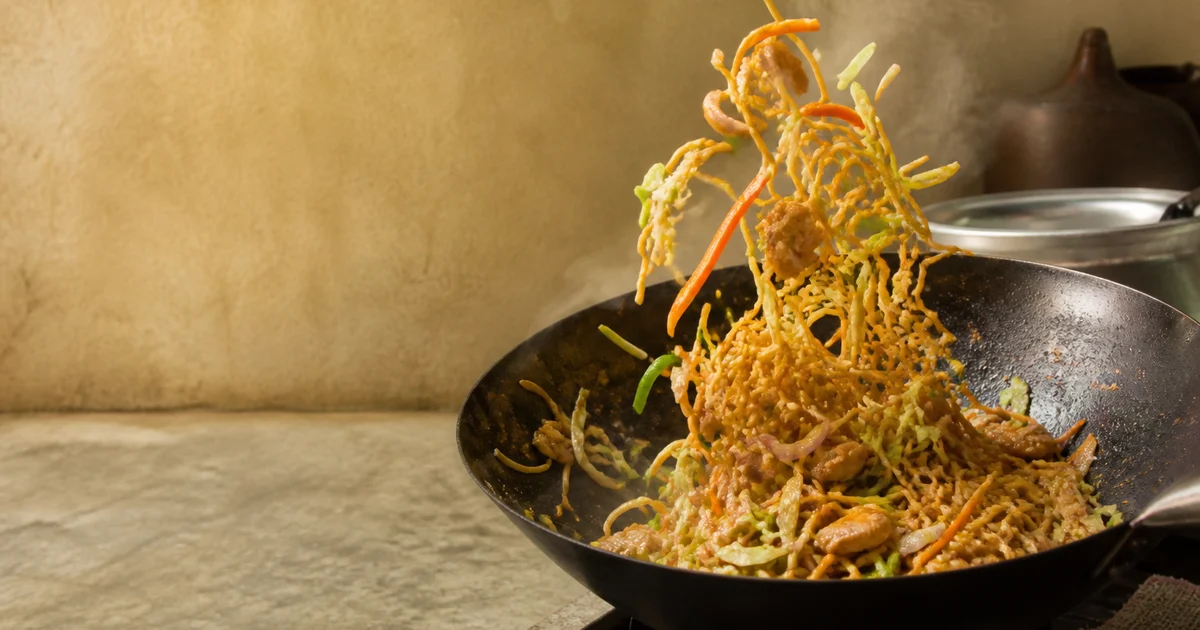
Commercial Chicken Chowmein Recipe
A 40-plate chicken chowmein recipe designed for fast counter service, with par-boiled noodles, measured bulk sauce and strict wok batch limits.
- Yield:
- about 40 plates
- Total:
- 2 hr 15 min
- Difficulty:
- Medium
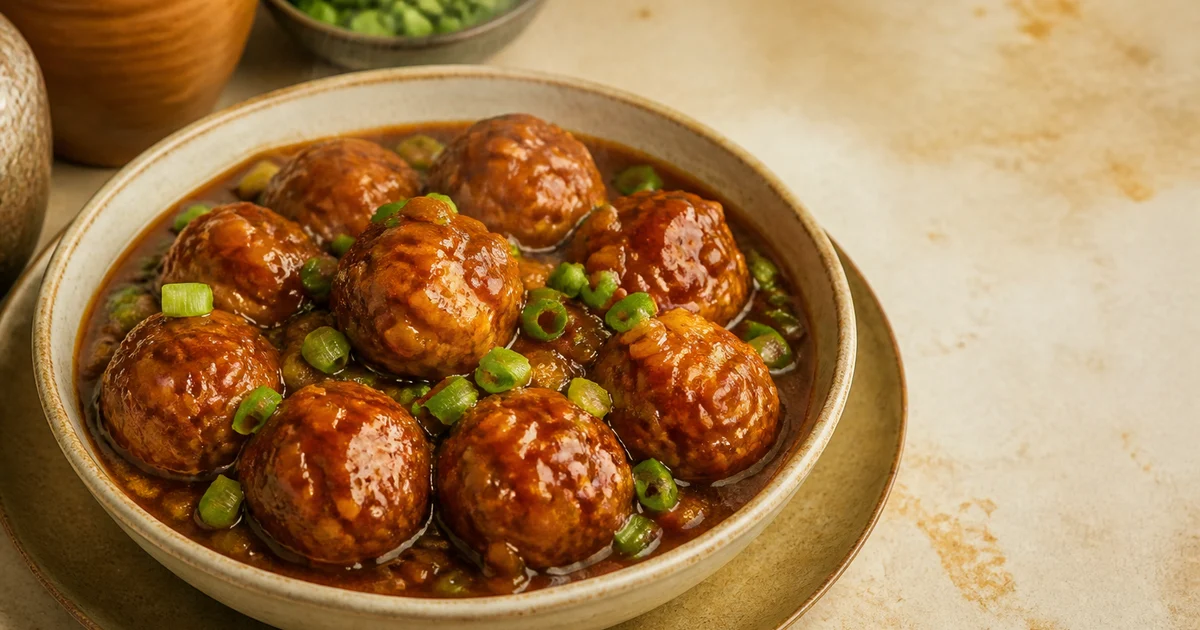
Commercial Chicken Manchurian Recipe
A 40-plate chicken Manchurian recipe with measured balls, a service-ready gravy base, controlled frying and practical holding guidance.
- Yield:
- about 40 plates
- Total:
- 2 hr
- Difficulty:
- Medium
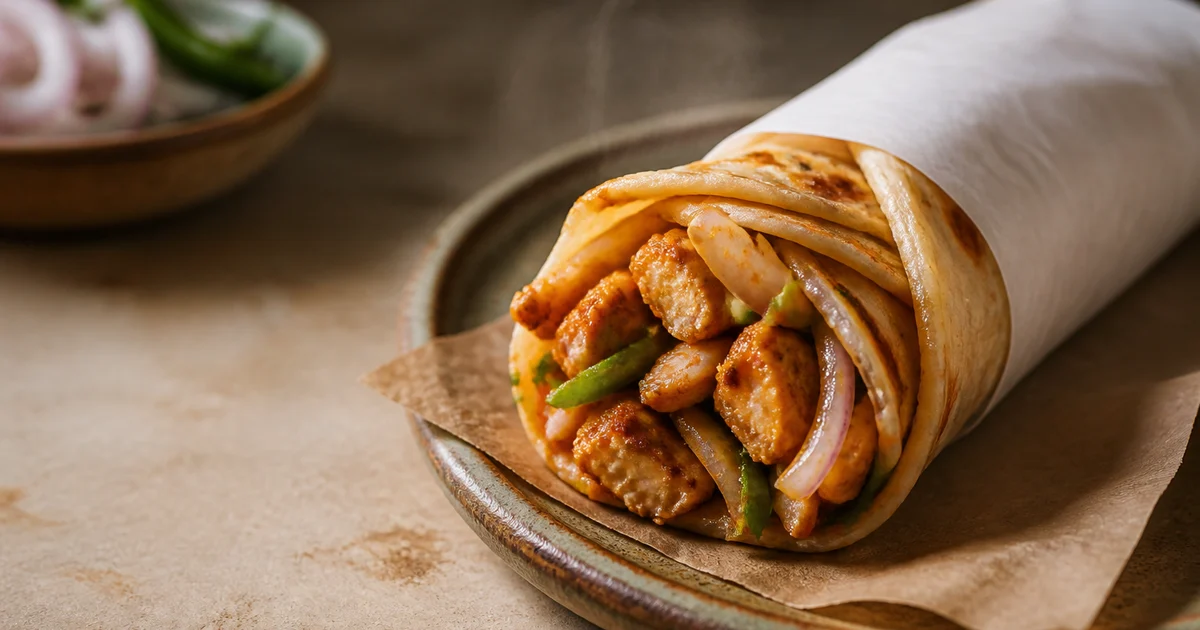
Commercial Bangladeshi Chicken Roll Recipe
A commercial chicken roll recipe producing 40 large rolls with flaky paratha, spiced chicken, egg, fresh vegetables and controlled portions.
- Yield:
- 40 large chicken rolls
- Total:
- 2 hr 30 min
- Difficulty:
- Medium
Run your restaurant on Rosuii
POS, menu, inventory, payroll and more — built for Bangladeshi restaurants.
Start free