
Restaurant Recipes
Commercial Egg Fried Rice Recipe
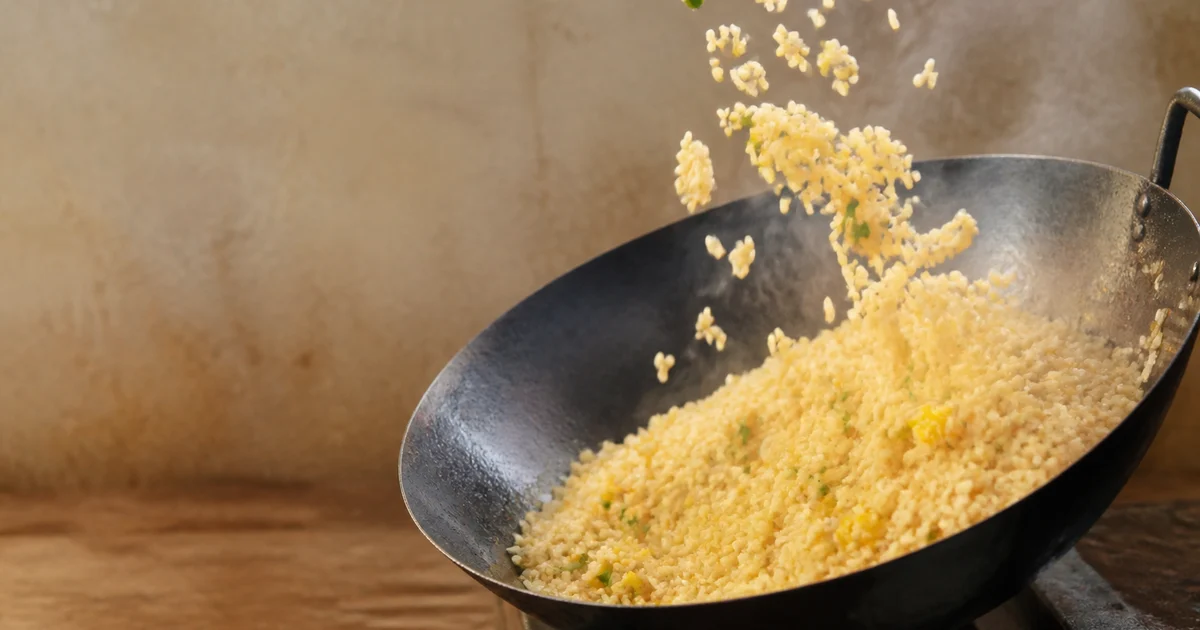
A commercial egg fried rice recipe for about 40 plates, designed for fast wok production, controlled portions, safe rice handling and stable food cost.
- Prep
- 30 min
- Cook
- 45 min
- Total
- 1 hr 15 min
- Yield
- about 40 plates
- Difficulty
- Medium
- Cuisine
- Chinese
Method
- 1
Wash and boil rice
Bring the water to a rolling boil at 98°C to 100°C, add the washed rice and stir once to prevent settling. Cook for 8 to 10 minutes until the grains are almost tender but retain a slightly firm centre.
- 2
Drain and cool quickly
Drain the rice completely for 3 to 5 minutes, then spread it on sanitised shallow trays no deeper than about 3 cm. Cool from 60°C to 21°C within 2 hours and then to 5°C within another 4 hours before covering and refrigerating.
- 3
Prepare service station
Loosen the chilled rice gently without crushing the grains and divide it into four equal wok loads. Divide the oil, egg, vegetables and seasonings into four matching sets, and keep the pooled egg at 5°C or below until required.
- 4
Heat the first wok
Heat a clean carbon-steel wok over a strong flame until the surface exceeds 200°C and a faint wisp of smoke appears. Add one quarter of the oil and rotate the wok so the lower cooking surface is coated.
- 5
Scramble one egg portion
Add one quarter of the beaten egg and stir for 30 to 45 seconds until soft curds form with no visible liquid egg. Keep the curds moving so they colour lightly without becoming dry or brown.
- 6
Fry aromatics and vegetables
Add one quarter of the garlic and onion, then fry for 45 to 60 seconds until fragrant. Add one quarter of the carrot and peas and fry for another 1 to 2 minutes until hot, bright and dry on the surface.
- 7
Add chilled rice
Add one quarter of the chilled rice and spread it across the hot wok. Fry for 3 to 4 minutes, allowing short periods of metal contact between folds, until clumps separate and strong steam rises.
- 8
Season over high heat
Add one quarter of the salt, white pepper and optional monosodium glutamate. Pour one quarter of the soy sauce around the hot wok wall and toss for 45 to 60 seconds until the colour is even and the batch reaches at least 74°C.
- 9
Finish each batch
Fold in one quarter of the spring onion and sesame oil for 20 to 30 seconds. The finished rice should be loose and dry with visible egg curds and no oil or liquid pooling at the bottom.
- 10
Repeat and portion
Repeat the same process for the remaining three loads, reheating the empty wok fully before each batch. Serve 250 g per main-course plate, or transfer immediately to hot holding at 60°C or above for no more than 2 hours for best quality.
Notes for your kitchen
This egg fried rice recipe produces about 40 main-course plates from an inexpensive, repeatable batch. It is suitable for a Bangladeshi food cart, small Chinese restaurant or cafe with a strong gas burner and enough refrigerated space to cool rice safely. The declared yield allows for normal trimming, wok loss and staff tasting rather than promising every theoretical gram as a sale.
Why this dish works commercially
Egg fried rice works because low-cost rice becomes a complete sellable dish through heat, seasoning and controlled use of egg. The ingredients are widely available, most preparation can be completed before service, and each order can leave the wok in a few minutes. It can be sold alone or used as the base of chicken, prawn and mixed fried rice variations.
The margin depends on disciplined portions rather than making the serving look cheap. A full plate of loose, dry rice has visual volume, while small amounts of carrot, peas and spring onion provide colour across the whole batch. The same prepared rice can also support combo meals, but every variation should have a defined scoop weight and separate selling price.
Ingredient selection and quality
Rice texture, egg freshness and soy sauce consistency matter more than expensive garnishes. Use a clean long-grain rice that cooks into separate grains and does not release excessive starch. Very fragrant premium rice raises cost without guaranteeing better fried-rice texture, while broken or highly chalky rice can become sticky and produce an uneven plate.
Buy eggs from a supplier with dependable turnover and reject cracked, leaking or heavily soiled shells. Crack each egg into a small inspection bowl before adding it to the main container; one spoiled egg should never contaminate the entire batch. Keep pooled egg at 5°C or below and prepare only the amount expected for the next service period.
Choose a light soy sauce with stable salt strength and colour. Changing brands without testing can make the same measured quantity either bland, too salty or unusually dark. Frozen peas are practical if they are thawed and drained thoroughly. Carrot pieces must be small enough to cook quickly, and spring onion should be dry because surface water lowers wok temperature.
Technique beyond the basic steps
Dry, cold rice and a lightly loaded hot wok are the main controls for separate grains. Rice should be cooked until just tender, not soft, because it continues absorbing moisture while cooling and again during frying. Spread it in shallow layers immediately after draining; a deep bucket traps steam and creates wet clumps in the centre.
Cold rice often forms blocks, but these should be loosened gently by hand or with a rice paddle before entering the wok. Crushing clumps with a metal spatula inside the wok breaks grains and turns their exposed starch gummy. Do not wash cooked rice to separate it because this introduces uncontrolled water and creates a food-safety problem.
Egg should contact hot oil directly and form soft curds before the vegetables and rice are added. If raw egg is poured over a full wok of rice, it coats the grains unevenly, takes longer to cook and leaves wet yellow patches. Fry each wok load hard enough to produce steam immediately. Tossing is useful, but continuous tossing without allowing contact with the metal reduces browning and slows service.
Add soy sauce around the hot inner wall rather than pouring it onto one spot. It should sizzle and disperse as the rice is folded. The finished rice should be hot, loose and lightly coloured, with no liquid collecting at the bottom of the wok.
Scaling the batch correctly
Scale the number of wok loads, not the amount placed in one wok. This recipe is designed as four loads of roughly 10 portions each. A typical commercial wok should receive about one quarter of every prepared ingredient per load, producing approximately 2.5 kg of finished fried rice without smothering the burner.
For 20 plates, halve every ingredient and cook two normal wok loads. For 80 plates, double purchasing and preparation but cook eight normal loads. Do not double a wok load unless the wok diameter, burner output and extraction system have been tested with that weight. An overloaded wok steams the rice, extends cooking time and usually creates more sticking and oil consumption.
Prep-ahead workflow and food safety
The rice should be cooked, cooled and refrigerated before the selling period begins. For lunch service, prepare it early in the morning or the previous evening. Cool cooked rice from 60°C to 21°C within 2 hours and from 21°C to 5°C within the following 4 hours. Use sanitised shallow trays with rice no deeper than about 3 cm, leave space for cold-air circulation, and cover only after heavy steam has escaped in a protected area.
Dice and portion vegetables separately, mix the measured dry seasonings, and label every container with preparation time. Keep raw pooled egg away from cooked rice and ready-to-eat spring onion. Assigning one tray of rice and one set of measured ingredients to each wok load makes production faster and prevents the final load from receiving too little egg or seasoning.
Holding and reheating for service
Fresh wok-to-order rice gives the best result, but short hot holding is possible when demand is predictable. Hold finished rice at 60°C or above in a covered hot cabinet or rice warmer and use it within 2 hours for acceptable texture. Stir only when necessary because frequent mixing breaks grains and releases steam. Never keep topping an old container with fresh fried rice.
For reheating, move a small chilled quantity directly into a hot wok with a measured splash of oil and heat it rapidly to at least 74°C throughout. Reheat only once and record the time and temperature. Do not attempt to rescue rice that has spent an unknown period at room temperature, and do not refrigerate leftovers from the service counter for sale the next day.
Portioning and yield control
A 250 g finished portion gives about 40 full plates from this batch. The expected cooked output is approximately 10 to 10.5 kg, depending on rice absorption, vegetable moisture and wok evaporation. Declaring 40 plates leaves a practical production allowance instead of relying on an exact laboratory yield.
Use a digital scale to verify the serving scoop at the start of every shift, then conduct random plate checks. A heaped scoop is not a measurement because different staff compact rice differently. For combos, define a smaller portion separately instead of allowing servers to estimate it. A written portion control standard protects both plate consistency and gross profit.
Mistakes that cost money
The most expensive mistakes are overcooked rice, overloaded woks, uncontrolled oil and unmeasured portions. Soft rice cannot be repaired with extra frying; it usually absorbs more oil and still reaches the customer as a heavy, greasy plate. Wet vegetables have the same effect because their water turns frying into steaming.
- Too much oil: Staff often add more when cold rice sticks, although low heat or poor wok seasoning is usually the cause.
- Too much soy sauce: This darkens the rice, adds moisture and may require extra rice to correct the salt level.
- Egg loss: Cracking directly into one large bowl can spoil the whole pooled batch if one egg is bad.
- Cooking without load packs: Free-pouring ingredients creates inconsistent plates and unexplained stock variance.
- Excess advance production: Unsold hot-held rice loses texture and may need to be discarded.
Keeping food cost stable
Stable cost comes from fixed batch yield, supplier consistency and recorded wastage. Rice and eggs should be checked by usable yield rather than purchase weight alone. Compare cooked yield when changing rice suppliers, and monitor egg size because a tray of unusually small eggs reduces the egg content of every plate.
Follow a written recipe costing sheet and review the actual food cost percentage after supplier or portion changes. If using Rosuii, the batch can be recorded through productions and discarded rice can be entered in wastage records, making planned output easier to compare with sales. Sesame oil is a finishing flavour, not a frying oil, so measuring it prevents an expensive ingredient from disappearing unnoticed.
What drives the cost
Rice and eggs dominate the ingredient cost, while cooking oil becomes significant if staff pour it without measuring. Cost moves mainly with egg size and market supply, rice grade, cooked rice yield and the amount lost through overproduction or oversized portions.
Ingredient rates move with the market, so this describes what drives the cost rather than quoting a figure.
Questions from kitchens
Can this egg fried rice recipe be doubled for 80 plates?
How long can finished egg fried rice be held for service?
Can aromatic rice be used instead of regular long-grain rice?
How long can the prepared chilled rice be stored?
Why did the batch produce fewer than 40 plates?
Related recipes
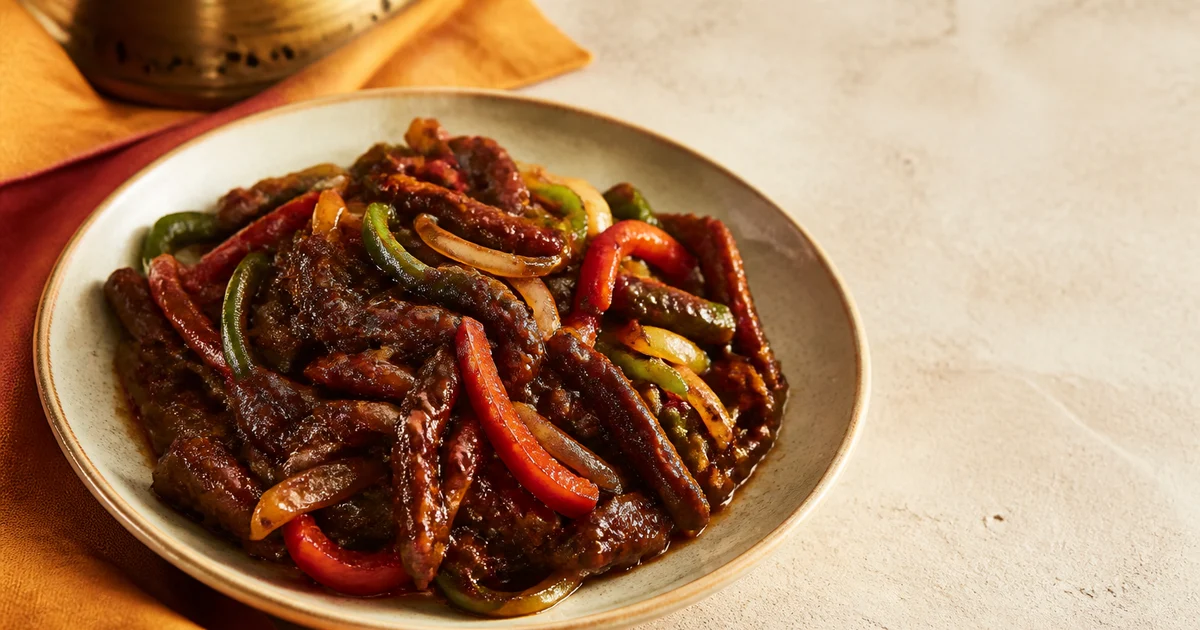
Beef Chilli Onion
A commercial beef chilli onion recipe for 40 plates, covering tender beef slicing, velveting, fast wok finishing, portion control and safe service holding.
- Yield:
- about 40 plates
- Total:
- 1 hr 45 min
- Difficulty:
- Medium
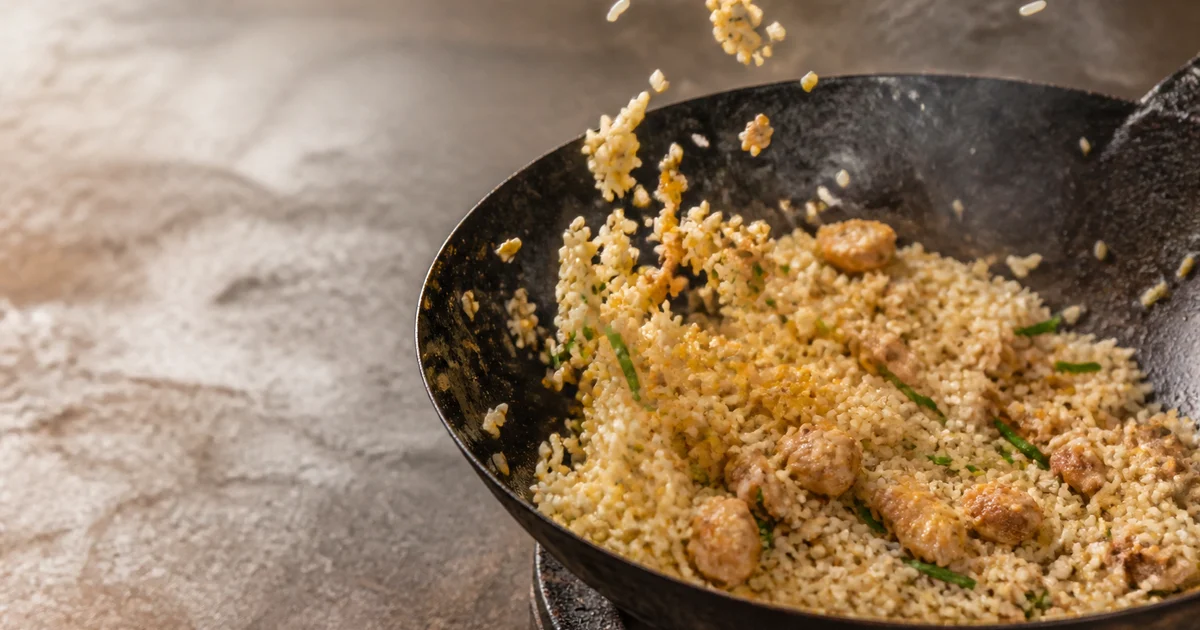
Commercial Chicken Fried Rice Recipe
A commercial chicken fried rice recipe for about 40 plates, with controlled wok batches, safe pre-cooked chicken, day-old rice and fixed portions.
- Yield:
- about 40 plates
- Total:
- 1 hr 15 min
- Difficulty:
- Medium
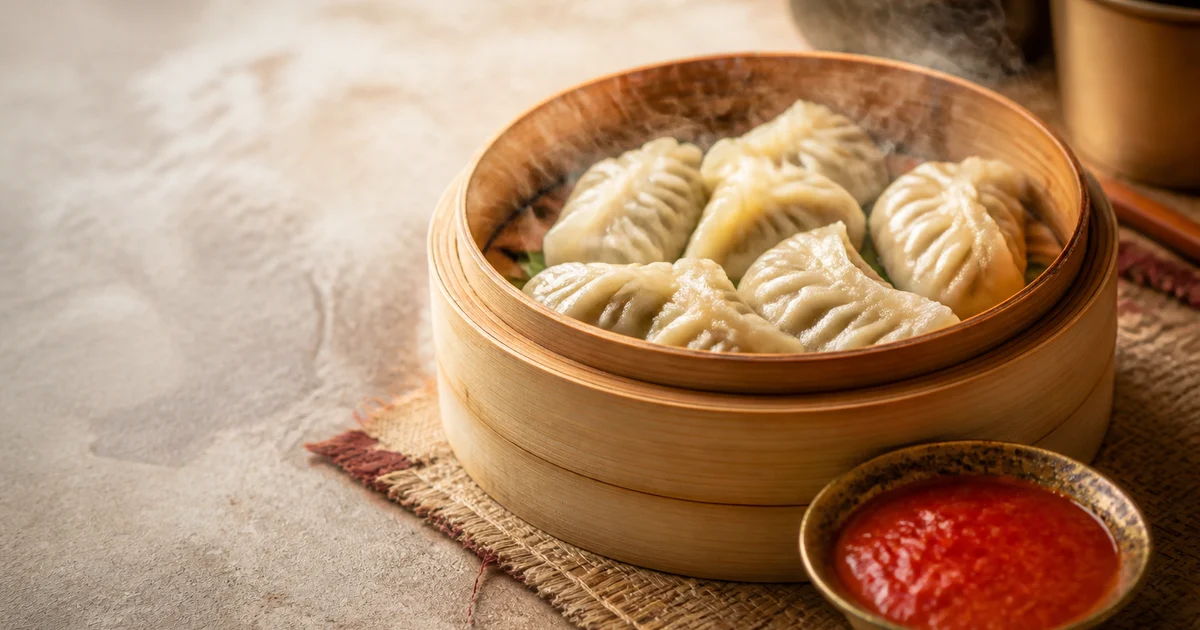
Commercial Chicken Momo Recipe
A commercial chicken momo recipe yielding about 200 pieces, with measured wrappers, juicy filling, fast folding, batch steaming, freezing and chutney control.
- Yield:
- about 40 plates
- Total:
- 3 hr 30 min
- Difficulty:
- Medium
Run your restaurant on Rosuii
POS, menu, inventory, payroll and more — built for Bangladeshi restaurants.
Start free