
Restaurant Recipes
Restaurant French Fries
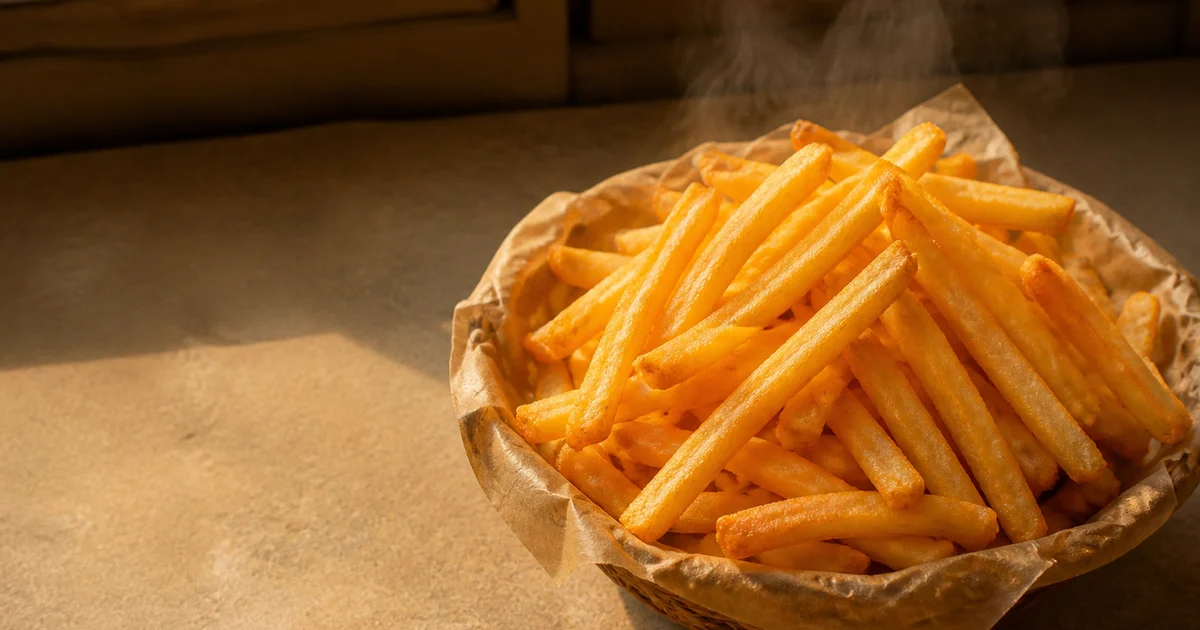
A 40-plate commercial French fries batch with high-starch potato selection, advance blanching, double frying, portion control and fryer oil management.
- Prep
- 35 min
- Cook
- 55 min
- Total
- 2 hr
- Yield
- about 40 plates
- Difficulty
- Medium
- Cuisine
- Continental
Method
- 1
Sort The Potato Lot
Inspect the potatoes for 2 to 3 minutes and remove green, sprouted, rotten or deeply bruised pieces. Potatoes held around 8°C to 12°C should feel firm, and a sample fry should turn light gold rather than dark brown.
- 2
Cut Uniform Batons
Peel and cut the potatoes into 10 mm square batons, working in batches so cut surfaces do not dry out. Drop them immediately into water below 15°C and remove thin slivers or oversized pieces that would cook unevenly.
- 3
Rinse And Soak
Rinse the batons for 2 to 3 minutes until the water changes from cloudy to nearly clear. Soak them in fresh water below 15°C for 20 to 30 minutes; the surfaces should feel clean rather than sticky.
- 4
Blanch In Acidulated Water
Heat 20 litres of water with the vinegar and 120 g salt to 88°C to 92°C. Blanch the potatoes in manageable loads for 6 to 8 minutes until the edges look slightly translucent and each baton bends a little without breaking.
- 5
Dry Before Frying
Drain each load for 2 minutes, then spread it on wire racks for 10 to 15 minutes. The potatoes should stop steaming and show no visible surface water before they approach 150°C oil.
- 6
Complete The First Fry
Heat clean oil to 150°C and fry 1.2 to 1.5 kg per 15 litre vat for 5 to 6 minutes. The batons should be cooked and dry-looking but remain pale, with little or no golden colour.
- 7
Cool For Advance Service
Spread the first-fried potatoes loosely on racks for at least 30 minutes, without stacking hot trays. Chill to 5°C or below within 2 hours; the cold fries should feel firm, dry and separate easily.
- 8
Finish At High Heat
Heat the fryer to 180°C to 185°C and load only enough fries to keep the temperature above 165°C. Fry for 2 1/2 to 3 1/2 minutes until evenly golden, crisp and actively bubbling less than at the start.
- 9
Season Without Delay
Drain the basket over the fryer for 10 to 15 seconds, then transfer the fries to a dry seasoning bowl. Add finishing salt and any optional dry seasoning within 30 seconds while the surface is still hot and lightly oily.
- 10
Hold Or Recrisp
Serve immediately or hold under dry heat in a shallow, ventilated tray for no more than 5 to 7 minutes. If needed, recrisp once at 190°C for 30 to 45 seconds until the surface is dry; discard fries that remain leathery or excessively dark.
Notes for your kitchen
This recipe gives restaurants a repeatable fry instead of a last-minute potato rush.
This french fries recipe restaurant system produces about 40 side portions from one 10 kg potato batch. Most preparation can be completed before service, leaving only the final fry and seasoning for each order. That makes fries practical for food carts, cafes and busy restaurant kitchens with limited ticket times.
Fries also work across burgers, fried chicken, sandwiches and snack menus. The same prepared stock can support regular, large and loaded-fries variations, but every size needs a fixed finished weight. Without controlled cutting, fryer loading and portioning, a popular side can consume more potato and oil than sales records suggest.
Potato dry matter and sugar level matter more than appearance.
Choose mature potatoes with high dry matter, low reducing sugar and firm flesh. High dry matter produces a fluffy centre and absorbs less oil when the frying temperatures are controlled. Potatoes with high sugar brown before their centres become crisp, giving bitter, dark fries even in clean oil.
Asterix or another suitable processing potato is generally a better starting point than a waxy table potato. Granola and Diamant lots can vary, so variety name alone is not enough. Lady Rosetta has high dry matter but is commonly selected for chips and can colour too quickly for long fries if its sugar level is high. Test-fry several batons from every incoming lot before accepting a large delivery.
Reject green, badly sprouted, rotten or heavily bruised potatoes. Store accepted sacks in a dark, ventilated area around 8°C to 12°C rather than in a refrigerator. Colder storage can convert starch into sugar and cause premature browning. Rotate stock by delivery date and do not mix untested old and new lots in one production batch.
Uniform cutting and starch removal control texture and cooking time.
A 10 mm square baton is suitable for a standard restaurant side. Thin ends burn while oversized pieces remain wet inside, so use a calibrated fry cutter and remove wedges, slivers and damaged pieces. Record these trims as wastage rather than hiding them inside oversized portions.
Rinsing removes loose surface starch that can make fries stick together and soil the oil. A short cold-water soak removes additional starch and keeps cut potatoes from discolouring during preparation. Soaking cannot correct a sugary potato, and excessively long soaking removes potato flavour while occupying refrigerator space.
The acidulated hot-water blanch cooks the centre gently and strengthens the surface so the baton survives later handling. It should become slightly flexible with translucent edges but must not collapse. Drying after blanching is essential because surface water causes dangerous splashing, lowers fryer temperature and shortens oil life.
The double-fry method separates internal cooking from final crisping.
The first fry is a low-temperature oil blanch. It drives moisture from the surface and sets a pale shell without creating strong colour. Cooling then allows internal steam to redistribute and the exterior to dry further. This preparation stage can be completed ahead of the meal period.
The second fry uses higher heat to create colour and a brittle crust quickly. Work by thermometer rather than fryer dial alone, because thermostats drift and heavy loads cause a sharp temperature fall. If the oil drops more than about 15°C after loading, reduce the basket weight instead of extending the cooking time. Extended frying in cool oil produces greasy, tough fries.
Salt only after the final fry, while a thin film of hot oil remains on the surface. Salt added before frying pulls moisture to the outside, contaminates the oil and reduces crispness. Dry seasonings should also be applied immediately after frying, never mixed into the fryer.
Scaling requires more fryer capacity, not larger baskets.
Scale potato, blanching water, vinegar and salt in the same ratio, but treat fryer capacity separately. A 15 litre vat should normally receive only about 1.2 to 1.5 kg of prepared fries per load, depending on burner recovery. For this batch, two commercial vats allow first frying and finishing without creating a service bottleneck.
When reducing the recipe, keep enough blanching liquid for the potatoes to move freely and remain covered. When increasing it, add racks, drainage space and chilled storage before adding more potato. A larger batch packed into the same fryer produces lower temperature, longer tickets and greater oil absorption.
Blanched fries should be chilled quickly and finished only against orders.
Spread first-fried fries in a single loose layer and cool them away from steam. Move them to refrigeration at 5°C or below promptly and complete cooling within two hours. Once cold, transfer them to covered, dated food-grade boxes. For best restaurant quality, use the prepared fries within 24 hours.
Do not hold finished fries in a closed bowl, deep pan or sealed takeaway box because trapped steam softens the crust. A ventilated pass under dry heat can hold them for about 5 to 7 minutes, but frying against tickets gives a better result. For delivery, use vented packaging and keep sauces in separate cups.
If an order has waited too long, recrisp it once at high temperature for less than a minute. Repeated reheating darkens the fries, increases oil pickup and should be recorded as waste rather than served. Never return salted fries to the main fryer because salt and seasoning accelerate oil deterioration.
Fixed finished weights protect both yield and customer consistency.
This batch should produce roughly 6.8 to 7.4 kg of finished fries after peeling, trimming and moisture loss, although potato condition changes the result. At a 175 g finished serving, that supports about 40 plates. Establish the real yield by weighing raw potatoes, usable cut batons, blanched stock and final cooked output for several batches.
Use a digital scale to set the portion, then issue a matching scoop or marked serving cup for service. Check portions during every shift because cooks tend to overfill wide plates and takeaway boxes. The practical portion control target is a consistent guest portion, not the largest handful a basket can hold.
Rosuii can record potatoes as raw stock, convert a measured batch into prepared fries through productions, and capture trims or failed fries in wastage records. This makes actual batch yield easier to compare with item sales without claiming automatic recipe deduction for every menu order.
Potato purchasing and fryer oil management determine cost stability.
Compare suppliers by usable yield and fry colour, not only sack weight. A cheaper potato with deep eyes, bruising or high sugar creates more trimming and rejected dark fries. Use the method in recipe costing to include trim loss, oil usage, seasoning and the difference between raw and finished weight.
Oil life depends on temperature control, food particles, water, salt and the range of products sharing the fryer. Skim crumbs throughout service and filter the oil after each busy day while following the filter equipment's safe-temperature instructions. Keep the fryer covered when cool and do not hold empty oil at frying temperature for long periods.
Replace oil when it develops persistent foam, sticky texture, acrid smell, excessive smoke at normal frying temperature or unacceptably dark fries. A commercial oil-quality test gives a better decision than counting days because sales volume varies. Topping up degraded oil may improve the level, but it does not restore worn-out oil. Monitor oil use alongside food cost percentage rather than treating the fryer fill as a one-time expense.
The most expensive mistakes are preventable process failures.
- Using an untested potato lot: High-sugar potatoes produce dark, bitter fries that must be discarded.
- Cutting mixed sizes: Small pieces burn before thick batons cook, reducing sellable yield.
- Skipping surface drying: Water causes splashing, temperature loss and faster oil damage.
- Overloading the fryer: Slow recovery creates oily fries and delays every order behind them.
- Salting before frying: Salt draws moisture and contaminates the fryer oil.
- Holding finished fries too long: Soft fries lead to complaints, replacements and double oil usage.
- Ignoring crumb filtration: Burnt particles darken fresh batches and shorten useful oil life.
- Serving by handful: Unmeasured portions quietly reduce the number of plates from each production batch.
What drives the cost
Potatoes and frying oil dominate the cost of this dish. Potato cost moves with variety, season, trim loss and usable yield, while oil cost changes with fryer loading, filtration, temperature control and whether other crumb-producing foods share the fryer. Seasonings contribute much less unless premium blends are used.
Ingredient rates move with the market, so this describes what drives the cost rather than quoting a figure.
Questions from kitchens
How much can I load into one commercial fryer basket?
How long can first-fried fries be stored?
Can I use Granola or Diamant potatoes?
Why does my 10 kg batch produce fewer than 40 portions?
Can finished fries be reheated for service?
Related recipes
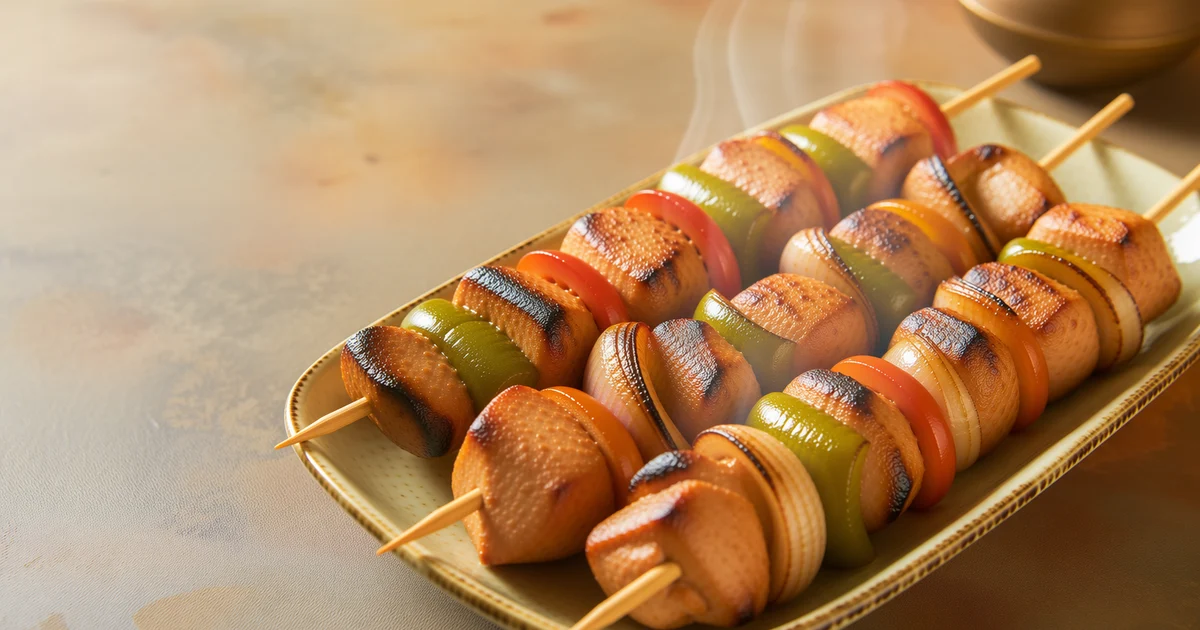
Commercial Chicken Shashlik Recipe
A commercial chicken shashlik recipe for 40 plates, covering uniform cubes, correct skewer order, advance preparation, service holding and fried rice plating.
- Yield:
- about 40 plates
- Total:
- 1 hr 45 min
- Difficulty:
- Medium
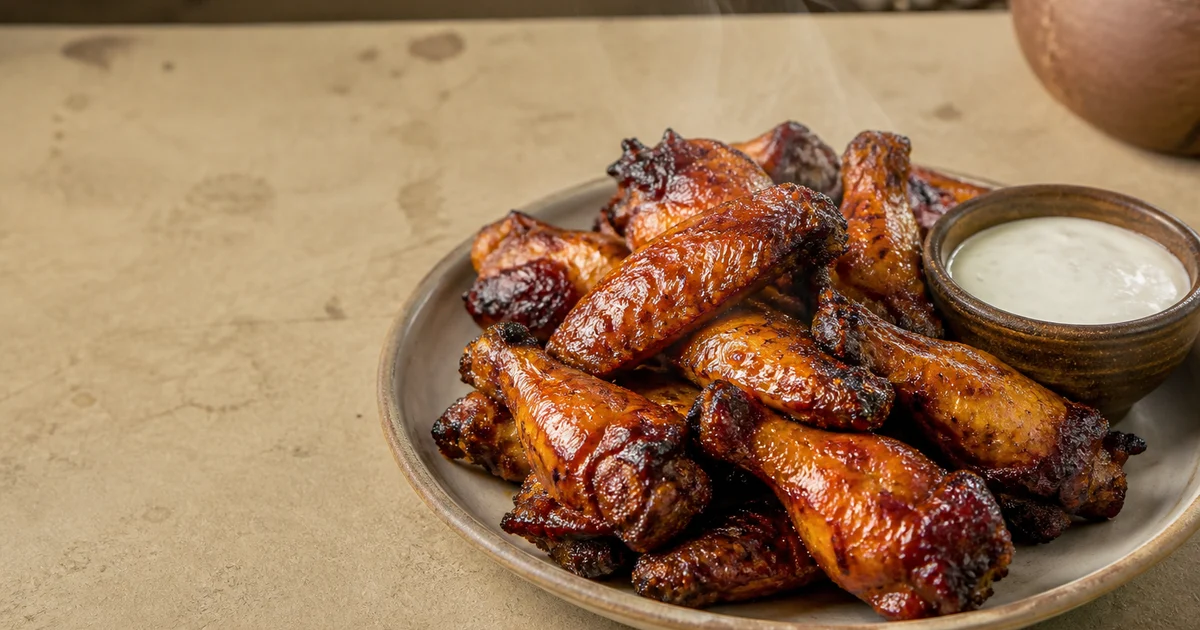
Chicken Wings Recipe
A commercial chicken wings recipe for 40 five-piece plates, using dry brining, double frying and order-time saucing for crisp, controlled service.
- Yield:
- about 40 five-piece plates
- Total:
- 14 hr 15 min
- Difficulty:
- Medium
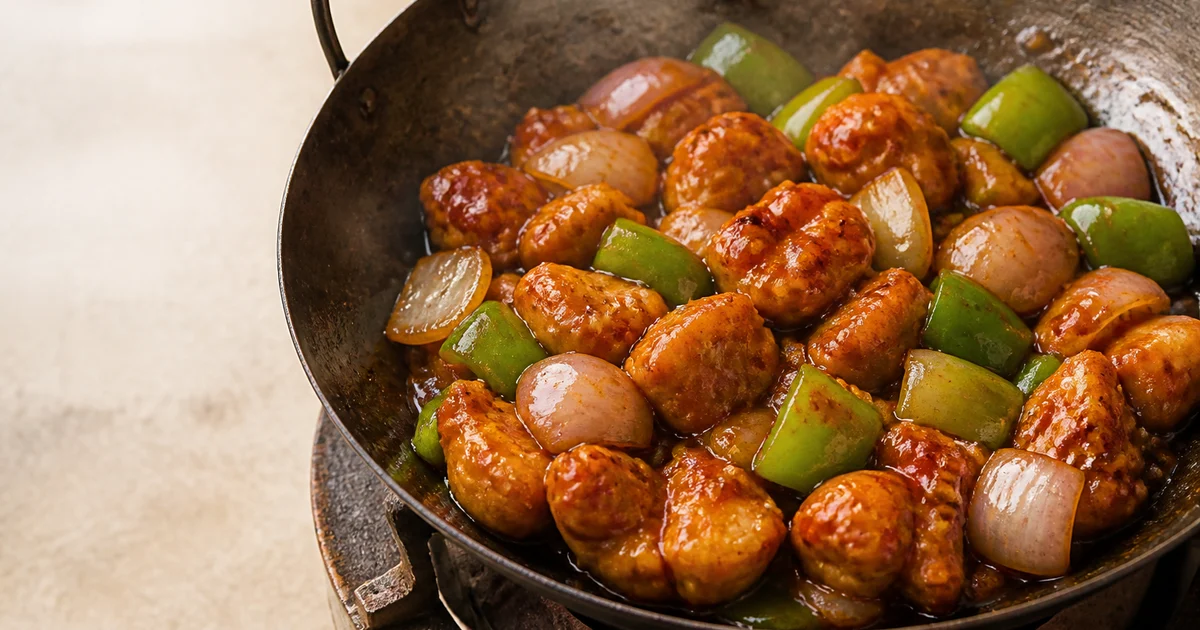
Commercial Chilli Chicken Recipe
A commercial chilli chicken recipe for about 40 plates, using double-fried chicken, a bulk sauce base and controlled dry or gravy finishing methods.
- Yield:
- about 40 main-course plates
- Total:
- 1 hr 35 min
- Difficulty:
- Medium
Run your restaurant on Rosuii
POS, menu, inventory, payroll and more — built for Bangladeshi restaurants.
Start free