
Restaurant Recipes
Commercial Luchi Recipe
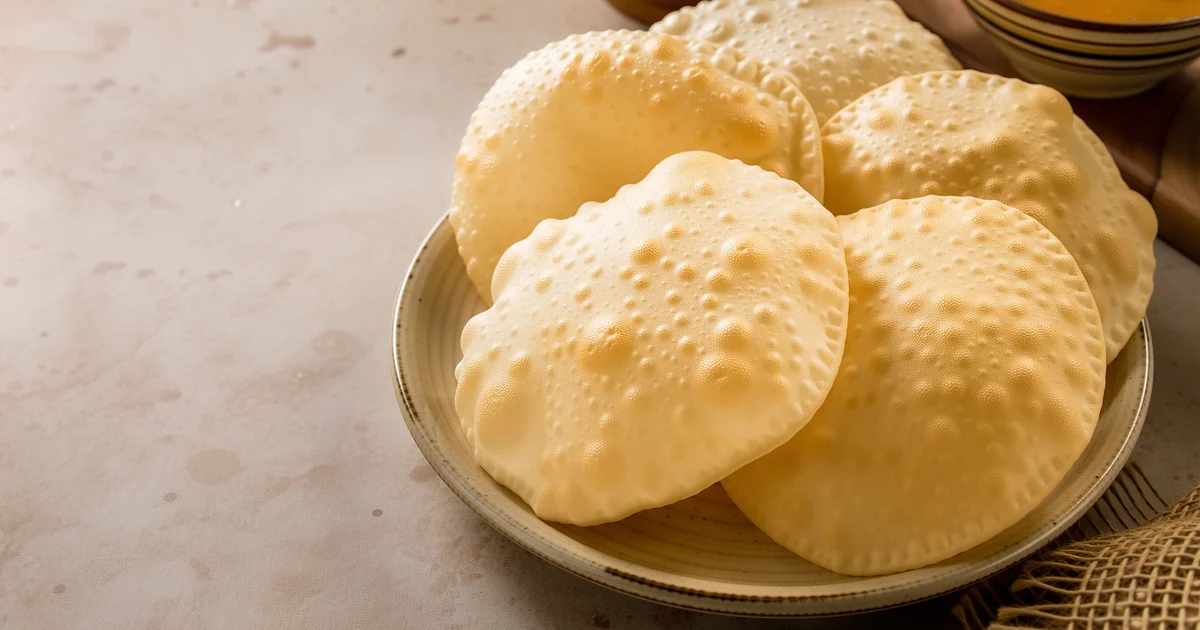
A commercial luchi recipe for about 80 pieces, with controlled dough hydration, uniform rolling, hot-oil frying and practical service guidance.
- Prep
- 40 min
- Cook
- 45 min
- Total
- 1 hr 25 min
- Yield
- about 40 plates (80 luchi)
- Difficulty
- Medium
- Cuisine
- Bengali
Method
- 1
Prepare the frying station
Set up the kadai or fryer with enough oil for a depth of at least 8 to 10 centimetres, keeping within the equipment's safe fill line. Arrange the thermometer, spider and perforated draining trays before dough production begins.
- 2
Combine the dry ingredients
Place the sifted maida, salt and sugar in the mixer bowl and mix for 30 seconds at low speed. Check that the salt and sugar are evenly distributed with no compacted lumps.
- 3
Rub in the fats
Add the softened ghee and soybean oil, then mix on low speed for 2 to 3 minutes. The flour should resemble fine crumbs and hold weakly when squeezed, without visible pockets of ghee.
- 4
Hydrate and knead dough
Add 900 ml warm water gradually while mixing on low speed, reserving the remaining water for adjustment. Knead for 5 to 7 minutes until the dough is smooth, firm and pliable; add extra water in 20 ml additions only if dry flour remains.
- 5
Cover and rest dough
Cover the dough tightly and rest it at room temperature for 25 to 30 minutes. Keep it away from fan airflow and fryer heat, as a dry skin will create weak spots that stop full puffing.
- 6
Divide equal dough balls
Weigh the finished dough and divide it into 80 portions, normally about 36 to 39 grams each. Shape each portion into a smooth ball, place seam-side down and keep the balls covered for 10 minutes.
- 7
Roll uniform round discs
Dust the bench and ball very lightly, then roll each portion to 11 to 12 centimetres across and 1.5 to 2 millimetres thick. Keep the centre and edges even, avoid pinholes, and hold rolled discs under a clean cover for no longer than 15 to 20 minutes.
- 8
Fry and inflate luchi
Heat the oil to 185°C to 190°C and slide in one or two discs without crowding. Gently press the surface with the spider for 3 to 5 seconds until inflated, turn once, and fry for a total of about 25 to 35 seconds until pale golden.
- 9
Drain and serve quickly
Lift each luchi carefully and allow excess oil to drain over the fryer for 5 seconds. Transfer to a perforated tray without compressing the puff and serve within 5 minutes.
Notes for your kitchen
This commercial luchi recipe produces about 80 evenly sized luchi, enough for approximately 40 breakfast plates at two pieces per plate. The process is designed for a Bangladeshi restaurant, catering kitchen or food cart that needs predictable puffing, quick frying and consistent portions. The critical controls are a firm but pliable maida dough, uniform rolling and frying oil that stays between 180°C and 190°C during production.
Why luchi suits commercial breakfast service
Luchi works commercially because the dough is inexpensive to prepare, portions can be made in advance and each bread fries in less than one minute. It pairs with alur dom, cholar dal, mixed vegetable curry, chicken curry, beef bhuna or Bengali sweets. A cart can offer fixed plates, while a restaurant can sell extra pieces as an add-on without changing the main preparation.
Luchi must still be treated as a fast-service item. Its inflated shape begins to soften and deflate soon after frying, especially when trapped in steam. The production station should therefore be close to plating, and curries should be portioned before the luchi enters the oil. The best customer experience comes from frying against active orders rather than filling a large holding tray.
Batch size and production target
This batch should yield 80 luchi weighing about 36 to 39 grams before frying. The expected output is 40 plates when each plate receives two pieces. Allow a small process tolerance for dough left on the mixer, bench or utensils, but do not compensate by making the first pieces larger.
Weigh the completed dough and divide its net weight by 80 before portioning. This gives the exact target weight for that batch and accounts for small changes in water absorption. Record usable pieces, damaged pieces and test pieces separately so that the true yield can be used for recipe costing.
Ingredient selection and quality control
Maida strength, clean frying oil and accurate water control matter more than premium branding. Luchi has few ingredients, so inconsistency in flour or frying oil becomes immediately visible in the dough, colour and aroma.
Selecting the maida
Use fresh, refined maida with moderate gluten strength and no stale or damp smell. Very weak flour tears before the bread can inflate, while unusually strong bread flour makes rolling difficult and produces a chewy crust. Keep maida sealed above floor level and away from humidity, spices and cleaning chemicals.
Different flour lots absorb different amounts of water. Hold back part of the measured water until the dough begins to form, then add only enough to remove dry patches. The finished dough should feel firmer than paratha dough but should not crack around the edge when pressed.
Choosing fat and water
A measured combination of ghee and neutral oil gives tenderness without making the dough greasy. Rub the fat thoroughly into the flour before adding water. Properly coated flour limits excessive gluten development and helps the fried surface remain delicate.
Use potable lukewarm water around 30°C to 35°C. Hot water can make the dough sticky and soft, while very cold water slows hydration and extends mixing. Sugar is kept low because excessive sugar makes luchi brown before it becomes crisp and can shorten frying-oil life.
Managing frying oil
Use a neutral, high-heat frying oil that has no rancid smell, heavy foam or burnt sediment. The fryer or kadai must be deep enough for each disc to float without touching the bottom. Filter cooled oil daily and discard it according to the kitchen's oil-quality standard when it becomes dark, sticky, smoky or strongly flavoured.
Do not judge temperature only by dropping dough into the oil. A commercial probe thermometer gives a repeatable reading and helps identify temperature loss when too many pieces are loaded together.
Technique for a full puff
A luchi puffs when steam is trapped between two evenly cooked layers before the surface becomes rigid. Dough consistency, rolling thickness and oil recovery must work together; correcting only one of them will not solve repeated failures.
Mixing and resting the dough
Stop mixing when the dough is smooth, firm and free from dry flour. Excessive machine mixing develops too much gluten, causing discs to spring back during rolling. Resting relaxes that gluten and distributes moisture, but the dough must remain covered so that no skin forms.
After resting, press one sample ball flat. If the edge splits deeply, knead in a very small amount of water and rest it again. If it sticks to the hand or bench, avoid correcting it with large amounts of dusting flour; the next batch needs less water.
Controlling rolling thickness
Roll each portion to an even thickness of about 1.5 to 2 millimetres and a diameter of 11 to 12 centimetres. A thick centre with thin edges prevents the centre from expanding. Pinholes, folded edges and deep rolling-pin marks also allow steam to escape.
Use only a light film of dusting flour. Loose flour burns in the fryer, darkens the oil and leaves black specks on later batches. Keep rolled discs covered and fry them within 15 to 20 minutes; longer stacking encourages sticking and surface drying.
Controlling frying temperature
Load luchi at 185°C to 190°C and do not let the oil fall below about 175°C during frying. Slide each disc away from the operator, then gently press the upper surface with a spider as bubbles appear. This briefly submerges the surface and encourages the layers to separate.
Turn the fully inflated luchi once and remove it when pale golden with no raw-looking patches. Dark brown luchi usually indicates excessive temperature, excessive sugar or old oil. Frying below the target range increases oil absorption and produces a hard, poorly puffed bread.
Scaling the batch safely
Scale the dough by flour weight, but size the frying load according to oil volume and heat recovery. For each kilogram of maida, maintain approximately 15 grams salt, 7 to 8 grams sugar, 50 grams ghee, 25 to 30 grams dough oil and 450 to 500 millilitres water. Water remains an adjustment range, not an amount to pour automatically.
For more than 4 kilograms of flour, mix separate dough batches unless the mixer is rated for the full dough weight. Divide large batches immediately and keep each section covered. Increasing the number of discs in the fryer is not safe scaling because it lowers temperature and reduces puffing.
Holding and reheating for service
Serve luchi within five minutes for the best puff, and avoid holding it longer than 15 minutes. Drain pieces upright or in a single loose layer on a perforated tray. Never seal hot luchi inside a solid container or deep stack because trapped steam softens the surface.
Keep only 10 to 15 rolled discs ready during busy periods and replenish that queue as orders arrive. Reheating cannot restore a full puff. If necessary, warm a cooled piece for 20 to 30 seconds in a 180°C oven, but treat the result as a recovered product rather than fresh service.
Portioning and yield control
Weighed dough balls are the simplest way to keep plate cost and customer portions consistent. Use the same target weight for every piece and verify every tenth ball during portioning. Count finished pieces into service trays instead of estimating by tray volume.
Track plates sold against pieces fried, staff meals, test pieces and damaged luchi. A written portion control standard should state pieces per plate, dough-ball weight and acceptable diameter. Rosuii can record the dough as a production from raw materials and separately record process wastage, helping operators compare planned and actual output.
Mistakes that waste money
The most expensive mistakes are oversized portions, low frying temperature, excess dusting flour and producing too far ahead. These errors increase flour or oil use and create unsellable soft pieces.
- Dough too soft: It sticks, stretches unevenly and absorbs additional bench flour.
- Dough too dry: Cracked edges release steam and prevent a complete puff.
- Uneven rolling: Thin areas become crisp before thick areas can inflate.
- Overloading the fryer: Oil temperature collapses, cooking slows and absorption increases.
- Repeated oil top-ups without filtering: Burnt flour remains in circulation and damages colour and flavour.
- Long hot holding: Good pieces become soft and are returned or discarded.
Keeping food cost stable
Stable luchi cost depends on controlling frying oil, dough-ball weight and saleable yield. Ghee and frying oil usually move the batch cost more than salt or sugar, while maida remains the main bulk ingredient. Oil absorption rises when temperature is low, and frequent replacement rises when loose flour or burnt crumbs are not filtered.
Standardise portion weight, record daily oil additions and compare finished output with the planned 80 pieces. Review these figures alongside overall food cost percentage rather than reducing ingredient quality without identifying the actual loss point.
What drives the cost
Frying oil and ghee are the main cost-sensitive ingredients, while maida contributes most of the bulk. Cost rises when low frying temperature increases oil absorption, portions are overweight, or flour sediment shortens usable oil life.
Ingredient rates move with the market, so this describes what drives the cost rather than quoting a figure.
Questions from kitchens
Can this luchi recipe be doubled for a large breakfast service?
How long can fried luchi be held before serving?
Can soybean oil replace ghee in the dough?
How long can prepared luchi dough be stored?
Why did the batch produce fewer than 80 luchi?
Related recipes
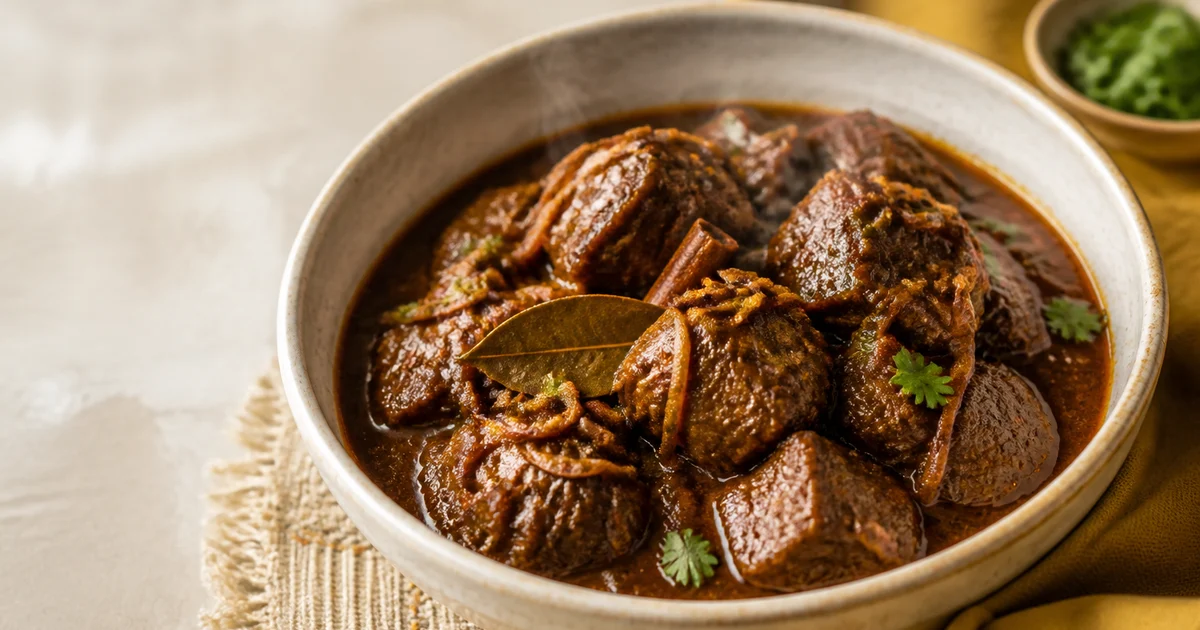
Commercial Beef Kalia Recipe
A commercial beef kalia recipe for about 40 plates, with tender bone-in beef, festive ghee-rich gravy, controlled portions and service guidance.
- Yield:
- about 40 plates
- Total:
- 4 hr
- Difficulty:
- Medium
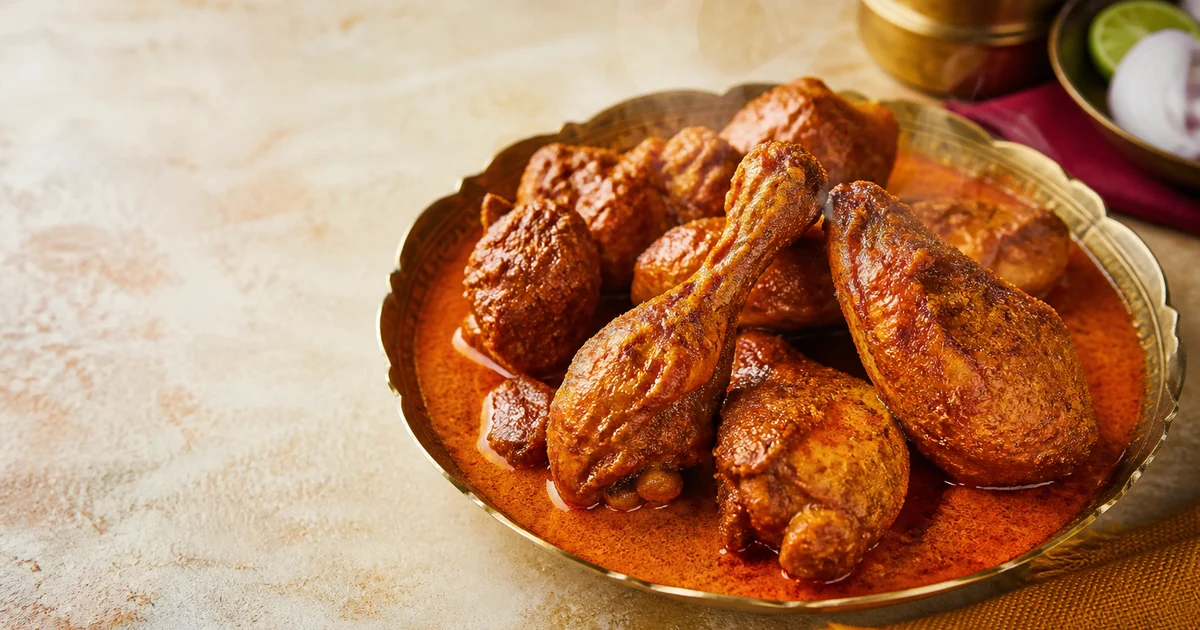
Commercial Bangladeshi Chicken Roast
A 40-portion biye-bari style chicken roast with first-fried chicken, controlled sweet-savoury gravy, catering yield guidance and service holding.
- Yield:
- about 40 plates
- Total:
- 2 hr 15 min
- Difficulty:
- Medium
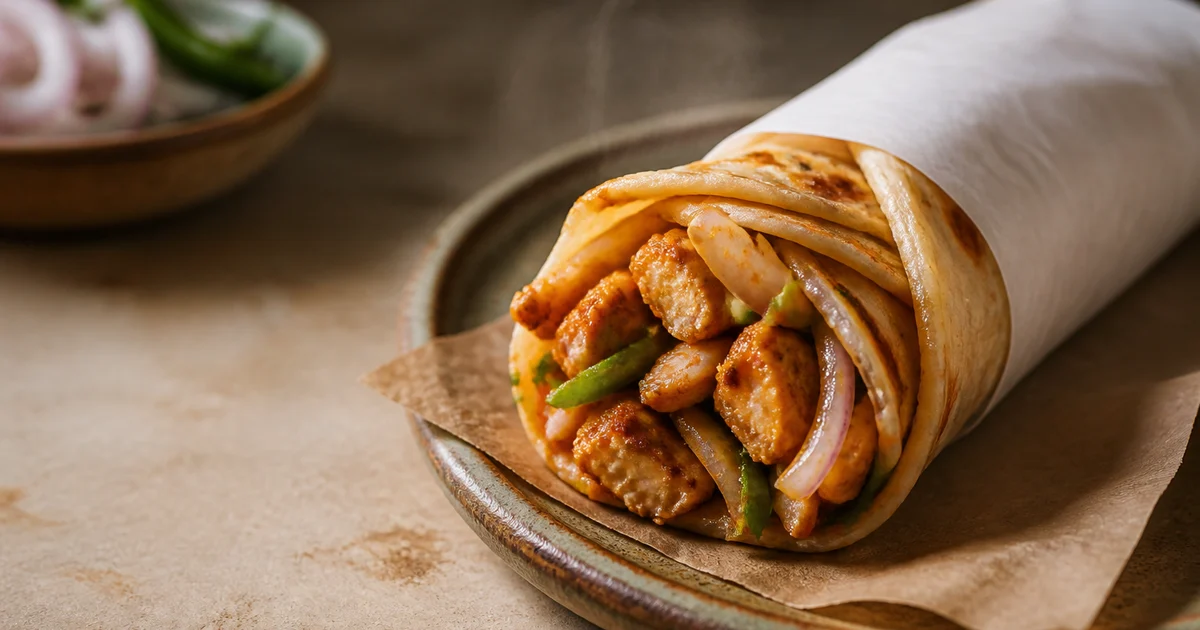
Commercial Bangladeshi Chicken Roll Recipe
A commercial chicken roll recipe producing 40 large rolls with flaky paratha, spiced chicken, egg, fresh vegetables and controlled portions.
- Yield:
- 40 large chicken rolls
- Total:
- 2 hr 30 min
- Difficulty:
- Medium
Run your restaurant on Rosuii
POS, menu, inventory, payroll and more — built for Bangladeshi restaurants.
Start free