
Restaurant Recipes
Commercial Mishti Doi Recipe
A commercial mishti doi recipe for about 40 earthen-pot portions, with precise caramelisation, culture temperature, setting and yield control.

- Prep
- 30 min
- Cook
- 1 hr 15 min
- Total
- 13 hr 15 min
- Yield
- about 40 earthen-pot portions
- Difficulty
- Medium
- Cuisine
- Bangladeshi
Method
- 1
Prepare pots and equipment
Wash and fully dry the earthen pots, then warm them gradually to 35°C to 40°C. Sanitise the strainer, ladles, thermometer and filling area, and reserve one pot as the batch test pot.
- 2
Combine the dairy base
Mix 1 litre of cold milk with the skim milk powder until completely smooth. Add it to the remaining milk, cream, cardamom and salt in the kettle, then begin heating over medium flame.
- 3
Heat and reduce milk
Bring the dairy base to 85°C to 90°C and hold it in that range for 10 minutes, stirring and scraping the bottom continuously. Continue gentle evaporation for 45 to 60 minutes until the dairy base weighs approximately 6 to 6.2 kg and lightly coats the ladle.
- 4
Start the wet caramel
Place the sugar, water and liquid glucose in a clean heavy saucepan and heat without stirring. Once boiling, swirl the pan gently and cook to 175°C to 180°C until the syrup is evenly deep amber with no black smoke.
- 5
Stop and dissolve caramel
Remove the caramel from the flame and carefully add 750 ml of the hot reduced milk in several additions, standing back from the steam. Return it to low heat for 3 to 5 minutes until any hardened caramel dissolves completely.
- 6
Blend and cool mixture
Stir the caramel mixture into the main dairy base and heat for 2 minutes to distribute the colour. Remove the kettle from the flame and cool to 42°C to 43°C, stirring occasionally so the temperature remains even.
- 7
Temper the yogurt starter
Whisk the plain yogurt until smooth, then mix it with approximately 500 ml of the warm caramel milk. Add the tempered starter to the kettle and stir gently for 30 seconds without creating foam.
- 8
Strain and fill pots
Pass the inoculated mixture through a fine strainer into a clean pouring vessel. Fill each warm earthen pot with 165 g of mixture, working quickly so all pots remain close to 40°C.
- 9
Incubate without movement
Transfer the pots to a 40°C to 43°C cabinet and leave them completely undisturbed for 6 to 8 hours. At 6 hours, tilt only the test pot; the doi is ready when it moves as one gel and has no liquid centre.
- 10
Chill and cover pots
Move the set pots immediately to refrigeration at 1°C to 5°C without stacking warm pots. Chill for at least 4 hours, then cover and label each pot with its production date and use-by date.
Notes for your kitchen
Why mishti doi suits commercial service
Mishti doi works commercially because it can be produced before service, portioned in its selling container and served without final cooking. A correctly set batch needs only refrigerated storage and controlled dispatch, which reduces pressure on the hot kitchen. Earthen pots also give the dessert a recognisable presentation without extra plating work.
The production schedule must account for incubation and chilling. Mishti doi is not suitable for same-hour preparation because the culture needs several undisturbed hours to form a clean gel. Plan the batch the previous evening or early morning, depending on the next service period. A cart must have reliable refrigeration or transfer the chilled pots in insulated boxes with enough ice packs to hold them at 5°C or below.
Ingredient quality determines the set
Milk quality and starter activity matter more than expensive flavourings in a mishti doi recipe. Use fresh full-cream cow's milk with no sour smell, separation or evidence of dilution. Milk with higher natural solids produces better body, while skim milk powder adds consistent solids when the incoming milk changes between suppliers. Dissolve the powder completely before heating so it does not form white specks.
Cream provides richness, but excessive fat can create a greasy surface and weaken the perception of a clean set. The measured quantity in this batch supports body without turning the product into a heavy cream dessert. Cardamom should remain light because strong spice can hide the flavour of caramelised milk.
The starter must be fresh, plain, unsweetened yogurt with a mild acidic smell and a firm, whey-free surface. A starter that is old, sharply sour or repeatedly carried from weak batches can cause slow setting, excess acidity and whey separation. Keep a dated master starter under refrigeration and never return unused tempered culture to its original container.
Caramel controls colour and flavour
The sugar must reach a deep amber colour without crossing into bitterness. Use a clean, heavy saucepan because burnt residue from an earlier batch will darken the next caramel unevenly. Water helps the sugar melt evenly, while a small amount of liquid glucose reduces crystallisation around the sides of the pan.
Do not stir after the syrup begins boiling. Swirl the pan gently and use a wet pastry brush to wash down visible sugar crystals. At approximately 175°C to 180°C, the syrup should be deep amber and smell toasted rather than burnt. Remove it before black smoke appears because residual pan heat continues cooking the sugar.
Hot milk must be added carefully because the caramel will foam and release steam. A seized lump is not automatically a failed batch; gentle heat will dissolve it. However, undissolved hard caramel left in the mix creates inconsistent sweetness and reduces the measured portion yield. Judge colour after dilution, not only while the caramel is concentrated in the pan.
Culture temperature and setting time decide quality
The milk should meet the starter at 42°C to 43°C and remain warm and undisturbed until set. Above 46°C, the culture can be damaged or killed. Below 38°C, acid production becomes slow, increasing the risk of a loose set and extending the batch beyond the production schedule. Use a calibrated probe thermometer rather than judging the milk by touch.
Temper the starter with warm milk before combining it with the main batch. This removes lumps and prevents local temperature shock. Mix only enough to distribute the culture, since aggressive whisking introduces foam that later forms an unattractive surface. Straining before filling removes cardamom fragments, starter lumps and caramel particles.
Food-grade unglazed earthen pots absorb a small amount of moisture and help produce the dense texture associated with Bangladeshi mishti doi. Pots must be clean, fully dry and free from clay dust or stale odours. Warm cold pots gradually before filling because a large temperature difference can cool the mixture below the culture range or crack weak pottery.
The usual setting window is 6 to 8 hours at 40°C to 43°C. Check one test pot at 6 hours by tilting it slightly; the surface should move as one mass, with no liquid centre. Continuing incubation long after a full set makes the doi sharper and can force whey from the gel. Move the complete batch to refrigeration as soon as the test pot confirms the set, then chill for at least 4 hours before transport or sale.
Scale by weight, not cooking time
A larger mishti doi batch should keep the same ingredient percentages but must not use a simple multiplication of cooking time. Relative to the starting milk, this formula uses approximately 6.25% cream, 5% milk powder, 12.5% sugar and just over 3% starter. Weigh ingredients and record the reduced dairy weight so that evaporation remains repeatable.
A wider kettle evaporates faster than a tall, narrow one, while a larger volume heats more slowly. For batches above 16 litres of milk, splitting production between two kettles usually gives safer caramel distribution and more predictable reduction. Keep the inoculated mix shallow enough to fill quickly, since a long filling period creates temperature differences between the first and last pots.
For a half batch, retain the same temperatures and reduction percentage. Do not halve the incubation time. Culture activity depends on temperature, starter condition and milk solids rather than batch weight.
Holding and service require refrigeration
Finished mishti doi should be held covered at 1°C to 5°C and must never be reheated for service. Reheating breaks the cultured gel, releases whey and creates a food-safety risk through repeated temperature movement. Serve directly from refrigeration, allowing only a short dispatch period outside controlled cold storage.
Cover pots after they are fully chilled to prevent condensation from dripping onto the surface. Use oldest approved production first and discard portions with mould, gas bubbles, swollen covers, fermented odour or extensive whey separation. Under reliable refrigeration, use the batch within 3 days for the best texture and flavour.
Portioning protects the planned yield
Filling every pot to 165 grams gives about 40 saleable portions after normal kettle and straining losses. Place each pot on a digital scale, tare it and use the same ladle or measured depositor. A visual fill line is useful during rush production, but it should be checked against the scale at regular intervals.
Record cracked pots, spills, overfills and rejected sets separately from sold portions. This makes the true yield visible and supports better portion control. Do not top up a partly filled pot after it has started incubating because the two layers may set differently.
Common mistakes waste whole batches
The most expensive failures come from burnt caramel, weak culture, wrong incubation temperature and moving the pots before the gel forms.
- Burnt sugar: Black or smoking caramel makes the full milk batch bitter and cannot be corrected with extra sugar.
- Hot inoculation: Adding starter above 46°C can leave dozens of pots liquid after the planned setting period.
- Cold incubation: A poorly insulated cabinet produces weak centres and inconsistent acidity between shelves.
- Over-incubation: Leaving set pots warm overnight causes sour flavour and visible whey.
- Uncontrolled reduction: Reducing by eye changes sweetness, portion count and texture from batch to batch.
- Wet or dusty pots: Residual water weakens the surface, while clay dust damages appearance and customer confidence.
Cost stability comes from yield records
Milk, cream and the earthen serving pots are the main cost drivers, while evaporation and overfilling determine how much of that cost reaches each sale. Maintain supplier specifications for milk fat, pot size and breakage, and compare actual yield with the planned 40 portions. Use recipe costing together with inventory management to identify unexplained usage.
Rosuii can record the batch as a production that converts raw materials into finished mishti doi, while separate wastage records capture cracked pots and failed portions. This keeps operational loss visible without assuming that every menu sale automatically deducts the recipe.
What drives the cost
Full-cream milk, cream and individual earthen pots dominate the batch cost. Milk-solids variation, dairy supplier rates, pot breakage, excessive reduction and portion overfilling are the main factors that move the cost per saleable pot.
Ingredient rates move with the market, so this describes what drives the cost rather than quoting a figure.
Questions from kitchens
Can this mishti doi recipe be doubled in one kettle?
How long can mishti doi be held for sale?
Can jaggery replace the caramelised sugar?
Why did the earthen-pot doi remain soft?
How many portions should this batch produce?
Related recipes
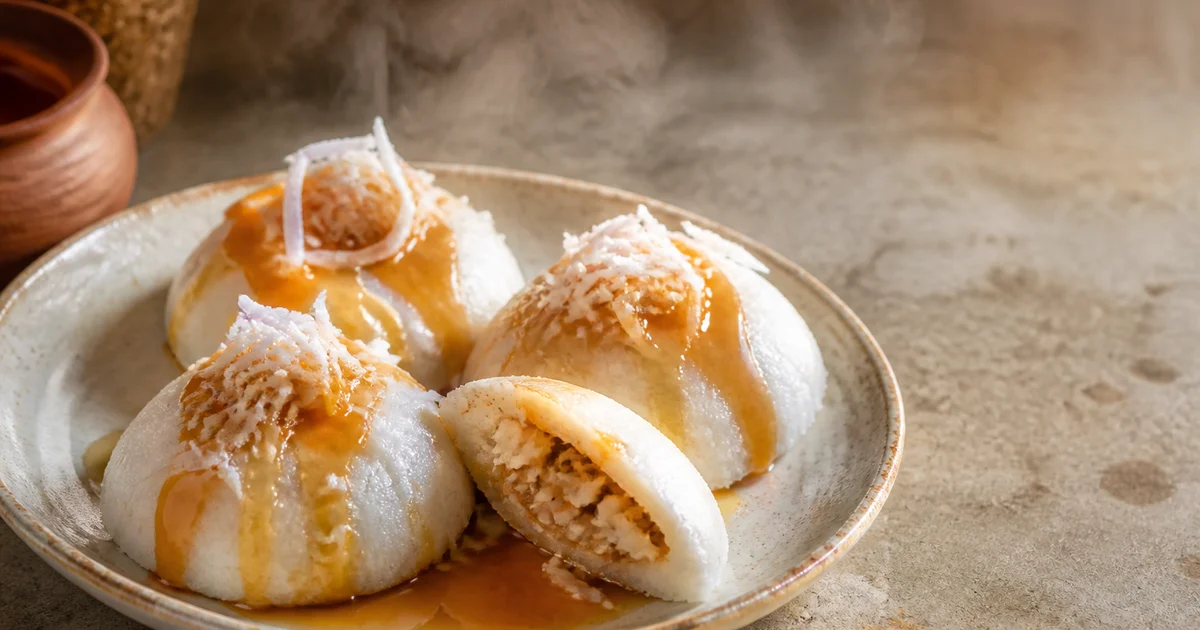
Commercial Bhapa Pitha Recipe
A commercial bhapa pitha recipe for 60 pieces, covering rice flour hydration, gur-coconut filling, continuous steaming and hot service control.
- Yield:
- 60 pitha, about 30 two-piece plates
- Total:
- 2 hr 15 min
- Difficulty:
- Medium
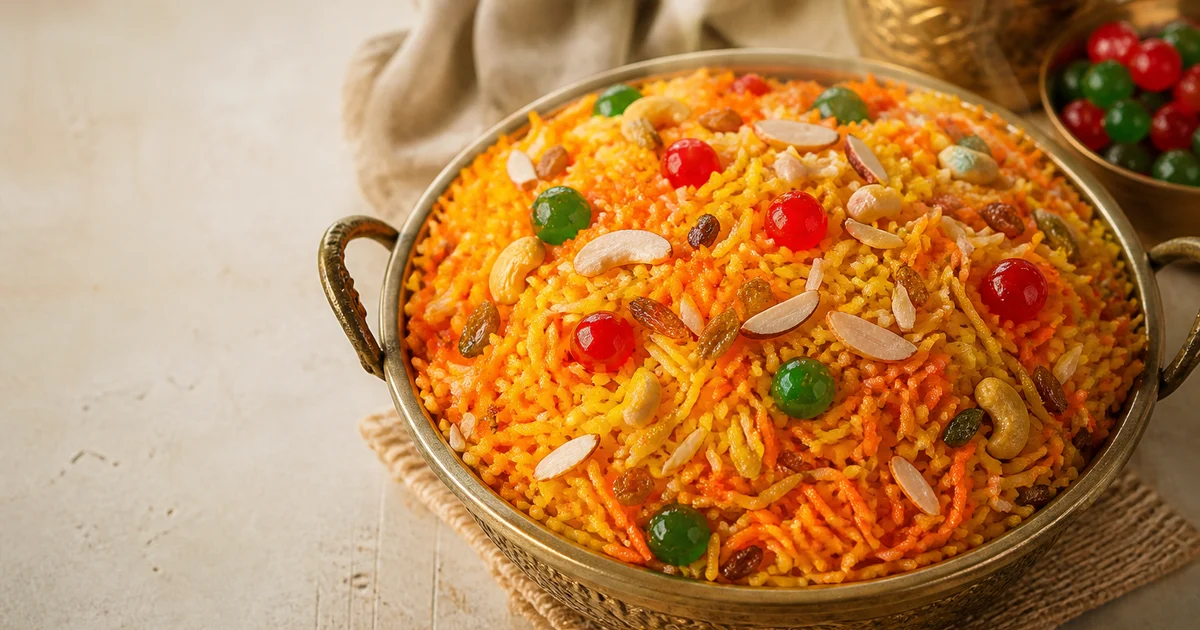
Commercial Jorda Recipe
A commercial jorda recipe for about 50 portions, with separate rice grains, controlled sugar syrup, even colour and practical wedding scaling.
- Yield:
- about 50 plates at 150 to 160 g
- Total:
- 1 hr 35 min
- Difficulty:
- Medium

Commercial Malai Cha Recipe
A commercial malai cha recipe for about 40 cups, with controlled milk reduction, repeatable cream layers, service holding and premium-cup costing.
- Yield:
- about 40 cups of 150 ml plus malai
- Total:
- 1 hr 10 min
- Difficulty:
- Medium
Run your restaurant on Rosuii
POS, menu, inventory, payroll and more — built for Bangladeshi restaurants.
Start free