
Restaurant Recipes
Loaded Nachos Recipe for Commercial Batch
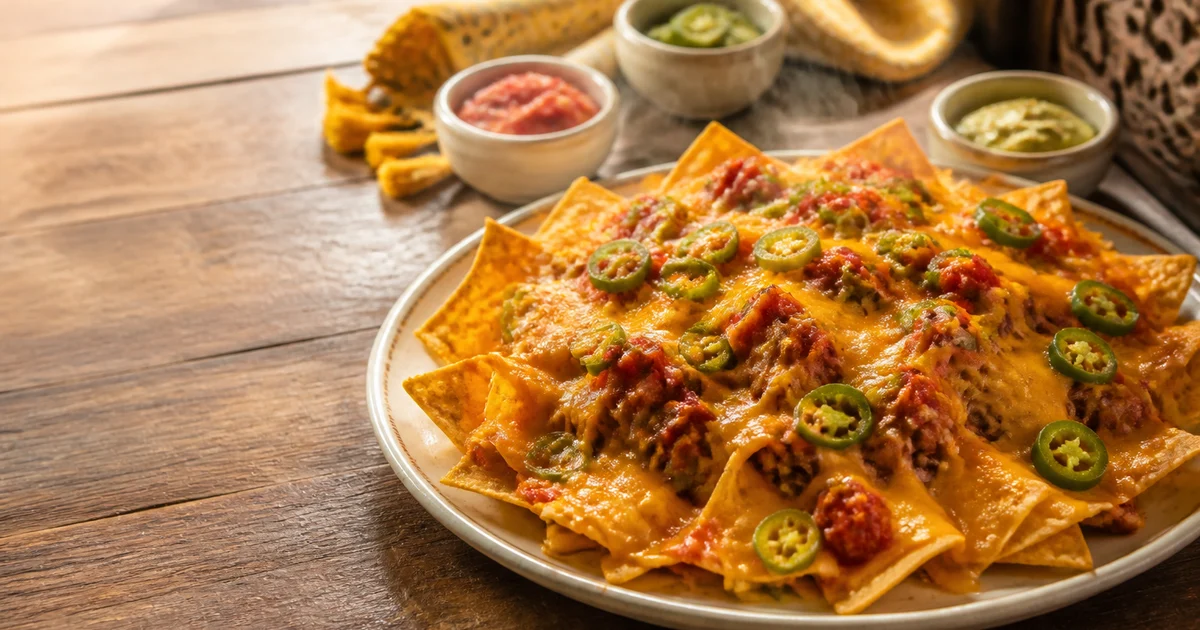
A commercial loaded nachos recipe for 40 sharing plates, covering bulk cheese sauce, topping preparation, crisp assembly, holding and portion control.
- Prep
- 45 min
- Cook
- 45 min
- Total
- 1 hr 30 min
- Yield
- about 40 sharing plates
- Difficulty
- Medium
- Cuisine
- Continental
Method
- 1
Cook The Pale Roux
Melt the butter in a heavy stockpot over medium heat at about 80°C to 90°C. Whisk in the flour and cook for 3 minutes until the mixture looks sandy and pale, with no raw flour smell. Do not allow it to brown.
- 2
Whisk In Warm Milk
Add the warm milk gradually while whisking continuously. Bring the sauce to 85°C to 90°C over 8 to 10 minutes, scraping the bottom and corners. It is ready when smooth and thick enough to lightly coat the whisk.
- 3
Melt In The Cheese
Reduce the heat and add processed cheddar in several batches, followed by part of the salt and all the white pepper. Stir for 4 to 5 minutes at 75°C to 80°C until completely smooth and glossy. Do not boil; visible oil on the surface means the heat is too high.
- 4
Cook The Chicken
Heat the oil on a flat-top or heavy pan to about 180°C and cook the chicken in manageable batches. Add garlic paste, cumin, chilli powder and the remaining salt, then cook for 8 to 10 minutes. The pieces should be lightly browned with no loose liquid and must reach at least 75°C internally.
- 5
Drain Cold Toppings
Keep the tomatoes, onions, corn, capsicum and jalapenos at 5°C or below while preparing them. Drain wet components for at least 15 minutes until no liquid collects when they are lifted. Cover and refrigerate each topping separately until service.
- 6
Set The Service Station
Preheat the oven or salamander to 220°C at least 15 minutes before service. Hold cheese sauce and chicken above 63°C, with the sauce preferably between 63°C and 70°C. The sauce should remain pourable, and the chicken pan should have no pooled liquid.
- 7
Build Controlled Portions
Place 120 g tortilla chips on each oven-safe sharing plate, spreading them into a shallow layer. Distribute measured chicken, corn, capsicum and mozzarella across the chips rather than piling everything in the centre. Complete this stage in under 1 minute so the chips do not absorb steam.
- 8
Flash Heat Each Plate
Heat each assembled plate at 220°C for 2 to 3 minutes. Remove it when the mozzarella has melted and the chip edges are hot but not darkened. Do not wait for heavy browning because the exposed chips burn quickly.
- 9
Finish And Serve Immediately
Apply a controlled portion of hot cheese sauce, followed by tomato, onion, jalapeno, sour cream and coriander. Keep the cold toppings below 5°C until the moment of use. Send the plate within 3 minutes while the chips remain crisp and the hot components are visibly steaming.
Notes for your kitchen
This commercial nachos recipe produces about 40 loaded sharing plates with crisp chips, seasoned chicken, bulk cheese sauce and controlled cold toppings. It is designed for cafes, food carts and restaurant kitchens that need fast assembly during service. Most components can be prepared before opening, while each plate is assembled and heated only after the order reaches the kitchen.
Why loaded nachos suit commercial service
Loaded nachos work commercially because one prepared production batch can support fast service, sharing portions and profitable add-ons. The kitchen can produce the cheese sauce and chicken in bulk, portion the toppings, and complete each order in a few minutes. The dish also supports clear menu variations such as chicken, extra cheese, extra jalapeno or a meat-free version without requiring a completely separate station.
The main operational risk is moisture. Chips lose their value if they arrive soft, so cold vegetables, sauce and sour cream must not be added too early. Treat the chips as the final component rather than the base of a prepared tray waiting for sale.
Ingredient quality and selection
The chips and cheese determine most of the customer's quality impression, so these are the wrong ingredients to buy only on the lowest price. Choose thick, evenly fried tortilla chips with limited broken pieces and enough strength to carry toppings. Very thin chips absorb sauce quickly and create more unusable crumbs at the bottom of each packet.
Processed cheddar gives the bulk sauce reliable melting and a consistent flavour, while a small mozzarella layer provides visible stretch after heating. Check different cheese brands in a test batch because salt level, oil separation and thickening vary. Full-cream milk gives better body than heavily diluted milk.
Use firm tomatoes, crisp capsicum and well-drained sweet corn. Remove tomato seeds and wet pulp because they release water across the plate. Pickled jalapenos should be drained before weighing. Boneless chicken with uniform small dice cooks quickly and distributes more evenly than large pieces, preventing one plate from receiving most of the meat.
How the cooking method works
A stable cheese sauce starts with a fully cooked pale roux and gentle heat after the cheese is added. Cooking the flour in butter removes the raw taste, but browning it would darken the sauce and change the flavour. Add milk gradually while whisking so the starch disperses without lumps. The sauce should coat a spoon but still flow from a measured ladle or squeeze bottle.
Do not boil the sauce after adding cheese. Excessive heat tightens the milk proteins and can release oil, producing a grainy surface. If the finished sauce becomes too thick during service, adjust it with a small amount of hot milk rather than water. Water weakens both flavour and consistency.
Cook chicken in manageable pan loads so it sears instead of steaming. A crowded pan drops below effective frying temperature and leaves liquid that can soak the chips. The finished chicken should be moist but have no loose cooking liquid in its holding pan.
Preparing toppings before service
Cold toppings can be prepared ahead only when they are kept dry, covered and at 5°C or below. Dice vegetables consistently so each measured spoon carries a similar mix. Drain tomatoes, corn and jalapenos in separate perforated containers before transferring them to the refrigerated station.
Prepare tomatoes and onions as close to service as practical. They are best used on the same day because cut vegetables soften and release moisture during storage. Keep sour cream in a covered squeeze bottle or measured container under refrigeration, and never top trays in advance during a quiet period.
Scaling the batch correctly
Scale loaded nachos by maintaining component ratios and pan capacity, not by putting a larger load into the same equipment. For a half batch, halve every ingredient but keep the roux, sauce and chicken cooking times close to the stated ranges. Visual consistency and core temperature still determine completion.
For a double batch, make the cheese sauce in two vessels unless the stockpot has enough headroom for safe whisking. Cook chicken in repeated pan loads of similar weight. Large vegetable batches should be drained in shallow containers because deep containers trap liquid at the bottom.
Record the measured finished yield of cheese sauce and cooked chicken after every production. Rosuii productions can be used to record raw materials turned into these prepared components, while wastage records help identify sauce loss, broken chips and unsold toppings.
Holding and reheating for service
Hold cheese sauce and cooked chicken above 63°C, but keep chips and cold toppings completely separate until an order is received. A practical sauce holding range is 63°C to 70°C. Stir it every 15 to 20 minutes and keep the container covered between orders to reduce skin formation and evaporation.
Do not hold assembled nachos under a heat lamp. The combination of steam, sauce and vegetable moisture will soften the chips within minutes. Complete the plate as the final hot item for the table and send it immediately, ideally within three minutes of finishing.
For later use, cool sauce and chicken in shallow containers. Bring them from 60°C to 21°C within two hours and then to 5°C or below within a further four hours. Refrigerate for up to two days, reheat once to at least 74°C, and discard leftovers that have already completed a hot-holding cycle. Reheat sauce gently while whisking to restore a smooth texture.
Portioning and yield control
This batch yields 40 sharing plates only when every high-cost component is weighed or served with a fixed utensil. Use 120 g chips per plate, then control chicken, cheese sauce, mozzarella and sour cream with labelled scoops, ladles or squeeze-bottle counts. A digital scale should be used when setting the station and checking portions throughout the shift.
Broken chips should not silently increase the portion. Set an acceptable crumb standard and record unusable material as wastage. Review the practical methods in this portion control guide when creating station charts and training new staff.
For cafe sharing-plate pricing, calculate the actual cost of one controlled plate, including garnishes, sauces and normal chip breakage. Then compare the selling price against the target food cost percentage and the portion's role on the menu. Extra chicken, extra cheese and premium dips should be defined as separate add-ons rather than served informally.
Keeping ingredient cost stable
Stable nachos cost comes from purchasing consistent chips and cheese, measuring portions and limiting short-life topping waste. Cheese and chicken need close supplier comparison based on usable yield, not packet weight alone. A cheaper cheese that separates or requires a larger portion may raise the actual plate cost.
Use a proper recipe costing sheet based on finished sauce yield and cooked chicken yield. Track chips by whole packets issued to the station and count the number of plates produced. Prepare tomatoes and onions in smaller replenishment batches when sales are uncertain, while sealed chips should remain away from humidity.
Mistakes that cost money
The most expensive nachos mistakes are over-portioning cheese, assembling early, using wet toppings and cooking too much before demand is known. Pouring sauce by eye creates major variation because it is one of the highest-cost components. Excess sauce also makes the chips soft, so the customer receives a worse plate at a higher cost.
- Overloaded trays: Too many toppings trap steam and make the centre difficult to pick up.
- Cold cheese sauce: Thick sauce is harder to portion and encourages staff to add excessive amounts.
- Boiled sauce: High heat causes oil separation and can force the kitchen to discard a full batch.
- Undrained vegetables: Tomato, corn and jalapeno liquid quickly softens the lower chips.
- Unrecorded substitutions: Changing cheese or chip brands without a yield test makes the plate cost and texture unpredictable.
- Large speculative prep: Preparing all fresh toppings before demand is known increases end-of-day wastage.
What drives the cost
Processed cheddar, mozzarella, chicken and tortilla chips dominate the cost of this dish. Cost moves mainly with cheese brand, chicken trimming yield, chip breakage and uncontrolled sauce portions. Wet or over-prepared fresh toppings also increase wastage.
Ingredient rates move with the market, so this describes what drives the cost rather than quoting a figure.
Questions from kitchens
Can this nachos recipe be doubled for a busy service?
How long can the cheese sauce be held during service?
Can the chicken be replaced with beef or a vegetarian topping?
What is the refrigerated shelf life of the prepared components?
How do we keep the promised yield at 40 plates?
Related recipes
Everyday Chicken Curry
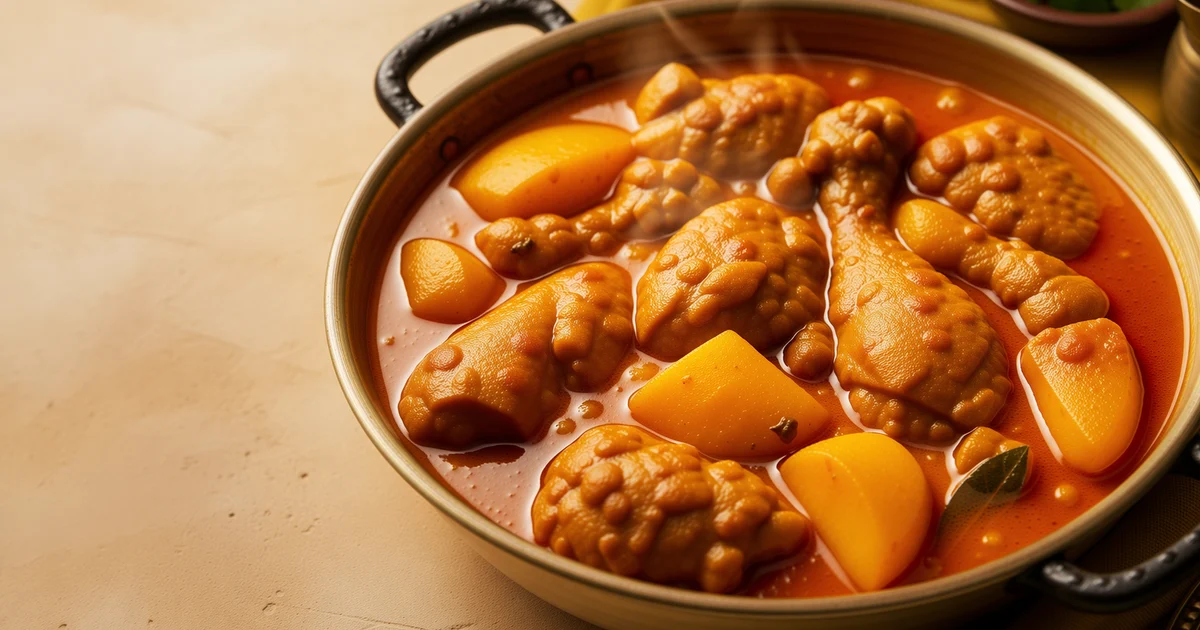
A 40-plate Bangladeshi chicken curry recipe built around reusable base masala, controlled portions and tender chicken for restaurant or food cart service.
- Yield:
- about 40 plates
- Total:
- 2 hr 35 min
- Difficulty:
- Medium
Commercial Chicken Jhal Fry Recipe
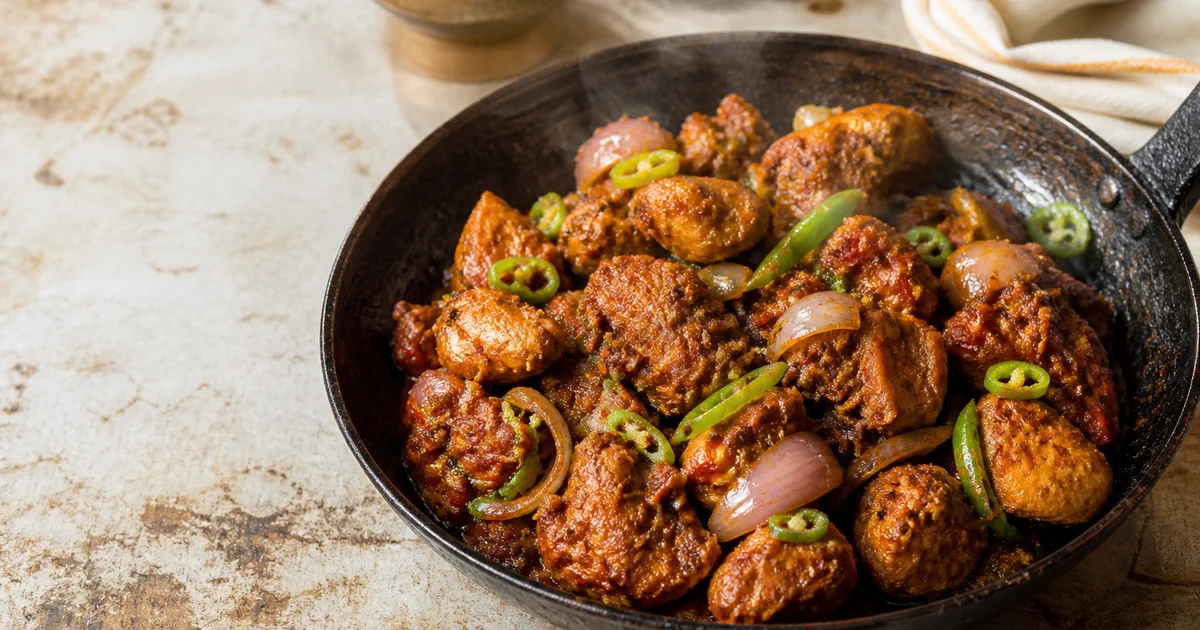
A commercial chicken jhal fry recipe for about 40 plates, using a fully cooked chicken base and a fast, spicy high-heat finish for each order.
- Yield:
- about 40 plates
- Total:
- 1 hr 15 min
- Difficulty:
- Medium
Creamy Chicken Pasta
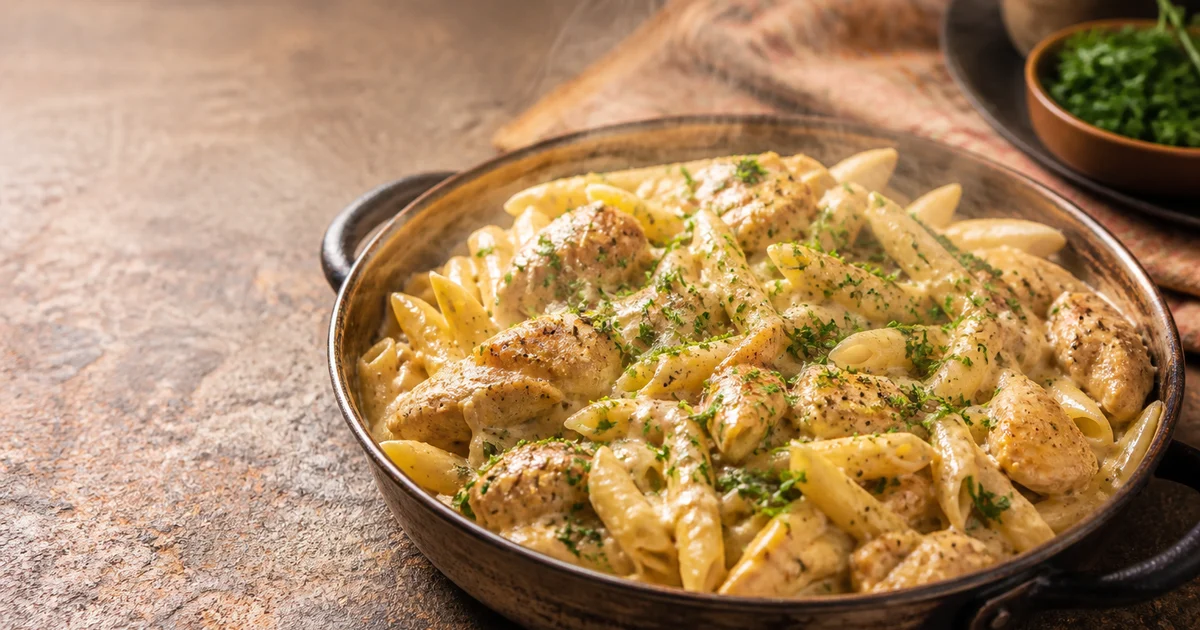
A commercial chicken pasta recipe for 40 plates, built around par-cooked pasta, bulk creamy sauce and fast per-order finishing during service.
- Yield:
- about 40 plates
- Total:
- 1 hr 35 min
- Difficulty:
- Medium
Run your restaurant on Rosuii
POS, menu, inventory, payroll and more — built for Bangladeshi restaurants.
Start free