
Restaurant Recipes
Commercial Beef Nihari Recipe
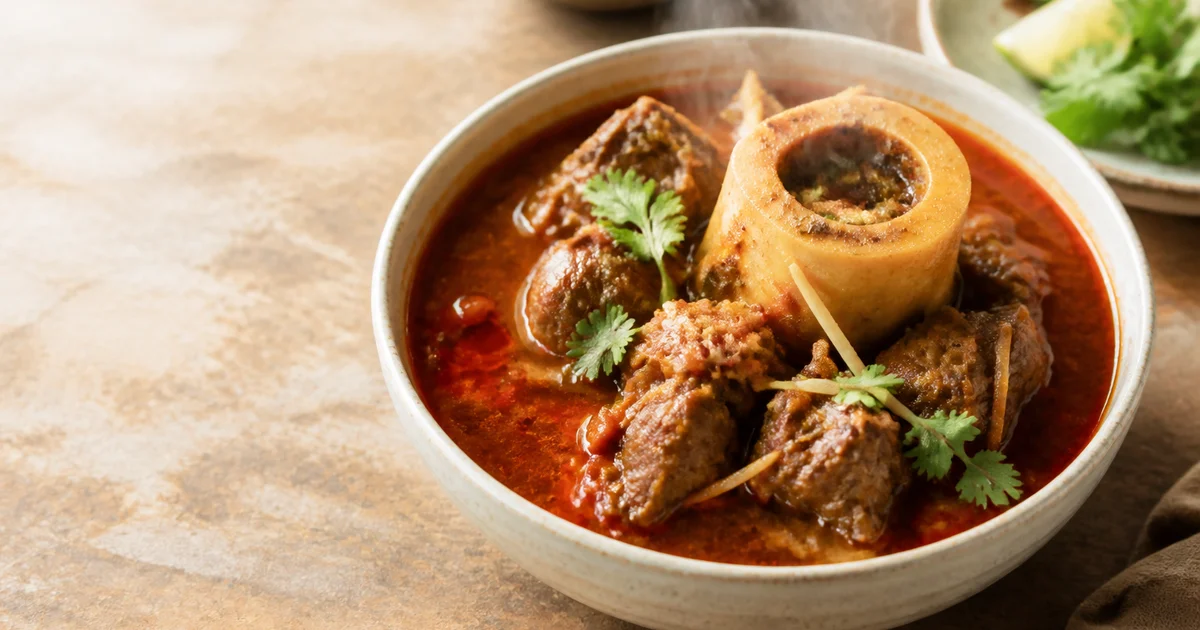
A commercial beef nihari recipe for about 40 plates, built around bone-in shank, overnight cooking, controlled flour thickening and early-morning service.
- Prep
- 45 min
- Cook
- 9 hr
- Total
- 9 hr 45 min
- Yield
- about 40 plates
- Difficulty
- Medium
- Cuisine
- Bangladeshi
Method
- 1
Inspect and prepare shank
Keep the beef at 5°C or below while inspecting the delivery and trimming only dirty edges or excessive hard fat. Confirm that the pieces are 5 to 7 cm thick and contain a reasonable amount of meat around each bone. Return the prepared beef to refrigeration until the cooking base is ready.
- 2
Brown the sliced onions
Heat the oil to about 165 to 175°C in a heavy pan or stockpot. Fry the onions for 15 to 20 minutes, stirring frequently, until evenly deep golden rather than dark brown. Reduce the heat when the edges begin colouring faster than the centres.
- 3
Fry aromatics and spices
Add the garlic and ginger pastes and cook at medium heat for 3 to 4 minutes until their raw smell fades. Add the chilli, turmeric, coriander, cumin, fennel, black pepper and 140 g salt, then fry for 60 to 90 seconds. The spices should foam and smell fragrant but must not blacken.
- 4
Brown beef in batches
Add the shank in manageable batches so the pan stays above approximately 150°C instead of filling with released water. Turn the pieces for 15 to 20 minutes until several surfaces are browned. Transfer each batch to the stockpot and scrape in the cooked onion-spice base.
- 5
Boil and skim stock
Add 12 L hot water and bring the pot to 98 to 100°C, which may take 25 to 40 minutes depending on the burner and vessel. Boil for 10 minutes and skim off grey foam and loose impurities. The stock should look brown-red and smell clean rather than raw.
- 6
Cook shank overnight
Cover partially and reduce the liquid to a gentle 88 to 94°C simmer for 7 to 9 hours. Check the temperature during the night and stir carefully every 60 to 90 minutes, making sure nothing is catching on the bottom. The shank is ready when a fork enters easily and connective tissue looks translucent, but the meat has not completely disintegrated.
- 7
Remove bones and fat
Lift out loose bones and any pieces that have separated, keeping the pot above 63°C. Skim excessive free fat while retaining a light red oil sheen for flavour and appearance. Return usable meat to the gravy and handle it gently to preserve portion-sized pieces.
- 8
Prepare smooth flour slurry
Whisk the atta into 2 L cool water until no dry pockets remain, then strain if visible lumps persist. Temper it with about 1 L hot gravy, whisking continuously. The mixture should pour as a smooth cream without flour clumps.
- 9
Thicken and finish gravy
Keep the pot at 90 to 95°C and add the tempered slurry gradually over 5 to 8 minutes while stirring from the bottom. Simmer for 25 to 35 minutes until the raw flour smell disappears and the gravy coats the back of a spoon. Add garam masala, adjust with the reserved salt and stop while the gravy is slightly looser than final serving consistency.
- 10
Standardise and hold service
Check the final batch weight and adjust only with measured boiling water or hot unsalted stock if it is below the target consistency. Hold at 63 to 70°C and stir every 15 to 20 minutes. Portion about 130 g meat with 220 g gravy, then finish each plate with ginger, coriander and a lemon wedge.
Notes for your kitchen
This commercial nihari recipe produces about 40 controlled breakfast portions from one overnight batch. It is designed for a Bangladeshi restaurant, hotel breakfast counter or food cart that starts service early and needs tender beef, stable gravy and quick plating. The batch should finish at roughly 14 kg after loose bones and excess surface fat are removed.
Why nihari suits an early-morning counter
Nihari works as a breakfast counter item because most cooking happens before service and the finished dish holds well under controlled heat. Start the batch around 8:00 to 9:00 pm, maintain a supervised low simmer overnight and complete thickening around 5:00 to 6:00 am. The counter can then serve immediately without waiting for individual orders to cook.
The rich aroma also supports visible counter service, especially when portions are finished with ginger, coriander and lemon in front of the customer. Keep bread, garnish and nihari at separate stations so one operator can portion the stew while another handles naan, paratha or khamiri roti. Do not leave a gas burner unattended overnight. Use trained night staff or temperature-controlled commercial equipment approved for continuous operation.
Selecting beef shank and spices
Bone-in beef shank, locally sold as nola or shank, is the cut that gives nihari its body and characteristic beef flavour. Order cross-cut pieces about 5 to 7 cm thick, with a practical balance of meat, connective tissue and marrow bone. Very lean boneless beef becomes dry during the long cook, while a sack containing too many bare bones gives poor sellable yield. Check supplier deliveries by weighing the total lot and recording the approximate proportion of meat-bearing pieces.
Fresh beef should be cold, clean-smelling and free from sticky surfaces. Keep it at 5°C or below until preparation. Ask for a consistent cut specification because mixed small and large pieces cook unevenly and make portioning difficult.
Spice freshness matters more than using an excessive number of spices. Fennel, cumin, coriander and black pepper should smell clear when opened, not dusty or stale. Kashmiri chilli is useful for colour without making the batch unnecessarily hot. Flour mainly controls texture, so use clean, dry atta with no musty smell or insect contamination. Ginger, coriander and lemon are service garnishes, and their freshness is immediately visible to customers.
How the overnight technique works
A successful overnight nihari stays at a gentle simmer long enough to dissolve collagen without breaking the meat into fibres. Browning the onion and beef first creates a deeper base than simply boiling everything together. The powdered spices need brief frying in oil, but they must not blacken. Burnt chilli or coriander will make the entire stockpot bitter and cannot be corrected later.
After water is added, bring the pot fully to the boil and remove grey foam before lowering the heat. During the long cook, keep the liquid around 88 to 94°C with only occasional bubbles. A hard rolling boil shakes meat from the bones, increases evaporation and leaves the base greasy. A pot that falls into a lukewarm range overnight creates a food-safety risk, so check and log the temperature during the shift.
The atta slurry is added only after the shank is tender. Whisking flour directly into hot gravy creates lumps, while adding a cold slurry too quickly can produce a raw, pasty layer on the bottom. Temper the slurry with hot stock, pour it in gradually and keep the gravy moving. The final simmer cooks out the raw flour taste and reveals the true thickness. Nihari continues to tighten during holding, so stop slightly looser than the desired serving consistency.
Scaling the batch without losing quality
Scale nihari by ingredient weight, but choose the vessel and cooking schedule according to the batch size. For a half batch, use a narrower pot so the beef remains covered without adding unnecessary water. For a double batch, split it between two stockpots unless the kitchen has a large steam kettle or tilting pan. A stockpot should not be filled beyond about 70 percent of its capacity because boiling, stirring and slurry addition need headspace.
Cooking time does not double when ingredients double. A larger batch takes longer to reach the boil, but shank tenderness still depends on the cut thickness and simmer temperature. Check several pieces from different areas of the pot. When scaling flour, begin with about 80 percent of the calculated slurry, simmer it fully and add the balance only if required. This prevents an oversized batch from becoming gluey.
Holding and reheating for breakfast service
Hold finished nihari at 63°C or above and keep its best selling window within four hours. Use a bain-marie, soup kettle or low stockpot burner with a verified thermometer. Stir from the bottom every 15 to 20 minutes because flour settles and can scorch. Gentle stirring also redistributes the beef, preventing the first customers from receiving too much meat and the last customers from receiving mostly gravy.
Keep a small amount of hot unsalted beef stock or boiled water available to correct gradual thickening. Add it in measured amounts rather than repeatedly topping up by eye. Never add cold water during active service because it drops the holding temperature and weakens flavour.
If nihari is cooked ahead rather than served directly, cool it rapidly in shallow food-grade pans. Reduce it from 60°C to 21°C within two hours and from 21°C to 5°C within a further four hours. Store covered at 5°C or below. Reheat only the quantity required, bringing the entire batch to at least 74°C before transferring it to hot holding. Do not mix yesterday's leftover nihari into a fresh pot.
Portioning and yield control
A controlled plate contains about 130 g cooked boneless meat and 220 g gravy before garnish. Remove loose bones after cooking, weigh the usable meat and separate unusually large pieces while they are still warm. Use one ladle for gravy and a perforated spoon or scale for beef. If bone-in pieces are sold as a premium variation, define a separate portion specification because bone weight is not edible yield.
The finished batch target is approximately 14 kg, allowing 40 plates of around 350 g. Record the actual finished weight and sellable meat yield every day. Variations usually come from the supplier's bone ratio, trimming, evaporation or uncontrolled staff portions. A written portion control standard protects both guest consistency and stock accuracy.
Mistakes that waste food and money
The most expensive nihari mistakes are buying bone-heavy shank, boiling too hard, over-thickening and serving without a measured portion. A cheap-looking beef lot may cost more per plate if much of its weight is bare bone. Hard boiling reduces gravy yield and breaks tender meat into fragments that become difficult to portion.
- Burnt spices: Discard and restart the spice base rather than carrying bitterness into the full batch.
- Flour lumps: Use cool water, whisk thoroughly and strain the slurry if necessary before it enters the pot.
- Raw flour flavour: Simmer after thickening for the full required time instead of rushing the pot to the counter.
- Excess oil: Remove only free surface fat. Removing every trace makes the gravy look weak, while leaving a thick oil layer reduces customer acceptance.
- Unlogged leftovers: Record unsold portions and the reason rather than repeatedly reheating them. This supports practical work on reducing wastage.
Keeping the batch cost stable
Stable nihari cost depends mainly on beef yield, measured portions and matching production to morning demand. Compare suppliers by usable cooked meat rather than only purchase weight. Track how many plates sell by hour so weekday, Friday and holiday batches can be planned separately.
Use a consistent finished-batch weight and review the dish through recipe costing whenever the shank specification, garnish or plate size changes. Rosuii can record the batch as a production that converts raw stock into finished nihari, while wastage and item-sales reports help compare planned yield with actual sales. Keep garnish portions controlled as well, since repeated heavy handfuls of ginger, coriander and lemon create avoidable daily variance.
What drives the cost
Bone-in beef shank dominates the cost, and its usable yield moves with the ratio of meat, connective tissue and bare bone in each delivery. Fresh garnish, cooking oil and spice quality add smaller changes, while uncontrolled meat portions and excessive evaporation raise the cost per plate.
Ingredient rates move with the market, so this describes what drives the cost rather than quoting a figure.
Questions from kitchens
Can this nihari recipe be doubled in one stockpot?
How long can finished nihari stay on the breakfast counter?
Can boneless beef replace bone-in shank?
What is the refrigerated shelf life of cooked nihari?
Why did the batch produce fewer than 40 plates?
Related recipes
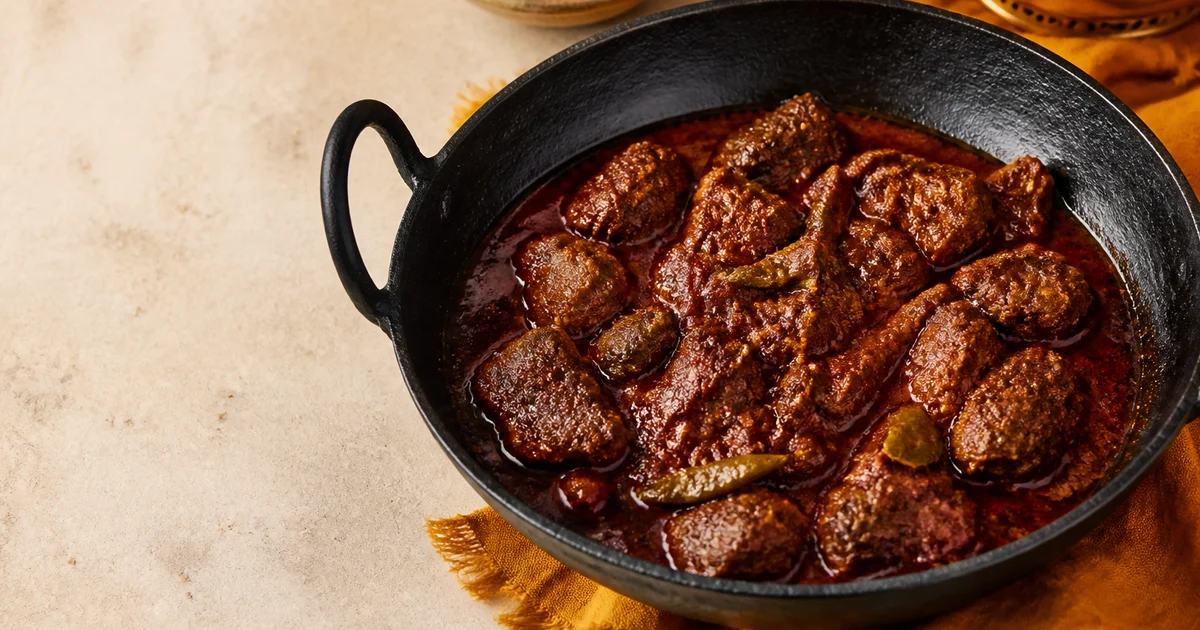
Commercial Beef Bhuna Recipe
A commercial beef bhuna recipe for about 40 plates, with a long bhuna stage, clear oil-separation cues, controlled portions and service-safe reheating.
- Yield:
- about 40 plates
- Total:
- 4 hr 15 min
- Difficulty:
- Medium
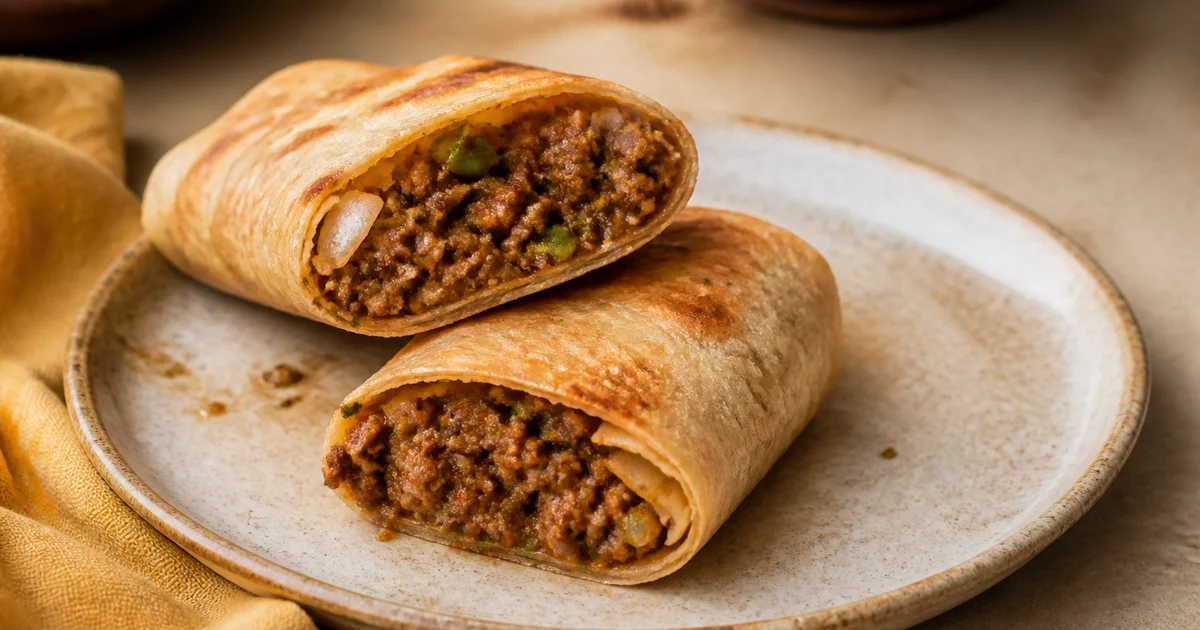
Commercial Bangladeshi Beef Roll Recipe
A commercial beef roll recipe producing 40 consistent rolls with tender cooked-down beef, crisp vegetables, controlled moisture and practical service guidance.
- Yield:
- 40 beef rolls
- Total:
- 1 hr 35 min
- Difficulty:
- Medium
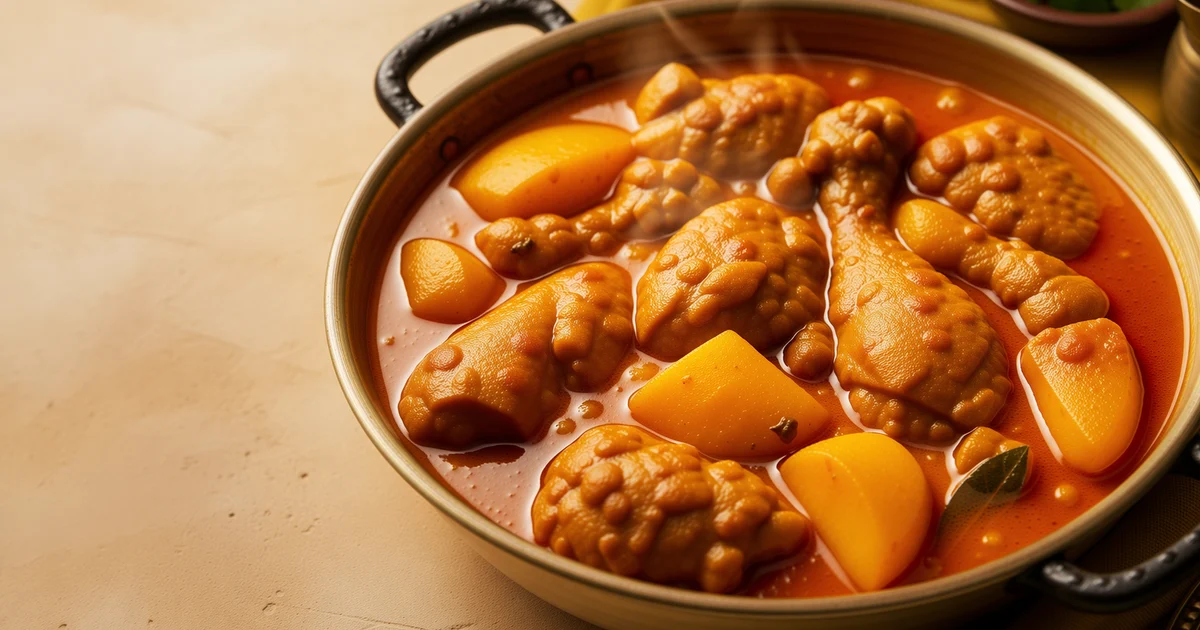
Everyday Chicken Curry
A 40-plate Bangladeshi chicken curry recipe built around reusable base masala, controlled portions and tender chicken for restaurant or food cart service.
- Yield:
- about 40 plates
- Total:
- 2 hr 35 min
- Difficulty:
- Medium
Run your restaurant on Rosuii
POS, menu, inventory, payroll and more — built for Bangladeshi restaurants.
Start free