
Restaurant Recipes
Commercial Piyaju Recipe
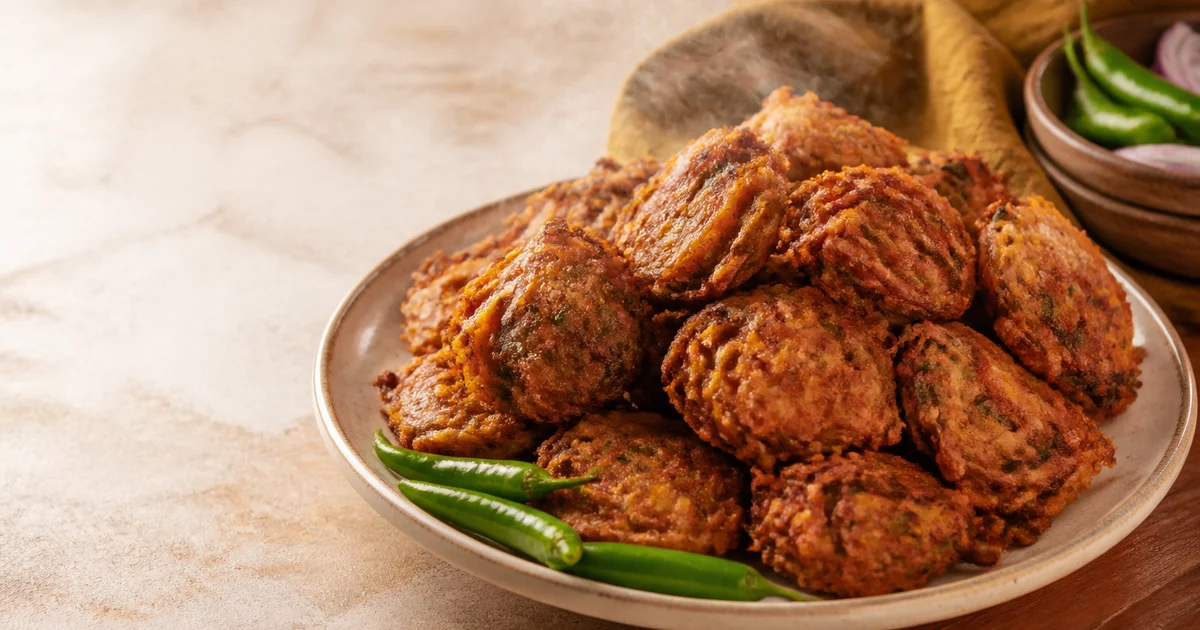
A commercial piyaju recipe yielding about 120 crisp masoor dal fritters, with controlled soaking, coarse grinding, frying, holding and portioning.
- Prep
- 4 hr
- Cook
- 1 hr 15 min
- Total
- 5 hr 15 min
- Yield
- about 120 pieces or 40 plates
- Difficulty
- Medium
- Cuisine
- Bangladeshi
Method
- 1
Inspect and rinse dal
Sort out stones, husk and damaged lentils, then rinse the dal three or four times for about 5 minutes. The final rinse water should be mostly clear, and the dal should have a clean smell without mustiness.
- 2
Soak until evenly softened
Cover the dal with 9 L cool water and soak for 3 to 4 hours at room temperature. In a kitchen above 30°C, check after 3 hours; a grain should split under finger pressure but should not turn mushy.
- 3
Drain the dal thoroughly
Transfer the soaked dal to a large colander and drain for 20 to 30 minutes. No stream of water should appear when the colander is tilted, although the grains should remain plump and moist.
- 4
Grind to coarse paste
Grind the dal in 500 to 700 g loads, pulsing each load for 60 to 90 seconds. Add only 50 to 100 ml water when needed for circulation, keeping the paste below 25°C and leaving visible lentil particles similar to coarse semolina.
- 5
Finish batter in batches
Fold in the onion, chilli, coriander, ginger, cumin, chilli flakes and rice flour without crushing the onion. Add salt only 10 to 15 minutes before frying; the batter should mound on a 65 g scoop and should not flow like pancake batter.
- 6
Heat and test oil
Heat 8 L oil to 172°C, allowing at least 15 minutes for a heavy fryer or kadai to stabilise. Fry one 65 g test piece for 4 to 5 minutes; it should hold a rough shape, become deep golden and reach at least 75°C in the centre.
- 7
Fry controlled fryer loads
Lower 8 to 10 portions into the oil without crowding and maintain 168°C to 175°C. Fry for 4 to 5 minutes, turning after about 2 minutes, until the bubbling slows and the edges are crisp and deep golden.
- 8
Drain without trapping steam
Lift the piyaju onto a wire rack and drain for 60 to 90 seconds at room temperature. Keep them in one layer; the surface should become dry and crisp rather than shiny with oil.
- 9
Hold for active service
Move the drained piyaju to a ventilated display maintained at 60°C or above and sell within 20 to 30 minutes for best quality. Do not cover or stack them, and replace the display with smaller fresh batches instead of mixing old and new pieces.
- 10
Reheat only when needed
Reheat cooled but safely stored piyaju in a 190°C convection oven for 4 to 6 minutes, or refry at 185°C for 45 to 60 seconds. The exterior should regain a dry crunch; reheat only once and serve immediately.
Notes for your kitchen
This commercial piyaju recipe produces about 120 crisp fritters, enough for 40 plates of three pieces each. It is designed for Bangladeshi food carts, restaurants and iftar counters using an 8-litre fryer or equivalent kadai. The finished piyaju should have a rough, crisp exterior, a moist lentil centre and visible pieces of onion, chilli and coriander.
Why piyaju works commercially
Piyaju works well as a commercial snack because the batter can be prepared in controlled batches and fried quickly against demand. The main ingredient is shelf-stable dry masoor dal, while the remaining ingredients are familiar and easy to source. It can be sold as a fixed plate, included in an iftar box or served beside muri, chola and beguni.
Profit depends on disciplined soaking, portion weight and oil management rather than complicated cooking. A fryer operator can cook 8 to 10 pieces at a time in an 8-litre fryer, giving a fresh batch approximately every five minutes. However, overloading the fryer or making portions by hand without weighing quickly destroys this advantage.
Ingredient selection and quality
Clean, evenly sized masoor dal and sound frying oil matter more than expensive spices in piyaju. Buy split red masoor dal with an even colour and no musty smell, insects or excessive powder. Very old dal hydrates slowly and may produce hard particles, while mixed-age stock gives inconsistent grinding results.
Use firm onions with relatively low surface moisture. Soft or watery onions release liquid after mixing with salt, loosening the batter and increasing oil absorption. Slice them 2 to 3 mm thick so they cook through without disappearing into the mixture. Fresh green chilli and coriander provide the recognisable aroma; wilted coriander contributes water but little flavour.
Fine rice flour improves surface crispness and display life, but too much makes the crust hard. Use neutral refined soybean oil or another commercial frying oil suitable for repeated high-temperature use. Filter it regularly and replace it when it becomes dark, foamy, sticky or strongly flavoured. Continually topping up damaged oil does not restore its frying quality.
Dal soaking and grinding
The correct soak softens the centre of each lentil without turning the dal waterlogged. Three to four hours is normally enough for split masoor dal in room-temperature water. In a hot kitchen, inspect it after three hours. A soaked piece should split easily when pressed between two fingers but should not collapse into paste.
Drain for at least 20 minutes because free water makes the grind unpredictable. A perforated tub or large colander works better than squeezing the dal, which damages the softened grains. Record the drained weight when testing a new supplier, as unusually high water uptake changes both yield and batter consistency.
Grind in small loads and pulse rather than running the machine continuously. The target is a coarse paste resembling damp semolina, with some small lentil pieces still visible. Completely smooth batter produces dense, smooth fritters instead of the rough edges associated with good piyaju. Keep the paste below 25°C during grinding; overheated batter becomes sticky and loses freshness.
Batter consistency and frying
Proper piyaju batter should mound on a scoop and fall slowly rather than pour. Add grinding water only when the machine cannot circulate the dal. Onion will release additional moisture after mixing, particularly once salt is added, so a slightly firm initial paste is safer than a loose one.
Mix the seasonings evenly without crushing the onion. Add salt close to frying time and divide a large production into smaller finishing batches. If a scoop of batter spreads flat as soon as it enters the oil, the mixture is too wet. A small measured addition of rice flour can correct minor looseness, but repeated correction changes yield and makes the crust hard.
Maintain the frying oil between 168°C and 175°C. Below this range, the fritters absorb oil and remain heavy; above it, the onion edges burn before the lentil centre cooks. The oil should bubble actively without violent foaming. A finished piece should be deep golden, feel light for its size and reach at least 75°C at the centre.
Scaling for iftar production
Scale piyaju by ingredient weight and production capacity, not by extending soaking or frying time. For a half batch, halve every ingredient and keep the same soak, drain and fry times. For a double batch, use two soaking tubs, grind in the same machine load size and add another fryer or extend the production window.
The onion is 50 percent of the dry dal weight, while rice flour is approximately 8 percent. These ratios give a practical starting point when scaling, but grinding water must remain adjustable because dal age and drainage affect absorption. Do not double the amount loaded into one grinder or fryer. Excess grinder load creates uneven paste, while excess fryer load drops the oil temperature and slows service.
For an iftar rush, soak and grind early, then keep the plain ground dal covered at 5°C or below. Mix onion, herbs, salt and rice flour into smaller lots about 20 to 30 minutes before each frying run. This prevents the entire batch from becoming watery while waiting. Avoid partial frying followed by long warm storage, as the centre may remain undercooked and the second fry can make the crust greasy.
Holding and reheating
Fresh piyaju keeps its best crispness for about 20 to 30 minutes on a dry, ventilated hot display. Drain each batch on a wire rack in a single layer instead of piling it in a bowl or placing it directly on paper. Paper traps steam beneath the fritters, while stacking softens the lower pieces.
Keep the product at 60°C or above under a heat lamp or in a ventilated warmer. Do not close it inside a humid cabinet or cover it with foil. Fry smaller batches more frequently and replenish the display from the back so the oldest safe product sells first.
If reheating is necessary, use a 190°C convection oven for 4 to 6 minutes or refry at 185°C for 45 to 60 seconds. Reheat only once and serve immediately. Piyaju left at room temperature for more than two hours, or held without reliable time and temperature control, should not return to service.
Portioning and yield control
A 65 g raw batter portion gives a practical commercial piyaju with predictable cooking and plate yield. This batch allows for approximately 120 pieces, with normal variation from batter left on equipment and differences in onion moisture. Use a portion scoop and verify its output on a digital scale at the start of every production run.
Sell by a fixed piece count, such as three pieces per plate, rather than by visual estimation. Record actual pieces produced, pieces sold and damaged or unsold pieces. The methods in this portion control guide help prevent oversized pieces from quietly reducing the number of saleable plates.
Do not compensate for poor yield by making the final pieces smaller. Check whether the first pieces were oversized, batter was spilled, too much remained in the grinder or onion released unexpected water. Consistent scoop weight also keeps frying time stable, which is important during peak service.
Mistakes that cost money
The most expensive piyaju mistakes are loose batter, uncontrolled portions, fryer overloading and excessive display time. These problems consume extra oil, reduce yield or turn saleable stock into waste.
- Over-soaking the dal: Waterlogged lentils make weak batter and encourage excess rice flour correction.
- Grinding completely smooth: Smooth paste produces dense fritters with less surface crunch.
- Adding salt too early: Salt pulls water from onion and loosens a waiting batch.
- Frying without a thermometer: Operators often compensate for low oil temperature by frying longer, increasing oil absorption.
- Leaving crumbs in the fryer: Burnt particles darken the oil and attach bitter flavours to later batches.
- Piling hot pieces: Trapped steam softens the crust before the product reaches the customer.
Keeping food cost stable
Stable piyaju cost comes from measured portions, controlled oil use and accurate batch records. Compare dry dal issued, batter produced, saleable pieces and wastage for every run. Use a structured recipe costing sheet and review the resulting food cost percentage when dal, onion or frying oil prices change.
Oil life moves with fryer temperature, crumb removal and how heavily the fryer is loaded. Filter warm oil after service, keep water away from the fryer and avoid mixing badly degraded oil with fresh stock. Onion season and dal supplier also affect moisture, usable yield and grinding water.
Rosuii can record the raw materials used in a production, turn them into a finished piyaju batch and separately log wastage for later sales and profit review. Whatever system is used, count actual finished pieces rather than assuming the theoretical yield was achieved.
What drives the cost
Masoor dal and frying oil dominate the batch cost, with onion becoming more significant when seasonal prices rise. Oil cost moves with absorption, filtration, crumb control and replacement frequency, while dal age and onion moisture affect the number of saleable pieces produced.
Ingredient rates move with the market, so this describes what drives the cost rather than quoting a figure.
Questions from kitchens
How should this piyaju recipe be doubled for an iftar rush?
How long can fried piyaju stay crisp on a display counter?
Can moong dal replace masoor dal?
How long can prepared piyaju batter be stored?
Why did the batch produce fewer than 120 pieces?
Related recipes
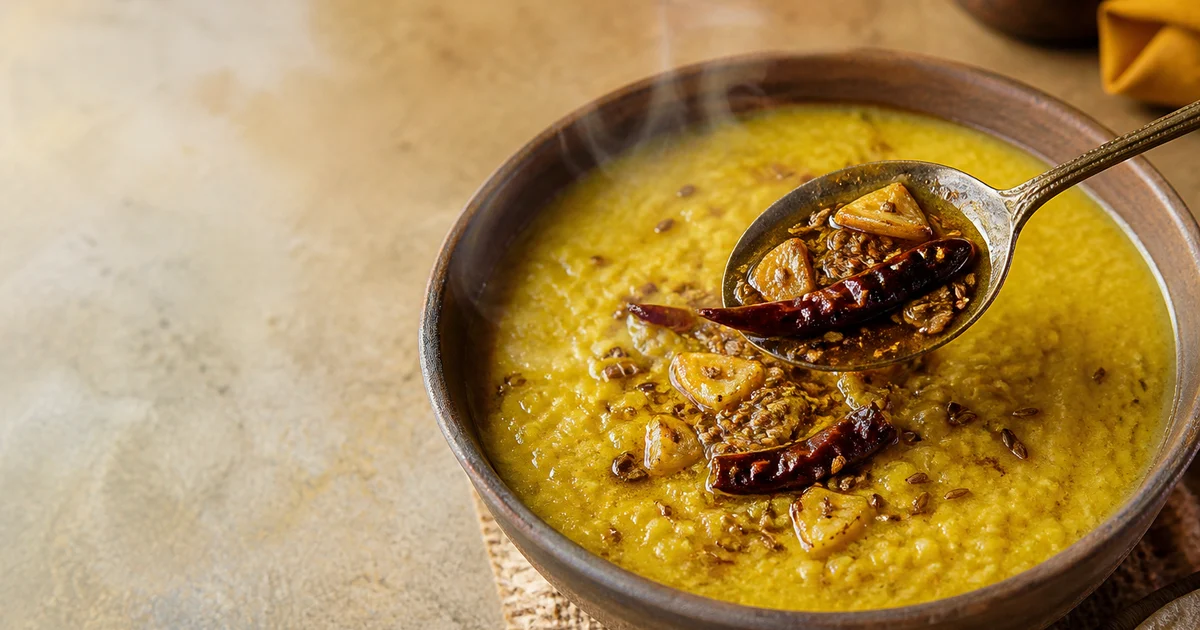
Restaurant Style Dal
A commercial restaurant style dal recipe yielding about 40 side portions, with separate tempering, scaling rules, hot holding and portion control.
- Yield:
- about 40 plates
- Total:
- 1 hr 15 min
- Difficulty:
- Medium
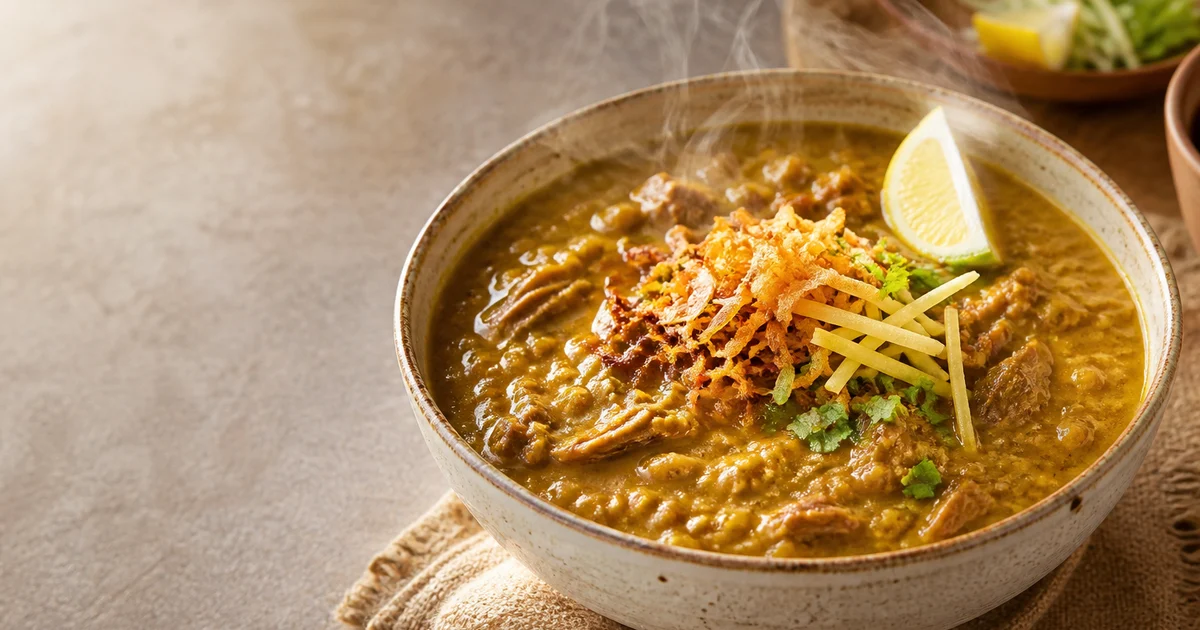
Commercial Beef Halim Recipe
A commercial beef halim recipe for about 40 plates, with controlled grain ratios, slow-cooked beef, service holding, garnishes and yield checks.
- Yield:
- about 40 plates at 350 g
- Total:
- 8 hr 30 min
- Difficulty:
- Hard
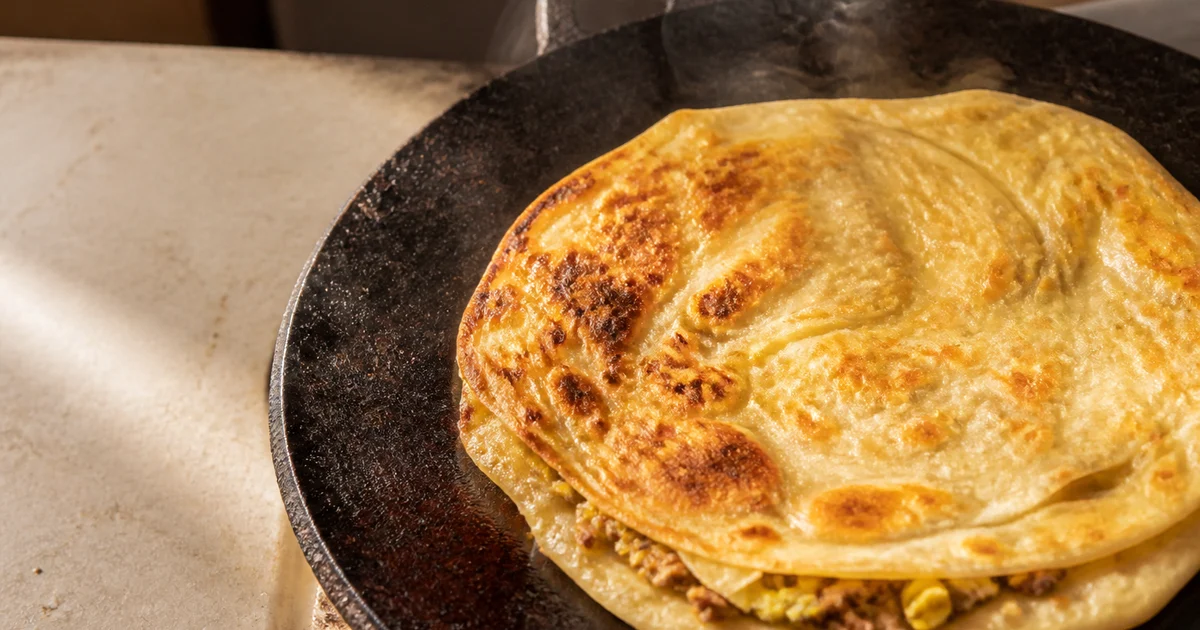
Commercial Mughlai Paratha Recipe
A 40-portion commercial Mughlai paratha recipe with thin stretched dough, dry beef keema, egg filling, fast folding and controlled shallow frying.
- Yield:
- about 40 plates
- Total:
- 3 hr
- Difficulty:
- Medium
Run your restaurant on Rosuii
POS, menu, inventory, payroll and more — built for Bangladeshi restaurants.
Start free