
Restaurant Recipes
Commercial Mughlai Paratha Recipe
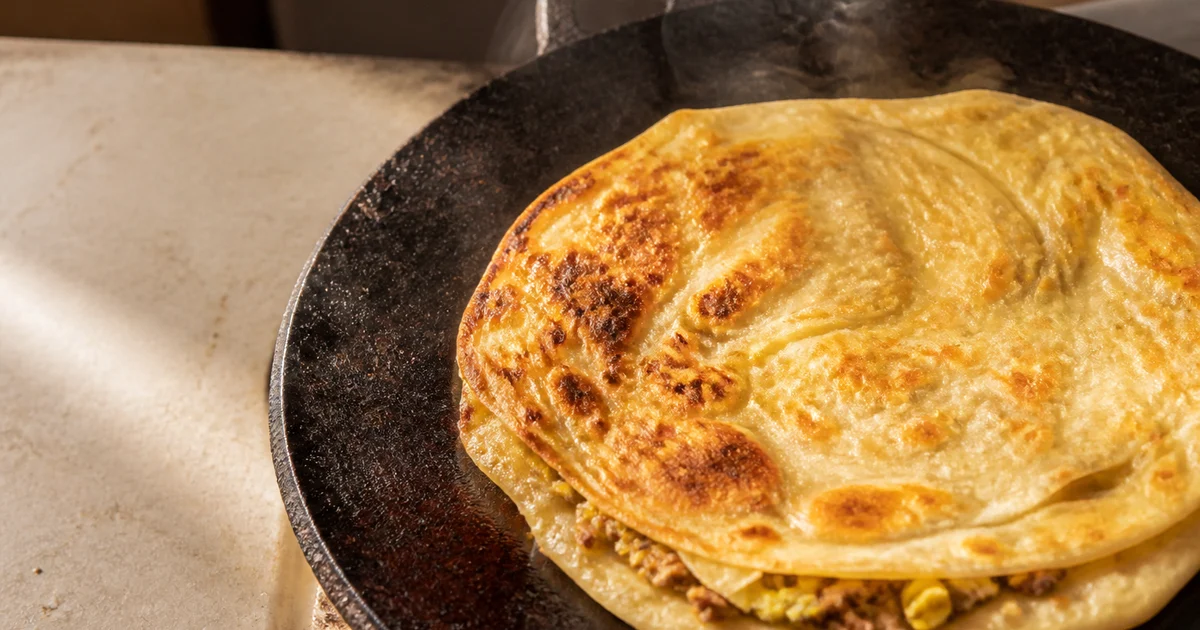
A 40-portion commercial Mughlai paratha recipe with thin stretched dough, dry beef keema, egg filling, fast folding and controlled shallow frying.
- Prep
- 1 hr 30 min
- Cook
- 1 hr 30 min
- Total
- 3 hr
- Yield
- about 40 plates
- Difficulty
- Medium
- Cuisine
- Bangladeshi
Method
- 1
Mix the soft dough
Combine maida, 70 g salt and sugar, then mix in 200 ml oil. Add 1.85 L water gradually and knead for 8 to 10 minutes, adding only enough extra water to produce a soft, smooth dough. The dough should stretch without cracking and should not leave wet paste on the bowl.
- 2
Rest and portion dough
Cover the dough and rest it at 25 to 30°C for 45 minutes. Divide into 40 equal balls of approximately 130 g, coat lightly with oil and rest covered for another 20 minutes. Properly relaxed balls will flatten without springing back.
- 3
Cook dry beef keema
Heat 150 ml oil in a wide pan at medium-high heat, add beef keema and cook for 6 to 8 minutes while breaking all lumps. Add ginger, garlic, cumin, black pepper, chilli powder, garam masala and 25 g salt, then cook for another 10 to 12 minutes until dry and crumbly. The meat must reach at least 75°C with no liquid collecting at the bottom.
- 4
Cool and portion keema
Spread the cooked keema in shallow trays no deeper than 5 cm. Cool from 60°C to 21°C within 2 hours and from 21°C to 5°C within a further 4 hours, using refrigeration or an ice bath. Weigh the cold cooked keema into 40 equal portions, targeting about 40 g each.
- 5
Prepare egg filling
Keep eggs, keema, onion, green chilli, coriander and breadcrumbs at 5°C or below until needed. For each order, combine one egg with one keema portion, about 30 g onion, 3 g green chilli, 5 g coriander, 10 g breadcrumbs and a small pinch from the remaining salt. Mix for 10 seconds only; the filling should be thick, evenly combined and not watery.
- 6
Stretch one dough ball
Lightly oil the work surface and flatten one rested ball from the centre outward. Stretch for 1 to 2 minutes into a thin sheet about 38 to 40 cm wide, keeping the centre slightly translucent and the edges free of thick ridges. Patch any pinhole by folding a nearby thin section over it rather than adding dry flour.
- 7
Fill and fold square
Place one freshly mixed filling portion in the centre and spread it into an 18 to 20 cm square. Fold two opposite sides over the filling, then fold the remaining sides with 3 to 4 cm overlaps. Work within 30 seconds so the egg does not soak through, and check that no filling reaches the seams.
- 8
Shallow fry seam-side
Heat a film of oil on the tawa to 175 to 185°C and place the parcel seam-side down. Fry for 2 1/2 to 3 minutes until golden and sealed, turn once, then cook for another 2 1/2 to 3 minutes; add small amounts of oil around dry edges as needed. The exterior should be blistered and crisp, and the centre must reach at least 74°C.
- 9
Drain and check quality
Lift the paratha onto a wire rack and drain for 1 minute without stacking. Check for an evenly golden square, sealed edges and no raw dough at the folds. Cut only the designated quality-control sample, since cutting every piece releases steam and softens the filling.
- 10
Run the service line
Hold cold components at 5°C or below and bring out only enough filling material for 15 to 20 minutes of sales. Keep the tawa between 175 and 185°C, removing burnt crumbs between rounds and allowing the surface to recover before adding more parcels. Serve within 5 minutes, or hold above 60°C for no longer than 2 hours.
Notes for your kitchen
This commercial mughlai paratha recipe produces 40 consistent portions for a Bangladeshi food cart, cafe or restaurant evening service. Each paratha has a thin, crisp wrapper around egg, beef keema, onion, green chilli and coriander. Most production failures come from weak dough development, wet keema, uncontrolled filling portions or incorrect tawa temperature.
Why Mughlai paratha suits commercial service
Mughlai paratha works commercially because the dough and keema can be prepared before the rush while final filling and frying remain visible and fast. A cook working with two large tawas can fry several parcels at once, while an assistant stretches, fills and folds the next order. The product also supports clear variations, such as regular egg, double egg, extra keema or reduced chilli, without changing the core production system.
The dish is best sold immediately after frying. Its crisp surface, soft egg centre and aromatic filling provide strong perceived value, but quality falls quickly if finished pieces are stacked or trapped under a closed lid. Plan production around expected 15-minute sales rather than frying the entire batch in advance.
Ingredient selection and quality
Flour strength, egg freshness and keema moisture matter more than expensive spices in this mughlai paratha recipe. Use clean commercial maida with moderate protein, preferably around 10.5 to 11.5 percent. Very soft flour tears during stretching, while strong bread flour can shrink and become chewy unless given a longer rest.
Use fresh eggs with intact shells and consistent size because one egg forms the liquid base of each standard portion. Small eggs reduce filling volume, while unusually large eggs can make the parcel leak. Beef keema should have moderate fat and a fine, even grind. Very fatty keema releases grease into the egg, while coarse pieces puncture thin dough.
Onions must be firm and finely chopped, not processed into a wet paste. Drain washed coriander properly and remove excess seed liquid from green chillies. Fine, dry breadcrumbs absorb minor moisture variation, but they should not be used to disguise watery keema or stale filling.
Dough stretching without tearing
A stretchable Mughlai paratha dough needs full hydration, moderate kneading and at least 45 minutes of covered rest. Add the final part of the water gradually because flour absorption changes between suppliers and seasons. The finished dough should feel softer than singara dough but should still release cleanly from the hand after kneading.
Resting allows gluten to relax, which is what lets a portion spread into a thin sheet without pulling back. Coat every dough ball lightly with oil and keep it covered so no dry skin forms. A skin creates hard edges that tear during stretching and remain unpleasant after frying.
Stretch on a clean, lightly oiled stainless-steel or stone surface rather than dusting heavily with flour. Press from the centre outward, then lift and pull the thicker edges carefully. The centre should become slightly translucent, with no thick ridge around the perimeter. If the dough keeps shrinking, cover it and rest it for another 10 to 15 minutes instead of forcing it.
Managing the egg and keema filling
The filling must be cold, portioned and thick enough to stay inside the folded dough. Cook keema until loose and dry, with no visible water at the bottom of the pan. Break up lumps continuously because large pieces make the parcel difficult to seal and distribute unevenly between customers.
Cool cooked keema in shallow trays rather than leaving it in a deep hot pot. Keep it at 5°C or below after cooling. During service, hold only a small working container at the counter and refill it from refrigeration.
For the most reliable control, prepare individual dry-filling cups containing one portion of keema, onion, chilli, coriander and breadcrumbs. Crack the egg into that cup only when the dough is nearly stretched. During a heavy rush, filling can be mixed in five-portion batches, but larger batches become watery as salt draws moisture from onion.
Folding and shallow frying
A secure Mughlai paratha fold needs a centred filling area and four overlapping flaps with no trapped air. Keep the filling in a compact square and leave a wide clear border. Fold the near side over the filling, then the opposite side, followed by the two ends. Each flap should overlap by 3 to 4 cm, creating a flat square parcel rather than a thick bundle.
Transfer the parcel seam-side down using both hands or a wide scraper. Frying the seam first sets the closure before steam builds inside. Maintain the cooking surface around 175 to 185°C. Below this range the dough absorbs oil and turns leathery; above it the outside burns before the egg reaches a safe temperature.
Use enough oil to maintain full contact without floating the paratha. Press only the thick corners with a flat spatula and never puncture the centre. A properly cooked piece is evenly golden, lightly blistered and reaches at least 74°C in the centre.
Scaling the batch safely
Scale every ingredient by the number of sellable portions, but adjust water and frying oil by observation. For 20 portions, halve the formula and keep the same dough-ball and filling weights. For 80 portions, double the ingredients but divide dough and filling into two production batches so resting, cooling and refrigeration remain manageable.
Do not double the amount placed in one keema pan unless the burner and pan surface can evaporate moisture at the same rate. An overloaded pan steams the meat and extends cooling time. Frying capacity should also scale with orders: add another tawa or fryer station instead of crowding parcels together and lowering the surface temperature.
Holding and reheating for service
Mughlai paratha is best served within five minutes of frying and should not be stacked while hot. Drain pieces on a wire rack for about one minute, then place them in a single layer. Paper alone traps oil underneath, while a covered container traps steam and softens the crust.
If short hot holding is unavoidable, keep the parathas above 60°C for no more than two hours, uncovered or loosely vented. Quality is noticeably better within 20 minutes. Reheat once on a lightly oiled tawa at 160 to 170°C for two to three minutes per side until the centre returns to 74°C. Microwave reheating makes the wrapper soft and should not be used for dine-in or takeaway orders.
Portioning and yield control
The batch yields 40 plates only when dough balls, keema and garnishes are weighed before service. Use the same scoop or digital scale for every portion. Random spooning causes early stock-outs, inconsistent parcel thickness and disputes between regular customers.
Record torn dough, leaking parcels, burnt pieces and unused egg filling as separate wastage reasons. A practical portion control system should compare the theoretical 40 portions with the number actually sold. Rosuii can record raw-material production into finished batches and log wastage, helping operators compare planned output with service results.
Common mistakes that cost money
The most expensive mistakes are wet filling, overfilled parcels, low frying temperature and uncontrolled advance preparation. Wet filling leaks into the oil, contaminates the tawa and forces the cook to remake the order. Overfilling does not always improve customer value because it creates thick centres that cook slowly and split during turning.
- Torn dough: Usually caused by insufficient rest, dry surfaces, coarse keema or aggressive pulling at one point.
- Rubbery wrapper: Usually caused by excessive bench flour, strong dough or prolonged low-temperature frying.
- Raw egg centre: Usually caused by excessive filling, a very hot surface or removing the parcel based only on exterior colour.
- Heavy oil absorption: Usually caused by cool oil, repeated pressing or leaving cooked pieces sitting in oil.
- Uneven yield: Usually caused by estimating dough and filling by eye instead of weighing production portions.
Keeping food cost stable
Stable cost depends on fixed egg and keema portions, measured oil usage and accurate waste records. Beef and eggs are the main variable-cost ingredients, while frying oil loss rises when parcels leak or the tawa runs too cool. Use a documented recipe costing sheet and review actual yield whenever supplier pack sizes or egg grades change.
Track oil issued to the station, oil recovered after filtering and oil discarded at closing. Compare food usage with sales rather than cutting filling without measurement. Better folding, temperature control and reducing wastage usually protect margin more effectively than lowering ingredient quality.
What drives the cost
Beef keema and eggs dominate the ingredient cost, with changes driven by meat quality, egg size and supplier rates. Frying oil becomes a major hidden cost when parcels leak, the tawa temperature is too low or used oil is not measured and filtered consistently.
Ingredient rates move with the market, so this describes what drives the cost rather than quoting a figure.
Questions from kitchens
Can this Mughlai paratha recipe be doubled to 80 portions?
How long can prepared dough and keema be stored?
Can chicken keema replace beef keema?
How long can mixed egg filling stay at the counter?
Why does the batch produce fewer than 40 sellable parathas?
Related recipes
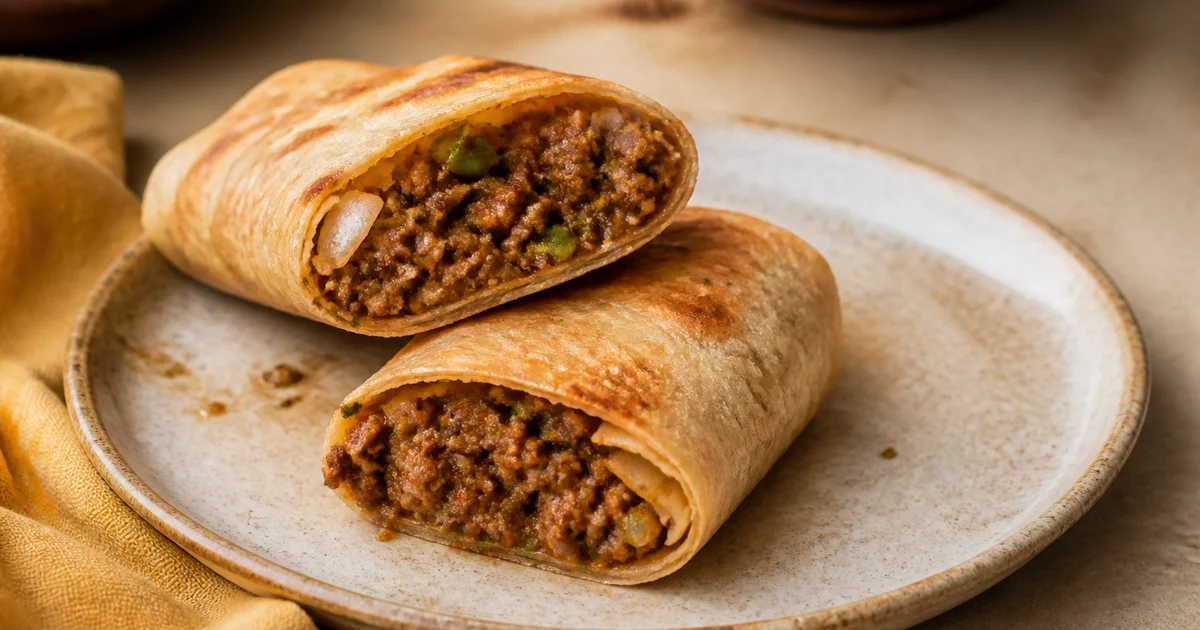
Commercial Bangladeshi Beef Roll Recipe
A commercial beef roll recipe producing 40 consistent rolls with tender cooked-down beef, crisp vegetables, controlled moisture and practical service guidance.
- Yield:
- 40 beef rolls
- Total:
- 1 hr 35 min
- Difficulty:
- Medium
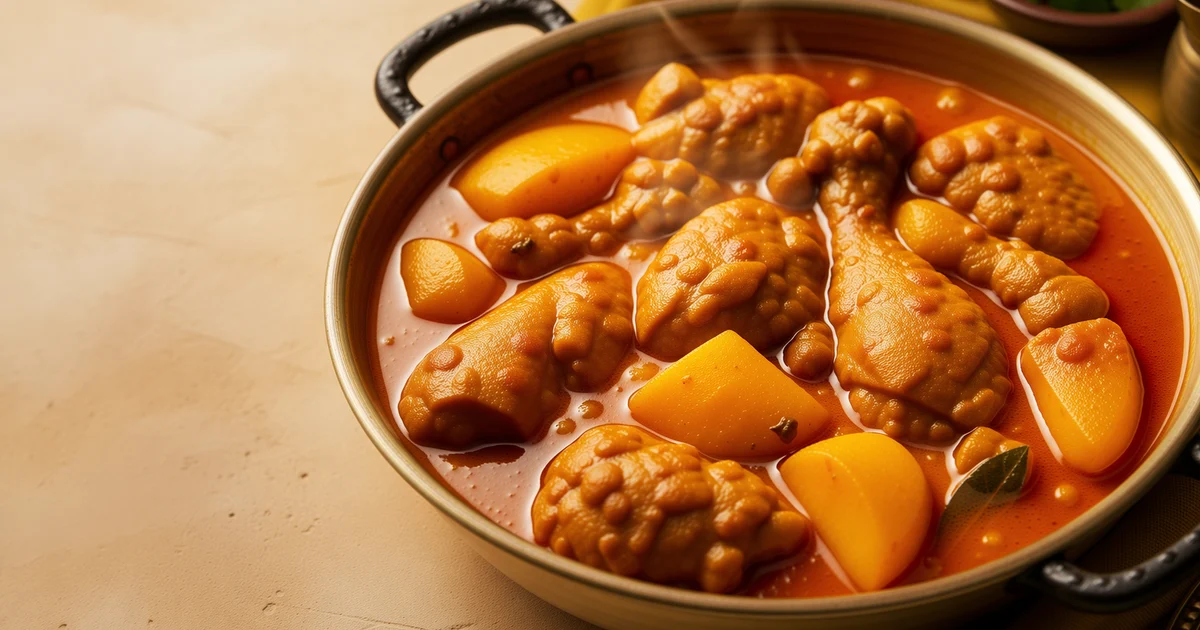
Everyday Chicken Curry
A 40-plate Bangladeshi chicken curry recipe built around reusable base masala, controlled portions and tender chicken for restaurant or food cart service.
- Yield:
- about 40 plates
- Total:
- 2 hr 35 min
- Difficulty:
- Medium
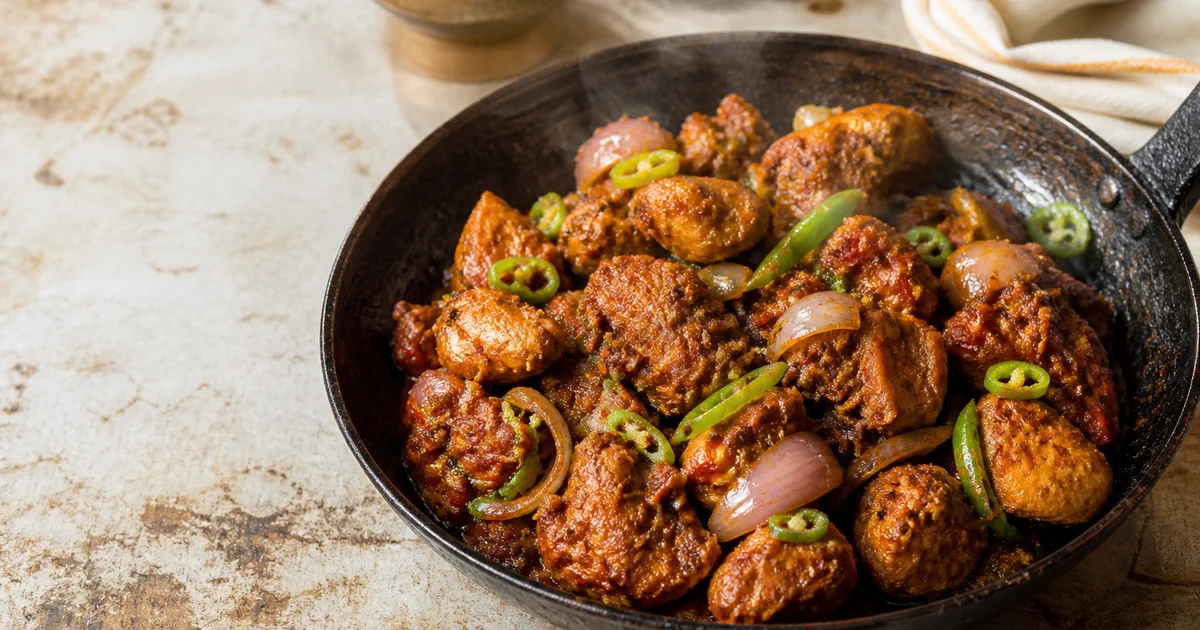
Commercial Chicken Jhal Fry Recipe
A commercial chicken jhal fry recipe for about 40 plates, using a fully cooked chicken base and a fast, spicy high-heat finish for each order.
- Yield:
- about 40 plates
- Total:
- 1 hr 15 min
- Difficulty:
- Medium
Run your restaurant on Rosuii
POS, menu, inventory, payroll and more — built for Bangladeshi restaurants.
Start free