Fine Dining Restaurant Software: Service Workflow Guide
Fine dining software should protect service timing and guest detail, not turn hospitality into counter service.
Last verified: 2026-08-28
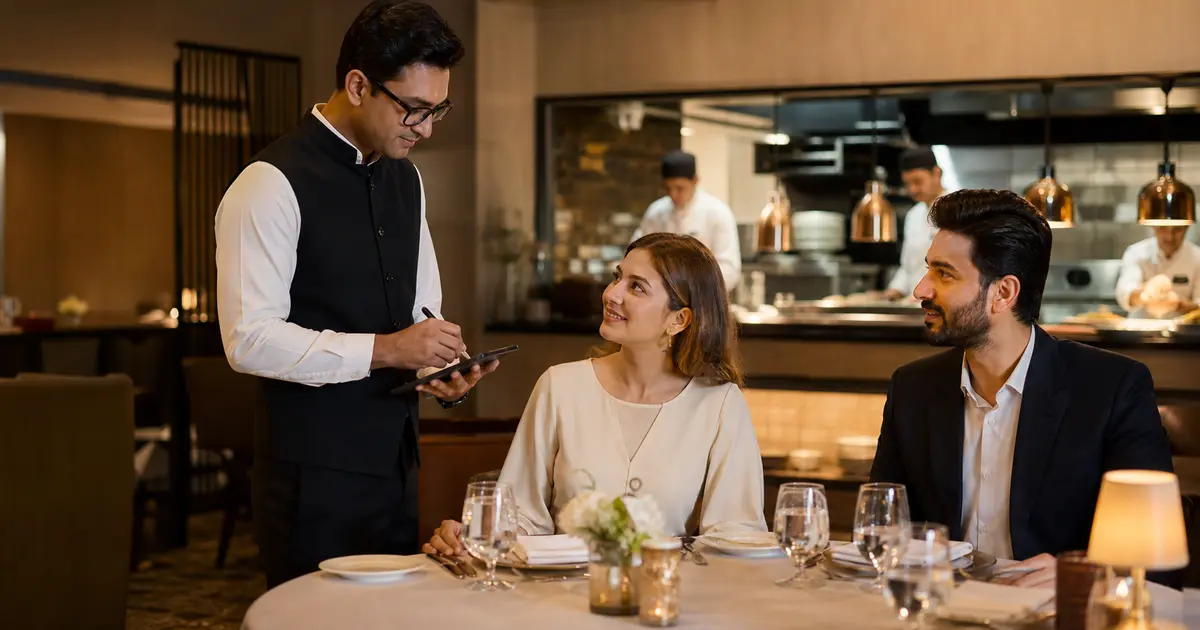
Fine dining restaurant software must support attentive table service without making the waiter fight the screen. Floor status, special requests, kitchen timing, guest history and payment should stay connected while the human service remains in front.
Many products advertise fine-dining features that are actually basic POS functions. Test a full table journey from reservation to dessert and payment before choosing.
Start with the floor and reservation
The host needs a clear floor plan, table capacity, reservation time and guest notes. The waiter needs to know which table is open, seated or active without asking the cashier.
Rosuii supports branches, floors, visual table status, capacity, reservations and table-linked orders. Each table can also have a QR code, though a fine-dining venue can keep waiter-led ordering as the main experience.
Give waiters a practical ordering screen
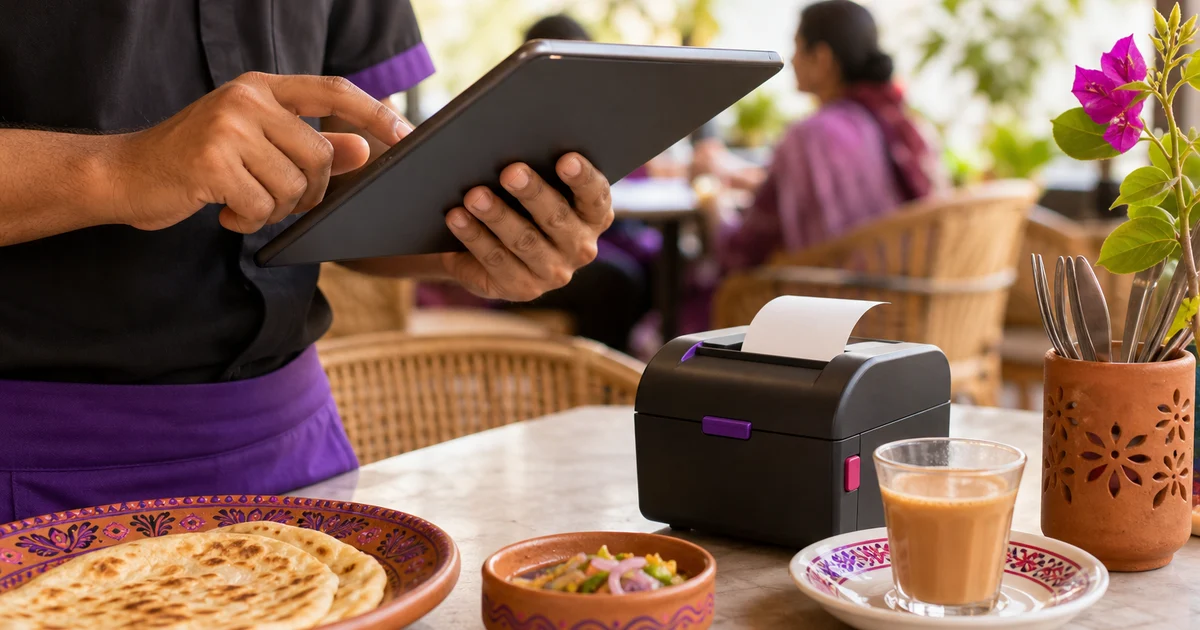
A handheld order should keep table, waiter, course-related notes, allergies and modifiers clear. Rosuii is a browser PWA that can run on a phone or tablet and supports waiter assignment, table assignment, variations, add-ons and per-line notes.
Rosuii does not provide seat-by-seat ordering or formal course-fire controls. Restaurants that pace tasting menus by course should test whether line notes and station workflow are enough.
Coordinate kitchen timing
Fine dining depends on coordinated firing, not only fast preparation. KOT and KDS should show the complete instruction and prevent the front and kitchen from using separate paper trails.
Rosuii KDS offers station filters, ticket age and New-to-Preparing status. It does not include dedicated coursing, hold-and-fire or sommelier workflow.
Remember the guest responsibly
Customer profiles, phone numbers, order history, loyalty and reservation notes can help staff recognize returning guests. Keep access permission-based and collect only useful information.
Rosuii provides customer records, order history, points, coupons and reservation data. It does not currently send email or SMS campaigns; notifications are in-app only.
Payment and bill limitations
Confirm service charge, VAT, discounts, cash, digital payment and printed receipt with a realistic table. Rosuii supports cash, real bKash and Nagad, COD and receipt formats. Card is a simulation placeholder.
Rosuii does not implement split bills. If separate checks by guest or seat are a regular need, treat this as a blocking gap rather than a future promise.
Fine-dining software demo
Reserve a table, seat the party, add a special request, enter a multi-item order, send it to kitchen, add dessert, apply service charge and close payment.
- Check table state after every action
- Read notes on the kitchen screen
- Change one item after submission
- Find the guest's previous order
- Print the final receipt
- Test a split-bill request
- Review staff and item-sales reports
Model the table and course journey
Fine-dining service needs more than a table number. Record reservation or walk-in, party, seating, server responsibility, dietary or accessibility notes supplied for the visit, course groups, hold/fire state, item changes, bill state and table release. Keep essential service notes visible to authorized roles without turning the system into an unrestricted guest dossier.
Define who may move a party, transfer a table, change a course or reopen a bill. Each sensitive action should preserve the original state, reason and user.
Course and kitchen coordination matrix
A print event is not proof that food was prepared or served. Keep event meanings explicit and test duplicate taps, device reconnection and table transfer.
| Event | Front-of-house action | Kitchen evidence |
|---|---|---|
| Order taken | Confirm item and modifiers | Readable course/station ticket |
| Course held | Record hold explicitly | Not treated as fired |
| Course fired | Send once with table context | Occurrence and receipt time |
| Item changed | Confirm guest request | Old/new instruction visible |
| Allergy note | Follow approved procedure | Acknowledgment/escalation |
| Course served | Update actual state | No automatic assumption from print |
| Void/return | Manager reason where required | Production and waste context |
Guest notes and privacy
Collect only information that supports a legitimate reservation, service or consented relationship. Distinguish a guest-stated preference from a verified allergy procedure and from staff inference. Restrict sensitive notes, set retention and provide a correction route.
Do not label customers with subjective or discriminatory descriptions. Record factual service recovery and authorized follow-up, and keep marketing consent separate from completing a reservation or payment.
Fine-dining bill controls
Test split by item, share, guest or payment method only when supported. The customer bill, payment record, server report and daily close must reconcile without deleting adjustments.
- Move or split items with attributable reason
- Keep discounts and complimentary items distinct
- Show service or other charges transparently
- Preserve original payment and refund references
- Prevent a closed bill from silent editing
- Handle deposits against the correct reservation/order
- Reconcile tips under the restaurant's policy
- Link voided production to waste review
Service-floor acceptance test
Run reservation seating, walk-in, table move, server transfer, multi-course firing, item correction, dietary escalation, split bill, mixed payment, refund and close. Include a network interruption and a busy-floor simultaneous edit. Verify what the kitchen and customer actually receive.
Evaluate tap count only alongside error prevention and recovery. A fast interface that loses course timing or sends duplicate instructions is not a service improvement. Record every workflow as native, configured, manual or unsupported.
During the pilot, sample complete table timelines rather than relying on average service duration. Check whether holds, fires, changes and handovers are attributable and whether staff create workarounds outside the system. Review privacy access to guest notes and remove test accounts after evaluation. Create a release checklist for menu version, station routing, table map, receipt, payment, recovery and staff support. Re-test the affected scenario after every material configuration or integration change.
The right fine dining restaurant software stays quiet while staff deliver excellent service. Table awareness, accurate notes and kitchen coordination matter more than a long generic feature list.
Test Rosuii with one full table journey and reject it if seat-level coursing or split billing is essential to your concept.
Related guides
- Restaurant Table Management System
- Restaurant Reservation Software
- Tablet POS for Restaurant
- Compare restaurant management software
See this workflow in Rosuii: See Rosuii table, reservation and kitchen features
Last updated:
Frequently asked questions
What should fine dining restaurant software include?
Can waiters use Rosuii on a tablet?
Does Rosuii support course firing?
Can Rosuii split a table bill?
Does Rosuii support reservations?
What is different about fine-dining POS software?
Should a kitchen print mean a course was served?
Can restaurants keep guest preference notes?
What should a fine-dining software pilot measure?
Run your restaurant on Rosuii
POS, menu, inventory, payroll and more — built for Bangladeshi restaurants.
Start free