Start a Small Bhaat Hotel in Bangladesh: Menu and Daily Accounts
Plan a small rice-meal restaurant with a short menu, portion controls, purchasing records and daily accounts. Treat startup budgets as examples.
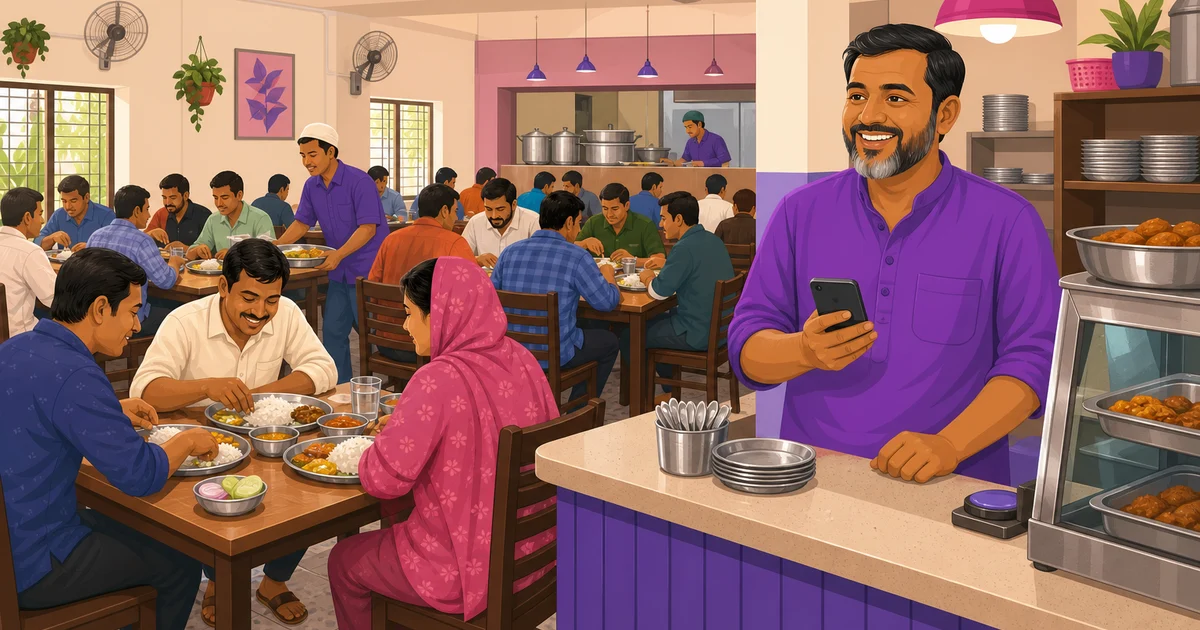
A small bhaat hotel serves familiar rice meals within a predictable lunch or dinner window. Start with a menu the kitchen can prepare consistently, portions staff can measure and daily records that separate sales from cash collected. The examples below show a planning method; your rent, wages, demand and supplier quotes determine the actual budget.
Read the numbers as planning assumptions
Any budget ranges retained below are illustrative planning allowances, not September 2026 supplier quotes, a national market survey or guaranteed profit. Location, lease terms, equipment condition and menu change the result. Replace each allowance with a dated written quote before committing. A cash reserve is a chosen planning scenario, not a legal minimum. Software billing does not determine your legal tax or licence obligations.
Choose the operation before the décor
| Model | Check demand | Main operating question |
|---|---|---|
| Lunch meals | Nearby offices, workers and residents | Can portions and service stay consistent? |
| Tea and snacks | Footfall at the planned opening hours | Can fresh batches match the rush? |
| Delivery kitchen | Delivery reach and order-channel terms | Does the packing and dispatch cost fit? |
| Family dining | Evening/weekend demand and access | Can staff and kitchen handle a mixed table? |
Is a Small Food Hotel the Right Business for You?
A food hotel serves a different customer from a café or premium restaurant. Your regular guests may include office employees, shop workers, drivers, students, market traders and nearby residents. They usually care about four things: fresh food, familiar taste, quick service and a predictable bill.
This model can generate cash every day, but it is hands-on. The owner often buys ingredients in the morning, watches portions during service, handles suppliers and closes the cash counter at night. If you cannot monitor the operation yourself, you need a trusted manager and tighter controls.
Before committing, compare this model with other restaurant business ideas in Bangladesh. A bhaat hotel suits locations with strong lunch demand and customers who eat outside regularly.
Choosing a Location for a খাবার হোটেল ব্যবসা
A small, visible shop in the right place is usually better than a large shop hidden inside a lane. Look near offices, wholesale and retail markets, factories, hospitals, bus stands, transport counters, colleges or dense residential areas with working tenants.
Check the location at meal times
Do not inspect a shop only in the evening. Visit between 12:00 pm and 2:30 pm on several working days. Count pedestrians, note nearby competitors and observe what customers are buying. A busy road is not automatically useful if people cannot stop, park or cross safely.
- Visibility: Customers should be able to see the signboard and food display easily.
- Water and drainage: Reliable water, a washable preparation area and proper wastewater disposal are essential.
- Ventilation: Confirm that cooking heat and smoke can be managed safely without disturbing neighbours.
- Delivery access: Suppliers need a practical place to unload rice, vegetables, fish, meat and gas cylinders.
- Rent pressure: A premium corner is not worthwhile if rent consumes the profit from your expected sales.
Ask the landlord whether restaurant cooking is permitted in the building. Check electrical load, gas arrangements, fire safety, waste disposal and any restrictions before paying an advance or non-refundable salami.
Build a Short Daily Menu
A new hotel does not need 30 dishes. More items require more ingredients, more preparation and more leftover stock. Start with a dependable meal structure and rotate the expensive proteins.
- Plain rice, dal and one seasonal vegetable
- One bhorta or simple side dish
- One small fish option, based on local price and availability
- Chicken curry on selected days or in controlled batches
- Beef or mutton only when local demand supports the higher price
- Egg curry as an affordable protein option
- Bottled water, soft drinks or tea where practical
Write down the serving size for rice, dal, curry and each protein piece. Use the same ladle, bowl or serving spoon every time. Portion consistency protects food cost and prevents customers from arguing that one plate is smaller than another.
Price each item after estimating ingredient cost, cooking fuel, wastage and labour. Do not copy the hotel next door without knowing whether its rent, portion size or supplier price is different. Review a practical restaurant opening cost guide for Bangladesh before finalising your budget.
Realistic Startup Cost for a 10 to 20-Seat Hotel
Costs vary sharply between Dhaka, Chattogram, district towns and upazila markets. The following ranges are planning estimates, not fixed quotations.
- Shop advance and deposit: ৳30,000 to ৳120,000, excluding unusually high salami
- First month of rent: ৳12,000 to ৳35,000
- Painting, signboard and basic fit-out: ৳30,000 to ৳100,000
- Stoves, safe fuel setup and cooking equipment: ৳20,000 to ৳60,000
- Pots, pans, knives and preparation tools: ৳25,000 to ৳60,000
- Tables, benches and chairs: ৳25,000 to ৳60,000
- Sink, water storage, drainage and ventilation work: ৳15,000 to ৳50,000
- Plates, glasses, serving bowls and packaging: ৳10,000 to ৳25,000
- Documents and local approvals: ৳5,000 to ৳20,000, depending on authority and premises
- Opening ingredients and working cash: ৳55,000 to ৳135,000
A sensible starting estimate is roughly ৳2.2 lakh to ৳6.5 lakh. A costly location, major exhaust work, renovation or large advance can push the total higher. Keep a reserve for at least one month of wages, rent, utility bills and বাজার. Spending every taka before opening leaves no room for a slow first month.
Hiring Two or Three People
A compact hotel can begin with a cook, one kitchen helper and one counter or service person. The owner can cover purchasing, cash and customer service. In an especially small setup, the helper may wash dishes and serve outside the rush, but workload and hygiene must remain manageable.
- Cook: Controls taste, cooking sequence, batch size and kitchen cleanliness.
- Helper: Cleans and cuts ingredients, washes utensils and supports plating.
- Counter or server: Records orders, serves tables, receives payments and tracks baki.
Agree on salary, meals, duty hours, weekly leave and salary advances in writing. Even a one-page signed record is better than a verbal promise. Avoid giving one person complete control over buying, receiving stock and handling cash without any owner review.
A Practical Daily Routine
- Early morning: Check remaining stock and prepare a written বাজার list before buying anything.
- Receiving: Weigh or count fish, meat, rice and vegetables. Record the supplier, quantity and amount paid.
- Preparation: Cook core items first and prepare costly dishes in smaller batches.
- Before lunch: Confirm menu prices, opening cash, packaging stock and table cleanliness.
- Lunch rush: Record every sale when the order is placed, including takeaway and unpaid credit.
- Afternoon: Count remaining portions and decide whether a small second batch is justified.
- Closing: Match cash and digital receipts with recorded sales, note waste and list closing stock.
Cooking too much early in the day creates waste. Cooking too little loses sales. After two or three weeks of records, you should see patterns by weekday, weather, market day and salary period.
Keep Daily Hisab So Profit Is Visible
Cash in the drawer is not profit. Part of it must pay tomorrow's বাজার, wages, rent, fuel, utilities and supplier dues. Use a notebook, spreadsheet or POS, but keep the same categories every day.
For example, suppose daily sales are ৳20,000. Ingredient use is ৳9,000, allocated wages are ৳2,000, daily rent allocation is ৳800, fuel and utilities are ৳800, waste is ৳600 and other expenses are ৳500. The estimated operating balance is ৳6,300. This is not final net profit because owner salary, equipment replacement, tax and other monthly costs may still need to be deducted.
For better food-cost হিসাব, use opening stock plus purchases minus closing stock. Do not treat every morning purchase as fully consumed if rice, oil or spices remain at night. Our guide to restaurant daily accounting and হিসাব explains a repeatable closing method.
Record these numbers every night
- Total dine-in and takeaway sales
- Cash, bKash, Nagad and other payment totals
- Purchases paid today and supplier dues created
- Baki given, customer name, phone number and collection date
- Free meals, staff meals, owner withdrawals and discounts
- Discarded, spoiled or returned food
- Closing cash and major remaining stock
Why Small Food Hotels Lose Money
Unrecorded baki is a major problem. Regular customers may promise to pay later, but small amounts become a large missing balance. Set a credit limit, record the customer's phone number and stop new credit when old bills remain unpaid.
No portion control causes another quiet loss. An extra piece of fish, an oversized bowl of curry or uncontrolled takeaway rice changes food cost without changing the selling price.
Overproduction turns unsold curry into waste. Track portions prepared, sold and discarded. Reduce the next batch instead of hoping demand will appear.
Mixing business and family cash makes results impossible to understand. Record every owner withdrawal. Keep a separate cash box or account for the hotel.
Buying without checking quantity also hides leakage. Weigh key items when received and compare supplier prices regularly. Cheap ingredients are not always better if trimming loss or poor quality leads to complaints.
Use Digital Tools Without Overcomplicating the Shop
Recording each order gives you a cleaner daily sales total and can reduce disputes about unpaid bills. Prices are calculated by the system rather than remembered at the counter. The Free plan does not include an online ordering storefront, but that is often unnecessary for a new neighbourhood rice hotel.
A Simple Opening Plan
- Survey three possible locations during lunch hours.
- Prepare a startup budget and keep working capital untouched.
- Confirm landlord permission, trade licence requirements and safety needs.
- Test a short menu with measured portions and written prices.
- Hire a small team and define each person's responsibility.
- Run a soft opening for a few days before promoting widely.
- Close the হিসাব every night and adjust production from actual sales data.
The strongest small hotels are not always the fanciest. They serve dependable food, buy carefully and know yesterday's real numbers before starting today's বাজার.
Verify requirements for this exact premises
Before signing a lease or opening, take the address, business activity, entity details and planned use to the relevant authority or qualified adviser. Use the official city-corporation service pages and NBR records to confirm what applies. This startup guide does not determine eligibility, current fees or a complete legal checklist. Keep the dated written requirements and receipts with your opening file.
A practical first software test
Enter your daily menu, take a cash order and compare the printed bill with the item-sales report. Add online ordering only when your packing and delivery process is ready. Core Rosuii POS is available on Free within limits; online ordering and stock control start on Starter.
Editorial and product-source review: 2026-09-27
Continue with the right guide
- Choose a restaurant concept
- Build an opening budget
- Check the applicable licensing authority
- Set up the menu
- Understand counter billing
- Plan online orders
Sources and limits
Try your own order in a free POS account. KDS, online ordering and inventory start on Starter; plan limits apply.
Last updated:
Frequently asked questions
Are these guaranteed opening costs?
Does this guide establish every legal requirement?
Run your restaurant on Rosuii
POS, menu, inventory, payroll and more — built for Bangladeshi restaurants.
Start free