
Restaurant Recipes
Commercial Kacchi Biryani Recipe for 40 Plates
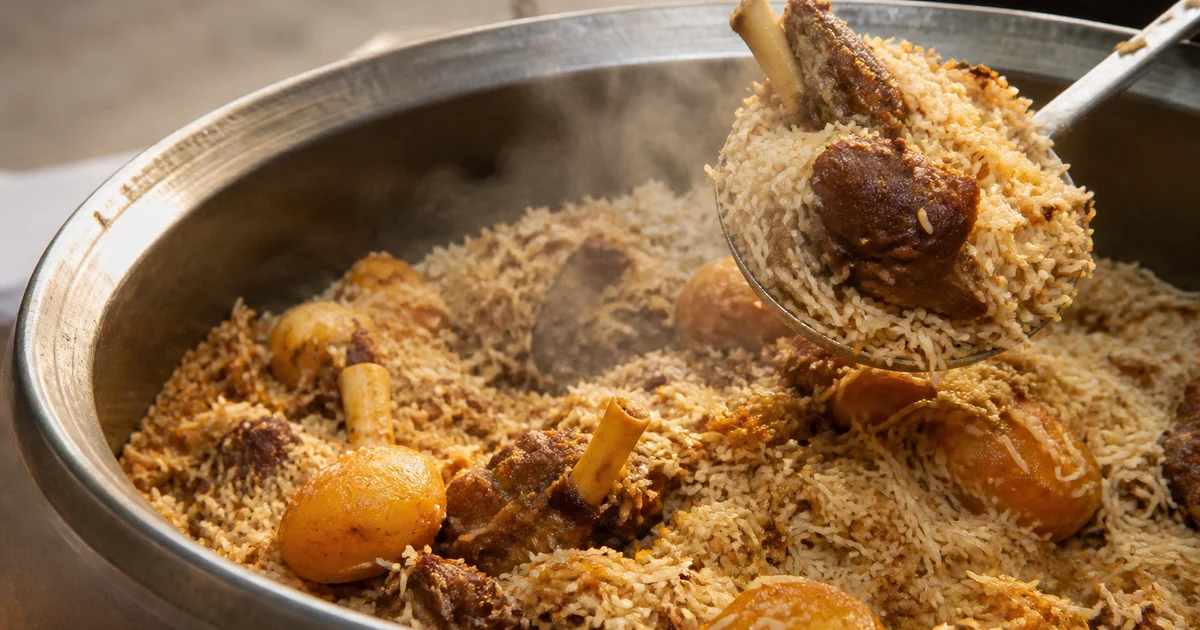
A commercial raw-mutton kacchi biryani batch for about 40 plates, with controlled marination, rice layering, dum cooking, holding and portioning.
- Prep
- 1 hr 30 min
- Cook
- 2 hr 15 min
- Total
- 3 hr 45 min
- Yield
- about 40 plates
- Difficulty
- Hard
- Cuisine
- Bangladeshi
Method
- 1
Portion and marinate mutton
Trim only excessive hard fat, divide the mutton into 40 equal service allocations and mix thoroughly with yogurt, ginger, garlic, papaya, masala, 120 g salt and mustard oil. Cover and refrigerate at 5°C or below for 6 to 8 hours. The marinade should cling to the pieces without a large pool of liquid.
- 2
Fry the onion
Heat soybean oil to 150 to 160°C and fry sliced onion in manageable batches for 8 to 12 minutes. Stir continuously near the end and remove at light golden brown, before it turns dark. Drain in a wide tray so steam escapes and the beresta becomes crisp.
- 3
Prepare the potatoes
Parboil the potato pieces in salted water for 8 to 10 minutes until the outside is tender but the centre remains firm. Drain completely, then fry at 170°C for 4 to 5 minutes until lightly golden. Hold uncovered until layering so the surface does not become wet.
- 4
Wash and soak rice
Wash the Chinigura rice gently until the water is mostly clear, avoiding pressure that breaks the grains. Soak for 20 minutes, then drain for 10 minutes. The drained grains should feel firm and separate.
- 5
Part-cook the rice
Bring at least 18 litres of water to a rolling boil with the whole garam masala and remaining salt. Add rice and boil for about 6 to 9 minutes, stirring gently only twice. Drain immediately when a grain bends but still shows a firm white core, about 65 to 70 percent cooked.
- 6
Build the meat layer
Spread the cold marinated mutton evenly across the base of the degh and add the alu bukhara. Arrange the fried potatoes over and between the meat without packing them tightly. Keep the total layer level so heat reaches all parts at the same rate.
- 7
Layer rice and aromatics
Spread the drained rice lightly over the meat without pressing it down. Distribute beresta and melted ghee across the layers, reserving some for the top, then sprinkle over the saffron milk and kewra water. The top should show patches of colour rather than being uniformly wet.
- 8
Seal and start dum
Fit the lid and seal the full rim with firm flour dough so no visible gaps remain. Cook over medium-high commercial burner heat for 12 to 15 minutes, until the seal puffs slightly and steam aroma becomes noticeable. If steam escapes from one point, patch it immediately with more dough.
- 9
Finish on low heat
Move the sealed degh onto a heavy tawa and cook over low heat for 75 to 90 minutes. Rotate the degh a quarter turn every 20 minutes if the burner has an uneven flame, but do not shake or open it. The batch is ready when the meat is tender, its thickest pieces exceed 75°C and the bottom marinade has reduced rather than remaining watery.
- 10
Rest and portion carefully
Turn off the heat and rest the sealed degh for 20 minutes before opening. Release heavy steam briefly, then loosen one side with a flat spoon instead of mixing the full batch. Hold above 60°C and portion each plate with its assigned mutton, one potato and 400 to 450 g total finished biryani.
Notes for your kitchen
This kacchi biryani recipe produces about 40 controlled restaurant portions from one commercial degh. It uses the Bangladeshi raw-marinated mutton method, partially cooked Chinigura rice, fried potato, beresta and a sealed dum. Marination takes 6 to 8 hours under refrigeration and is not included in the active preparation time.
Why kacchi works commercially
Kacchi biryani works for restaurants and food carts because one degh can supply a fast lunch service with very little last-minute cooking. The product has a clear portion structure: measured rice, one controlled mutton allocation, one potato and a limited amount of masala from the bottom. It can therefore be served quickly while keeping plate appearance consistent.
The main operational risk is that the entire batch is committed before service. Unlike curry, the seasoning, tenderness or rice texture cannot be corrected easily after dum. A successful kitchen uses fixed meat cuts, a tested degh size, weighed salt and a written burner schedule rather than judging everything by smell.
Ingredient quality and selection
Mutton cut consistency and rice quality matter more than adding extra perfume or spice. Buy bone-in goat mutton with a planned mixture of leg, shoulder and rib. Pieces should be similar in thickness and divided into 40 service allocations before marination; too many neck bones or small chopped pieces create customer complaints and uneven cooking.
Use aged Chinigura rice with a clean aroma and a low percentage of broken grains. A fresh or heavily broken lot releases more starch and becomes soft during holding. Test every new rice lot by boiling a small sample because the time required to reach the correct partial cook can change by several minutes.
Yogurt should be plain, moderately sour and not watery. Excess whey creates too much liquid at the bottom of the degh, while very acidic yogurt can make the meat surface pasty during a long marinade. Raw papaya paste must be weighed carefully. It tenderises mature mutton, but excess paste destroys the outer texture before the centre is cooked.
Good beresta contributes sweetness, colour and body. Fry uniformly thin onion in clean oil and remove it at light golden brown because it continues darkening while it drains. Real ghee and restrained kewra give a cleaner result than a large amount of synthetic biryani essence.
How the raw method works
The raw marinated meat must cook, release moisture and reduce into a korma-like coating before the rice becomes soft. This balance is the central technique of kacchi. A separate pre-cooked mutton korma stage would make it a pakki-style process, so the raw meat and its marinade remain at the bottom throughout dum.
Control the marinade
Cold marination gives flavour and tenderness without creating a food-safety risk. Keep the covered mutton at 5°C or below for 6 to 8 hours, and do not leave the loaded degh at room temperature while other preparation is completed. Mix the marinade thoroughly between the pieces instead of leaving yogurt and spice at the surface.
The marinade should cling to the meat without forming a pool. If the yogurt lot is unusually thin, drain it before weighing rather than compensating with extra rice. Do not increase raw papaya in an attempt to shorten dum time; heat penetration, not tenderiser alone, determines when thick bone-in pieces are ready.
Time potato and rice correctly
Potatoes must be partly cooked and coloured before layering, while rice must remain firm enough to finish in steam. Use equal potatoes so that every plate receives the same yield. Parboiling starts the centre, and brief frying strengthens the surface so the potatoes do not collapse when portions are lifted.
Judge rice by breaking a grain between the fingers. At roughly 65 to 70 percent cooked, the outside is flexible but a firm white core remains. Fully cooked rice will split during dum and turn into clumps during the lunch rush. Rice that is too raw absorbs the available moisture before the mutton becomes tender.
Build and seal the degh
Even layers and a complete flour seal create predictable steam movement. Spread the mutton in one level layer rather than piling it in the centre, arrange potatoes without blocking the entire surface, and distribute rice gently. Keep most fragrance and colour near the upper rice instead of soaking the meat layer with additional liquid.
Use a clean, heavy degh with a flat base and a well-fitting lid. Begin with enough burner heat to create steam, then move the degh onto a heavy tawa or heat diffuser for the low dum stage. A flour seal that stops releasing visible steam indicates that pressure and moisture are being retained. Avoid opening the lid to check progress because each inspection extends cooking and dries the upper rice.
Scaling without damaging the batch
Scale kacchi by preserving layer depth, not simply by filling one degh higher. Relative to mutton weight, this formula uses about 62.5 percent raw rice, 75 percent potato, 25 percent yogurt and 1.5 percent raw papaya paste. These ratios can guide purchasing, but salt and spice should be confirmed through a small cooked test whenever brands or raw materials change.
For about 20 plates, halve the ingredients and use a narrower degh so the meat still covers the base. The low dum period may fall to roughly 55 to 70 minutes, depending on cut size and burner strength. For 80 plates, run two identical deghs rather than doubling the depth in one vessel. Parallel deghs also reduce the financial loss if one batch is mishandled.
Holding and reheating for service
A finished degh should be held above 60°C and disturbed as little as possible. Rest it after dum, open it away from the face, and release the first heavy steam for about 2 minutes. Loosen only a small service section from the side with a flat biryani spoon; do not mix the entire degh from bottom to top.
Keep the covered degh over a tawa on the lowest controllable heat, checking the centre with a sanitised probe. Continuous direct flame hardens the bottom while trapped condensation makes the top wet. For a long rush, divide production into two smaller deghs and open the second later. Quality is best within about 2 hours of opening even when safe hot-holding temperature is maintained.
Cool unsold biryani rapidly in shallow food-grade trays rather than leaving it inside the heavy degh. Refrigerate at 5°C or below and use within 24 hours. Reheat only once, covered, with a small controlled amount of hot water or stock around the tray edge until the centre reaches at least 75°C; vigorous mixing will break the rice.
Portioning and yield control
One saleable plate should be defined by weight and by visible components. This batch supports about 40 plates of roughly 400 to 450 g, depending on bone weight and evaporation. Each regular plate should receive its assigned mutton portion, one potato and a consistent rice scoop, with bottom masala distributed across early and late orders.
Count meat and potatoes before loading the degh, record the cooked batch weight, and weigh the first several plates of every service. A wide scoop causes more variation than most cooks expect. Follow a written portion control standard and keep premium extra-meat variations separate from the regular plate.
Mistakes that cost money
The most expensive kacchi mistakes are irregular meat cuts, overcooked rice, excessive tenderiser and uncontrolled serving. Small meat pieces disappear into the rice while large pieces remain tough. Dark beresta introduces bitterness, a leaking seal lengthens cooking, and repeated lid opening loses the steam required to tenderise the mutton.
- Do not buy only by gross mutton weight: inspect bone ratio, trimming loss and piece count.
- Do not hold on direct high heat: scorched bottom rice becomes wastage even if the upper layer looks correct.
- Do not pour extra korma gravy into the degh: it changes the moisture balance and softens the rice.
- Do not serve the best pieces first: allocate meat before service so the final plates match the opening plates.
Keeping food cost stable
Stable kacchi cost comes from purchase specifications, batch records and controlled yields. Mutton normally dominates the batch cost, followed by rice, ghee and aromatic ingredients. Compare suppliers by usable meat, cut consistency and bone percentage rather than invoice weight alone, then review the actual serving yield through recipe costing.
Track onion frying loss, rice breakage, trimmed fat, returned plates and unsold portions. Rosuii can record raw materials through productions, inventory and wastage records, then compare item sales and profit-and-loss reporting without claiming automatic per-item recipe deduction. Review the resulting food cost percentage whenever mutton grade, portion size or supplier changes.
What drives the cost
Bone-in mutton dominates the cost, and its usable yield moves with grade, bone percentage, trimming loss and piece consistency. Rice, ghee, saffron and frying oil are the next important variables. Portion weight, oil reuse policy and unsold finished biryani have a direct effect on final batch cost.
Ingredient rates move with the market, so this describes what drives the cost rather than quoting a figure.
Questions from kitchens
Can this kacchi biryani recipe be doubled in one degh?
How long can a finished degh be held for lunch service?
Can basmati rice replace Chinigura rice?
What is the refrigerated shelf life of leftover kacchi?
How do we guarantee 40 complete plates?
Related recipes
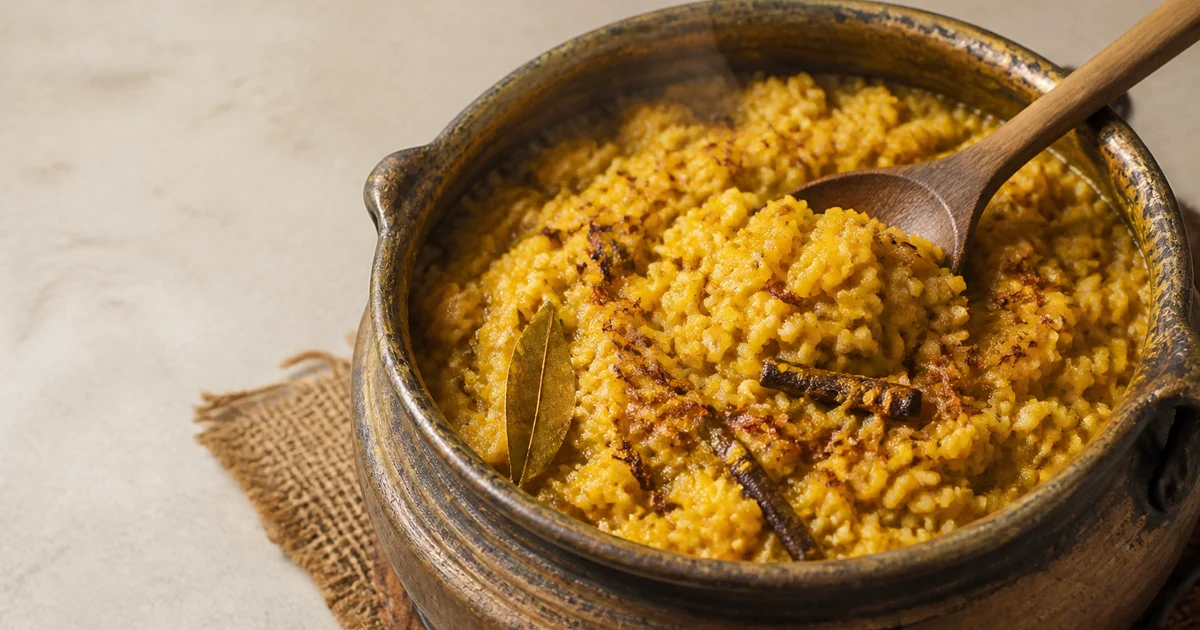
Commercial Bhuna Khichuri Recipe
A commercial bhuna khichuri recipe for about 40 plates, with a 2:1 rice-to-dal ratio, controlled moisture, service holding and yield guidance.
- Yield:
- about 40 plates
- Total:
- 1 hr 40 min
- Difficulty:
- Medium
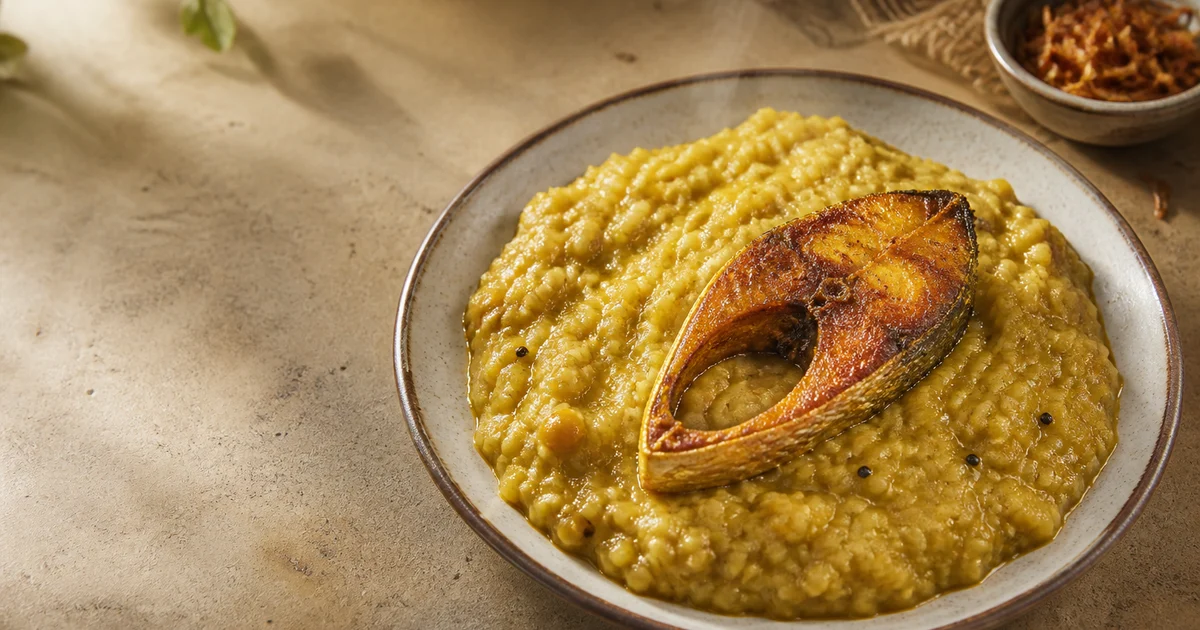
Commercial Ilish Khichuri Recipe
A commercial ilish khichuri recipe for about 40 plates, with controlled hilsa portions, batch cooking, service holding and seasonal cost guidance.
- Yield:
- about 40 plates
- Total:
- 1 hr 55 min
- Difficulty:
- Medium
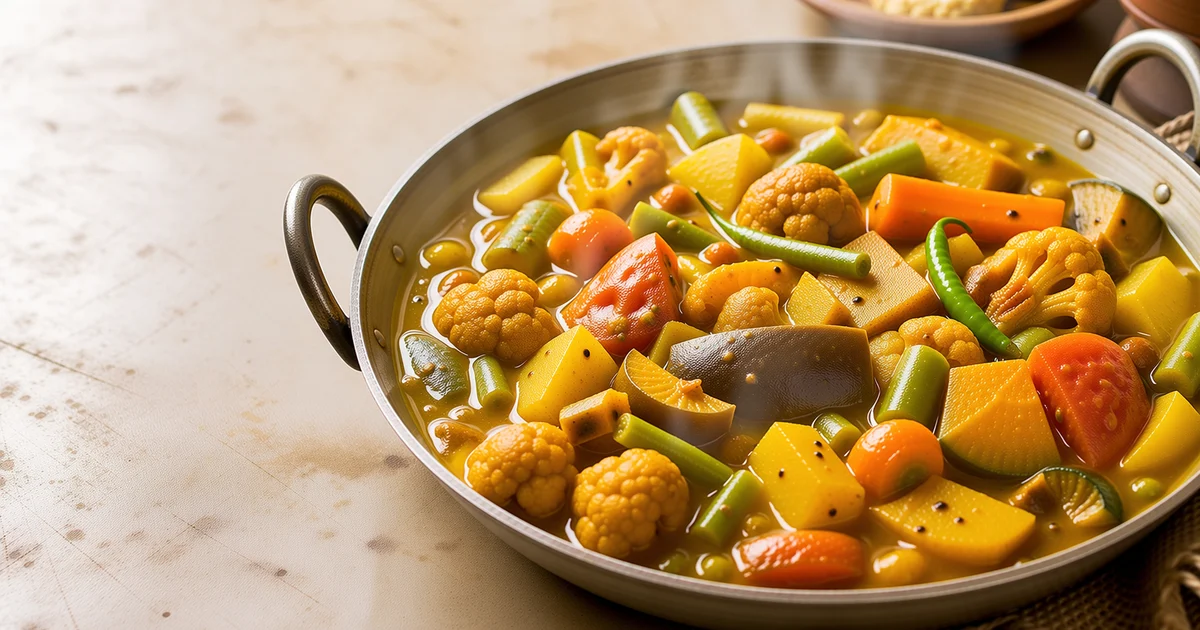
Mixed Vegetable Curry
A commercial Bangladeshi mixed vegetable curry recipe for about 40 side plates, designed for seasonal buying, controlled portions and low wastage.
- Yield:
- about 40 plates
- Total:
- 1 hr 25 min
- Difficulty:
- Medium
Run your restaurant on Rosuii
POS, menu, inventory, payroll and more — built for Bangladeshi restaurants.
Start free