
Restaurant Recipes
Mixed Vegetable Curry
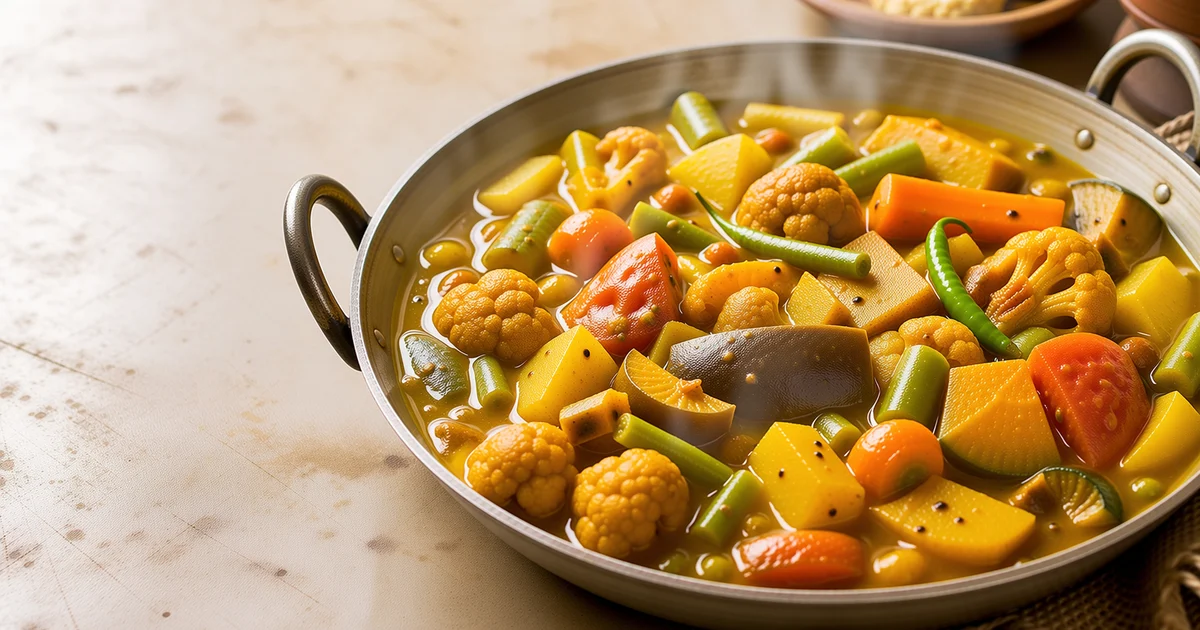
A commercial Bangladeshi mixed vegetable curry recipe for about 40 side plates, designed for seasonal buying, controlled portions and low wastage.
- Prep
- 40 min
- Cook
- 45 min
- Total
- 1 hr 25 min
- Yield
- about 40 plates
- Difficulty
- Medium
- Cuisine
- Bangladeshi
Method
- 1
Sort, weigh and cut
Inspect and weigh all vegetables after trimming, then cut dense pieces to about 25 mm and tender pieces to 30 to 35 mm. Complete cutting within 30 minutes and keep prepared vegetables below 10°C if cooking is delayed. Pieces should look uniform, dry and free from damaged sections.
- 2
Heat oil and spices
Heat the kadai over medium-high heat until the oil reaches approximately 165 to 175°C. Add the whole garam masala and fry for 30 to 45 seconds. The spices should smell fragrant and bubble gently without turning black.
- 3
Brown the sliced onions
Add the onions and cook at approximately 160°C for 8 to 10 minutes, stirring every minute. Reduce the heat if the edges colour too quickly. The onions should become soft and evenly light golden, not dark brown.
- 4
Cook the masala base
Add the ginger and garlic pastes and cook for 2 minutes, then add the powdered spices with 300 ml hot water. Cook over medium heat for 6 to 8 minutes, scraping the bottom frequently. The masala is ready when the raw smell disappears and oil shows around its glossy edges.
- 5
Soften tomato and salt
Add the tomatoes and 75 g of the salt, then cook at 150 to 160°C for 5 to 7 minutes. Press the tomato pieces against the pan as they soften. Continue until no firm tomato pieces remain and the masala holds together.
- 6
Coat dense vegetables
Add the potato, green papaya and carrot and fry them in the masala for 5 minutes over medium-high heat. Turn the pieces from the bottom without crushing them. Their surfaces should become glossy and evenly stained with turmeric.
- 7
Simmer until partly tender
Add 800 ml hot water, cover and maintain a gentle 90 to 95°C simmer for 8 to 10 minutes. Stir once halfway through and check a potato with a knife. The outside should be softening while the centre still offers firm resistance.
- 8
Add tender vegetables
Fold in the cauliflower, pumpkin, beans, green chilli and remaining 400 ml hot water. Cover and simmer at 90 to 95°C for 10 to 12 minutes, turning gently after 6 minutes. The cauliflower should be just tender, the beans bright and the pumpkin pieces intact.
- 9
Finish and verify yield
Remove the lid and simmer for 3 to 5 minutes if the gravy is thin, keeping the curry above 85°C. Add the remaining salt as needed and fold in the coriander leaves for the final minute. Stop cooking when the gravy coats the vegetables, then weigh the batch and portion or transfer it immediately for safe holding.
Notes for your kitchen
Why this curry works commercially
This mixed vegetable curry works for restaurants and food carts because seasonal produce can change without changing the basic cooking system. It fits rice meals, khichuri, paratha plates and set menus, while also giving the kitchen a controlled outlet for sound surplus vegetables. The base recipe produces about 10 kg after cooking, allowing approximately 40 side portions of 240 to 250 g.
The dish should not taste like unrelated leftovers mixed together. A consistent onion, tomato and spice base gives continuity even when one seasonal vegetable replaces another. The vegetables must also retain distinct shapes and colours. Customers judge this curry by visible variety, clean flavour and the absence of broken pumpkin, raw potato or watery gravy.
Select vegetables by function
The best vegetable mix combines firm, medium-cooking and tender vegetables rather than depending on one fixed shopping list. Firm vegetables such as alu, green papaya and carrot provide body and portion weight. Cauliflower and sheem or French beans add colour and texture, while misti kumra softens slightly and thickens the gravy.
Use clean, mature vegetables without sour smells, slime, deep bruising or insect damage. Slightly irregular shapes are acceptable after trimming, but decaying stock is not. Surplus stock can be absorbed only while it remains safe and good enough to serve. Keep a fixed total usable vegetable weight so substitutions do not change yield.
Quality matters most in the cooking oil, ground spices and tomatoes. Old oil or stale cumin and coriander will make the full batch taste flat. Tomatoes should be ripe enough to break down into the masala; pale, hard tomatoes leave acidity without body. When tomatoes are weak, cook them longer rather than adding excessive water.
Cutting controls cooking quality
Even cutting is the main control against raw centres, broken vegetables and inconsistent plate portions. Cut dense vegetables into approximately 25 mm pieces and tender vegetables into 30 to 35 mm pieces. Cauliflower florets should be similar in weight, with thick stalk sections split lengthwise.
Weigh vegetables after peeling, trimming and removing damaged sections. A purchase weight cannot be treated as usable recipe weight because papaya skin, cauliflower leaves and spoiled edges create variable loss. Wash before cutting where practical, drain thoroughly and do not leave cut vegetables soaking in water. Excess surface water cools the pan and weakens frying.
Build a cooked masala base
The curry develops flavour when the onion and spice base is cooked until it releases oil and loses its raw smell. Use a wide, heavy vessel so moisture can escape. A narrow stockpot encourages boiling before the onions and masala have browned properly.
Control the heat after adding powdered spices because turmeric and chilli burn quickly. Small additions of hot water allow the spice paste to fry without sticking. The masala is ready when it looks glossy, the oil begins to separate at the edges and the sharp smell of raw ginger, garlic and coriander has disappeared.
Dense vegetables need early contact with the masala so they absorb seasoning and begin cooking before the tender vegetables enter. Tender pieces should be folded rather than aggressively stirred. Pumpkin is especially vulnerable once its edges soften. The finished gravy should coat the vegetables and settle lightly on the plate, not run like soup.
Scale by usable weight and vessel capacity
Scale this mixed vegetable curry recipe from the total trimmed vegetable weight, not from the number of crates or whole vegetables purchased. For half a batch, multiply every weighed ingredient by 0.5 and use a smaller wide pan. For one and a half batches, multiply by 1.5 but confirm that the vessel still has enough exposed surface and mixing space.
Do not double this recipe in one 25 to 30 litre kadai. Crowding drops the temperature, increases cooking time and breaks tender vegetables during mixing. Two normal batches usually produce more consistent results than one overloaded batch.
Oil and spices can be scaled proportionally, but water needs operational adjustment. Begin with about 80 percent of the calculated water for a larger batch, then add more only after the vegetables release moisture. Start salt at 85 to 90 percent of the scaled amount and correct it near the end. This prevents an oversalted batch when seasonal vegetables contain less water than expected.
Hold and reheat safely
For service, hold the curry covered at 60 to 65°C and plan to sell the hot-held batch within two hours for best texture. Use shallow gastronorm pans rather than leaving the full batch over a strong burner. Stir gently every 20 minutes, lifting from the bottom, and replace evaporated moisture only with measured hot water.
If the curry will not be served immediately, divide it into shallow pans and cool from 60°C to 21°C within two hours, then from 21°C to 5°C within a further four hours. Refrigerate covered at 5°C or below and use within 24 hours for reliable vegetable texture. Reheat rapidly to at least 74°C at the centre, loosen with a small amount of hot water if required, and do not repeatedly cool and reheat the same batch.
Control portions and yield
A standard 240 to 250 g ladled portion keeps this batch close to 40 side plates. Record the finished batch weight after the final seasoning adjustment, then divide that weight by the approved portion size. Use one tested ladle-and-piece combination, such as one ladle of gravy with a defined number of vegetable pieces, rather than allowing staff to select only cauliflower or potato.
Check the first three plates on a digital scale at each service period. Visible serving bowls can encourage overfilling, especially when the curry is sold beside rice. A written portion control standard protects yield without making the plate look inconsistent.
Keep cost stable and use surplus carefully
Seasonal substitution controls cost only when the kitchen maintains the same trimmed weight, cooking category and portion yield. Replace firm vegetables with other firm vegetables and tender vegetables with items that cook at a similar speed. Lau, potol, bandhakopi or seasonal sheem can be used, but watery lau may require less added water and cabbage should be added late to prevent a sulphurous flavour.
Compare purchase weight with usable weight during recipe costing. A cheap cauliflower with heavy leaf and insect loss may cost more per usable kilogram than a cleaner lot. Apply FIFO, inspect stock daily and plan the curry around vegetables that are approaching their quality limit but remain safe. Rosuii can record raw stock, production into finished curry and separate wastage so managers can compare planned and actual yield.
For practical reducing wastage, keep a dated trim container for clean, usable vegetable pieces and assign them to the next planned batch. Do not mix yesterday's cooked curry into a fresh batch because this hides age, damages texture and complicates food-safety control.
Avoid mistakes that cost money
The most expensive mistakes are overbuying, unmeasured trimming, pan crowding and uncontrolled serving. Buying a fixed vegetable list regardless of season raises cost unnecessarily. Failing to weigh after trimming hides poor supplier quality and makes recipe yield appear unpredictable.
Adding all vegetables together creates either raw potato or collapsed pumpkin. Excess water increases holding time, dilutes flavour and encourages staff to serve more gravy than vegetables. Strong stirring breaks tender pieces and reduces the number of presentable portions. Finally, topping up a pan with fresh curry without emptying, cleaning and dating it can leave old food in continuous service. Use smaller service pans and replenish them in controlled quantities instead.
What drives the cost
Fresh vegetables dominate the cost, with cauliflower, beans and carrots often moving most according to season, weather and trimming loss. Oil and spices are the next important cost drivers, while usable yield changes when suppliers deliver bruised, leafy or insect-damaged produce.
Ingredient rates move with the market, so this describes what drives the cost rather than quoting a figure.
Questions from kitchens
Can this mixed vegetable curry recipe be doubled in one pan?
How long can the curry stay on hot hold?
Which seasonal vegetables can replace the listed vegetables?
How long does cooked vegetable curry keep refrigerated?
What should the finished yield be?
Related recipes
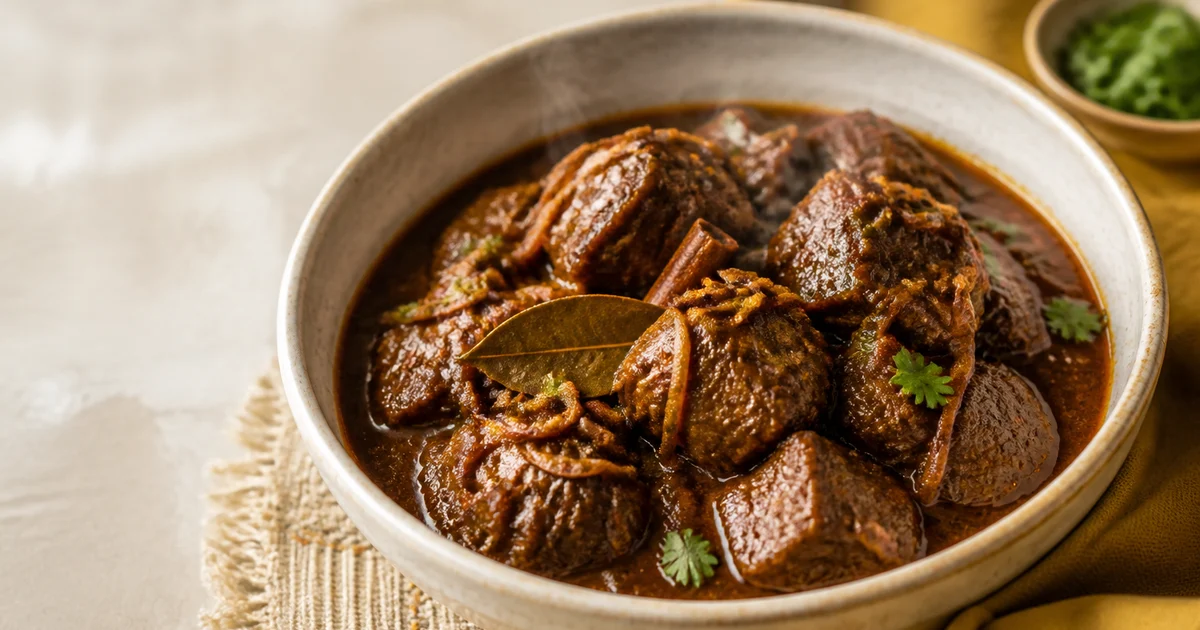
Commercial Beef Kalia Recipe
A commercial beef kalia recipe for about 40 plates, with tender bone-in beef, festive ghee-rich gravy, controlled portions and service guidance.
- Yield:
- about 40 plates
- Total:
- 4 hr
- Difficulty:
- Medium

Commercial Bangladeshi Beef Roll Recipe
A commercial beef roll recipe producing 40 consistent rolls with tender cooked-down beef, crisp vegetables, controlled moisture and practical service guidance.
- Yield:
- 40 beef rolls
- Total:
- 1 hr 35 min
- Difficulty:
- Medium
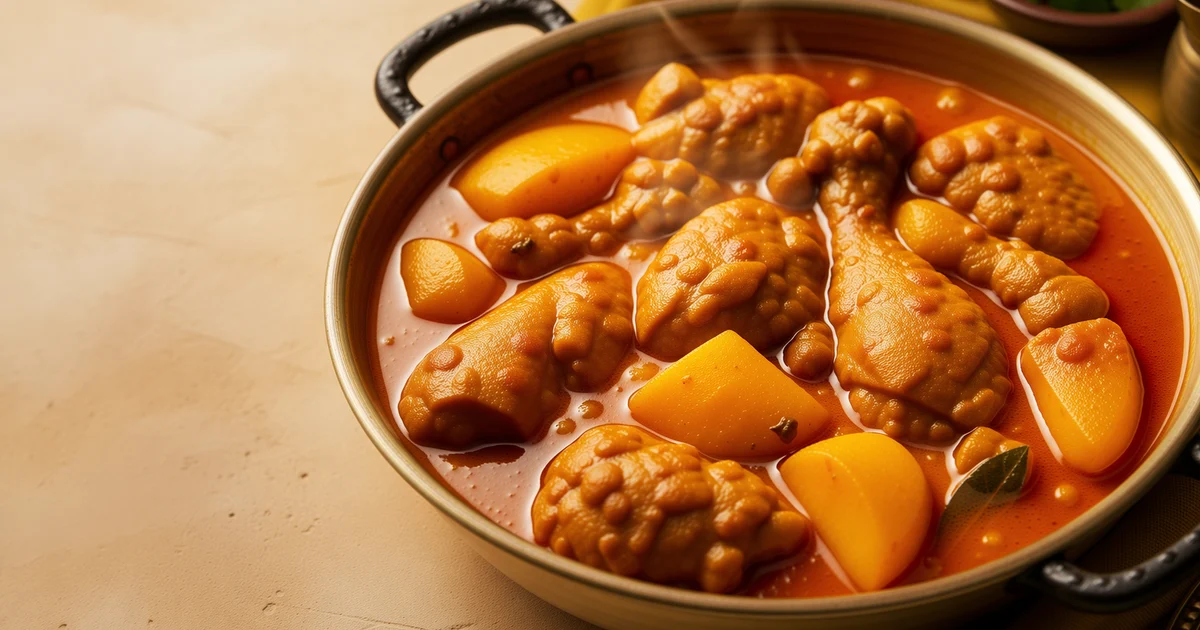
Everyday Chicken Curry
A 40-plate Bangladeshi chicken curry recipe built around reusable base masala, controlled portions and tender chicken for restaurant or food cart service.
- Yield:
- about 40 plates
- Total:
- 2 hr 35 min
- Difficulty:
- Medium
Run your restaurant on Rosuii
POS, menu, inventory, payroll and more — built for Bangladeshi restaurants.
Start free