
Restaurant Recipes
Commercial Mutton Rezala Recipe
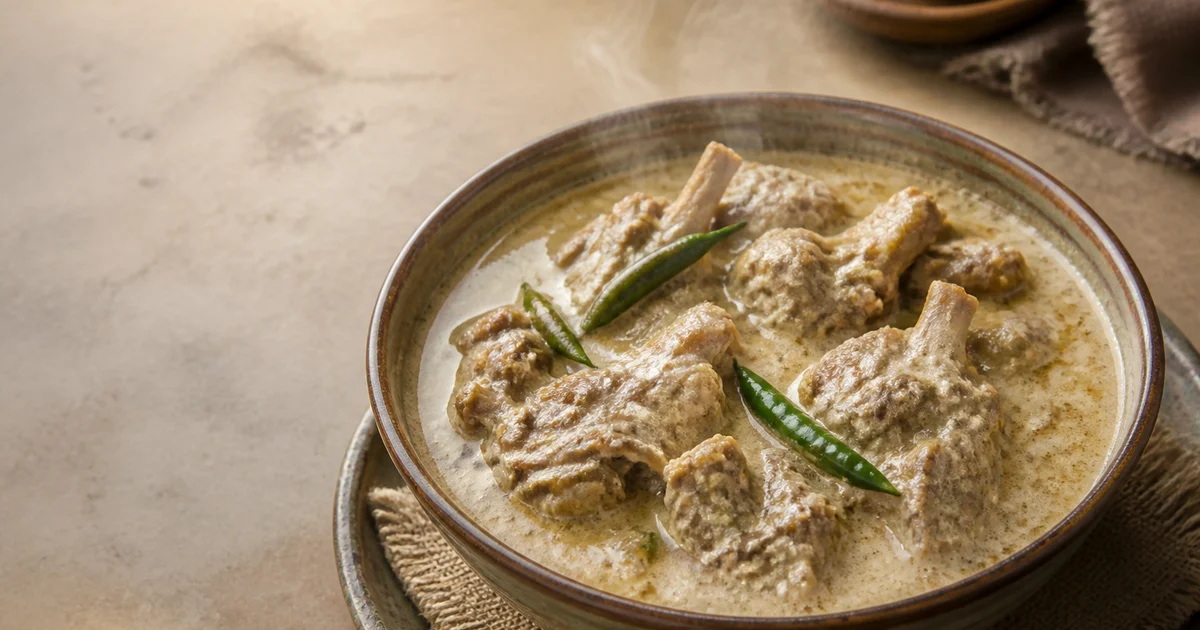
A commercial mutton rezala recipe for 40 plates, with controlled white gravy, tender meat, stable yoghurt, measured yield and safe service holding.
- Prep
- 45 min
- Cook
- 2 hr
- Total
- 2 hr 45 min
- Yield
- about 40 plates
- Difficulty
- Medium
- Cuisine
- Bangladeshi
Method
- 1
Trim And Standardise Mutton
Keep the mutton below 5°C while removing loose fat, blood clots and bone fragments for about 15 minutes. Standardise pieces to 4 to 5 cm so they cook evenly; the finished tray should show clean pieces without small shattered bones.
- 2
Prepare White Onion Paste
Blanch the peeled onions in water held at 90 to 95°C for 8 minutes, then drain and cool for 10 minutes. Blend to a smooth pale paste without frying; it should have no visible chunks or brown edges.
- 3
Blend The Cashew Paste
Soak the cashews in 600 ml milk at 55 to 60°C for 20 minutes. Blend for 2 to 3 minutes until completely smooth, adding more measured milk if necessary; rubbed between two fingers, the paste should not feel grainy.
- 4
Marinate The Mutton
Combine the chilled mutton with half the yoghurt, ginger paste, garlic paste, half the salt and the white pepper. Cover and marinate at 0 to 5°C for 30 minutes; every piece should carry a thin, even coating.
- 5
Bloom Whole Spices Gently
Heat the oil and ghee to about 145 to 150°C, then add the bay leaves, cinnamon, cardamom and cloves. Stir for 2 to 3 minutes until fragrant but still pale; discard any spice that turns black.
- 6
Cook The Onion Base
Reduce the pan to 120 to 130°C and add the blanched onion paste. Cook for 8 to 10 minutes with constant scraping until the raw smell disappears and the paste looks glossy, without allowing it to brown.
- 7
Coat Mutton Without Browning
Add the marinated mutton and cook at moderate heat for 10 to 12 minutes, turning from the bottom. The outside should lose its raw red appearance and release some juice, but no dark crust should form.
- 8
Temper Remaining Yoghurt
Lower the gravy below 85°C and whisk the remaining yoghurt with 300 ml warm milk. Add it in four portions over 8 to 10 minutes, stirring continuously; the sauce should remain smooth with no visible white curds.
- 9
Braise Until Nearly Tender
Add the hot water and whole green chillies, cover and hold the liquid at a gentle 90 to 95°C simmer for 60 to 75 minutes. Stir every 15 minutes; the meat is ready for finishing when a skewer enters easily but the pieces still hold their shape.
- 10
Finish With Cashew Paste
Mix the cashew paste with two ladles of hot gravy, then return it to the pan below 90°C. Add the remaining salt and sugar and cook for 8 to 10 minutes, stirring continuously until the gravy lightly coats a spoon without sticking to the pan.
- 11
Add Aroma And Rest
Switch off the burner, stir in the kewra water and keep the covered rezala above 75°C for a 10-minute rest. The finished gravy should be pale, glossy and pourable, with small clear droplets of fat rather than a large separated oil layer.
- 12
Weigh And Portion Batch
After resting, record the finished batch weight while it remains above 63°C. Portion within 10 minutes using a 150 ml ladle and a scale; each plate should show the specified meat allocation and an even coating of gravy.
Notes for your kitchen
This mutton rezala recipe produces about 40 controlled restaurant portions from a 10 kg bone-in mutton batch. It is designed for Bangladeshi restaurants, event kitchens and food carts that need tender meat, pale gravy and repeatable yield. The batch should finish at approximately 13 to 14 kg, depending on the mutton's bone ratio, trimming loss and evaporation.
Why Rezala Works Commercially
Mutton rezala works commercially because it can be braised in advance and portioned quickly without last-minute frying. The mild, aromatic gravy offers a useful contrast to spicy korma, roast and bhuna dishes. It is particularly suitable for wedding menus, office catering and family packages served with polao.
The dish also uses one main cooking vessel, which reduces pan handling and washing. A food cart can transport the finished batch in a covered food-grade container and move smaller quantities into a heated service pan. The limitation is holding quality: yoghurt and nut gravy thickens during service, so the full batch should not remain over direct flame for hours.
Ingredient Selection and Quality
The quality of the mutton and yoghurt matters more than using excessive ghee or spices. Buy young goat or mutton with firm pink-red flesh, clean white fat and no stale smell. A mixture of shoulder, rib and leg gives better flavour and tenderness than lean leg alone. Ask the supplier for consistent 4 to 5 cm curry cuts and monitor the percentage of bone, loose fat and trimming in every delivery.
Use unsweetened full-fat plain yoghurt with a smooth body and moderate acidity. Thin or highly sour yoghurt releases more water and is more likely to form visible curds. Whisk it completely before it approaches the pan. Do not replace it with sweetened yoghurt or flavoured cup yoghurt.
Cashews should taste fresh and mild, without an oily or bitter smell. Soaking and blending them with warm milk produces a finer paste that disperses without leaving grainy specks. Fresh ginger and garlic paste is preferable because old paste can darken and give the white gravy a dull grey tone.
Keeping the Gravy White
White rezala gravy depends on controlling browning at every stage. Blanching the onion before pureeing removes some sharpness and allows it to cook without becoming brown. The onion paste should be cooked only until its raw smell disappears. A wide blackened pan, burnt milk solids or heavily caramelised meat will all darken the finished sauce.
Keep the fat at moderate heat and bloom the whole spices without frying them brown. The mutton should be coated and tightened slightly, not seared like a bhuna. White pepper provides heat without black specks, while whole green chillies add aroma with limited colour. Kewra is added after cooking because prolonged heat destroys its fragrance.
Preventing Yoghurt Splitting
Yoghurt stays smooth when its temperature rises gradually and the pan is below a hard simmer. Take the measured yoghurt out of refrigeration shortly before use, whisk it until lump-free and loosen it with a little warm liquid. Lower the burner before adding it in several portions. Stir continuously until each addition is incorporated.
Do not pour cold yoghurt into smoking fat or boiling liquid. Salt, high acidity and intense heat can tighten the milk proteins, but temperature shock is the most common commercial failure. If slight curdling begins, stop boiling, whisk in a small amount of warm milk and blend the gravy briefly with a commercial stick blender before the meat becomes fully tender.
Handling the Cashew Paste
Cashew paste should be tempered and added near the end because it catches quickly on the pan bottom. Mix the smooth paste with several ladles of hot gravy before returning it to the main vessel. Maintain gentle movement with a flat paddle, especially around the corners of a heavy handi.
Once cashew is added, boiling does not improve tenderness and can separate the fat. The correct finished gravy lightly coats the back of a spoon but still pours from a ladle. If it becomes too thick, adjust with hot water or warm milk in measured additions rather than adding a large quantity at once.
Scaling the Batch Correctly
Scale meat, yoghurt, onion, cashew and seasoning by weight, but adjust water according to vessel shape and evaporation. A half batch needs a narrower vessel so the gravy does not evaporate too quickly across a large surface. When doubling, divide the recipe between two pans unless the main vessel can stay below 70 percent capacity and the burner can maintain an even 90 to 95°C braise.
For batches above 20 kg of mutton, do not assume that extra liquid will heat at the same speed. Record the time required to return to a gentle simmer after each addition. Start large-batch whole spices at about 90 percent of a direct multiplication, taste near the end and adjust, because extraction becomes stronger during a longer braise.
Holding and Reheating for Service
Hold finished rezala above 63°C and use it within four hours for the best gravy and meat texture. Use a bain-marie or jacketed warmer rather than placing the service pan over a high burner. Stir from the bottom every 15 to 20 minutes and keep the pan covered between orders. Transfer smaller replenishment batches so repeated opening does not cool the whole production.
If the rezala is prepared ahead, cool it from 60°C to 21°C within two hours and from 21°C to 5°C within a further four hours. Use shallow food-grade pans and refrigerate at 0 to 5°C. Reheat only once, bringing the centre to at least 75°C, then move it to hot holding. Properly chilled rezala should be used within 48 hours; discard any batch left in the temperature danger zone or showing sour odour, gas or sliminess.
Portioning and Polao Pairing
Each sale should receive a measured meat allocation and ladled gravy rather than pieces selected by eye. A practical target is 325 to 350 g of finished rezala, containing one large or two smaller mutton pieces and approximately 130 to 150 ml gravy. Sort unusually large pieces before service so one plate does not consume the meat allowance for two.
For event service, pair one rezala portion with approximately 230 to 250 g cooked polao. Keep polao and gravy in separate warmers so the rice does not absorb sauce before serving. Count meat pieces after cooking, compare the count with booked guests and reserve the required portions before opening a buffet. A written portion control standard prevents early guests from receiving more meat than later guests.
Mistakes That Cost Money
The most expensive mistakes are uncontrolled bone ratio, burnt gravy, oversized portions and repeated reheating. A cheap-looking mutton purchase can have poor usable yield if it contains excess bone, fat and tiny fragments. Reject inconsistent cutting and weigh supplier deliveries after removing loose waste.
- Browning the onion: This changes the intended colour and cannot be corrected with milk.
- Boiling after yoghurt or cashew: This splits the gravy and increases pan-bottom loss.
- Adding water without measuring: Excess water extends cooking and reduces flavour consistency.
- Holding the whole batch over flame: This overcooks the meat and turns the gravy oily.
- Serving by piece count alone: Uneven curry cuts create uncontrolled plate weights.
Keeping Cost Stable
Stable rezala cost begins with tracking mutton purchase yield and finished batch weight. Compare suppliers by usable meat-and-bone yield, not only the quoted kilogram rate. Use a proper recipe costing sheet and review the actual food cost percentage after sales.
Record yoghurt, cashew, ghee and trimming waste separately so unusual usage is visible. Rosuii can be used once the recipe is standardised to record a production that converts the measured raw materials into a finished rezala batch. This makes it easier to compare theoretical output with the number of portions actually sold or wasted.
What drives the cost
Bone-in mutton dominates the cost, and its effective cost moves with carcass cut, bone ratio, trimming loss and supplier consistency. Cashews and ghee are the main secondary cost drivers, while yoghurt loss increases if the gravy splits or burns. Standardising finished batch weight and meat allocation keeps these changes visible.
Ingredient rates move with the market, so this describes what drives the cost rather than quoting a figure.
Questions from kitchens
Can this mutton rezala recipe be halved or doubled?
How long can mutton rezala stay in hot holding?
Can peanuts replace cashews in commercial rezala?
What is the refrigerated shelf life?
How many event portions does the batch produce?
Related recipes
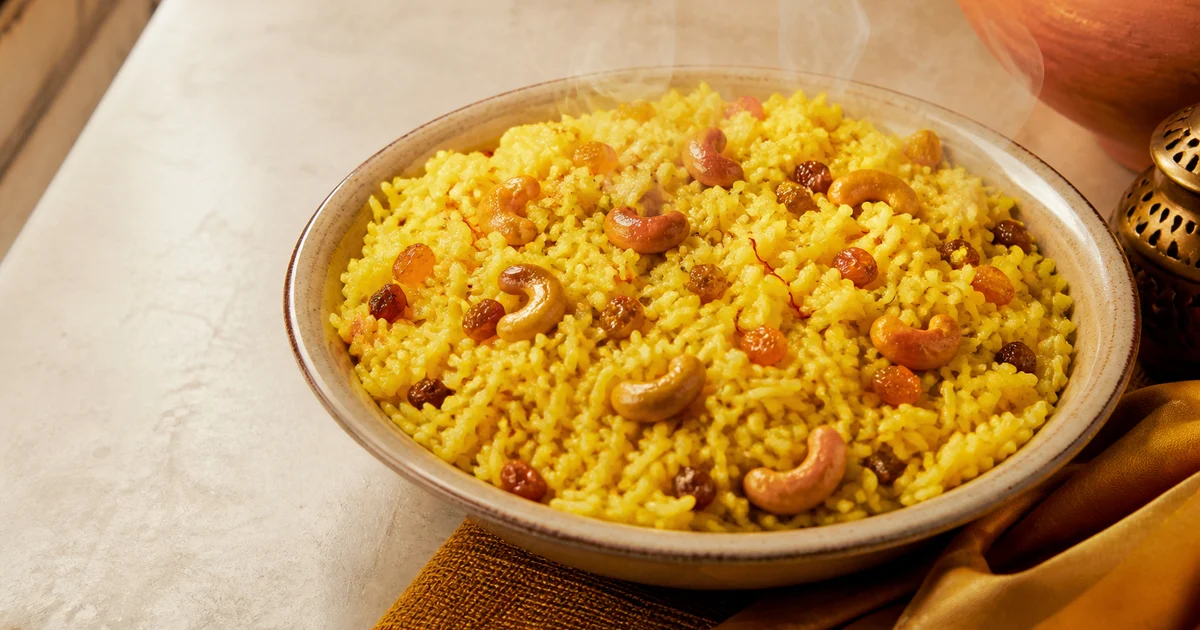
Commercial Basanti Polao Recipe
A 2 kg rice batch of golden, mildly sweet Basanti Polao for about 40 controlled portions, with practical cooking, holding and reheating guidance.
- Yield:
- about 40 plates
- Total:
- 1 hr 15 min
- Difficulty:
- Medium
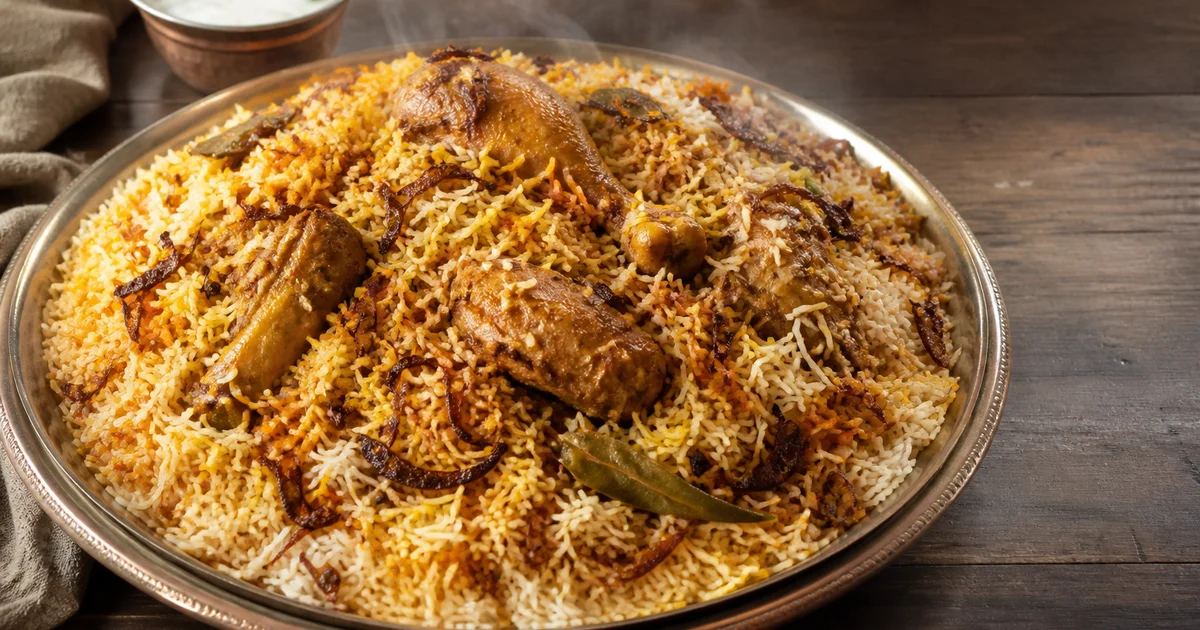
Commercial Chicken Biryani Recipe
A commercial pakki chicken biryani recipe yielding about 40 controlled portions, with guidance on par-cooking rice, dum, holding and scaling.
- Yield:
- about 40 plates
- Total:
- 4 hr 35 min
- Difficulty:
- Medium
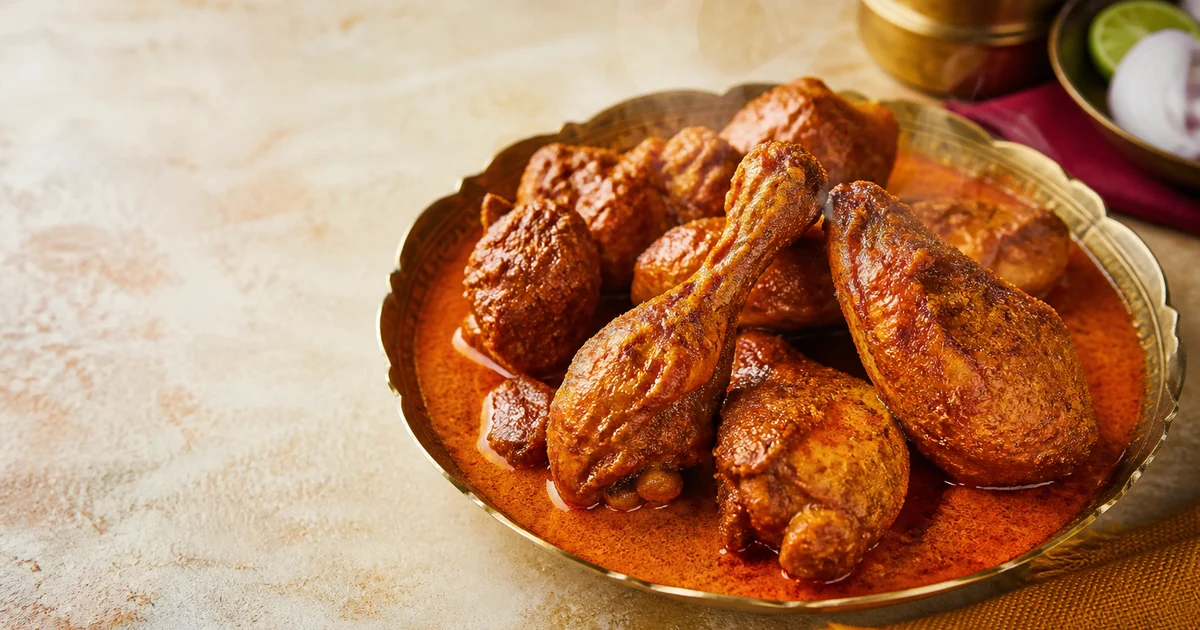
Commercial Bangladeshi Chicken Roast
A 40-portion biye-bari style chicken roast with first-fried chicken, controlled sweet-savoury gravy, catering yield guidance and service holding.
- Yield:
- about 40 plates
- Total:
- 2 hr 15 min
- Difficulty:
- Medium
Run your restaurant on Rosuii
POS, menu, inventory, payroll and more — built for Bangladeshi restaurants.
Start free