
Restaurant Recipes
Crispy Fried Chicken
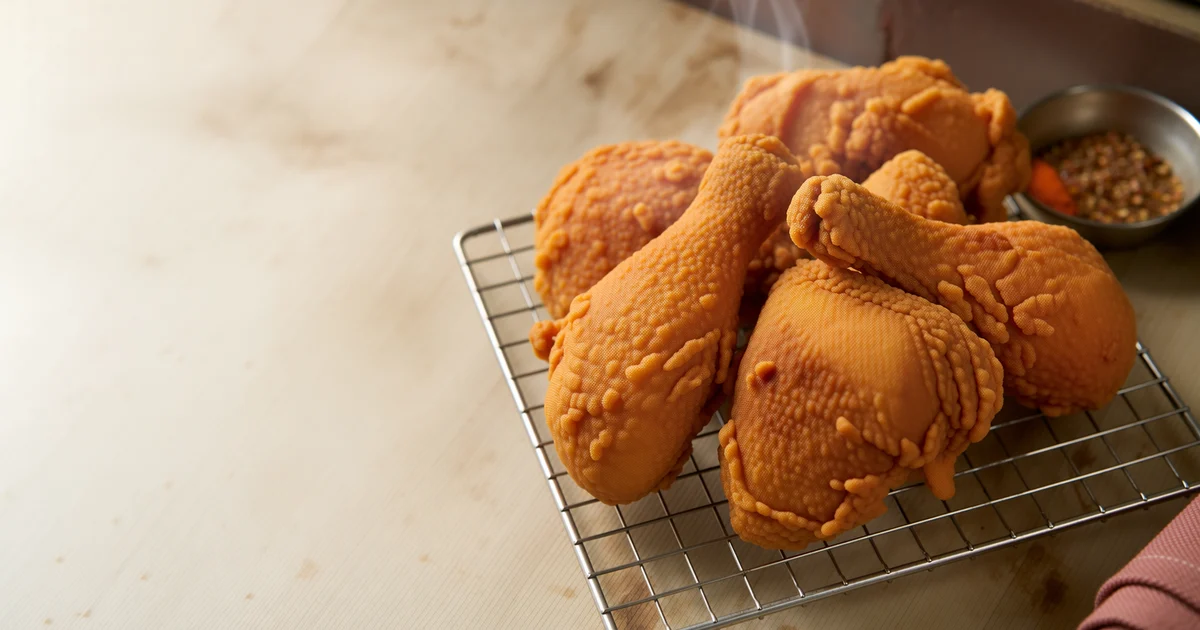
A commercial fried chicken recipe for 40 two-piece plates, with controlled soaking, durable dredging, fryer loading, crisp holding and yield guidance.
- Prep
- 45 min
- Cook
- 1 hr 30 min
- Total
- 6 hr 15 min
- Yield
- about 40 two-piece plates
- Difficulty
- Medium
- Cuisine
- Continental
Method
- 1
Inspect and portion chicken
Keep the chicken between 0°C and 5°C while trimming loose skin, blood spots and excess fat. Cut or verify 80 comparable service pieces, then separate small pieces from thick thighs and breast sections.
- 2
Mix the cold soak
Whisk the buttermilk, chilled water, 120 g salt, sugar, garlic paste, ginger paste, 40 g paprika and half the black pepper until dissolved. The mixture must remain at 5°C or colder before the chicken is added.
- 3
Soak under refrigeration
Submerge the chicken fully in the soak, cover and label the tub. Refrigerate at 0°C to 5°C for at least 4 hours and no longer than 12 hours, turning the pieces once if they are tightly packed.
- 4
Prepare divided dredge
Combine the maida, cornflour, baking powder, remaining salt, paprika, black pepper, onion powder, chilli powder, white pepper and oregano. Divide the mixture into four working lots so contaminated flour is not carried through the full production period.
- 5
Drain and coat firmly
Lift one manageable batch of chicken from the soak and let it drip for 30 to 45 seconds. Sprinkle about 100 ml of soak into one dredge lot, rub it into small flakes, then press and fold the flour firmly around each piece.
- 6
Rest the coated pieces
Place coated chicken in a single layer on a wire rack for 8 to 10 minutes. It is ready when the coating looks rough and slightly hydrated, with no large areas of loose white flour.
- 7
Preheat and check fryer
Fill the fryer to its marked operating level and preheat the oil to 170°C. Skim old crumbs and confirm the temperature with a calibrated thermometer if fryer recovery has been inconsistent.
- 8
Fry controlled small batches
Load only 800 g to 1 kg per 12 litres of oil, lowering pieces carefully away from the operator. Keep the oil between 160°C and 170°C; fry wings for about 8 to 10 minutes, breast pieces for 11 to 13 minutes, and drumsticks or thighs for 13 to 15 minutes.
- 9
Verify doneness and drain
Probe the thickest meat without touching bone and continue frying until it reaches at least 74°C. Drain the deep-golden pieces on a wire rack for 2 to 3 minutes, and skim loose coating before the next batch.
- 10
Hold for immediate service
Transfer chicken to a dry warmer at 60°C to 65°C in a single layer and label the fry time. Serve within 20 to 25 minutes for the best crust, and never cover the tray tightly or place fresh chicken beneath an older batch.
Notes for your kitchen
This fried chicken recipe produces about 40 two-piece plates from one controlled commercial batch. It is designed for a Bangladeshi restaurant, cafe or food cart using bone-in broiler chicken, a refrigerated buttermilk soak and pressure-fryer-style dredging in an open fryer. The four-hour soak is included in the total production time, but active labour is concentrated in preparation, coating and frying.
Why it works for commercial service
Fried chicken works commercially because it can be prepared in batches, portioned clearly and sold through several menu formats. The same production can support two-piece plates, snack boxes, rice meals and combo offers without changing the core recipe. Bone-in chicken also stays juicier than thin boneless strips during hot holding, provided the pieces are not overcooked.
The process is suitable for advance preparation because the chicken can be cut and soaked before the busy period. Coating and frying should happen closer to service. Demand must still be forecast carefully because fried chicken loses crust quality during long holding and should not be repeatedly reheated.
Ingredient quality and selection
Consistent chicken size, fresh frying oil and balanced flour matter more than expensive seasoning. Buy broilers within a narrow weight range and ask the supplier for an eight-piece cut, or train one worker to follow the same cutting pattern. Uneven pieces produce uneven cooking, unpredictable plate value and customer complaints when one portion looks smaller than another.
The chicken should arrive at 0°C to 5°C, smell clean and have no sticky surface or excessive purge in the bag. Avoid repeatedly frozen and thawed chicken because it releases more water, weakens the coating and usually gives a drier result. Keep raw chicken below 5°C throughout cutting and soaking.
Commercial cultured buttermilk gives reliable acidity and adhesion. If it is unavailable, use plain unsweetened tok doi blended with chilled water until it pours like thick milk. Do not use sweetened yoghurt. The soak should taste seasoned but not aggressively salty because moisture loss during frying concentrates the flavour.
Use ordinary maida rather than very high-protein bread flour. Cornflour reduces gluten strength and helps the shell stay brittle. Baking powder adds small bubbles, but excess makes the coating dusty and bitter. Oil quality is equally important: dark, foaming or burnt-smelling oil will spoil an otherwise correct batch.
Building a crust that lasts
A lasting crust comes from controlled surface moisture, craggy dredge and a short resting period before frying. Chicken taken directly from a heavy soak carries too much liquid, so allow it to drip before coating. Do not squeeze or wipe it dry because a thin wet film is needed to bind the flour.
Divide the dredge into smaller working lots instead of placing the full quantity in one tub. Sprinkle a little of the seasoned soak into each lot and rub it through to create small flour flakes. These flakes attach to the chicken and form the rough surface associated with crisp fried chicken. Once raw-chicken liquid has entered a flour lot, use it immediately for that production run and discard the remainder.
Press and fold the flour firmly around every piece, especially near joints and under loose skin. Shake only enough to remove flour that is completely unattached. Rest coated pieces on a wire rack for 8 to 10 minutes; the surface should look patchy and slightly damp rather than powdery. A much longer rest can make the coating gummy.
Fryer temperature and batch control
The fryer must recover above 160°C quickly after every load. Preheat to 170°C and limit each 12-litre fryer load to roughly 800 grams to 1 kilogram of chicken, leaving room for oil circulation. A basket packed to the top traps steam and causes the coating to absorb oil before it sets.
Sort pieces by type before frying because wings, breast sections, drumsticks and thighs do not finish together. Use time as a production guide, but release food only after the thickest part reaches at least 74°C without the probe touching bone. The crust should be deep golden, firm at the joints and free from wet flour patches.
Skim loose crumbs between batches because they burn quickly and darken the next load. Let the fryer recover to 170°C before adding more chicken. If recovery is slow even with a correct load, the fryer may be undersized, the thermostat may be inaccurate or the oil level may be too low.
Scaling the batch safely
Scale chicken, soak and dredge by weight, but scale fryer loads by equipment capacity. For a half batch, halve every ingredient while keeping the same soaking depth, coating method and temperatures. For a double batch, prepare twice the soak and dredge, but do not place twice as much chicken in one fryer load.
Large production is better divided into labelled sub-batches. Keep raw marinated chicken refrigerated and bring out only what can be coated and fried promptly. Prepare fresh dredge lots as needed instead of maintaining one contaminated flour tub through an entire day.
Record starting raw weight, number of usable pieces, cooked output and rejected pieces. This creates a dependable production yield and exposes supplier variation. The number of fryer cycles and average recovery time should also be recorded when planning labour and opening stock.
Holding and reheating for service
Fried chicken is best sold within 20 to 25 minutes of leaving the fryer. Drain it on a wire rack for 2 to 3 minutes before transferring it to a dry warmer at 60°C to 65°C. Keep pieces in a single layer with airflow around them, and never cover the tray tightly.
Do not drain chicken on paper for extended periods because the trapped steam softens the underside. Avoid brushing oil over finished pieces, and do not mix a fresh batch underneath an older batch. Label each tray with its fry time and sell the oldest acceptable tray first.
For a short service recovery, reheat refrigerated chicken in a preheated convection oven at 190°C until the centre reaches 74°C, normally 5 to 7 minutes depending on piece size. Do not microwave it because steam softens the crust. Reheat only once and treat reheated chicken as a lower-quality recovery option, not the normal service method.
Portioning and yield control
This batch should yield 80 cooked pieces for 40 controlled two-piece plates. Pair one larger piece with one smaller piece so plate value remains reasonably consistent. If customers can choose breast, leg or wings, configure them as clear menu variations rather than allowing uncontrolled substitutions.
Count pieces at receiving, after cutting and after frying. Use separate labelled trays for large and small cuts so staff cannot accidentally serve two large pieces together. A documented portion control rule protects yield more effectively than asking counter staff to judge each order during a rush.
Mistakes that cost money
The most expensive mistakes are oversized fryer loads, uncontrolled pieces and excessive advance frying. Overloading lowers oil temperature, increases oil absorption and creates pale crust. Frying too far ahead leads to stale stock, discounting and disposal, while cooking only after an order can make ticket times unacceptable.
- Weak seasoning: Putting all seasoning in the outer flour gives a salty shell and bland meat.
- Wet, smooth coating: Failure to drain the soak or form flour flakes produces patches that slide off.
- Loose skin: Poor trimming creates burnt flaps and coating loss in the fryer.
- Dirty oil: Unfiltered crumbs make later batches bitter and falsely appear fully browned.
- No batch labels: Staff mix old and fresh chicken, making holding limits impossible to enforce.
- Repeated reheating: This dries the meat, darkens the crust and creates avoidable food-safety risk.
Keeping food cost stable
Stable cost depends on purchase specification, measured portions, oil management and honest wastage records. Chicken is the main cost driver, while oil becomes significant when it is overheated, contaminated or carried away by under-temperature frying. Compare suppliers by usable cut yield and consistency rather than only by invoice weight.
Build the standard batch into recipe costing and review actual output against the expected 40 plates. Rosuii can record the production from raw materials to finished goods and log wastage, allowing operators to compare output with item-sales reports. Review the resulting food cost percentage whenever chicken size, supplier quality, oil life or portion rules change.
What drives the cost
Bone-in chicken is the dominant cost, and its usable yield moves with bird size, trimming, supplier consistency and thaw loss. Frying oil is the next major variable because low-temperature frying, burnt crumbs and poor filtration shorten oil life and increase absorption.
Ingredient rates move with the market, so this describes what drives the cost rather than quoting a figure.
Questions from kitchens
Can this fried chicken recipe be doubled for 80 plates?
How long can fried chicken stay crisp under a warmer?
What can replace commercial buttermilk?
How long can raw chicken remain in the soak?
What should the batch yield if the chicken pieces vary in size?
Related recipes
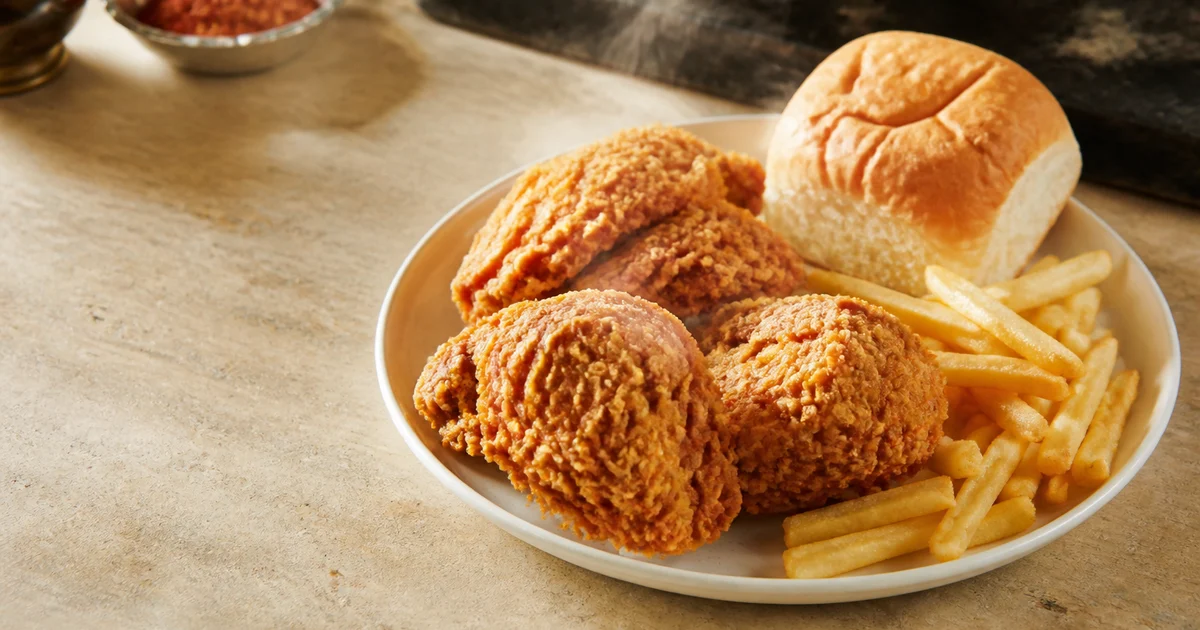
Commercial Chicken Broast Recipe
A commercial chicken broast recipe for 40 plates, with controlled marination, crisp double coating, two frying methods and practical holding guidance.
- Yield:
- about 40 plates
- Total:
- 1 hr 45 min
- Difficulty:
- Medium
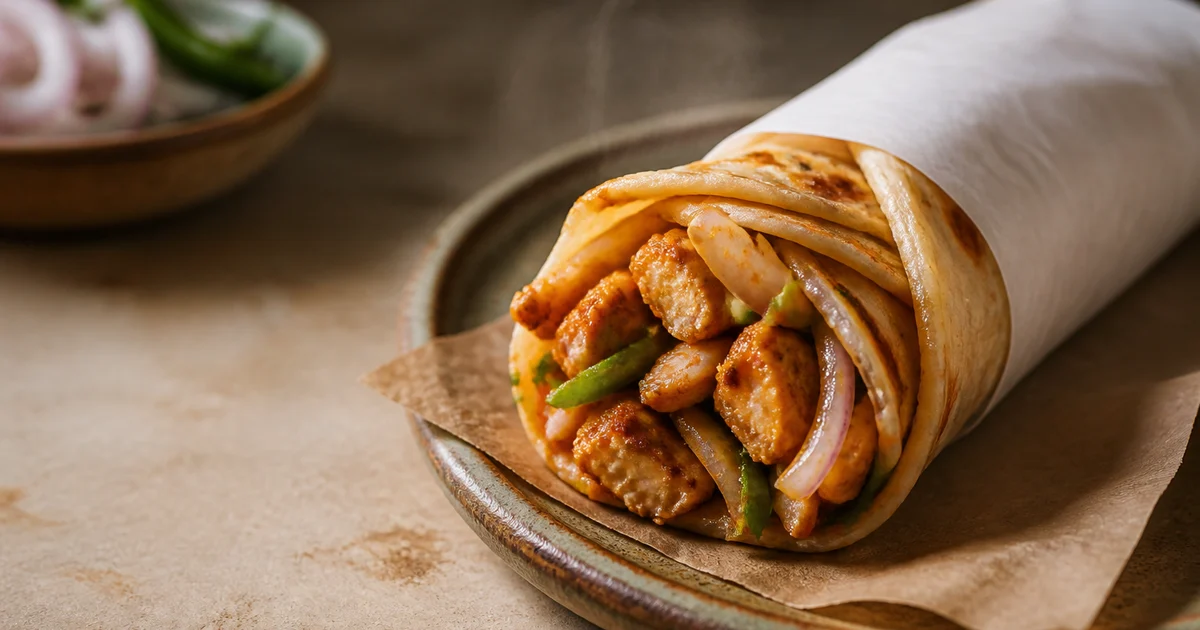
Commercial Bangladeshi Chicken Roll Recipe
A commercial chicken roll recipe producing 40 large rolls with flaky paratha, spiced chicken, egg, fresh vegetables and controlled portions.
- Yield:
- 40 large chicken rolls
- Total:
- 2 hr 30 min
- Difficulty:
- Medium
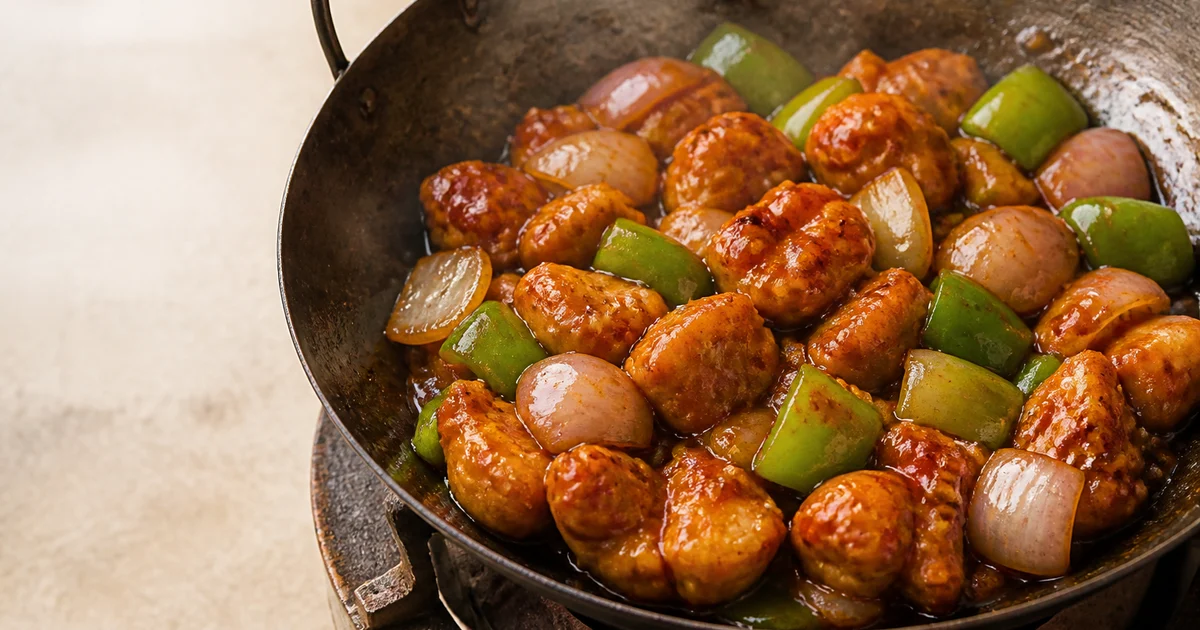
Commercial Chilli Chicken Recipe
A commercial chilli chicken recipe for about 40 plates, using double-fried chicken, a bulk sauce base and controlled dry or gravy finishing methods.
- Yield:
- about 40 main-course plates
- Total:
- 1 hr 35 min
- Difficulty:
- Medium
Run your restaurant on Rosuii
POS, menu, inventory, payroll and more — built for Bangladeshi restaurants.
Start free