
Restaurant Recipes
Chicken Reshmi Kebab Recipe
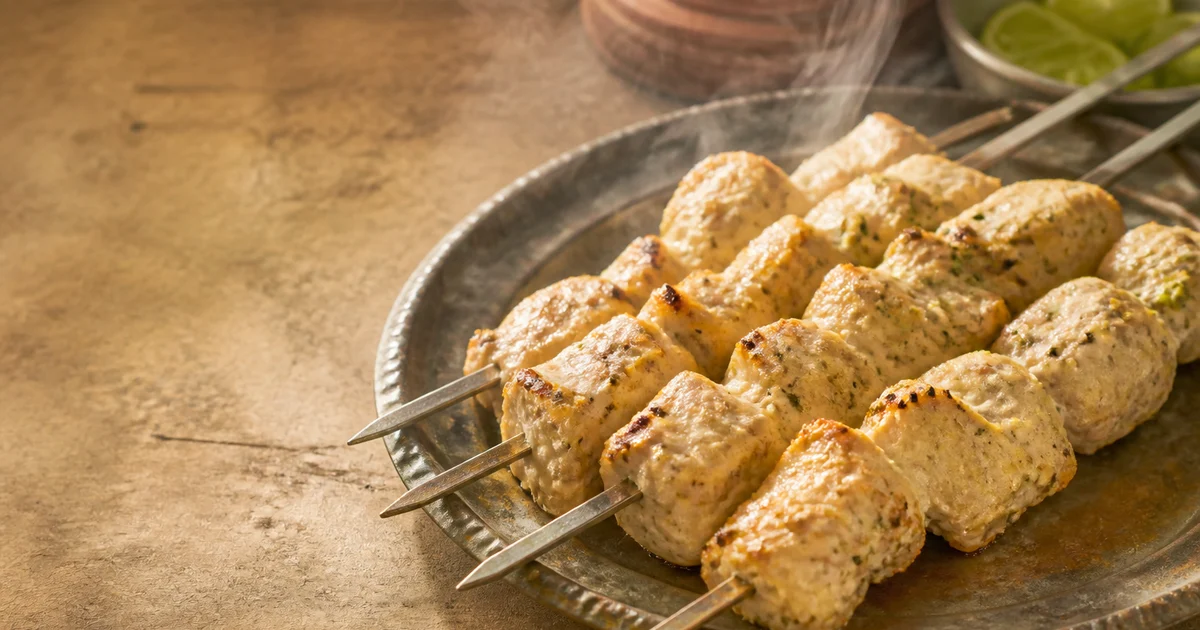
A commercial reshmi kebab recipe using 5 kg chicken to produce about 80 pale, moist skewers or 40 controlled restaurant portions.
- Prep
- 30 min
- Cook
- 45 min
- Total
- 1 hr 15 min
- Yield
- about 40 plates or 80 skewers
- Difficulty
- Medium
- Cuisine
- Bangladeshi
Method
- 1
Trim and chill chicken
Cut the trimmed chicken into even 25 mm cubes and keep it at 5°C or below. Remove cartilage and tough sinew without cutting away clean usable meat. Weigh the prepared chicken again and record any trim loss.
- 2
Apply first seasoning
Mix the chicken with salt, lemon juice, ginger paste and garlic paste for 2 minutes. Refrigerate for 10 to 15 minutes at 5°C or below; do not leave this acidic seasoning overnight.
- 3
Blend creamy marinade
Blend the hung curd, cream, cheese, cashew paste, egg white, cornflour, chilli paste, spices and oil until completely smooth. Keep the mixture below 10°C and check that it coats a spoon without running off. Blend in smaller loads if the machine warms the mixture.
- 4
Marinate under refrigeration
Fold the creamy marinade evenly through the seasoned chicken without crushing the cubes. Cover, label and refrigerate at 5°C or below for 6 to 12 hours. Use within 24 hours and reject any batch with a sour odour or broken cold chain.
- 5
Weigh and load skewers
Thread three similar pieces on each skewer with small gaps between them. Target 62 to 65 g of raw chicken per skewer and produce about 80 skewers. Return loaded trays to refrigeration until the grill is ready.
- 6
Preheat the cooking station
Heat a tandoor to approximately 280 to 300°C or a grill to 230 to 250°C. Clean and lightly oil the grate, then cook one test skewer to check salt, adhesion and timing.
- 7
Set the pale coating
Arrange skewers without crowding and cook for 4 to 5 minutes. Turn once the coating is set and shows only light golden spots. Avoid flames touching the dairy coating because soot and dark char spoil the pale finish.
- 8
Finish and baste lightly
Cook the second side for 3 to 4 minutes, then brush lightly with melted butter. Turn for another 30 to 60 seconds without allowing the butter to flare. Total cooking time is usually 8 to 10 minutes, depending on cube size and grill load.
- 9
Check temperature and rest
Probe the thickest piece on several skewers and confirm a centre temperature of at least 74°C. Remove immediately when safe rather than cooking for extra colour. Rest on a rack for 2 to 3 minutes so steam does not soften the coating.
- 10
Serve or hold safely
Serve two skewers per plate or hold them covered above 60°C for no more than 30 minutes for best quality. For reheating, use a covered 160°C oven until the centre reaches 74°C, then finish over high heat for 30 to 45 seconds. Do not reheat a portion more than once.
Notes for your kitchen
This commercial reshmi kebab recipe turns 5 kg of boneless chicken into about 80 skewers or 40 two-skewer plates. It is designed for a Bangladeshi restaurant, cafe or food cart using a tandoor, charcoal grill or high-heat gas grill. The cream and cheese marinade gives the kebab its soft texture, mild flavour and pale appearance, while measured skewering and temperature control protect yield.
Why this kebab works commercially
Chicken reshmi kebab works well in commercial service because it can be prepared in advance, cooks quickly and fits plates, rolls, platters and combo meals. The flavour is mild enough for a broad customer base, but it still feels richer than a standard chicken tikka. The same cooked skewer can be served with naan, paratha, pulao, salad or mint chutney without changing kitchen production.
The marinade should remain attached during cooking rather than dripping into the fire. That reduces flare-ups, keeps the grill cleaner and protects the expensive dairy coating. A controlled raw weight per skewer also makes it easier to maintain portion control when different cooks are working across shifts.
Ingredient selection and quality
Chicken quality, marinade thickness and cheese consistency matter more than using expensive decorative ingredients. Use chilled boneless thigh fillet with no sour smell, sticky surface or excessive purge in the bag. Thigh meat is more forgiving than breast meat during a busy service because its fat and connective tissue reduce the risk of a dry kebab. If customers expect breast meat, use evenly trimmed breast and reduce the cooking time.
Buy chicken in a consistent size specification. Large differences in fillet thickness create irregular cubes, and small pieces overcook before large pieces reach a safe centre temperature. Remove loose fat, cartilage and tough sinew, but do not over-trim clean meat. Record trim loss so purchasing yield can be compared between suppliers.
Hung doi must be thick enough to sit on a spoon without releasing watery whey. Thin doi dilutes the marinade and causes it to slide from the chicken. Dairy cream supplies richness, while processed cheese provides repeatable salt, fat and body. A consistent commercial processed cheese is usually more practical than a variable soft cheese. Cashew paste should be smooth because coarse particles burn before the chicken cooks.
Use fresh ginger and garlic without green shoots or fermented odour. Green chilli paste should provide aroma without making the kebab visibly green. White pepper is preferred to black pepper because dark specks work against the clean, pale finish.
How the technique protects moisture
A pale and moist reshmi kebab depends on a thick cold marinade, high initial heat and stopping the cook as soon as the centre is safe. The short first seasoning allows salt and lemon juice to contact the meat directly. Do not leave chicken in the acidic stage for hours because the outside can become tight or pasty.
The second marinade should be blended until smooth before it touches the chicken. Cold ingredients help the dairy mixture stay thick, especially in a hot Bangladeshi kitchen. Fold it through the chicken rather than crushing the pieces. After chilling, the coating should cling in an even layer; a pool of liquid at the bottom indicates watery doi, warm chicken or previously frozen meat releasing purge.
Thread pieces with a small gap between them so hot air reaches the sides. Packing chicken tightly creates pale raw seams and forces a longer cooking time. However, very wide gaps expose more surface and increase moisture loss. Standardise both the number of pieces and raw chicken weight on every skewer.
Run the tandoor or grill hot enough to set the outside quickly without producing heavy black char. Reshmi kebab may develop a few light golden spots, but it should not look like dark chicken tikka. Butter is applied near the end because early basting can cause flare-ups, smoke stains and unnecessary fat loss.
Scaling the batch safely
Scale this recipe by chicken weight, not by guessing how many bowls of marinade are needed. For a half batch, multiply every ingredient by 0.5; for a double batch, multiply by 2. Weigh seasonings and binding ingredients instead of scaling with spoons, as small errors become noticeable in a 10 kg or 20 kg production.
Do not place more than 5 kg of chicken in one deep mixing bowl. Large masses are difficult to coat evenly and warm slowly or unevenly in the chiller. Divide bigger production into labelled 5 kg sub-batches, then check one cooked test skewer from each batch before service.
Scaling equipment capacity matters as much as scaling ingredients. If the grill accepts only 20 skewers, an 80-skewer batch requires four cooking loads. Plan production around that capacity so raw skewers do not wait beside the heat. Keep the waiting trays covered at 5°C or below and bring out only the next grill load.
Holding and reheating for service
Reshmi kebab is best served directly from the grill, but short controlled holding is possible during a rush. Hold cooked skewers above 60°C in a covered gastronorm pan fitted with a rack, not sitting in butter or released liquid. Use within 30 minutes for the best texture and prepare smaller waves instead of cooking the full batch at once.
For reheating, place the kebabs in a covered pan or combi oven at 160°C until the centre reaches at least 74°C, then expose them to high heat for 30 to 45 seconds to refresh the surface. A direct long reheat over charcoal dries the outside before the centre becomes hot. Reheat only once and separate fresh production from reheated stock.
Raw marinated chicken must remain covered at 5°C or below. Use it within 24 hours and never mix a new batch into an old container. Marinade that has contacted raw chicken should not be reused as a sauce or applied after cooking.
Portioning and yield control
The target yield is 80 skewers, with approximately 62 to 65 g raw chicken on each skewer and two skewers per plate. Weigh the first several skewers made by each cook, then perform spot checks during production. Counting pieces alone is unreliable because hand-cut cubes vary in size.
The expected finished plate contains approximately 100 g of cooked chicken, although actual yield moves with trimming, chicken moisture and cooking time. Record received weight, usable trimmed weight, skewer count and cooked yield. These records support accurate recipe costing and show whether a supplier, prep cook or grill station is causing the loss.
Use separate stock codes or production records if the same kebab is sold as a plate, roll and mixed platter. Rosuii productions can record raw materials converted into finished kebab stock, while wastage records can capture burnt, dropped or expired portions without claiming automatic recipe deduction per menu sale.
Mistakes that cost money
The most expensive mistakes are watery marinade, uncontrolled skewer weight, excessive trimming and overcooking. Adding extra cream to make the kebab richer often weakens adhesion and sends costly marinade into the fire. Correct a loose mixture by checking the doi and chicken purge rather than continuously adding binder.
- Overcrowding the skewer: Hidden surfaces cook slowly, extending grill time and drying the exposed edges.
- Using low heat: The coating melts and drips before it sets, reducing flavour and increasing flare-ups later.
- Chasing dark grill marks: Reshmi kebab should stay pale; dark colour usually means unnecessary moisture loss.
- Estimating portions by eye: A difference of only a few grams across 80 skewers creates missing saleable portions.
- Holding in liquid: The lower surface becomes soft while residual heat continues cooking the meat.
- Ignoring test cooks: Salt, cheese and chicken moisture can vary by supplier, so one test skewer prevents a full-batch failure.
Keeping food cost stable
Stable cost comes from controlling usable chicken yield, dairy purchasing specifications and the number of saleable skewers produced. Compare suppliers by trimmed usable weight rather than carton weight alone. Set receiving standards for excessive ice, purge, fat and irregular fillet sizes.
Issue cream, cheese, cashew and butter against planned production instead of leaving open packs at the grill station. Label opened dairy with its date and use older suitable stock first. Review actual portions sold against the planned 40-plate yield and investigate unexplained differences through inventory management rather than reducing portion size without a record.
What drives the cost
Boneless chicken is the main cost driver, followed by dairy cream, processed cheese, cashew and butter. Cost moves with trimmed chicken yield, dairy brand, cashew grade, marinade lost during grilling and uncontrolled skewer weight.
Ingredient rates move with the market, so this describes what drives the cost rather than quoting a figure.
Questions from kitchens
How do I scale this reshmi kebab recipe to 10 kg of chicken?
How long can raw marinated chicken be stored?
Can chicken breast replace thigh fillet?
How long can cooked reshmi kebab be held for service?
What should I do if the batch produces fewer than 80 skewers?
Related recipes
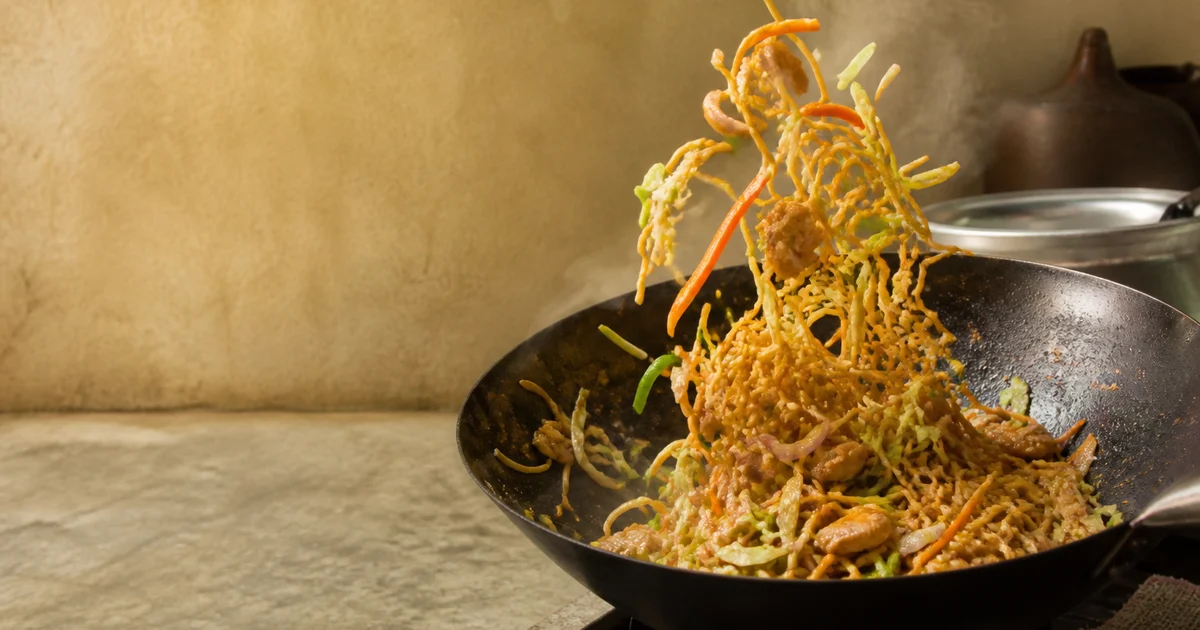
Commercial Chicken Chowmein Recipe
A 40-plate chicken chowmein recipe designed for fast counter service, with par-boiled noodles, measured bulk sauce and strict wok batch limits.
- Yield:
- about 40 plates
- Total:
- 2 hr 15 min
- Difficulty:
- Medium
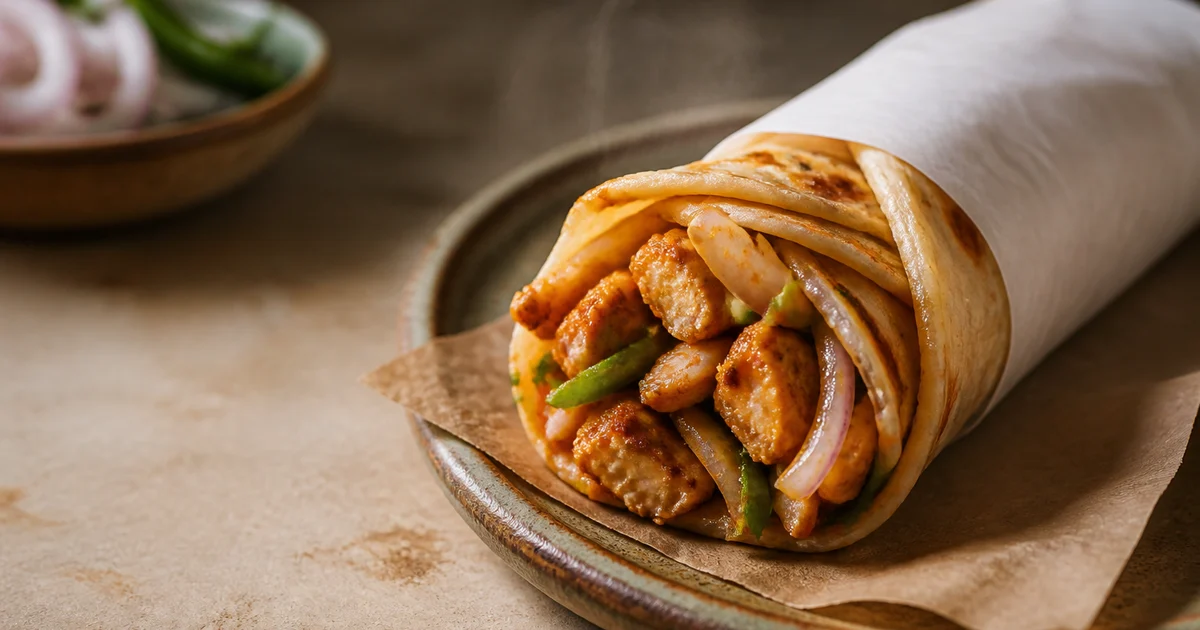
Commercial Bangladeshi Chicken Roll Recipe
A commercial chicken roll recipe producing 40 large rolls with flaky paratha, spiced chicken, egg, fresh vegetables and controlled portions.
- Yield:
- 40 large chicken rolls
- Total:
- 2 hr 30 min
- Difficulty:
- Medium
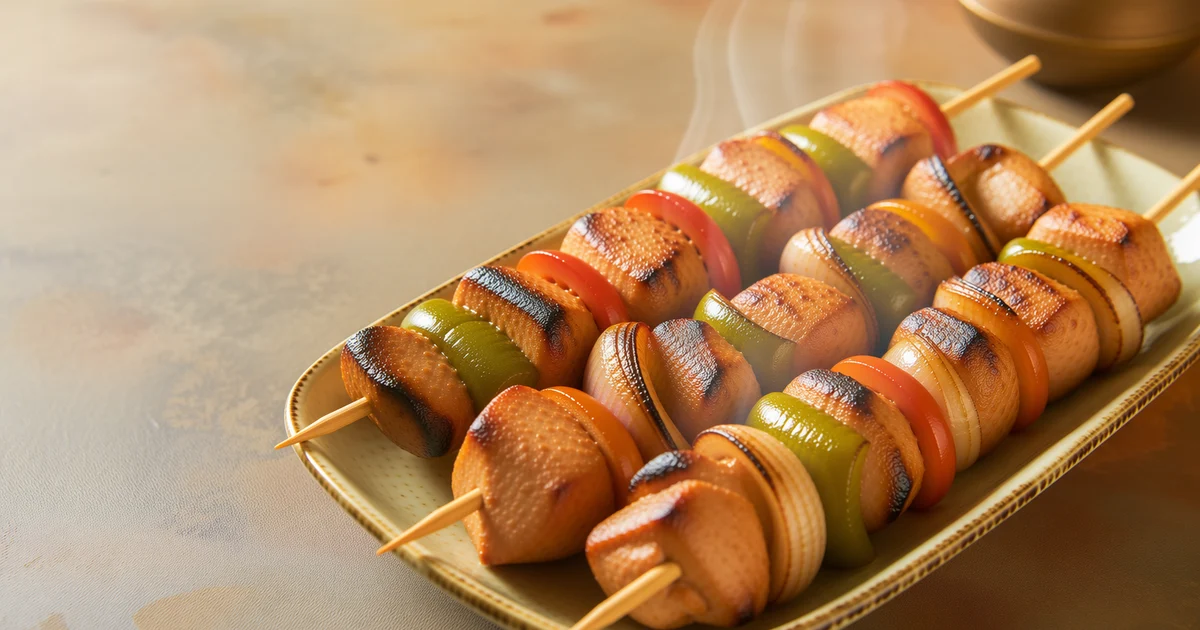
Commercial Chicken Shashlik Recipe
A commercial chicken shashlik recipe for 40 plates, covering uniform cubes, correct skewer order, advance preparation, service holding and fried rice plating.
- Yield:
- about 40 plates
- Total:
- 1 hr 45 min
- Difficulty:
- Medium
Run your restaurant on Rosuii
POS, menu, inventory, payroll and more — built for Bangladeshi restaurants.
Start free