
Restaurant Recipes
Vegetable Spring Roll
A commercial spring roll recipe for 100 crisp rolls, covering dry vegetable filling, fast wrapping, raw freezing, frying and portion control.
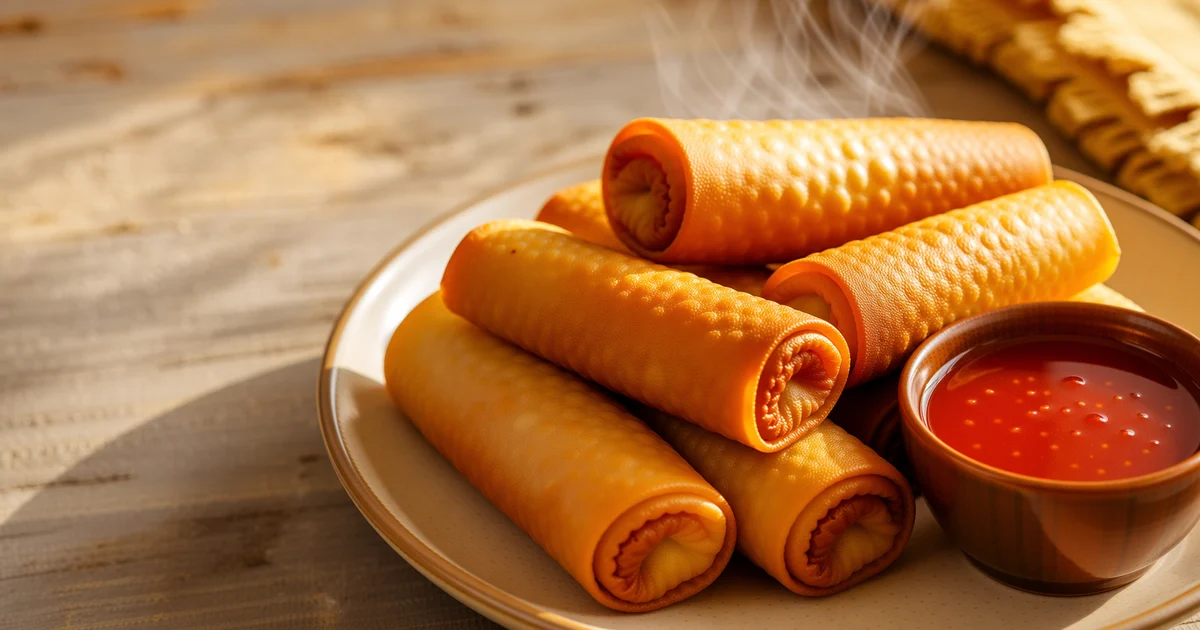
- Prep
- 1 hr 30 min
- Cook
- 1 hr 15 min
- Total
- 2 hr 45 min
- Yield
- 100 rolls, about 50 two-roll portions
- Difficulty
- Medium
- Cuisine
- Chinese
Method
- 1
Prepare and dry vegetables
Wash, cut and drain all vegetables before heating the wok. Keep them below 10°C during preparation and spread wet cabbage or beans on perforated trays for 10 to 15 minutes, until no water drips when squeezed lightly.
- 2
Stir-fry in small batches
Heat the wok to about 200°C and divide the oil, aromatics and vegetables into four equal batches. Cook each batch for 5 to 7 minutes, tossing continuously, until the vegetables soften slightly but retain colour and the wok stops filling with steam.
- 3
Season and remove moisture
Add the divided salt, white pepper, soy sauce and vinegar during the final 60 to 90 seconds of each batch. Add spring onion last and remove the filling when the wok base is dry, the cabbage is flexible and no liquid collects under a spoonful.
- 4
Cool the filling rapidly
Spread the filling no deeper than 3 cm on stainless-steel trays and leave it under ventilation for 15 to 20 minutes. Refrigerate promptly and cool to 5°C or below within four hours; the filling must feel cold and show no condensation before wrapping.
- 5
Mix the sealing paste
Whisk the cornflour and water at room temperature for about 1 minute. The paste should be smooth and thick enough to coat a brush without running like water; stir again every 15 minutes as the starch settles.
- 6
Set the wrapping station
Place the cold filling, digital scale, paste and covered wrappers within easy reach. Work in a room below 25°C where possible, expose only 10 to 15 wrappers at once and return any drying sheets under the cover immediately.
- 7
Fill and roll evenly
Weigh 32 to 35 g filling onto each wrapper, fold tightly and seal only the final corner with a thin layer of paste. A trained worker should complete each roll in about 35 to 45 seconds; the finished roll should be firm, straight and free from holes or loose ends.
- 8
Freeze raw rolls correctly
Arrange rolls seam-side down on lined trays without touching and transfer them to a -18°C freezer within 30 minutes of rolling. Freeze for 2 to 3 hours until hard, then pack and label them; properly frozen rolls should separate cleanly without bent corners.
- 9
Heat and manage fryer
Preheat clean soybean oil to 175 to 180°C for fresh rolls or 170°C for frozen rolls. Allow about 15 minutes for a commercial fryer to stabilise and confirm the temperature with its thermostat or a separate probe before loading.
- 10
Fry rolls to order
Fry fresh rolls for 3½ to 4½ minutes or frozen rolls for 5 to 6 minutes without thawing. Keep the oil above 165°C during frying and remove the rolls when evenly golden, blistered and floating freely with fewer active bubbles.
- 11
Drain, hold and serve
Drain the fried rolls on a raised wire rack for 60 to 90 seconds instead of placing them on paper in a pile. Serve immediately, or hold above 60°C for no more than 20 to 30 minutes; discard or record rolls that split, burn or become unsuitable for sale.
Notes for your kitchen
This spring roll recipe produces 100 crisp vegetable rolls for restaurant, cafe or food cart service. The batch is designed for 50 portions of two rolls each, with five additional wrappers allowed for tearing and handling loss. The filling is cooked dry, cooled before wrapping and suitable for freezing raw so operators can fry only what each service period requires.
Why spring rolls suit commercial service
Vegetable spring rolls work commercially because production can be separated from final frying. The kitchen can prepare, roll and freeze stock during quiet hours, then fry small quantities against KDS tickets or counter orders. This reduces last-minute preparation and gives customers a hotter, crisper snack.
The format also supports controlled menu variations. The same roll can be sold as a single snack, a two-piece plate, a combo side or a sharing portion. Keep the roll size unchanged across these offers so purchasing, production and portion control remain measurable.
Ingredient selection and quality
Wrapper quality and vegetable dryness matter more than expensive seasoning. Buy square frozen spring roll pastry around 20 cm wide, not thick flour roti or rice paper. A suitable wrapper should separate without cracking, fold without splitting and blister lightly during frying. Test one packet before committing to a large carton because thickness and breakage vary between suppliers.
Keep unopened wrappers frozen according to the supplier's instructions. Thaw sealed packets under refrigeration so condensation stays outside the pastry. Once opened, protect the stack with food-grade plastic or a barely damp cloth; a wet towel makes the sheets sticky, while uncovered sheets dry and crack.
Choose firm cabbage, carrots, French beans and capsicum without soft or water-damaged areas. Fine, consistent cutting is important because long or thick pieces puncture wrappers. Washed vegetables must drain fully before entering the wok. A salad spinner or perforated tray saves cooking time and reduces the steam that makes filling wet.
Light soy sauce should add salt and colour without making the vegetables dark. White pepper and vinegar provide the familiar Chinese-style profile, but both should remain restrained. The finished filling should taste slightly stronger than plain stir-fried vegetables because the wrapper and frying dilute the seasoning.
Technique that keeps rolls crisp
A crisp spring roll starts with filling that leaves no liquid on the cooling tray. Use a wide wok or heavy flat-top and divide the vegetables into four cooking batches. Overloading traps steam, lowers the pan temperature and turns cabbage water into sauce. Add salt and liquid seasoning near the end, then continue tossing until visible steam decreases and the wok base looks dry.
Cool before wrapping
Warm filling must never be sealed inside a spring roll wrapper. Spread it no deeper than 3 cm on clean stainless-steel trays and cool it quickly. Warm filling creates condensation, softens the pastry and encourages rolls to split in hot oil. For food safety, move the trays into refrigeration promptly and bring the filling to 5°C or below within four hours.
Control filling weight
Each wrapper should receive 32 to 35 g of cold filling. Place it in a compact line rather than a loose pile, fold the lower corner tightly over it, bring both sides inward and roll toward the final corner. Brush sealing paste only on the last corner. Paste spread over the whole wrapper produces heavy, floury patches.
An experienced worker with a prepared station can usually roll 80 to 100 pieces per hour. Speed falls when the filling tray is too far away, the wrappers are not pre-separated or the scale is shared with another task. Work with 10 to 15 wrappers at a time and keep the remaining stack covered. Arrange finished rolls seam-side down in one layer so their own weight helps close the seal.
Scaling the batch safely
Scale ingredient weights, but do not scale the amount placed in one wok. For a half batch, halve the vegetables and seasonings while retaining the same filling weight per roll. For a double batch, cook twice as many small wok loads instead of filling a larger pan to the rim.
Seasoning should be divided before cooking so every wok batch receives an equal amount. Weigh the final cooled filling and divide it by the planned 32 to 35 g allocation. If the yield is lower than expected, first check trimming loss, vegetable drainage and overcooking rather than quietly reducing every roll.
Freezing, frying and holding
Raw spring rolls freeze better than fried spring rolls. Place newly rolled pieces seam-side down on lined trays without touching and freeze uncovered at -18°C until firm, usually two to three hours. Pack them into labelled food-grade bags or boxes after hard freezing, remove excess air and record the production date. Use within 30 days for the best wrapper quality and protect the stock from thawing and refreezing.
Fry fresh rolls at 175 to 180°C and frozen rolls directly from the freezer at about 170°C. Do not thaw frozen rolls because surface condensation causes sticking, bursting and dangerous oil splatter. Load only enough pieces for the fryer to recover its set temperature quickly. A basket that is too full produces pale, oily rolls.
Frying to order gives the best result. If short holding is unavoidable, drain on a raised rack and keep above 60°C in a dry hot cabinet for no more than 20 to 30 minutes. Do not cover the tray or stack hot rolls. Reheat previously fried rolls in a 180°C convection oven for five to seven minutes, or refry at 185°C for 45 to 60 seconds, until crisp and at least 74°C in the centre.
Portioning and yield control
The standard yield is 100 saleable rolls or 50 two-roll portions. Count rolls when they enter the freezer and again when stock is issued to service. Record torn wrappers, leaking rolls, burnt pieces and staff meals separately rather than hiding them inside normal sales usage.
Serve each portion with a measured cup or squeeze-bottle amount of sauce. Uncontrolled sauce, garnish and disposable packaging can weaken the margin even when roll weight is correct. Compare production quantity with item sales and wastage at the end of each shift. Rosuii's productions feature can record raw materials being converted into finished spring roll stock, while its wastage and sales reports help operators investigate differences.
Keeping cost stable
Stable cost comes from controlling wrappers, frying oil and filling weight. Review supplier pack counts and wrapper breakage during recipe costing; a cheap packet is not economical if many sheets are stuck or cracked. Vegetable prices move seasonally, so adjust the balance between cabbage, carrot and beans without changing the total cooked filling weight or making the mixture wet.
Filter fryer oil after service, remove loose crumbs and avoid overheating empty oil. Burnt flour particles shorten oil life and transfer bitter flavour to later batches. Monitor actual oil issued to the fryer and replenished after filtration when reviewing food cost percentage.
Mistakes that cost money
The most expensive spring roll mistakes are wet filling, poor seals and uncontrolled fryer loading. Wet filling causes leaks, oil contamination and unsellable soft rolls. A thick sealing paste leaves hard edges, while a weak paste allows rolls to open. Keep the paste smooth, use it sparingly and fry a test roll before freezing the full batch.
- Overloaded wok: Vegetables boil in released water instead of frying dry.
- Warm filling: Condensation softens wrappers before they reach the fryer.
- Overfilled wrapper: The roll becomes difficult to close and commonly bursts.
- Exposed wrappers: Dry corners crack during rolling and increase wastage.
- Thawed frozen rolls: Sticky pastry tears and releases moisture into hot oil.
- Low oil temperature: The wrapper absorbs oil before it becomes crisp.
- Covered hot holding: Trapped steam softens the fried surface within minutes.
What drives the cost
Spring roll wrappers and frying oil usually dominate the controllable ingredient cost, especially when wrappers tear or oil is discarded early. Seasonal vegetable prices, supplier pack quality, filling weight and oil filtration practice cause the largest movement in batch cost.
Ingredient rates move with the market, so this describes what drives the cost rather than quoting a figure.
Questions from kitchens
How should this spring roll recipe be doubled?
How long can fried spring rolls be held for service?
Can frozen spring rolls be thawed before frying?
How long can raw vegetable spring rolls be stored?
What should I do if the batch yields fewer than 100 rolls?
Related recipes
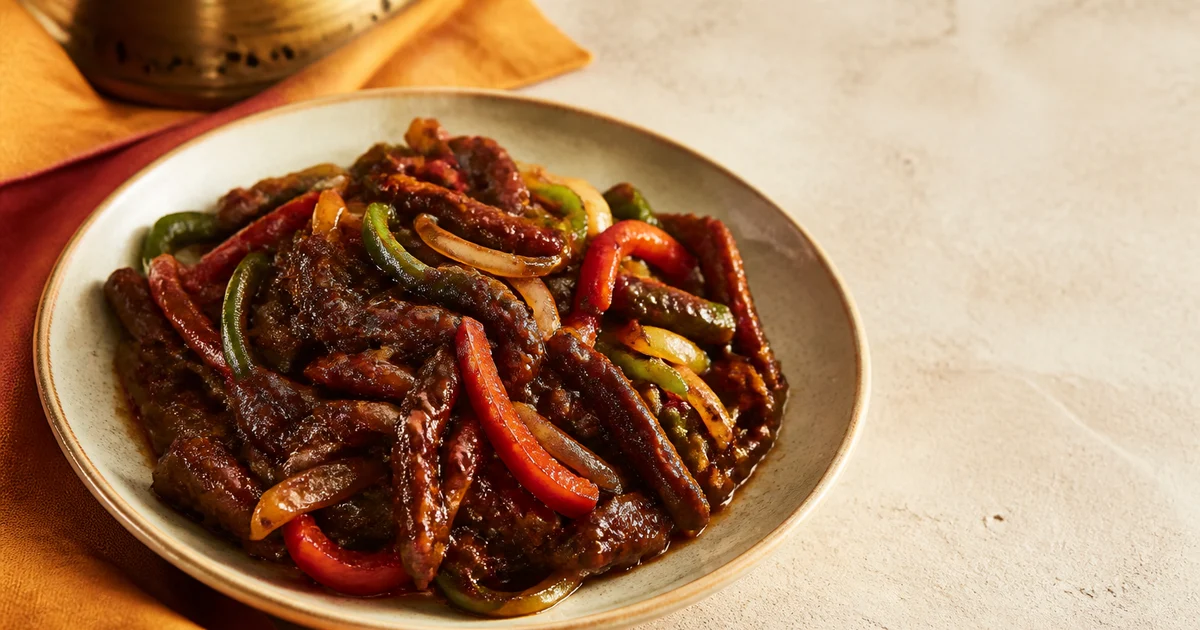
Beef Chilli Onion
A commercial beef chilli onion recipe for 40 plates, covering tender beef slicing, velveting, fast wok finishing, portion control and safe service holding.
- Yield:
- about 40 plates
- Total:
- 1 hr 45 min
- Difficulty:
- Medium
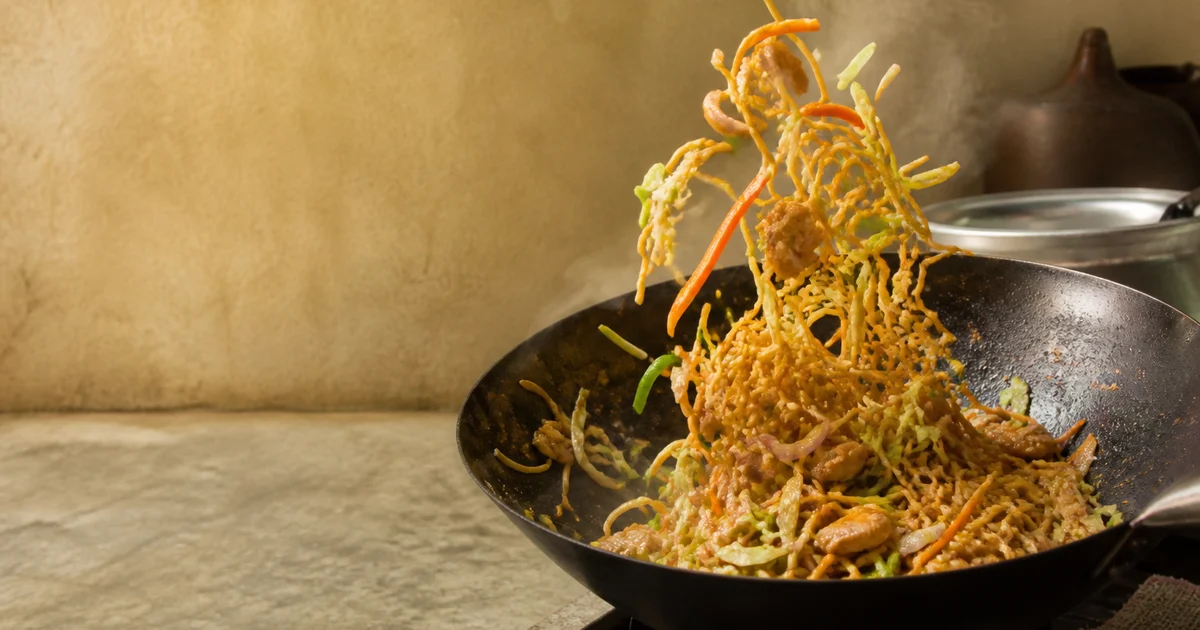
Commercial Chicken Chowmein Recipe
A 40-plate chicken chowmein recipe designed for fast counter service, with par-boiled noodles, measured bulk sauce and strict wok batch limits.
- Yield:
- about 40 plates
- Total:
- 2 hr 15 min
- Difficulty:
- Medium
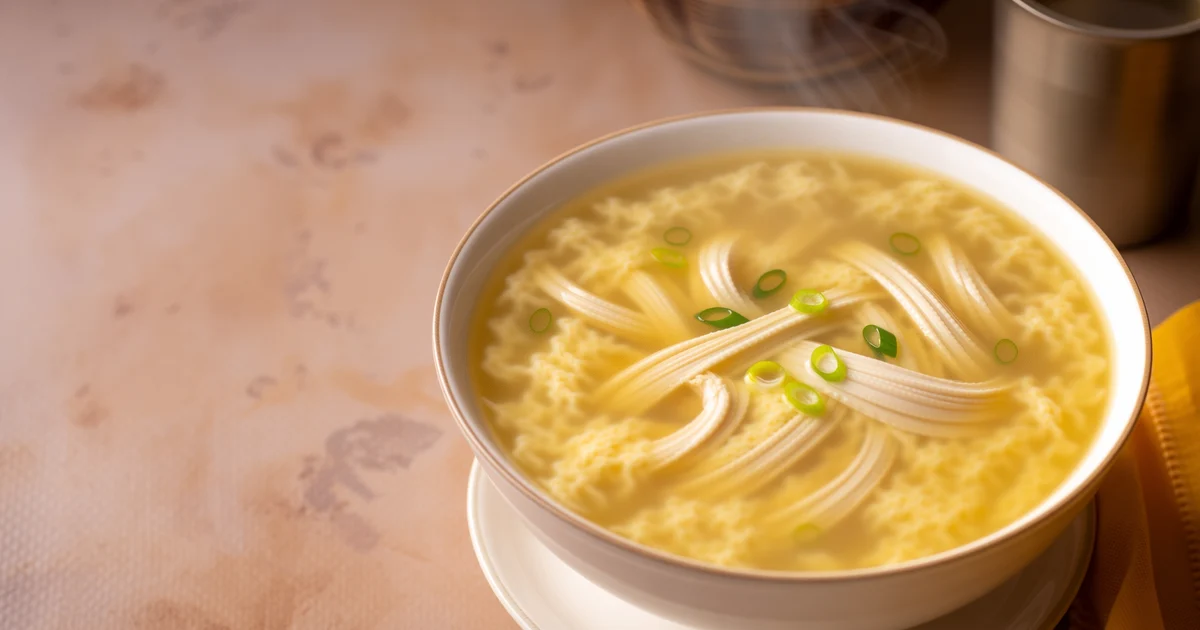
Restaurant Chicken Soup Recipe for 40 Portions
A commercial chicken soup recipe producing about 10 litres, with daily chicken stock, controlled cornflour thickening, egg ribbons and safe hot holding.
- Yield:
- about 40 plates
- Total:
- 2 hr 30 min
- Difficulty:
- Medium
Run your restaurant on Rosuii
POS, menu, inventory, payroll and more — built for Bangladeshi restaurants.
Start free