
Restaurant Recipes
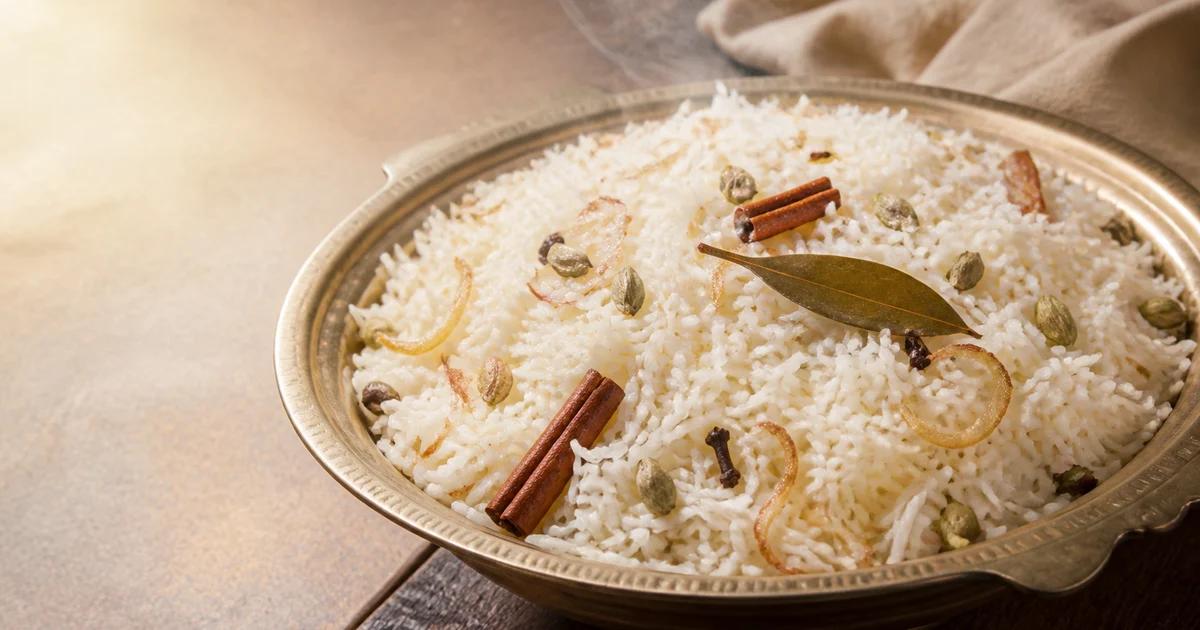
Commercial Plain Polao Recipe
A 3 kg commercial plain polao batch yielding about 40 side plates, with a tested water ratio, dum method, portion control and safe hot-holding guidance.
- Prep
- 35 min
- Cook
- 45 min
- Total
- 1 hr 20 min
- Yield
- about 40 plates
- Difficulty
- Medium
- Cuisine
- Bangladeshi
Method
- 1
Inspect the rice
Spread the rice on a clean tray and inspect it for stones, husk and excessive broken grains for 3 to 4 minutes. A suitable batch should have a consistent grain size and a clean aromatic smell.
- 2
Wash and soak
Wash the rice three or four times with cool water at about 20°C to 25°C, moving it gently with an open hand. Soak for 20 minutes; the grains should become slightly whiter but must not split when pressed lightly.
- 3
Drain rice thoroughly
Transfer the soaked rice to a commercial colander and drain for 15 minutes at room temperature. No steady water should drip from the base before the rice enters the cooking pot.
- 4
Heat cooking water
Heat the measured 3.75 litres of water separately to 90°C to 95°C. Keep it just below a full boil so it does not evaporate significantly while the spices and rice are fried.
- 5
Fry spices and onion
Heat the oil and ghee in the heavy pot over medium heat until the fat reaches roughly 145°C to 155°C. Add the whole spices for 45 to 60 seconds, then cook the onion for 8 to 10 minutes until evenly pale golden, not dark brown.
- 6
Add aromatics and rice
Add the ginger paste and green chillies and cook for 60 to 90 seconds until the raw ginger smell fades. Add the drained rice and fold gently over medium heat for 5 to 6 minutes, until the grains look glossy and move separately.
- 7
Add measured water
Pour in the hot water, then add salt and sugar and fold through once. Keep the pot uncovered over high heat for 4 to 6 minutes until it returns to a full boil and steam holes begin appearing across the surface.
- 8
Cook on dum
When very little free water remains visible, cover tightly and reduce the burner to its lowest stable heat. Cook for 18 to 20 minutes at a gentle internal simmer, rotating the pot once after 10 minutes if the burner heats unevenly.
- 9
Rest and finish
Switch off the heat and leave the pot covered for 15 minutes so the remaining steam equalises. Sprinkle in the kewra water, then lift the rice gently from the sides and bottom; finished grains should be tender, separate and free from visible liquid.
- 10
Portion or hold
Serve portions while the polao is above 63°C, or transfer it to shallow gastronorm pans within 10 minutes of fluffing. Vent heavy steam for 5 minutes, cover and hold at 63°C to 70°C without compressing the grains.
Notes for your kitchen
This plain polao recipe produces a practical 3 kg rice batch for about 40 restaurant side portions. It uses the absorption method, so the cooking water is measured rather than drained away. The target is fragrant, separate grains that remain soft without becoming wet or sticky during service.
Why plain polao suits commercial service
Plain polao is a reliable side because one controlled batch can support several main dishes. It pairs with roast chicken, beef rezala, korma, kebab, Chinese-style items and wedding menu combinations. A food cart can prepare it before opening, hold it hot and portion it quickly without stopping the main cooking line.
The dish also has a clear production standard. Once the kitchen fixes the rice variety, washing method, water ratio and portion weight, different cooks can reproduce nearly the same result. This matters because a small increase in serving weight across 40 plates can remove several saleable portions from the batch.
Choose rice for aroma and strength
Rice quality matters more than any other ingredient in plain polao. Aged Chinigura or Kalijira rice gives the familiar Bangladeshi aroma and short, fine grain. Buy a consistent grade with limited broken grains, dust or mixed varieties. New-season aromatic rice generally absorbs less water and becomes soft faster, while properly aged rice remains separate and is easier to hold.
Test every new supplier lot before using it for a full service batch. Cook a 500 g trial using the same soaking time, pot shape and heat source as production. Record whether the finished grains are firm, split, wet or dry. Expensive ghee cannot correct weak rice, excessive broken grain or an incorrect water ratio.
Ghee is the next important quality point. It should smell clean and buttery, not stale or heavily artificial. Neutral soybean oil moderates cost and helps prevent the ghee solids from scorching. Whole cardamom, cinnamon and cloves should be fresh enough to release aroma within the first minute of heating.
Control washing and cooking water
The working water ratio is 1.25 litres of cooking water per kilogram of soaked and thoroughly drained aromatic rice. For this batch, that means 3.75 litres after a 20-minute soak and a 15-minute drain. The ratio assumes aged Chinigura or Kalijira rice, a heavy covered pot and moderate evaporation.
Wash with cool water using an open hand rather than squeezing the grains. Three or four quick changes are usually enough. The final water can remain lightly cloudy; aggressive washing creates broken grains that release starch and make the polao sticky. Soaking should hydrate the grain evenly, but leaving fine aromatic rice underwater for much longer than 20 to 25 minutes can weaken it.
Drain time is part of the ratio. Rice moved directly from soaking water into the pot carries an uncontrolled quantity of extra water. Keep the colander over a tray for 15 minutes and weigh or time this stage consistently. If a new crop cooks too soft, reduce cooking water by 50 to 100 ml per kilogram in the next controlled test rather than changing several variables at once.
Build separation before dum cooking
Coating the drained rice in hot fat helps the grains remain separate during absorption cooking. The onions should be pale golden, not dark brown, because they continue cooking after the rice is added. Burnt onion or spices will colour the entire batch and create a bitter finish.
Fry the drained rice over medium heat until it looks glossy and moves loosely under the paddle. This stage removes surface moisture and distributes fat, but excessive stirring breaks the fine grains. Once the hot measured water is added, fold only enough to distribute salt and sugar.
Bring the pot back to a full boil before reducing the heat. The surface should show open steam holes and only a small amount of visible liquid before the lid is fitted. Dum cooking then completes absorption with gentle trapped steam. Opening the lid repeatedly lowers the temperature and encourages uneven cooking, especially in a deep commercial handi.
Scale by weight, not guesswork
Scale the rice, cooking water, salt, sugar and fat by weight or measured volume, but control batch depth separately. A 1.5 kg batch can be halved directly if the kitchen uses a proportionately smaller pot. A 6 kg requirement is better cooked in two 3 kg pots than in one unusually deep vessel.
Keep the uncooked rice bed reasonably shallow and use a pot with a heavy base and tight lid. Large pots lose proportionally less water through evaporation, so adding extra water simply because the batch is larger often produces sticky polao. For any new pot, burner or rice lot, run a small production test and document the final yield before service.
Hold and reheat without stickiness
Plain polao holds best at 63°C to 70°C in shallow batches with excess steam released before covering. After resting, fluff it gently and transfer it to clean gastronorm pans no deeper than about 8 to 10 cm. Leave the lid slightly open for 5 minutes so heavy steam can escape, then cover and move the pan to the hot-holding unit.
Do not compress the rice with the paddle or mix it every few minutes. Frequent handling breaks grains and pushes condensed moisture through the batch. For best quality, sell within 2 hours of hot holding and replenish the service pan in smaller quantities instead of exposing the full batch each time.
For chilled polao, cool it rapidly in shallow pans and refrigerate at 5°C or below. Reheat only once, adding about 20 to 30 ml of hot water per kilogram if the rice appears dry. Cover and heat by steamer or combi oven until the centre reaches at least 74°C, then fluff once before service. Repeated cooling and reheating damages texture and increases food-safety risk.
Control portions and saleable yield
A practical side portion is 150 to 165 g of finished polao, depending on the main dish and menu promise. This batch should finish at roughly 6.6 to 7 kg, allowing about 40 consistent plates after normal pot and transfer loss. Weigh the full cooked yield rather than assuming every batch is identical.
Use one standard scoop, but verify its filled weight at the beginning of every shift because loose and compressed scoops differ. Record staff meals, burnt rice and unsold portions separately from customer sales. A written portion control standard makes yield problems easier to identify.
Avoid mistakes that waste money
The most expensive mistakes are overwatering, uncontrolled portions and cooking more polao than the service can sell. Excess water turns premium aromatic rice into a low-yield sticky mass that may be rejected or over-portioned. Too little water leaves a hard centre, but adding cold water late creates uneven patches.
- Broken grains: Rough washing, long soaking and hard stirring release starch.
- Wet bottom layer: The burner was too low before boiling, the pot was overcrowded or the rice was not drained properly.
- Burnt base: A thin pot, excessive dum heat or a burner concentrated in the centre caused scorching.
- Flat aroma: Old rice, stale spices or kewra added before high-temperature cooking reduced fragrance.
- Sticky holding: The rice entered a deep covered pan while releasing heavy steam.
Track discarded and returned polao as part of reducing wastage, not as an unexplained kitchen shortage.
Keep production cost stable
Stable cost comes from fixed purchasing specifications, measured production and recorded finished yield. Rice and ghee require the closest supplier checks because changes in grade, age, purity and pack condition affect both price and performance. Compare usable results rather than choosing rice only by the lowest purchase rate.
Build the batch in a recipe costing sheet and update it whenever the rice brand, ghee or portion size changes. Rosuii can record a production that converts issued raw materials into finished polao stock and can separately record wastage, helping the operator compare expected yield with actual output.
What drives the cost
Aromatic rice and ghee dominate the ingredient cost, with rice variety, age, broken-grain percentage and ghee purity causing the largest movement. Portion size, supplier consistency and avoidable holding waste determine whether the finished batch stays within its planned cost.
Ingredient rates move with the market, so this describes what drives the cost rather than quoting a figure.
Questions from kitchens
Can this plain polao recipe be doubled to 6 kg of rice?
How long can plain polao stay in hot holding?
Can basmati rice replace Chinigura rice?
How long does cooked polao keep under refrigeration?
Why does the finished plate count change between batches?
Related recipes
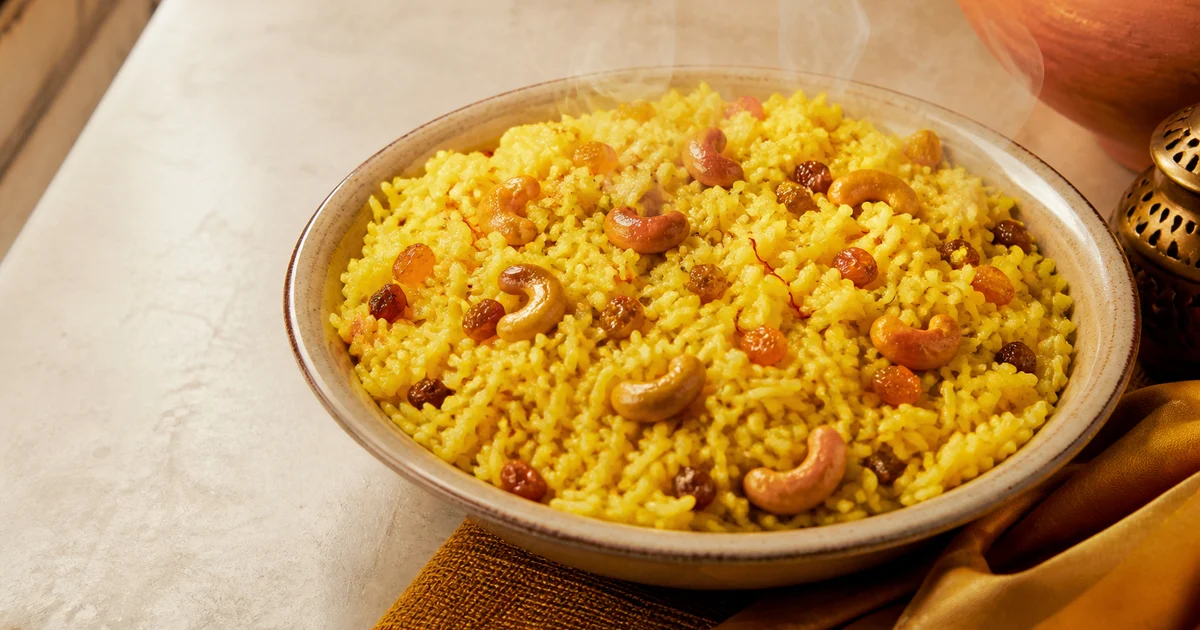
Commercial Basanti Polao Recipe
A 2 kg rice batch of golden, mildly sweet Basanti Polao for about 40 controlled portions, with practical cooking, holding and reheating guidance.
- Yield:
- about 40 plates
- Total:
- 1 hr 15 min
- Difficulty:
- Medium
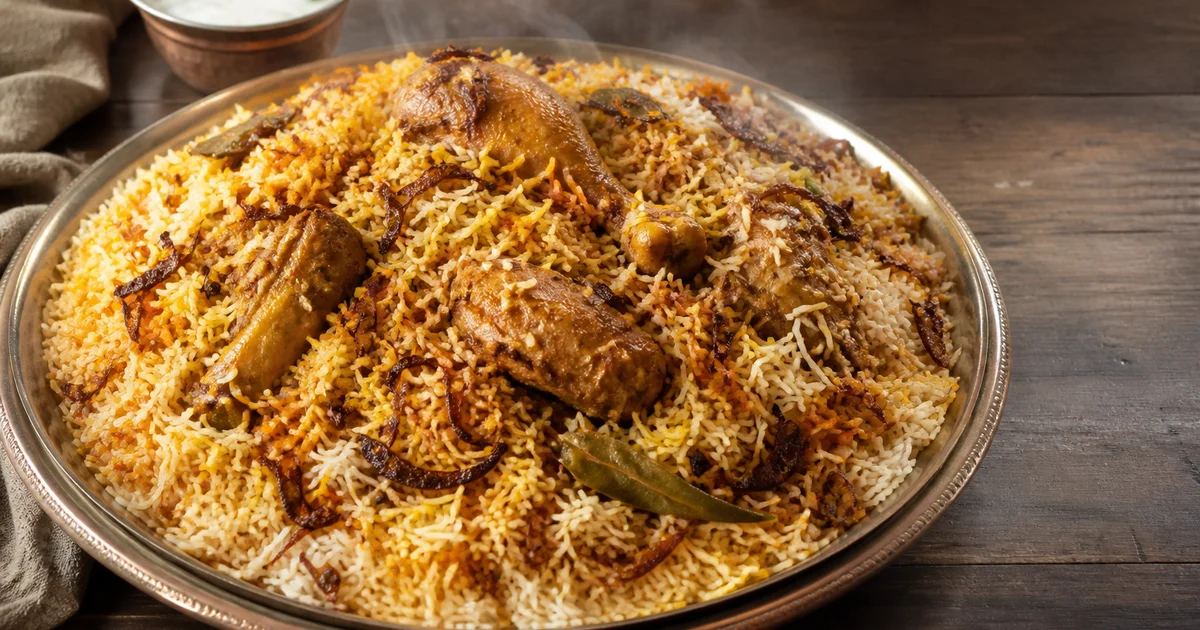
Commercial Chicken Biryani Recipe
A commercial pakki chicken biryani recipe yielding about 40 controlled portions, with guidance on par-cooking rice, dum, holding and scaling.
- Yield:
- about 40 plates
- Total:
- 4 hr 35 min
- Difficulty:
- Medium
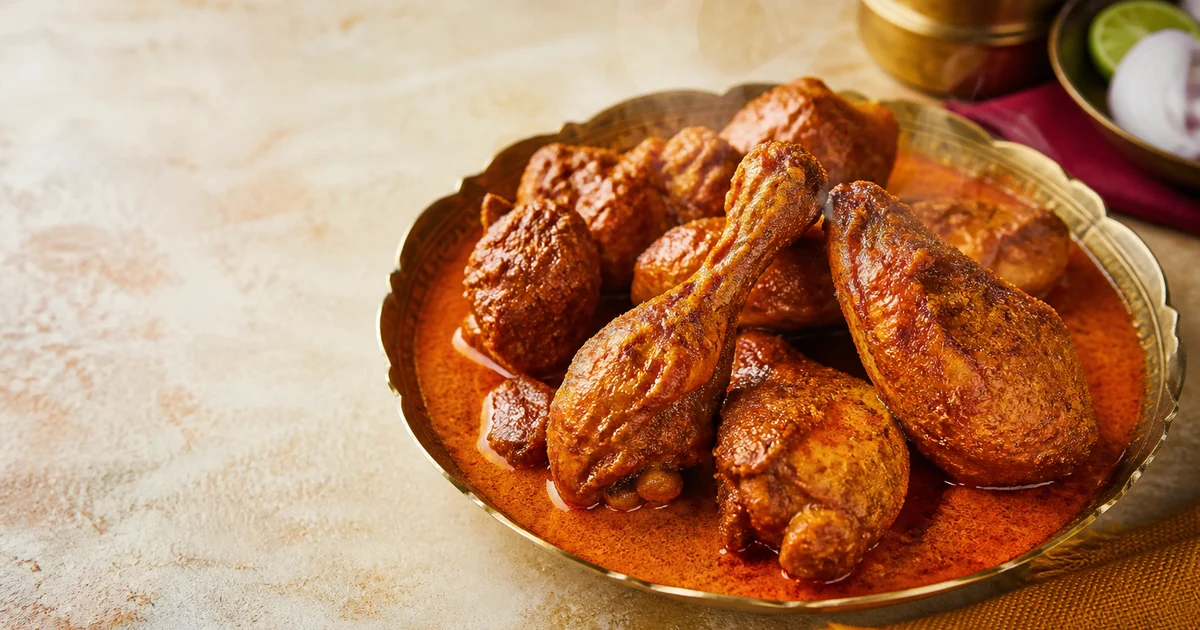
Commercial Bangladeshi Chicken Roast
A 40-portion biye-bari style chicken roast with first-fried chicken, controlled sweet-savoury gravy, catering yield guidance and service holding.
- Yield:
- about 40 plates
- Total:
- 2 hr 15 min
- Difficulty:
- Medium
Run your restaurant on Rosuii
POS, menu, inventory, payroll and more — built for Bangladeshi restaurants.
Start free