
Restaurant Recipes
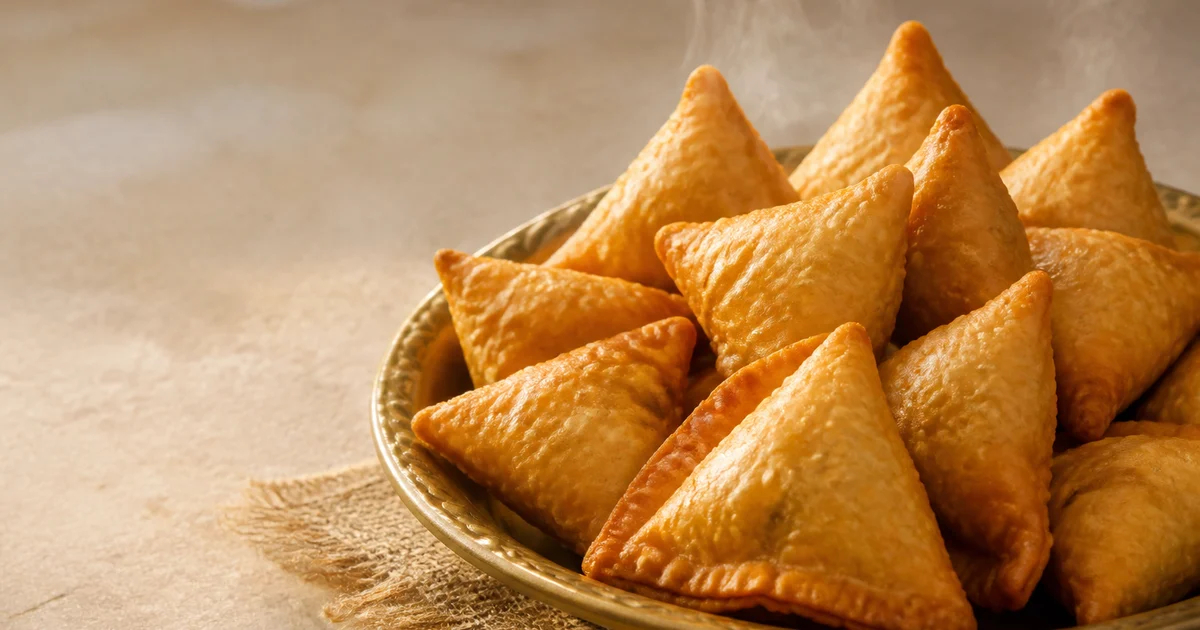
Commercial Bangladeshi Singara Recipe
A commercial singara recipe for 80 pieces, with measured dough, potato filling, fast shaping, controlled frying and practical peak-hour holding guidance.
- Prep
- 1 hr 30 min
- Cook
- 1 hr 15 min
- Total
- 2 hr 45 min
- Yield
- 80 singara, 40 portions of 2
- Difficulty
- Medium
- Cuisine
- Bangladeshi
Method
- 1
Combine the dry ingredients
Mix the sifted maida, 30 g salt and kalojira for 1 minute at room temperature. The seeds and salt should be evenly distributed with no visible flour lumps.
- 2
Rub in the oil
Add 360 ml soybean oil and rub or mix on low speed for 4 to 5 minutes. A squeezed handful should hold together, then break cleanly without feeling wet.
- 3
Hydrate and rest dough
Add 700 ml cool water gradually and mix for 5 to 7 minutes, adding only enough remaining water to form a firm dough. Cover and rest at 24 to 28°C for 30 minutes; the surface should become smoother without turning soft or sticky.
- 4
Cook and break potatoes
Simmer the whole unpeeled potatoes at 95 to 98°C for 18 to 25 minutes, depending on size. Drain when a knife enters with slight resistance, cool for 10 minutes, peel and break into 10 to 15 mm chunks.
- 5
Cook the spiced filling
Heat 120 ml oil to about 160°C, add whole cumin and cook for 20 seconds, then add ginger and green chilli for 1 minute. Add peas, peanuts, powdered spices and remaining salt, followed by potatoes; cook for 8 to 10 minutes until dry, evenly coated and leaving the pan cleanly. Fold in coriander leaves and lemon juice after removing from the heat.
- 6
Cool and portion filling
Spread the filling no deeper than 40 mm in shallow trays and cool to below 25°C within 45 minutes. Weigh 80 portions of 45 g; each portion should hold together without releasing water.
- 7
Divide and roll dough
After the 30-minute rest, divide the dough into 40 balls of approximately 72 g and keep them covered. Roll each ball into a thin oval about 18 cm long, then cut through the centre to make two semicircular wrappers with even, unbroken edges.
- 8
Form and fill cones
Moisten one straight edge lightly, overlap it to form a cone and press the seam for 3 to 4 seconds. Add one 45 g filling portion, leave 12 to 15 mm clear at the top and seal firmly; the finished piece should stand upright without cracks.
- 9
Fry slowly then finish
Load about 10 pieces into each fryer at 150 to 155°C and fry for 10 to 12 minutes, turning gently after the first 3 minutes. When the shell is firm and pale golden, raise the oil to 165 to 170°C for 2 to 3 minutes until evenly golden and crisp.
- 10
Drain and hold briefly
Drain the singara over the fryer for 20 seconds, then move them to perforated trays without stacking. Hold at 60 to 65°C for no more than 45 minutes; the shell should remain dry, rigid and free from oily patches.
Notes for your kitchen
This commercial singara recipe produces 80 medium pieces, sold as 40 portions of two. It is designed for a Bangladeshi food cart, tea shop, cafe or restaurant using two medium fryers. The shell stays flaky through controlled fat incorporation, firm dough and low-temperature frying, while the dry potato filling supports quick shaping without leakage.
Why singara works commercially
Singara works commercially because it uses familiar ingredients, can be prepared ahead and sells across breakfast, afternoon and evening service. Most production can be completed before the rush. The kitchen can shape a fixed quantity, fry in controlled batches and serve without assembling each order from separate components.
The product also supports clear portion sizes. Sell one large piece, two medium pieces or a fixed snack combination, but use a separate item or variation for each portion so staff do not guess. Tea, chutney and soft drinks can be offered separately without changing the singara production standard.
Ingredient selection and quality
The flour, potato condition and frying oil have the greatest effect on finished quality. Use fresh, dry maida with moderate gluten rather than bread flour. Strong flour makes the wrapper elastic and hard, while damp or insect-affected flour creates inconsistent water absorption and flavour.
Choose mature, floury potatoes that cook dry. Very waxy potatoes remain slippery, and waterlogged cold-storage potatoes can produce a loose filling that punctures the wrapper. Boiling potatoes in their skins limits water absorption. Green peas should remain firm after cooking, and roasted peanuts must smell fresh rather than stale or oily.
Use neutral refined soybean oil with no burnt smell. Filter it between services and discard it when it remains dark, foams excessively, smokes at normal frying temperature or gives the shell a bitter flavour. Continuously adding fresh oil does not correct badly degraded oil.
Dough for a flaky shell
A flaky, non-oily shell requires enough moyan, limited water and a firm resting dough. Rub the measured oil into the flour until a squeezed handful holds its shape and breaks cleanly when pressed. This coats flour particles and restricts gluten formation, creating short flaky layers instead of a bread-like crust.
Add water gradually because flour absorption changes with storage and humidity. The finished dough should be firmer than ruti dough, smooth enough to roll but not soft or sticky. A soft dough absorbs more oil, develops bubbles and loses its upright shape. Keep the rested dough covered because a dry surface produces cracked edges that are difficult to seal.
Managing the potato filling
The filling must be strongly seasoned, visibly chunky and completely cool before shaping. Break the cooked potatoes into pieces of approximately 10 to 15 mm instead of making a smooth mash. Small chunks provide structure, make portioning easier and reduce the dense paste-like texture that customers often associate with low-quality singara.
Cook the spices in oil before adding potatoes, but do not burn the cumin, ginger or powdered spices. Evaporate visible moisture until the mixture leaves the pan cleanly. Spread it in shallow trays rather than leaving it in a deep hot container, where retained steam softens the potatoes and creates condensation.
Fast shaping without leakage
Shaping becomes faster when dough and filling are portioned before the team starts folding. Divide the dough into 40 equal balls and cut each rolled oval into two wrappers. Portion the filling at 45 g using a scale or measured scoop. Keeping wrapper and filling weights fixed is more reliable than asking staff to judge by eye.
Brush or rub only a narrow line of water along the seam. Excess water makes the joint slippery, while too little leaves dry gaps. Form a cone, overlap the straight edges, fill without packing tightly and close the top with a firm pinch. Keep completed pieces under a lightly damp cloth and fry within 45 minutes when working at room temperature.
Frying through peak hours
Singara should enter oil at 150 to 155°C and finish at 165 to 170°C for a crisp shell with limited oil absorption. Starting too hot colours the outside before the thick folded seams cook. Starting below 145°C extends frying time and allows oil to enter the dough.
For an 8 litre fryer, load about 10 medium pieces at a time and leave enough space for movement. After loading, confirm that the temperature recovers above 145°C within two minutes. Fry gently until the shell feels firm and pale golden, then raise the temperature for final colour. Use separate baskets and stagger two fryers by five to six minutes during a rush so cooked batches reach the counter continuously.
Remove loose flour and crumbs between batches because they burn and shorten oil life. Check temperature with a probe or calibrated fryer control rather than judging only by flame size. Never add newly shaped singara to a fryer that is already close to finishing, as the mixed cooking times will cause uneven colour.
Scaling the batch safely
Scale the formula by weight, but keep dough mixing and fryer loads within the equipment's capacity. For each target piece, allow approximately 36 g wrapper dough and 45 g filling. When producing 160 pieces, double the ingredients but mix the dough as two 80-piece batches unless the mixer can develop the full quantity evenly.
Do not double the number placed in each fryer. More product causes a severe temperature drop, greasy shells and longer ticket times. For a smaller batch, halve every ingredient, including spices and moyan, instead of reducing only the potatoes. Record standard output and losses as part of recipe costing.
Holding and reheating
Freshly fried singara is best sold within 30 to 45 minutes in a dry cabinet at 60 to 65°C. Hold it in a single layer on a perforated tray, never in a closed plastic box or deep covered pan. Trapped steam softens the shell, while prolonged hot holding dries the potato filling and darkens the crust.
Cool unsold cooked pieces quickly and refrigerate at 5°C or below within two hours. Use them within 24 hours, reheating in a 180°C convection oven for 5 to 7 minutes until the centre reaches at least 74°C. A microwave makes the pastry soft and should not be used for saleable stock. Do not cool and reheat the same piece more than once.
Portioning and yield control
The expected saleable yield is 80 pieces when each wrapper and filling portion is weighed. Track cracked wrappers, leaked filling, burnt pieces and unsold stock separately from normal sales. This shows whether the loss came from production, frying or demand forecasting.
Use the guidance in portion control to train every shift against the same weights. Rosuii's productions feature can record raw materials converted into a finished batch, while its wastage records can capture damaged or unsold pieces. Compare actual output with the standard before changing the selling portion.
Mistakes that cost money
The most expensive mistakes are soft dough, wet filling, overfilled wrappers, overloaded fryers and uncontrolled holding. Soft dough increases oil absorption and creates fragile blisters. Wet or warm filling opens seams, contaminates fryer oil and turns one damaged piece into a problem for the whole batch.
- Skipping the scale: Oversized pieces reduce yield and create uncertain cooking times.
- Rolling too thin: Thin centres rupture under the weight of the filling, especially during basket movement.
- Using excessive flour: Loose bench flour falls into the fryer, burns and degrades the oil.
- Chasing colour with high heat: Dark shells may still have raw, doughy folds around the seams.
- Frying too far ahead: Long holding reduces crispness and increases unsold stock at closing.
Keeping ingredient cost stable
Stable cost comes from controlling filling weight, oil condition, fryer loading and production volume. Potatoes vary by season and usable yield, while peas, peanuts and frying oil move the batch cost more than small quantities of spices. Measure oil added to each fryer, record discarded oil and review reducing wastage when leakage or end-of-day leftovers increase.
What drives the cost
Frying oil, potatoes, green peas and peanuts account for most of the ingredient cost, with oil absorption and potato usable yield causing the largest operational changes. Stable wrapper and filling weights, filtered oil and accurate production forecasting keep the cost per saleable piece consistent.
Ingredient rates move with the market, so this describes what drives the cost rather than quoting a figure.
Questions from kitchens
How do I scale this singara recipe to 160 pieces?
How long can fried singara be held for service?
Can dalda or ghee replace the dough oil?
How long can shaped uncooked singara be stored?
Why did the batch produce fewer than 80 pieces?
Related recipes
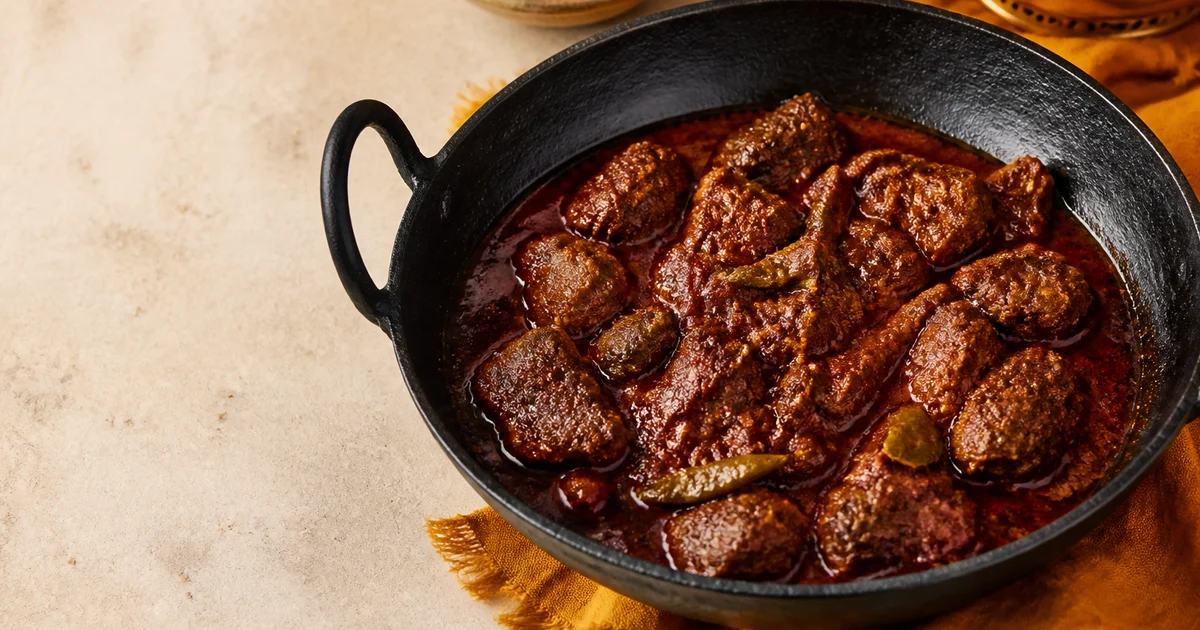
Commercial Beef Bhuna Recipe
A commercial beef bhuna recipe for about 40 plates, with a long bhuna stage, clear oil-separation cues, controlled portions and service-safe reheating.
- Yield:
- about 40 plates
- Total:
- 4 hr 15 min
- Difficulty:
- Medium
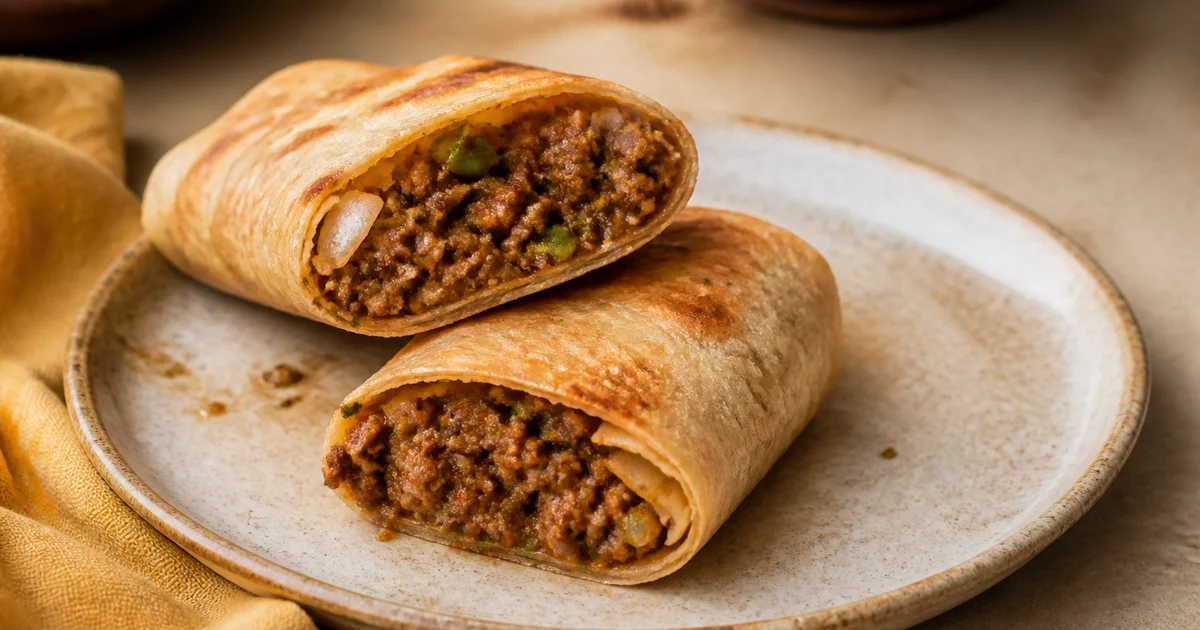
Commercial Bangladeshi Beef Roll Recipe
A commercial beef roll recipe producing 40 consistent rolls with tender cooked-down beef, crisp vegetables, controlled moisture and practical service guidance.
- Yield:
- 40 beef rolls
- Total:
- 1 hr 35 min
- Difficulty:
- Medium
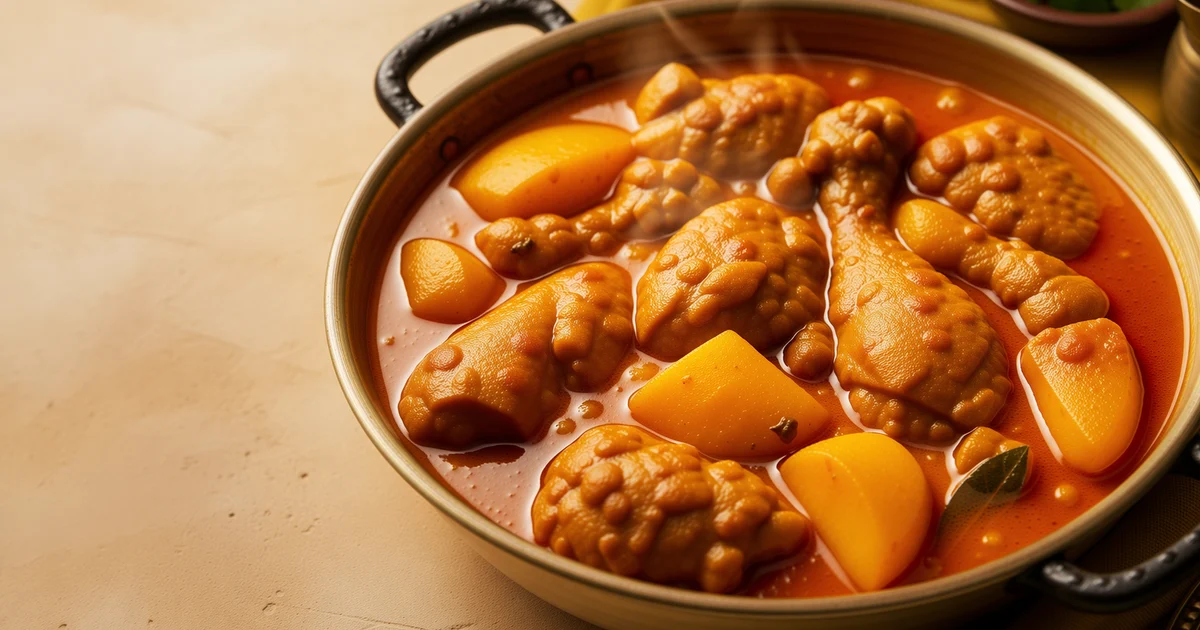
Everyday Chicken Curry
A 40-plate Bangladeshi chicken curry recipe built around reusable base masala, controlled portions and tender chicken for restaurant or food cart service.
- Yield:
- about 40 plates
- Total:
- 2 hr 35 min
- Difficulty:
- Medium
Run your restaurant on Rosuii
POS, menu, inventory, payroll and more — built for Bangladeshi restaurants.
Start free