
Restaurant Recipes
Commercial Tandoori Chicken Recipe
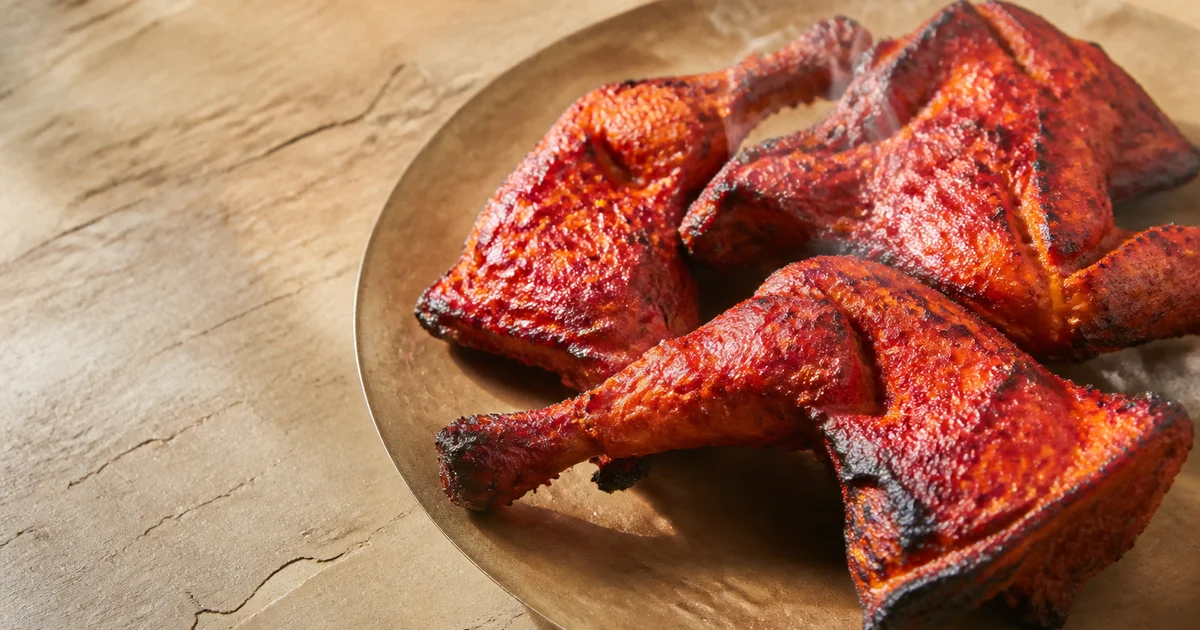
A commercial tandoori chicken recipe for 40 plates using scored leg quarters, double marinade, controlled colour and tandoor or oven cooking.
- Prep
- 50 min
- Cook
- 35 min
- Total
- 1 hr 25 min
- Yield
- about 40 plates
- Difficulty
- Medium
- Cuisine
- Bangladeshi
Method
- 1
Trim and score chicken
Keep the chicken at 5°C or below while trimming visible fat and loose tissue for 10 to 15 minutes. Cut two or three deep scores into the thick flesh of each piece, stopping before the bone; the cuts should open slightly when flexed but the piece must remain intact.
- 2
Apply first marinade
Mix lemon juice, salt, ginger paste and garlic paste, then rub it into every score and around each joint. Refrigerate at 0 to 5°C for 30 to 45 minutes; the surface should look moist but should not sit in a deep pool of liquid.
- 3
Prepare second marinade
Whisk the cold yoghurt with roasted gram flour, dry spices, mustard oil and optional colour for 2 to 3 minutes. Keep the mixture below 5°C; it is ready when smooth, evenly coloured and thick enough to coat the back of a spoon without running off.
- 4
Coat and chill
Drain excess liquid from the first marinade, then massage the second marinade over each piece and deep into the scores. Cover and refrigerate at 0 to 5°C for 8 to 12 hours; the coating should still cling firmly when a piece is lifted.
- 5
Preheat cooking equipment
Heat a tandoor to a steady 350 to 400°C for 30 to 45 minutes, or preheat a convection oven to 240°C for at least 20 minutes. The tandoor walls should glow evenly, or the oven indicator should recover fully after empty racks are inserted.
- 6
Cook in tandoor
For tandoor cooking, load spaced pieces onto skewers and cook for 18 to 24 minutes, rotating once after about 10 minutes. The coating should become dry and blistered with dark edges, not covered in wet black soot.
- 7
Use oven alternative
For oven cooking, arrange pieces on wire racks and roast at 240°C for 26 to 32 minutes, rotating trays after 15 minutes. Finish under a 250°C top grill for 2 to 3 minutes if needed, until the high points are lightly charred and the coating is set.
- 8
Baste and verify temperature
Brush lightly with melted ghee during the final 4 to 5 minutes rather than at the beginning. Probe the thickest part near the bone and continue cooking until it reaches at least 75°C; clear juices and firm, opaque flesh should be visible inside a test score.
- 9
Rest and hold safely
Rest the cooked chicken for 5 minutes before plating so surface juices settle and the coating remains attached. Serve immediately or transfer to holding above 60°C for no more than two hours; discard or rapidly chill any planned leftovers instead of leaving them at room temperature.
Notes for your kitchen
This tandoori chicken recipe produces 40 controlled portions for a restaurant, cafe or food cart. It uses 10 kg of skinless chicken leg quarters, with each raw piece weighing 240 to 260 g. Active preparation and cooking take about 85 minutes, while the second marinade needs 8 to 12 hours under refrigeration.
Why the dish suits commercial service
Tandoori chicken works commercially because most preparation happens before service and the final cooking can be organised in batches. Leg quarters are easier to portion than mixed cuts, tolerate high heat and remain reasonably moist during short holding. The same cooked piece can be sold as a main plate, rice combo or add-on without changing the production method.
Demand must still be forecast carefully. Cooking all 40 pieces at once during a slow shift creates drying and waste, while cooking from raw after every order causes long ticket times. Divide the marinated batch into service waves based on hourly sales, then cook enough for the next 20 to 30 minutes.
Ingredient quality and selection
Chicken size, yoghurt thickness and spice freshness matter more than heavy colouring. Buy leg quarters within a narrow 240 to 260 g range so cooking time and plate appearance remain consistent. Reject pieces with broken bones, excessive blood pockets, freezer burn or thick surface fat. Remove the skin because it blocks marinade contact and becomes rubbery when crowded.
Use plain unsweetened tok doi or yoghurt that is thick enough to stay on a vertical piece. Watery yoghurt runs off, carries spices into the tray and leaves a pale surface. Drain loose yoghurt through clean muslin under refrigeration for 30 to 60 minutes. Fresh ginger and garlic pastes give a cleaner aroma than old, fermented paste.
Kashmiri morich powder and paprika provide most of the red colour without making the batch excessively hot. A small amount of turmeric warms the colour, while mustard oil supports the familiar Bangladeshi flavour. If food colour is used, use only a permitted food-grade product at its labelled dosage. The small optional quantity in this batch should support the spice colour, not turn the meat fluorescent red.
Why scoring and double marination matter
Deep scoring and two separate marinades season the meat more evenly than one thick marinade. Make two or three cuts across the thickest part of each leg quarter, reaching close to the bone without cutting through it. Shallow decorative cuts do not help seasoning, while cuts through the joint make the piece break during skewering and service.
The first marinade is thin and contains salt, acid, ginger and garlic. It enters the scores and starts seasoning the flesh before the yoghurt coating is added. Keep this stage short because prolonged acid exposure can make the outside soft and chalky.
The second marinade supplies spice, aroma, fat and surface adhesion. Roasted besan absorbs free moisture and helps the coating remain attached, but too much creates a floury crust. Rub the mixture into every score and around the joint rather than spreading it only over the outside. Marinate in shallow food-grade trays so the lower pieces are not crushed under a deep stack.
Tandoor and oven cooking
A tandoor gives stronger smoke and edge charring, but a hot convection oven can produce a consistent small-kitchen result. For a tandoor, establish steady heat before loading and avoid placing the meat directly over uncontrolled flames. Leave space between pieces on each skewer so hot air reaches the inner surfaces. Rotate skewers if one side of the chamber is hotter.
For an oven, use wire racks over lined trays rather than placing chicken directly in pooled marinade. Preheat fully and avoid opening the door repeatedly. A top grill or salamander can supply the final char after the chicken is nearly cooked. Do not imitate tandoor colour by overcooking the whole piece.
Whichever appliance is used, temperature is the release standard. Check the thickest section near the bone with a sanitised probe and reach at least 75°C. The coating should look dry and lightly blistered, the scores should have dark edges, and the juices should not appear bloody.
Scaling the batch safely
Scale marinade by chicken weight, but scale cooking capacity by rack or skewer space. A half batch uses 5 kg chicken and half of every marinade ingredient. A double batch uses 20 kg chicken and double the marinade, but it must not be forced into the same refrigerator trays or cooking chamber.
Record chicken weight after trimming because discarded skin and fat should not receive marinade allocation. Weigh salt, spices and optional colour rather than using kitchen spoons for larger batches. Keep the same score depth, marination time and piece-size range at every scale. Do not double cooking time when doubling production; cook additional loads under the same heat conditions.
Holding and reheating for service
Freshly cooked tandoori chicken should be held above 60°C and sold within two hours for acceptable quality. Use a covered hot cabinet or a shallow covered pan, but allow a small vent so condensation does not soften the coating. Brush only lightly with melted ghee because repeated basting makes the holding tray greasy.
For faster service, cook planned waves rather than keeping a full batch hot. If cooked chicken must be chilled, cool it from 60°C to 21°C within two hours and from 21°C to 5°C within a further four hours. Refrigerate covered and use within 24 hours. Reheat once at 220 to 230°C until the centre returns to 75°C, then serve immediately. Do not mix reheated pieces with a fresh batch.
Portioning and yield control
One raw leg quarter in the 240 to 260 g range equals one standard main-course portion. Forty accepted pieces should therefore produce about 40 plates, provided damaged or undersized pieces are removed before marination. Count pieces and record trimmed weight at the same time because weight alone can hide an incorrect portion count.
Test-cook and weigh several pieces to establish the kitchen's actual cooked yield, since bird size, injection, thawing loss and cooking intensity change shrinkage. Use one fixed rice scoop, salad weight and sauce cup if the chicken is sold as a combo. A written portion control standard prevents staff from adding a second small piece without recording it.
Mistakes that waste money
The most expensive mistakes are irregular chicken sizes, wet marinade, overcrowding and cooking beyond the target temperature. Mixed sizes force staff to leave smaller pieces in the heat while larger ones finish. That reduces cooked yield and produces dry portions. Separate unusually large pieces into their own cooking load.
- Do not skip scoring, because thick joints can remain bland even when the outside looks heavily seasoned.
- Do not apply the yoghurt marinade before the first marinade has had time to enter the cuts.
- Do not pour leftover raw marinade over cooked chicken because it has contacted uncooked poultry.
- Do not crowd oven trays, since trapped steam prevents browning and strips off the coating.
- Do not judge doneness only by red colour, because spice and permitted colour can hide visual changes.
- Do not repeatedly cool, reheat and return unsold pieces to holding.
Keeping food cost stable
Stable cost comes from fixed chicken specifications, measured marinade and accurate production records. Chicken is the main cost driver, so compare suppliers by accepted trimmed weight, size consistency and thawing loss rather than invoice weight alone. Monitor yoghurt drainage, marinade left in trays and cooked shrinkage as part of recipe costing.
Track damaged pieces, expired marinated stock and unsold cooked portions instead of hiding them inside general usage. Review the dish's food cost percentage whenever chicken size, supplier yield or serving format changes. In Rosuii, this batch can be recorded as a production that converts raw stock into finished portions, with separate wastage records for rejected or unsold pieces.
What drives the cost
Chicken dominates the cost, followed by thick yoghurt, mustard oil and spices. Cost moves mainly with bird size consistency, trimming loss, supplier yield, cooking shrinkage and the number of unsold cooked portions.
Ingredient rates move with the market, so this describes what drives the cost rather than quoting a figure.
Questions from kitchens
How do I scale this tandoori chicken recipe to 20 or 80 plates?
How long can raw marinated chicken be refrigerated?
Can a small food cart make this without a tandoor?
How long can cooked tandoori chicken stay in hot holding?
Why did a 40-piece batch produce fewer than 40 sellable plates?
Related recipes
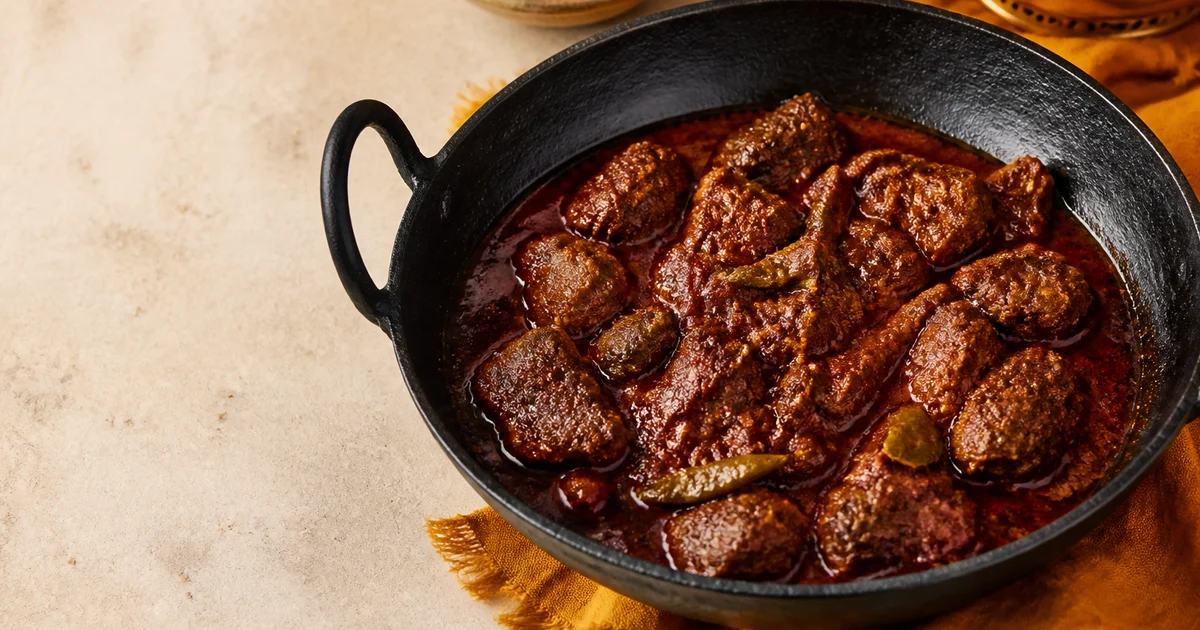
Commercial Beef Bhuna Recipe
A commercial beef bhuna recipe for about 40 plates, with a long bhuna stage, clear oil-separation cues, controlled portions and service-safe reheating.
- Yield:
- about 40 plates
- Total:
- 4 hr 15 min
- Difficulty:
- Medium
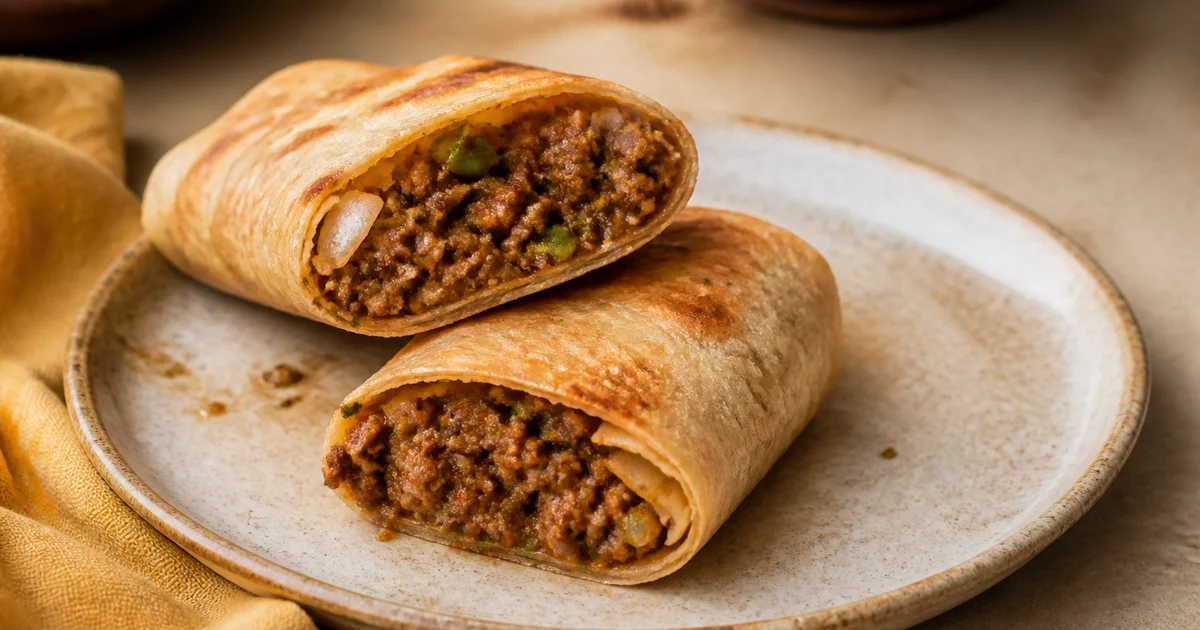
Commercial Bangladeshi Beef Roll Recipe
A commercial beef roll recipe producing 40 consistent rolls with tender cooked-down beef, crisp vegetables, controlled moisture and practical service guidance.
- Yield:
- 40 beef rolls
- Total:
- 1 hr 35 min
- Difficulty:
- Medium
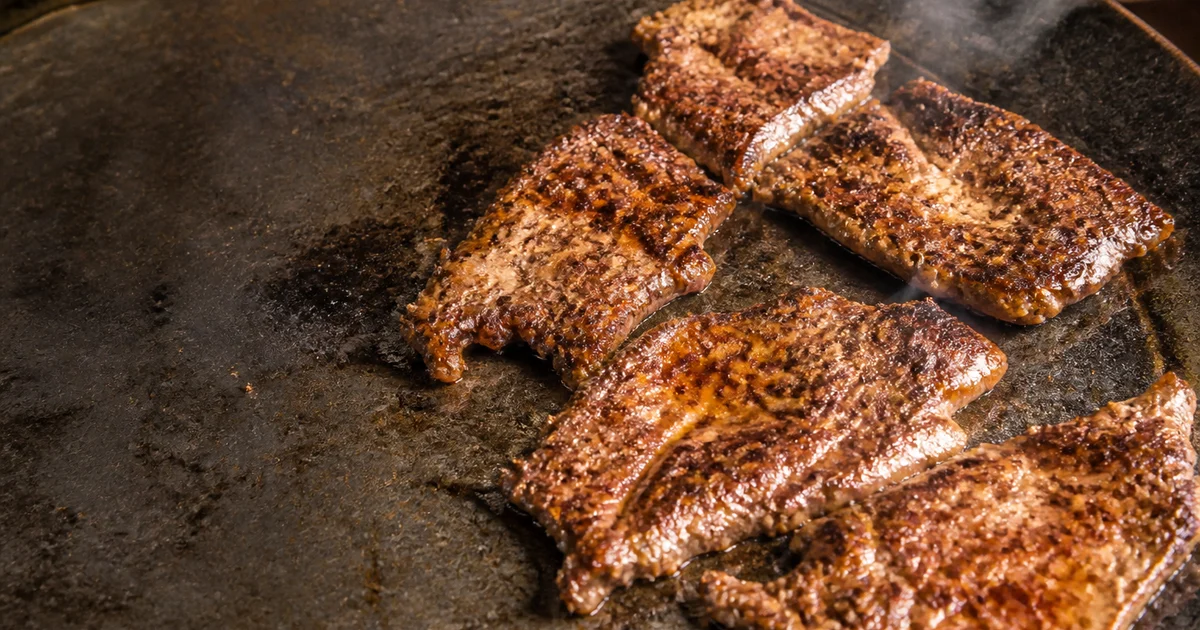
Commercial Beef Chaap Recipe
A commercial beef chaap recipe for 40 plates, covering controlled tenderising, slow tawa cooking, service holding and consistent portion yield.
- Yield:
- about 40 plates
- Total:
- 2 hr 20 min
- Difficulty:
- Medium
Run your restaurant on Rosuii
POS, menu, inventory, payroll and more — built for Bangladeshi restaurants.
Start free