
Restaurant Recipes
Commercial Morog Polao Recipe for 32 Plates
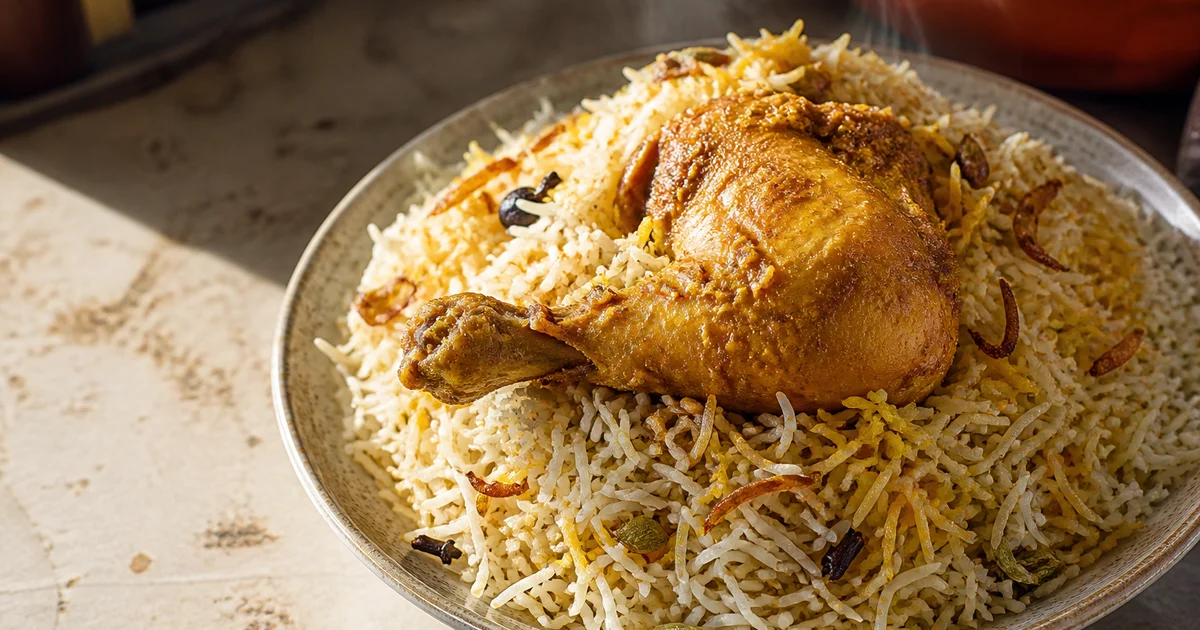
A commercial morog polao recipe yielding 32 controlled plates, with consistent chicken portions, milk-based korma, separate rice and service guidance.
- Prep
- 1 hr
- Cook
- 1 hr 35 min
- Total
- 2 hr 35 min
- Yield
- about 32 plates
- Difficulty
- Medium
- Cuisine
- Bangladeshi
Method
- 1
Portion and marinate chicken
Cut each chicken into two breast-wing and two leg-thigh quarters, then verify that there are 32 portions. Mix with 80 g salt, half the ginger and garlic, yoghurt, cumin and white pepper. Marinate covered at 0 to 5°C for 30 minutes.
- 2
Wash and soak rice
Wash the Chinigura rice gently in several changes of water until the water is mostly clear. Soak for 15 minutes, then drain without rubbing the grains. The soaked grains should bend slightly but should not break under light pressure.
- 3
Fry the sliced onions
Heat soybean oil with 150 g ghee to 160 to 170°C and fry the onion in three or four batches. Cook each batch for 10 to 14 minutes until evenly golden, removing it before it becomes dark brown. Drain well and reserve one-third for layering.
- 4
Build the korma base
Keep about 250 ml frying fat in the handi and heat the whole garam masala and bay leaves for 30 to 45 seconds over medium heat. Add the remaining ginger and garlic, cooking for 2 minutes until the raw smell disappears. Crush two-thirds of the fried onion into the pot and stir until the base looks glossy.
- 5
Cook the chicken korma
Add the marinated chicken and cook over medium heat for 8 to 10 minutes, turning carefully until the surface loses its raw colour. Add warm milk gradually, followed by sugar, half the green chillies and another 50 g salt. Simmer gently for 25 to 35 minutes until each portion reaches 74°C and the gravy coats a spoon.
- 6
Count chicken and gravy
Lift the chicken portions into covered trays and confirm that all 32 pieces are present. Reduce the gravy for 5 to 8 minutes if it is watery; it should leave a clear trail when a spoon crosses the pot. Do not reduce until oily or dry.
- 7
Partially boil the rice
Bring 15 litres water and the remaining salt to a strong boil, then add the drained rice. Boil uncovered for 6 to 8 minutes, checking frequently, until the grain is about 70 percent cooked with a narrow firm centre. Drain immediately and allow steam to escape for 3 minutes.
- 8
Layer chicken and rice
Coat the clean handi with 150 g ghee and spread one-third of the rice without pressing it. Distribute chicken, korma gravy, remaining rice, green chillies, reserved beresta and remaining ghee in even layers. Sprinkle kewra water across the surface rather than pouring it in one spot.
- 9
Finish under sealed dum
Cover tightly and place the handi over a tawa or heat diffuser. Cook over medium-low heat for 10 minutes until steady steam develops, then reduce to low heat for 18 to 22 minutes. Switch off the burner and rest covered for 15 minutes; properly cooked rice will be tender, separate and evenly aromatic.
- 10
Fluff and portion service
Open the pot away from the face and lift rice gently from the sides with a flat paddle. Check that chicken is at least 74°C and count the portions before service. Serve one chicken quarter with a controlled rice portion, or hold covered above 60°C for no more than two hours for best quality.
Notes for your kitchen
This commercial morog polao recipe produces about 32 full plates from eight consistently sized chickens and 4 kg of aromatic rice. It is designed for a Bangladeshi restaurant, catering kitchen or food cart that needs repeatable flavour, predictable yield and fast service. Each plate receives one bone-in chicken quarter and a controlled portion of finished polao.
Why Morog Polao Works Commercially
Morog polao works well commercially because the chicken and rice can be batch-cooked, portioned and served without last-minute frying. A sealed handi also travels reasonably well for catering, while individual portions can be held in covered hotel pans for counter service. The dish has a clear premium identity, but its production still depends on familiar kitchen equipment and locally available ingredients.
The main operational challenge is consistency. If chickens vary greatly in size, one customer receives a large leg quarter while another receives a small breast portion. If rice is served by eye, the first plates become oversized and the final plates run short. Standardising the bird size, rice weight and serving utensil solves most of these problems.
Ingredient Selection and Quality
Chicken size and rice quality matter more than adding extra spices. Buy dressed broiler chickens within a narrow 1.1 to 1.2 kg range. Cut every bird lengthwise and divide each half into one breast-wing quarter and one leg-thigh quarter, giving four saleable portions per bird. Reject very small birds or separate them into another production batch rather than mixing sizes.
Chinigura rice gives the expected Bangladeshi aroma and short, fine grain. Use rice from one supplier and one lot where possible because old and new rice absorb water differently. The grains should smell fresh, remain mostly whole and show little powder at the bottom of the sack. Excess broken grain releases starch and makes the finished polao clump.
Use plain, unsweetened yoghurt without excessive whey. Fresh full-cream milk gives body to the korma, but it must be warmed before addition. Cold milk added to a hot acidic yoghurt gravy can split. Pure ghee supplies the characteristic aroma, while soybean oil makes frying easier and prevents the batch from becoming excessively heavy. More ghee does not automatically produce better polao.
Fresh ginger and garlic paste should smell clean rather than fermented. Kewra water varies greatly in strength, so test a new bottle before using the full batch quantity. Artificially strong kewra can dominate both the chicken and rice.
Understanding the Chicken Korma Stage
The korma is ready when the chicken is tender, the fat has separated lightly and the gravy coats the meat without running like milk. This stage builds most of the flavour in morog polao. The onion must be fried evenly, the yoghurt cooked until its raw acidity disappears, and the milk incorporated without curdling.
Fry sliced onion in several batches rather than overcrowding the pot. Crowded onion steams, becomes soft and absorbs oil instead of turning crisp. Reserve part of the golden beresta for layering and crush the remainder into the korma to thicken it naturally.
After adding yoghurt, keep the heat moderate and stir continuously until the mixture becomes glossy. Add warm milk gradually once the chicken has started releasing moisture. A hard boil toughens the breast meat and can separate the dairy. Maintain a gentle simmer and remove each chicken portion once it reaches at least 74°C in the thickest part.
Before layering, count the cooked chicken portions and inspect the gravy. It should be thick enough to cling to a spoon. Watery korma continues cooking the rice during dum and creates a wet bottom layer, while an over-reduced gravy leaves the rice dry.
Keeping Rice Grains Separate
Separate grains come from controlled washing, short soaking, partial boiling and complete draining. Wash gently until the water is mostly clear, then soak only for the stated time. Long soaking weakens fine Chinigura grains and causes breakage during draining and layering.
Use a wide pot with enough boiling water for the rice to move freely. The rice is ready to drain when the outside is soft but the centre still has a narrow firm core. Drain immediately and leave it undisturbed for a few minutes so surface steam escapes. Do not stir wet rice with a metal spoon.
During layering, distribute chicken and gravy across the full pot instead of concentrating them in the centre. Use a flat tawa or heat diffuser below thin aluminium handi bottoms. Dum should create gentle steam without scorching, and the rice needs a covered resting period before fluffing.
Scaling the Batch Safely
Scale morog polao by chicken portions and rice weight, not by pot size or guesswork. One standard batch uses 32 chicken quarters and 4 kg raw rice. For 16 plates, halve every ingredient and use a smaller handi so the rice layer does not become too shallow. For 64 plates, make two separate batches unless the kitchen has a properly sized tilting pan or steam kettle.
Spices, salt, milk and ghee can be multiplied directly for modest changes, but cooking time does not double with quantity. A larger korma takes longer to return to a simmer, while the dum time may increase only slightly. Record the actual yield and cooking behaviour of each pot. A written recipe costing sheet should use the same raw weights as the kitchen production record.
Holding and Reheating for Service
Hold finished morog polao above 60°C and protect it from direct heat. Transfer it to covered, preheated hotel pans in smaller quantities rather than repeatedly opening the main handi. Keep chicken portions distributed through the rice so the final customers do not receive only rice.
For best grain quality, sell the batch within two hours of finishing dum. Prolonged hot holding dries the top while making the bottom soft. If refrigerated storage is necessary, cool shallow pans quickly to 5°C or below, label them and use within 24 hours for best commercial quality.
Reheat once, covered, until both chicken and rice reach at least 74°C. Add only a small measured splash of hot milk or water around the pan edges if the rice is dry. Never pour liquid over the centre, and do not mix a fresh batch with leftovers.
Portioning and Yield Control
Each saleable plate should contain one counted chicken quarter and a weighed or level-scooped rice portion. The batch should provide about 32 plates with approximately 280 to 320 g of finished rice per plate, depending on evaporation and gravy retention. Establish the exact serving weight after the first controlled batch and use the same ladle, scoop or scale during service.
Use a chicken count sheet before and after cooking because bone-in pieces can disappear into deep rice pans. Train staff to identify breast-wing and leg-thigh quarters, then distribute both types evenly across an order period. Follow a documented portion control method rather than compensating for small chicken pieces with uncontrolled extra rice.
Mistakes That Cost Money
The most expensive mistakes are inconsistent birds, burnt beresta, watery korma, excess ghee and uncontrolled rice portions. Burnt onion makes the entire pot bitter and should not be hidden under spices. Watery gravy lowers rice yield by turning usable grains into a soft mass. Excess ghee raises ingredient cost and leaves unsold portions greasy after holding.
- Mixed chicken sizes: Create visibly unequal plates and customer complaints.
- Overcooked chicken: Breast portions break during layering and cannot be presented cleanly.
- Under-drained rice: Carries excess water into the dum pot and causes clumping.
- Repeated reheating: Dries the meat, breaks rice and increases food-safety risk.
- Serving by eye: Produces early overserving and a shortage at the end of the batch.
Keeping Food Cost Stable
Stable food cost depends on fixed bird specifications, measured ghee and an accurate finished yield. Chicken is normally the largest cost driver, followed by aromatic rice and ghee. Supplier changes, bird dressing loss, broken rice percentage and overportioning can move the food cost percentage even when the recipe appears unchanged.
Receive chickens by both count and weight, record rejected or undersized birds, and issue ghee by production quantity. In Rosuii, the productions feature can record raw materials converted into the finished batch, while wastage records help separate trimming, spoilage and service leftovers. Compare planned plates with actual plates sold before changing the selling portion.
What drives the cost
Chicken usually dominates the batch cost, followed by Chinigura rice and pure ghee. Cost moves with dressed bird size, supplier consistency, rice grade, broken-grain percentage and uncontrolled use of ghee or oversized portions.
Ingredient rates move with the market, so this describes what drives the cost rather than quoting a figure.
Questions from kitchens
Can this morog polao recipe be doubled to 64 plates?
How long can morog polao be held for service?
Can basmati rice replace Chinigura rice?
What is the refrigerated shelf life?
Why did the batch produce fewer than 32 plates?
Related recipes
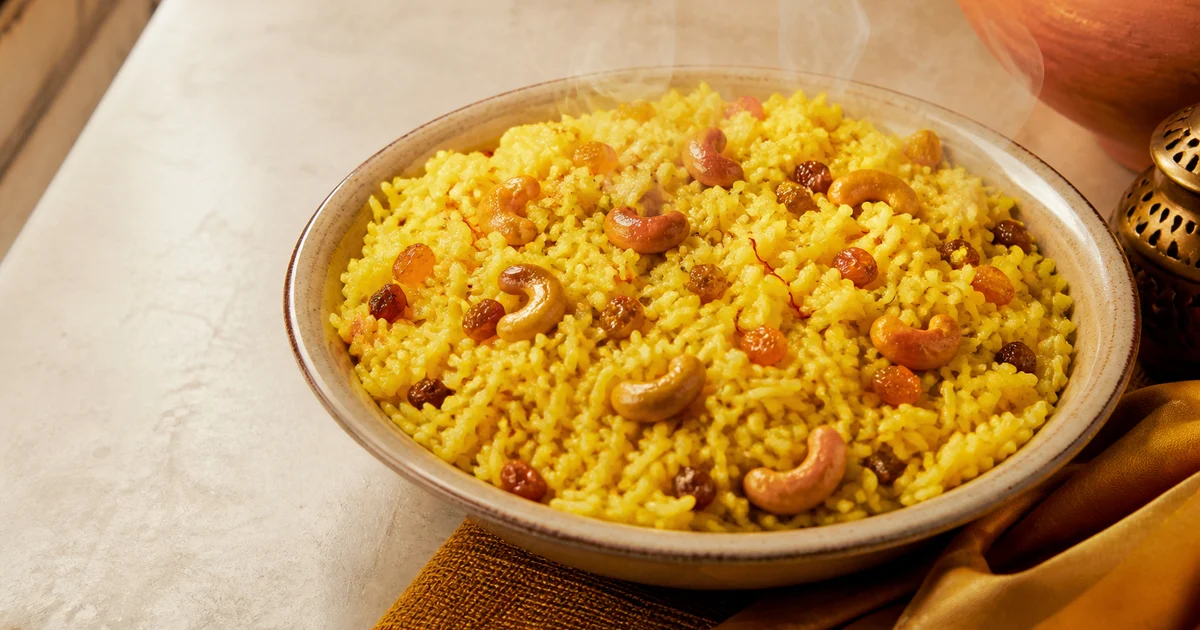
Commercial Basanti Polao Recipe
A 2 kg rice batch of golden, mildly sweet Basanti Polao for about 40 controlled portions, with practical cooking, holding and reheating guidance.
- Yield:
- about 40 plates
- Total:
- 1 hr 15 min
- Difficulty:
- Medium
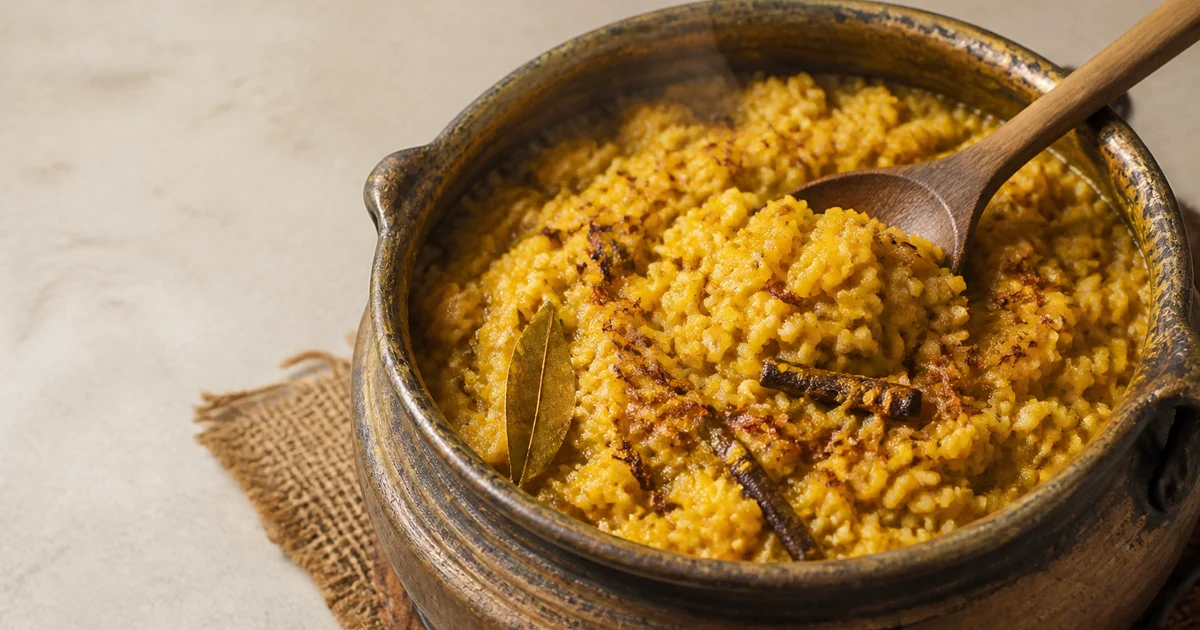
Commercial Bhuna Khichuri Recipe
A commercial bhuna khichuri recipe for about 40 plates, with a 2:1 rice-to-dal ratio, controlled moisture, service holding and yield guidance.
- Yield:
- about 40 plates
- Total:
- 1 hr 40 min
- Difficulty:
- Medium
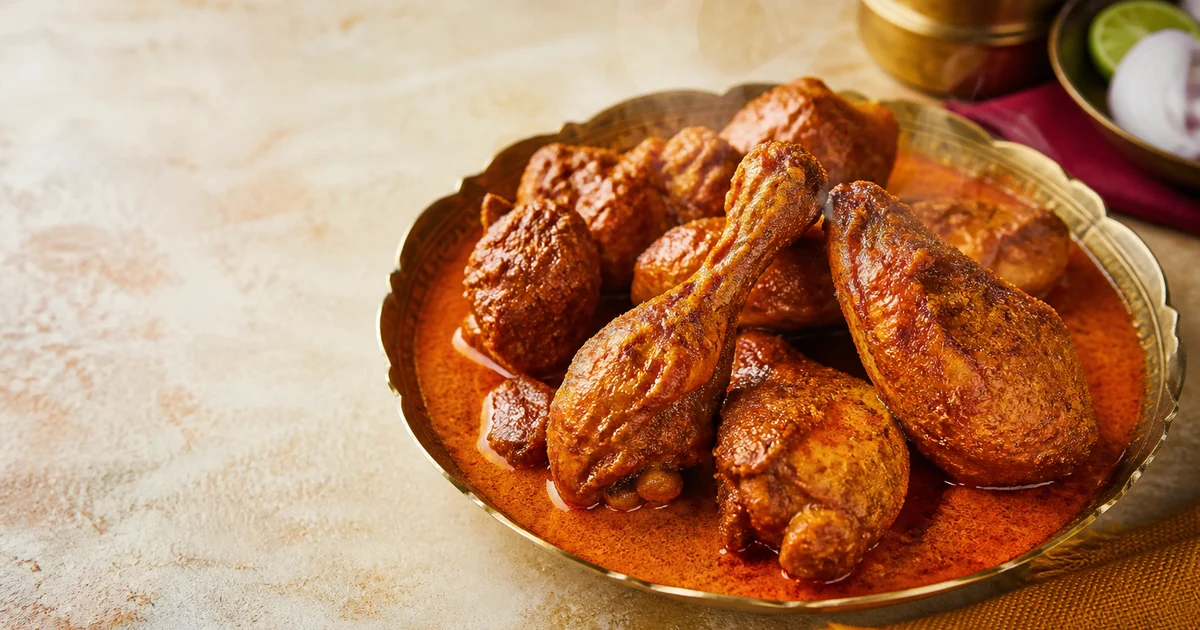
Commercial Bangladeshi Chicken Roast
A 40-portion biye-bari style chicken roast with first-fried chicken, controlled sweet-savoury gravy, catering yield guidance and service holding.
- Yield:
- about 40 plates
- Total:
- 2 hr 15 min
- Difficulty:
- Medium
Run your restaurant on Rosuii
POS, menu, inventory, payroll and more — built for Bangladeshi restaurants.
Start free