
Restaurant Recipes
Commercial Sweet and Sour Chicken Recipe
A commercial sweet and sour chicken recipe for about 40 plates, using a crisp batter, measured bulk sauce and fast order-time finishing.
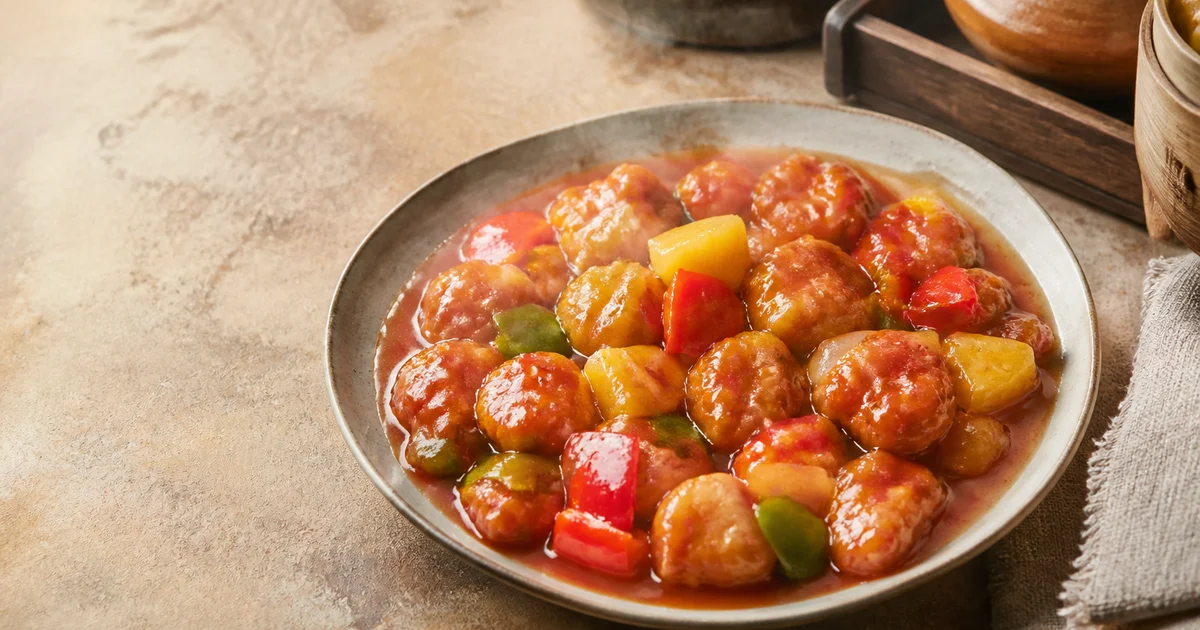
- Prep
- 45 min
- Cook
- 1 hr
- Total
- 1 hr 45 min
- Yield
- about 40 main-course plates
- Difficulty
- Medium
- Cuisine
- Chinese
Method
- 1
Prepare Uniform Chicken
Trim excess fat and cut the chicken into pieces weighing 22 to 25 g each. Pat the surfaces dry and keep the meat below 5°C; evenly sized pieces cook at the same rate and give a predictable portion count.
- 2
Season Under Refrigeration
Mix the chicken with salt, white pepper and the allocated marinade soy sauce. Cover and refrigerate for 20 minutes at 5°C or below, then drain any visible liquid before battering.
- 3
Cook The Master Sauce
Heat about 50 ml oil in a heavy pot and cook the garlic and ginger for 60 to 90 seconds without browning. Add the ketchup, sugar, vinegar, pineapple juice, sauce soy and most of the water, then simmer at 90 to 95°C for 8 minutes. Whisk the reserved water with the slurry cornflour, stream it into the moving sauce and boil for 2 minutes until glossy and spoon-coating.
- 4
Mix Batter Fresh
Whisk the eggs with chilled water, then combine the batter cornflour and maida in a separate bowl. Mix wet and dry components lightly just before frying; the batter should fall in thick ribbons and contain a few small lumps. Coat only enough chicken for one fryer load.
- 5
Heat And Test Oil
Heat clean soybean oil to 170°C and allow the temperature to stabilise for 5 minutes. Drop in a small amount of batter; it should rise promptly with active bubbles but should not turn dark within 30 seconds.
- 6
Fry In Controlled Loads
Lower no more than about 750 g battered chicken into a 12 to 15 litre fryer per load. Fry at 165 to 170°C for 5 to 6 minutes, separating pieces during the first minute. Remove when the coating is pale golden and crisp and the thickest chicken piece reaches at least 74°C.
- 7
Drain Without Steaming
Transfer fried chicken to wire racks in a single layer and drain for 2 minutes. For immediate service, hold above 60°C in dry heat for no more than 30 minutes; never cover the tray tightly.
- 8
Flash Cook Order Vegetables
For each order, heat a wok until the surface is about 200 to 220°C. Stir-fry one measured portion of onion, capsicum and pineapple for 60 to 90 seconds, leaving the vegetables bright and slightly crisp.
- 9
Recrisp Each Chicken Portion
Return one measured chicken portion to 190°C oil for 45 to 60 seconds. Drain for 15 seconds; the coating should feel dry and sound crisp when moved in the basket.
- 10
Sauce And Dispatch Immediately
Bring one 105 to 115 g sauce portion to a full simmer in the wok, then add the hot vegetables and chicken. Toss for only 10 to 15 seconds until evenly glazed. Plate or pack immediately, using vented takeaway packaging to release steam.
Notes for your kitchen
This sweet and sour chicken recipe produces about 40 controlled main-course portions for a restaurant, cafe or food cart. The production is divided into fully cooked fried chicken, bulk master sauce and pre-portioned vegetables. Only the quantity needed for each order is recrisped and tossed, so the kitchen can serve quickly without leaving chicken to soften in sauce.
Why the dish works commercially
Sweet and sour chicken works commercially because most preparation can be completed before service without sacrificing order-time speed. The sauce can be cooked in one batch, vegetables can be cut and portioned, and the chicken can be fried in controlled loads. During service, one cook can finish a plate in about two minutes if the fryer and sauce station are organised correctly.
The dish also supports clear portion control. A plate can be defined by fried chicken weight, vegetable weight and one measured ladle of sauce rather than by guesswork. Rice, noodles, extra sauce or drinks can be sold as separate menu choices without changing the core production batch.
Where ingredient quality matters
Chicken condition, starch quality and sauce consistency matter more than decorative ingredients in this dish. Use chilled, boneless chicken with little surface water and no excessive injected brine. Thigh meat remains moist through two short fries, while breast meat gives a cleaner shape but becomes dry more quickly if pieces are uneven.
Fresh cornflour should feel dry and powdery, without lumps or stale odour. It provides the brittle shell, while maida gives enough structure to prevent the coating from breaking away. A dependable ketchup is important because changes in sweetness, colour and thickness alter every sauce batch. Use vinegar with known acidity rather than an unmeasured local souring liquid, and taste canned pineapple juice before production because syrup-packed products can make the sauce excessively sweet.
Build a crisp commercial batter
A commercial batter must be cold, lightly mixed and applied only to the chicken entering the fryer next. For each 1 kg of chicken, the working formula is approximately 210 g cornflour, 120 g maida, 80 g beaten egg and 240 ml chilled water. The exact water requirement moves slightly with egg size, flour storage and moisture on the chicken.
The finished batter should cling in a thin, uneven layer and fall from a spoon in heavy ribbons. A smooth, pourable batter creates a flat coating, while a very thick batter produces doughy corners that absorb sauce. Mix only until no dry flour remains; small lumps create the craggy surface associated with crisp restaurant-style chicken.
Do not place all seasoned chicken into the batter at once. Salt and soy sauce draw moisture from the meat, progressively thinning the mixture and leaving starch sludge at the bottom. Coat one fryer load at a time, then check the consistency before coating the next load.
Control the bulk sauce ratio
The master sauce should be weighed to a fixed ratio and thickened only enough to coat the chicken. Using ketchup as 100 parts by weight, use about 58 parts sugar, 58 parts vinegar, 50 parts pineapple juice, 15 parts light soy sauce and 125 parts water before adding the cornflour slurry. This ratio is a production starting point, not a reason to skip tasting.
Simmering dissolves the sugar and removes the raw vinegar edge. Add slurry gradually while the sauce is moving, then boil it properly so the starch reaches full thickening power. The correct sauce is glossy and leaves a clean coating on a spoon; it should not set like jelly when held hot. Record the finished batch weight because evaporation changes the number of portions available.
Combine only at order time
Crisp chicken stays crisp only when hot sauce and chicken meet immediately before dispatch. Keep the sauce hot in a small service pan and replenish it from the bulk container rather than repeatedly heating the entire batch. Flash-cook one vegetable portion, recrisp one chicken portion, add measured sauce and toss briefly.
The sauce should be bubbling before the chicken enters the wok. Ten to fifteen seconds of tossing is normally enough to cover the pieces. Continued cooking drives steam through the crust, while leaving a finished plate under a heat lamp creates the same problem. For takeaway orders, use a vented box and avoid sealing extremely hot chicken in an airtight plastic container.
Scale without damaging texture
Scale the sauce by weight, but scale batter water cautiously and fryer loads not at all. When doubling the recipe, multiply the dry ingredients, chicken and sauce components directly. Begin with about 90 percent of the calculated batter water, then add the balance only if the coating is too heavy.
A larger production batch does not justify a larger fryer load. Keep each load at roughly 750 g for a 12 to 15 litre fryer, or small enough that the oil returns above 165°C quickly. If output must double, add fryer capacity or extend production time. Overloading drops the temperature, increases oil absorption and creates pale chicken that becomes greasy under sauce.
For a half batch, maintain the same piece size, sauce ratio and portion specification. Use a narrower sauce pot to limit evaporation, and prepare enough batter depth to coat the pieces evenly.
Hold and reheat safely
Fully fried chicken can be held briefly on a rack, but it should never be held in sauce. Keep the first-fried chicken in dry heat above 60°C for no more than 30 minutes for acceptable texture. A perforated tray or wire rack is essential because a solid pan traps steam under the coating.
For longer storage, cool the cooked chicken rapidly, refrigerate at 5°C or below and use within 24 hours for best quality. Reheat in 190°C oil until crisp and the centre reaches at least 74°C. Do not mix fresh production with yesterday's chicken in the same tray, and do not leave battered raw chicken at room temperature during a slow service period.
The cooked sauce can be cooled from 60°C to 21°C within two hours and then to 5°C within a further four hours. Store it covered at 5°C or below for up to three days, then reheat to at least 74°C while stirring before transferring it to hot holding above 60°C.
Control portions and yield
This batch should yield about 40 plates when every component is weighed at the pass. Set a target of 145 to 155 g fried chicken, 75 to 80 g vegetables and 105 to 115 g sauce per plate. Depending on the cut size, this is normally seven to nine pieces of chicken.
Weigh the first five portions of each service and check again when cooks change. A ladle must be verified by weight because two ladles that look identical may differ significantly. Follow a written portion control standard and record the final sauce and fried chicken yields after every batch.
Avoid mistakes that cost money
The most expensive mistakes are oversized chicken pieces, overloaded fryers, unmeasured sauce and premature tossing. Large pieces reduce the apparent piece count and may remain undercooked while the coating darkens. Tiny pieces create too much surface area, consuming extra batter and oil.
- Wet chicken: Surface water loosens batter and causes dangerous oil splashing.
- Cold oil: The coating absorbs oil before it sets and may detach during the second fry.
- Old batter: Salt, chicken liquid and gluten make it thin, sticky and inconsistent.
- Over-thick sauce: Extra starch hides acidity, increases sauce use and forms a gummy shell.
- Closed takeaway packaging: Trapped steam softens the coating before the customer opens the box.
Keep food cost stable
Stable cost comes from controlling chicken yield, frying oil condition and sauce portions rather than buying the cheapest inputs. Track trimmed chicken weight against purchase weight and use a standard cut size. Filter oil daily, skim loose batter between loads and replace oil when it becomes dark, foamy or slow to drain from food.
Use recipe costing records for the master sauce, fried chicken and vegetable portion separately. Rosuii productions can record raw materials turned into these finished production items, while wastage records can identify rejected batter, damaged vegetables and discarded sauce. Review reducing wastage practices when actual batch yield repeatedly falls below the standard.
What drives the cost
Boneless chicken is the main cost driver, followed by frying oil and capsicum or pineapple when seasonal supply changes. Cost also moves with trimming loss, oil replacement frequency, oversized portions and excess sauce use. Standard piece size and recorded finished yields are more important than changing the sauce formula to save small amounts.
Ingredient rates move with the market, so this describes what drives the cost rather than quoting a figure.
Questions from kitchens
Can this recipe be doubled for 80 plates?
How long can the first-fried chicken be held during service?
Can chicken breast replace thigh meat?
How long will the bulk sweet and sour sauce keep?
What should I check if the batch gives fewer than 40 plates?
Related recipes
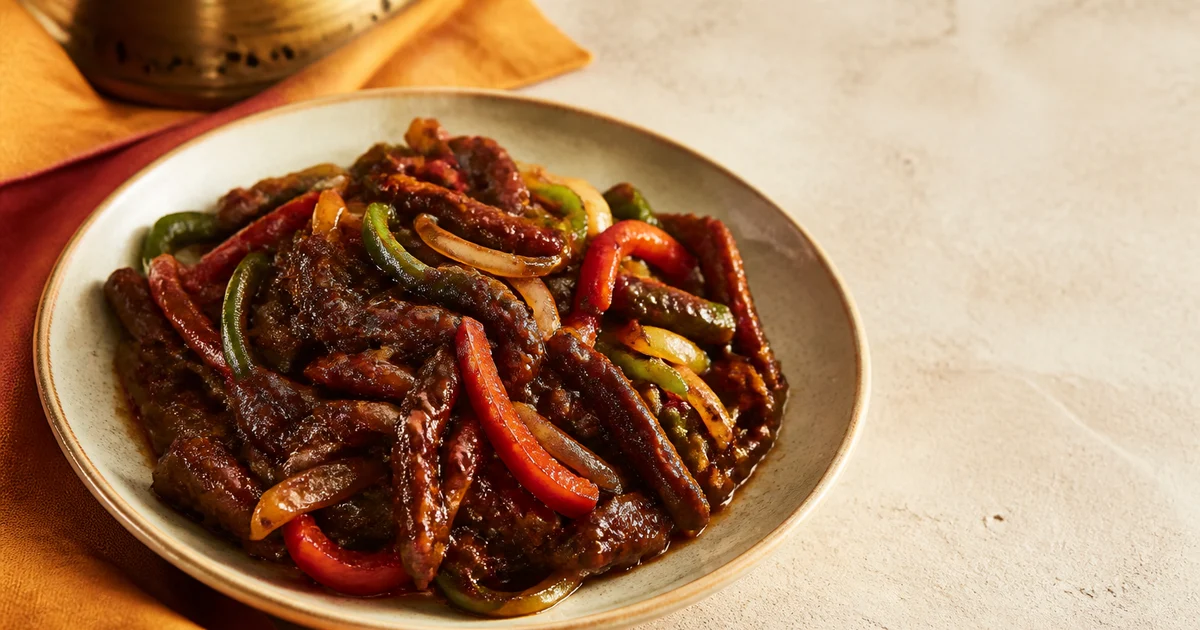
Beef Chilli Onion
A commercial beef chilli onion recipe for 40 plates, covering tender beef slicing, velveting, fast wok finishing, portion control and safe service holding.
- Yield:
- about 40 plates
- Total:
- 1 hr 45 min
- Difficulty:
- Medium
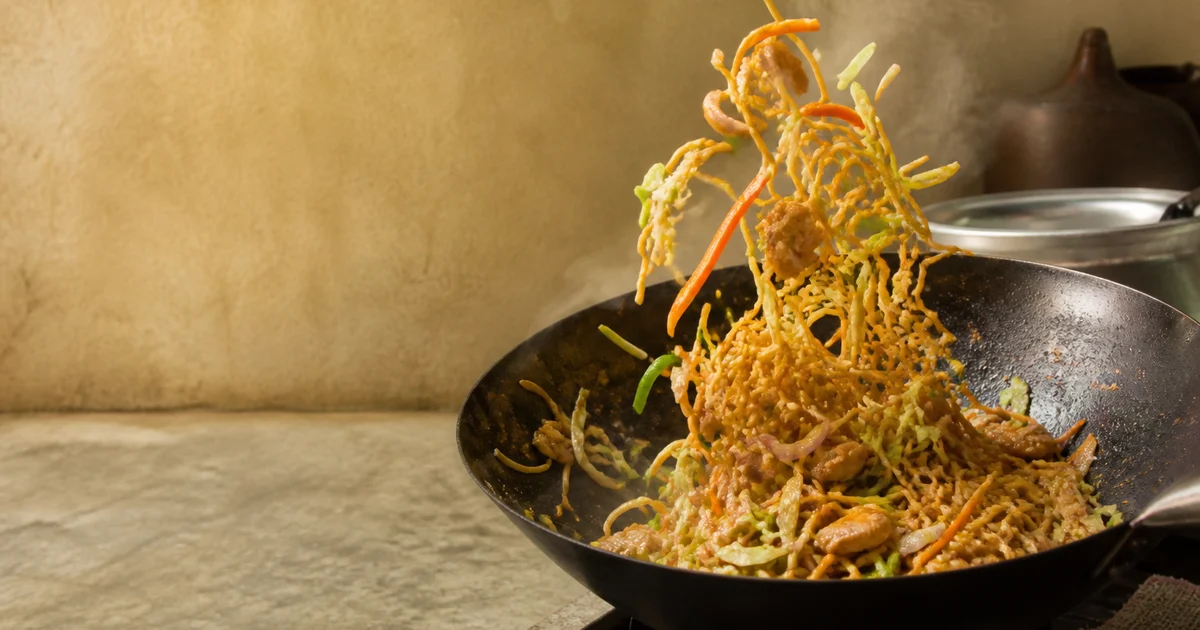
Commercial Chicken Chowmein Recipe
A 40-plate chicken chowmein recipe designed for fast counter service, with par-boiled noodles, measured bulk sauce and strict wok batch limits.
- Yield:
- about 40 plates
- Total:
- 2 hr 15 min
- Difficulty:
- Medium
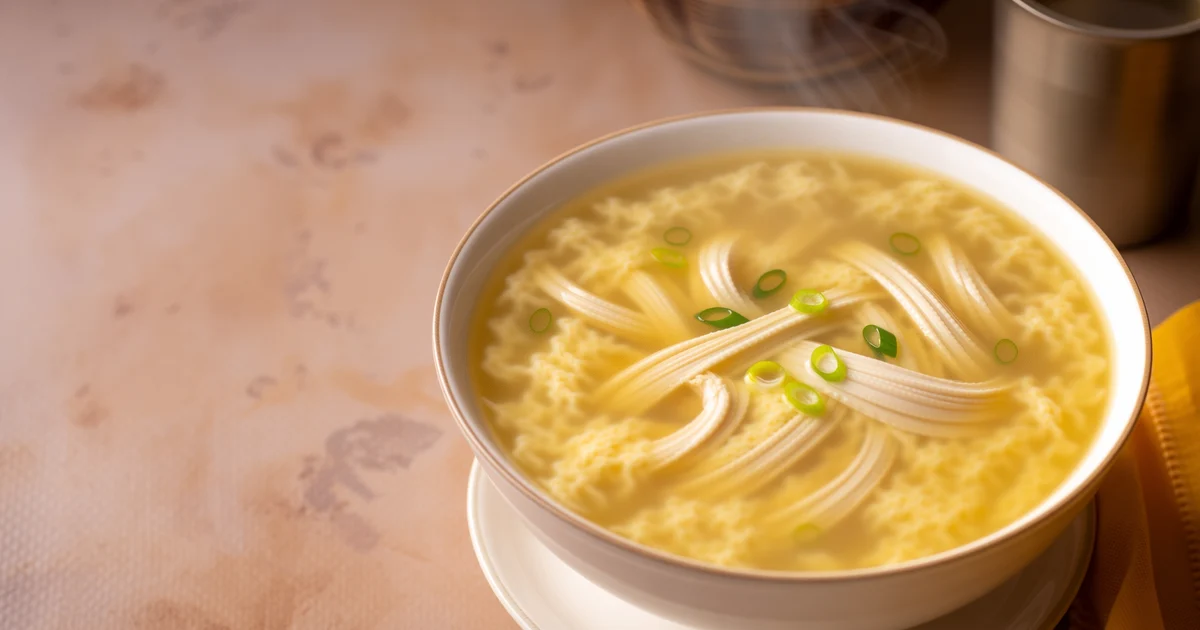
Restaurant Chicken Soup Recipe for 40 Portions
A commercial chicken soup recipe producing about 10 litres, with daily chicken stock, controlled cornflour thickening, egg ribbons and safe hot holding.
- Yield:
- about 40 plates
- Total:
- 2 hr 30 min
- Difficulty:
- Medium
Run your restaurant on Rosuii
POS, menu, inventory, payroll and more — built for Bangladeshi restaurants.
Start free